Cross-talk between gut microbiota and liver steatosis: Complications and therapeutic target
-
Yuan Yao


Abstract
Liver steatosis is the most widespread chronic liver condition. Its global incidence is rising swiftly and is currently estimated to be 24%. Liver steatosis is strongly related with numerous metabolic syndrome characteristics, like obesity, insulin resistance, hyperlipidemia, and hypertension. The gastrointestinal tract contains about 100 trillion commensal organisms and more than 7,000 distinct bacterial strains. Fat deposition in the liver without secondary causes is known as liver steatosis. Dysregulation of the gut flora is one of the factors connected to the onset of fatty liver disease. Dietary choices may alter constitution of the microbiome and cause gut microbiome dysbiosis, particularly due to the intake of food high in fructose sugars, animal products, and saturated fats. Various gut bacteria cause nutrient metabolism in multiple ways, setting off different inflammatory cascades that encourage liver disease and pathways that help fat build up in the liver. Due to their relatively stable nature, genetic factors may not be responsible for the constant increase in liver steatosis incidence. Genetic factors set the stage for liver steatosis pathogenesis. This review will offer an overview of our present knowledge of the roles played by gut microbiota in regulating the development of liver steatosis, potential side effects, and potential treatment targets.
1 Introduction
The term “non-alcoholic fatty liver disease” (NAFLD) refers to several ailments caused by deposition of fat in the liver. Obese or overweight people frequently exhibit it. Early-stage NAFLD is typically not dangerous; however, if it progresses, it can cause significant liver injury, like cirrhosis. High-fat levels in the liver are also related to an upsurge likelihood of substantial health problems such as high blood pressure, diabetes, and renal ailment. NAFLD enhances a person’s probability of developing cardiac issues if they already have diabetes [1]. NAFLD etiology involves a complicated combination of environmental factors (i.e., Western diet), obesity, alterations in microbiota, and predisposing genetic variations, as a result, lipid homeostasis is disturbed, and triglycerides and other lipid species accumulate excessively in hepatocytes. Insulin resistance (IR) is a fundamental mechanism that causes endoplasmic reticulum stress, lipotoxicity, disrupted autophagy, and, eventually, hepatocyte damage and mortality, which causes inflammation in the liver, stellate cell stimulation, and progressive fibrogenesis, promoting the development of the ailment [2]. NAFLD typically manifests as part of the metabolic syndrome (MetS) and is intimately linked with dyslipidemia, IR, obesity, and type 2 diabetes mellitus (T2DM). Patients with NAFLD have a greater overall mortality rate than the rest of the population, primarily related to T2DM and cardiovascular risk factors. Persons with non-alcoholic steatohepatitis (NASH) also have higher liver-related mortality rates because cirrhosis, fibrosis, and hepatocellular carcinoma (HCC) are more likely to develop. The complex pathophysiology of NAFLD is still not completely understood. The precise role of environmental and genetic factors and extrahepatic and intrahepatic events in defining the disease phenotype is still uncertain, despite latest developments in our understanding of the molecular and cellular mechanisms underpinning disease genesis and progression [3].
Metabolic-associated fatty liver disease (MAFLD), formerly known as NAFLD, has developed as the main cause of liver illness globally. MAFLD is becoming increasingly costly, clinically and economically, as the global obesity pandemic spreads. The term MAFLD refers to all fatty liver disease states, which corresponds to the conventional understanding that NAFLD signifies a range of liver illness related to IR, initiating with pure “benign” steatosis (NAFL) and progressing to NASH. This inflammatory state can result in advanced fibrosis or cirrhosis [4].
Liver steatosis is a minimum of 5% without common factors contributing to secondary hepatic fat accumulation, for instance, chronic viral hepatitis, congenital hepatic disorders, excessive alcohol consumption, autoimmune hepatitis, or prolonged usage of steatosis-inducing drugs. Cardiometabolic illness, which includes liver steatosis, is frequently but not always accompanied by obesity, T2DM, hypertension, and dyslipidemia. An estimated 25.24% of individuals globally suffer from liver steatosis, having the greatest incidence in South America (30.45%) and the Middle East (31.79%) [1]. Asia, North America, Europe, and Africa have a respective rate of 27.37, 24.13, 23.71, and 13.48%. According to reports, there are between 20 and 50 occurrences of liver steatosis per 1,000 person-years in various nations. Such alarming figures render liver steatosis a significant clinical and financial burden, becoming the most recent global chronic liver disease epidemic. Potentially, liver steatosis may transform into cirrhosis, fibrosis, and hepatocellular cancer [1,5].
There are numerous microbial communities in the digestive system of humans. They promote metabolism, digestion, and absorption and are a biological barrier in a symbiotic interaction. Animal and human research have shown the potential pathogenicity of intestinal microbial diseases in developing NAFLD/NASH. As a crucial organ for nutrition absorption, the digestive tract develops an excellent barrier network to prevent the absorption of hazardous substances. Proper function of the intestinal barrier is essential for retaining the intestinal environment’s equilibrium [4]. The composition of the various barriers varies, but they are all closely related. Biological and chemical intestinal barriers have been described. Intestinal bacteria encourage intestinal epithelial cells to generate a variety of immune mediators, including cytokines and chemokines, which are essential for maintaining the integrity of the epithelial barrier, developing the mucosal immune system, and controlling the host immune response [6]. In conjunction with the mucosal immune system, it influences the development of its effector function antigen recognition, recruitment, and proliferation. It can also affect the host from a distance by the metabolites influx from the gastrointestinal tract (GIT) into the systemic circulation and via modulation of migrating immune cells, which might considerably impact distant tissues. The metabolites and bacterial constituents that pass through the epithelial barrier go into the bloodstream and can potentially have a bioactive influence throughout the body. For instance, the liver and bacteria of the host body break down the l-carnitine present in red meat to create trimethylamine-N-oxide (TMAO), which encourages atherosclerosis. When given the same amount of l-carnitine, bacterial colonies from vegans and vegetarians make less TMAO than those from omnivore humans [7].
Additionally, the microbiota has significant involvement in shifting the ratio of pro- to anti-inflammatory signals, which subsequently contributes to inflammation and may advance to liver steatosis. Thus, there is a pressing need to comprehend the pathogenesis of liver steatosis. Doing so may help in bringing about improvement in patient stratification, diagnostics along with the finding of new therapeutic targets. The following sections will discuss the methods through which the gut microbiota both favorably and unfavorably influence the onset and course of liver steatosis.
2 Pathogenesis
Identifying the underlying causes of NAFLD and NAFLD-related fibrosis is essential for the discovery of diagnostic biomarkers and the identification of treatment targets; therefore, we begin with a discussion of the most essential features of NAFLD-related fibrogenesis.
2.1 From liver steatosis to NASH
One of the most important elements in NAFLD formation is gain of weight, which is often the result of a sedentary lifestyle characterized by a high-calorie diet and reduced physical activity. Having a high caloric intake and minimal consumption of energy, the liver plays a key role in sustaining the metabolic equilibrium. The accumulation of lipids, as observed in NAFLD, is a significant factor in the formation of lipotoxicity. The formation of chronic inflammation, fibrosis, and oxidative stress are accelerated by lipotoxicity. In addition, dietary carbohydrates (particularly fructose) are assimilated by the liver and transformed to free fatty acids (FFA) through the process of de novo lipogenesis. Approximately 40% of the liver lipids are derived from dietary carbohydrates and fat. The remaining 60% are made up of malfunctioning adipose tissue. Consequently, IR causes an upsurge in FFA flux, which has a deleterious impact on the liver. The FFA are ordinarily degraded by beta-oxidation in the mitochondria. The mitochondria are overburdened by an excess of FFAs, leading to mitochondrial uncoupling. They generate reactive oxygen species as a result. This, in conjunction with adipose tissue abnormalities and endotoxins from the intestines, causes NASH [8]. Factors such as Kupffer cells, immune cells, and liver macrophages infiltrating the liver lead to NASH’s inflammatory condition. Large quantities of FFA are absorbed by Kupffer cells, which lead them toward an inflammatory phenotype. This results in the release of inflammatory cytokines comprising tumor necrosis factor (TNF), interleukin (IL)-6, and IL-10. IL-6 and TNF are both linked to the development of NASH [9]. NASH is the result of a complex interaction between multiple factors, such as genetic alteration and adiposity, which creates a profibrotic environment in the liver [9].
2.2 From NASH to liver fibrosis
In the case of chronic liver illness such as NAFLD, immune responses not only restore tissue function but also cause tissue damage. A hyperactive or excessive immunological response might lead to organ malfunction and concurrent fibrotic tissue deposition and cell loss [9]. These immune responses include adaptive and innate components, i.e., neutrophil infiltration is frequently observed in NASH patient’s histologic specimens. In addition, individuals with NASH and NASH-related advanced fibrosis have a greater ratio of neutrophils to lymphocytes than patients without NASH [10].
Immune cell infiltration stimulates the transdifferentiation of hematopoietic stem cells (HSCs) into collagen-producing myofibroblasts. Typically, this procedure is involved in short-term tissue restoration. In response to liver injury, HSCs get activated and differentiate from the dormant phenotype into propagative and contractile myofibroblasts. HSCs both store and produce retinoids glial fibrillary acidic protein (GFAP) during their quiescent phase. When stimulated, retinoids and GFAP are gradually lost, which corresponds with the formation of myofibroblasts and the production of extracellular matrix (ECM) components like type I, type III, and type IV collagen, along with hyaluronic acid (HA) [11]. HA glycosaminoglycan polymer levels are proportional to the severity of liver fibrosis. The development of collagen is followed by a rise in ECM-degrading metalloproteinases (MMPs), i.e., MMP-9. The collaboration of active and excessively expressed MMP-9 with type III collagen deposition leads to an excess of cleaved type III collagen items, like plasma N-terminal propeptide of type III procollagen or neo-epitope PRO-C3 [9].
During the differentiation, the HSCs’ characteristic star-like morphology transforms into a droplet-like form. The procedure is subsequently balanced by anti-fibrotic mechanisms, leading to myofibroblast deactivation or apoptosis and the resolution of the scar. In chronic illnesses such as NAFLD, these processes are out of balance. The imbalance will result in continuous stimulation of propagating, contractile, as well as migratory fibroblasts. This results in an inordinate amount of ECM production. The abundance of ECM will demolish the liver’s physiological architecture. Non-parenchymal cells (NPCs) such as Kupffer cells and other immune cells, which are brought to the location by the demise and hepatocyte apoptosis, regulate this equilibrium. NPCs will begin to generate pro-fibrogenic cytokines [12].
3 Liver steatosis and microbiota of the GIT
The human gastrointestinal system is populated by at least 1014 distinct types of microorganisms, with anaerobic bacteria accounting for the majority, including 500–1,000 species. These commensal gut bacteria often serve the host well, assisting with general metabolism (such as bile acids, BAs) and the transformation of food into nutrients and energy (for instance, short-chain fatty acids, SCFAs) [13].
Studies on mice and fecal transplantation trials have revealed that the microbiota of the GIT has a causal role in the emergence of liver steatosis. First, cohousing studies with healthy wild-type mice and mice predisposed to NASH because of genetic alterations in the inflammasome pathway show that coprophagia – the sharing of microbiota – causes wild-type mice to develop inflammation and liver steatosis. In addition, several NAFLD changes are replicated by direct fecal microbiota transplantation (FMT) (from germ-free recipients to weight-matched obese mice with or without steatosis). The degree of hepatic gene expression implicated in lipid absorption, fatty acid catabolism, lipogenesis, and VLDL export is raised, along with the hepatic triglyceride content and content in the liver as a whole [14]. Weight-matched mice with or without steatosis showed different gut microbiota compositions, with steatotic mice showing a rise in two bacterial species (a relative of Barnesiella intestinihominis and Lachnospiraceae bacterium 609). These behaviors were linked to these changes. Though mouse models can study liver disease and associated microbiota, there are several limits to extending results to humans from rodent trials. Models based on mice do not acquire the full range of histological abnormalities seen in human liver steatosis (i.e., hepatocyte ballooning or cirrhosis), and the illness is not always linked to obesity and IR, such as in the case of human liver steatosis, as detailed in a lengthy review [15]. Although some rodent models (choline-deficient mice, for example) may eventually develop identical ultimate histological changes as those detected in humans, the pathophysiology is entirely different between humans and mice because the latter typically experience weight loss [15].
Furthermore, there are significant differences between the microbiotas of humans and mice concerning the constitution (the great majority of genera present in mice are not there in humans), pre-dominant genera, and the prevalence of certain genera and species. Finally, there are important variations in the digestive tract architecture of humans and mice that also influence the overall makeup of the GIT microbiota [16]. Due to these restrictions, it is difficult to assess how the gut microbiota contributes to liver steatosis in mouse models. By means of FMT from sick patients to germ-free mice to mimic the patient’s hepatic phenotype is one way to overcome this obstacle. FMT between steatosis-affected people and germ-free mice transfers several liver steatosis features, including inflammation and liver steatosis, exacerbated by a high-fat diet (HFD) [16].
Nevertheless, germ-free mice possess underdeveloped immune systems [17], and the development of metabolic illnesses depends on inflammation and/or a balance of the immune system. Since traditional animals have a more advanced immune system and permit donor microbiota engraftment, using traditional mouse models for FMT investigation may be an alternate technique to examine the function of the microbiota in models of rodent [17]. Particularly, within 14 days, Chow diet-fed conventional mice after receiving feces from obese women with liver steatosis have increased hepatic lipid content. Aside from a few of these restrictions, data from rodent-based investigations support the notion that the typical microbiota of the GIT has a key involvement in the emergence of liver steatosis [18]. The pathways via which the gut microbiome may participate in NAFLD formation and its evolution to NASH have been the subject of several hypotheses. In a nutshell, these include the action of various metabolites produced by microbes (such as ethanol, choline, or TMAO) and BA signaling, which may additionally influence immunity, as well as a raised intestinal permeability resulting in the release of lipopolysaccharide (LPS) to the host, causing tissue and systemic inflammation. Based on these ideas, investigations involving humans have examined the gut microbiota makeup of individuals with liver steatosis and a healthy liver as controls in order to find microbiota or microbiome-related metabolite signatures capable of being employed as a noninvasive tool for diagnosis [19]. This review now focus on the microbiome profiles seen in steatosis and liver steatosis in humans (mostly adults, though we also reviewed some pediatric research). Notably, obesity and T2DM are associated with intestinal dysbiosis. We talk about signatures that are present in those metabolic illnesses as well.
Along with systemic circulation, the biliary tract and portal vein play a role in the bidirectional communication of the gut-liver axis. Liver-derived components like BAs influence the constitution and function of the microbiota within the GIT. Together, the liver’s glucose and lipid metabolism are controlled by GIT-derived substances that may be nutritional or microbial. When environmental variables such as gut dysbiosis and/or increased intestinal permeability disrupt the gut-liver axis, the liver experiences pro-inflammatory alterations. The liver’s inability to control the gut microbiota results in additional disease development (Figure 1). It is essential to have a thorough understanding of gut-liver communication to create effective strategies for diagnosis, therapy, and prevention.
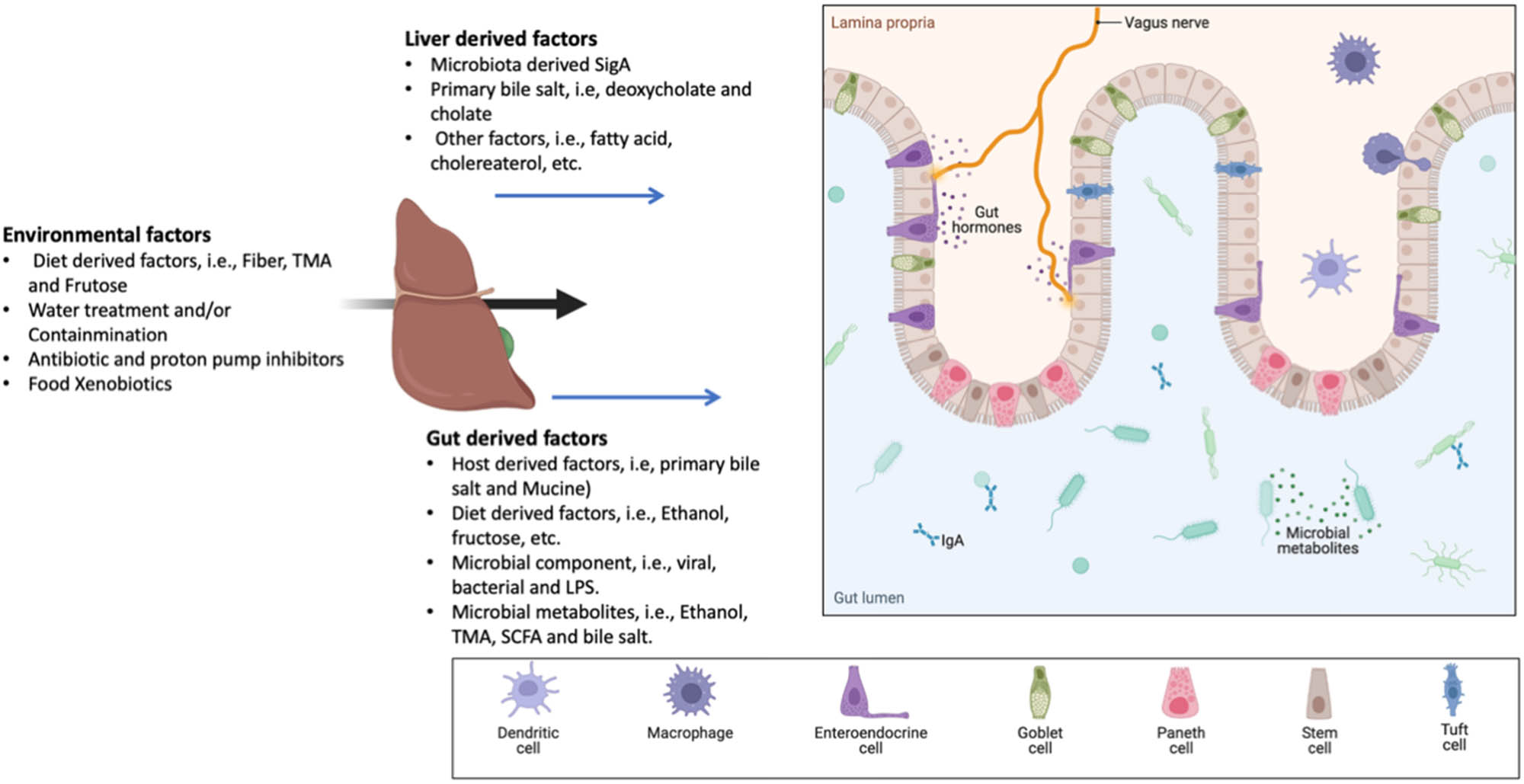
The connection between the gut and liver and the function of the gut microbiota in NAFLD development. Liver steatosis is brought on by the changed gut flora caused by environmental factors. The malfunctioning liver’s inability to restore intestinal eubiosis creates a vicious cycle that accelerates the formation of NAFLD. There is no evidence of communication through systemic mediators. Microbe-associated molecular pattern (MAMP), NAFLD, SCFA, deoxycholic acid (DCA), and chenodeoxycholic acid (CDCA), LPS, and trimethylamine (TMA) are all examples of fatty acid.
4 NAFLD preventive measures and current treatment strategies
Losing weight and reducing metabolic risk factors are currently the gold standard for treating NAFLD. According to data, dietary intervention is the most efficient NAFLD and NASH therapy. Even a 5% weight loss can help with steatosis, and a 10% weight loss can help with steatohepatitis. Nevertheless, several patients struggle to maintain the suggested lifestyle changes. Several interventions that could benefit NAFLD management have been investigated. NAFLD therapy options have included weight reduction pharmaceuticals such as metformin, anti-oxidant vitamins E and C, thiazolidinedione (TZD), ursodeoxycholic acid (UDCA), polyunsaturated fatty acids (PUFA), and lipid-lowering medications. However, most trials have been brief and have not included histology endpoints [20].
In the 96-week PIVENS trial, which included patients with non-diabetic NASH, vitamin E was compared against pioglitazone, a medicine for diabetics. Both therapies significantly reduced liver steatosis and lobular inflammation. However, neither produced a meaningful impact on the scores of hepatic fibrosis. Despite the observed inability to see an influence upon hepatic fibrosis scores, guidelines advise administering 800 IU/day of vitamin E in non-diabetic patients with NASH (confirmed from biopsy) as appropriate. However, in diabetic patients, vitamin E should not be used as a routine treatment for NASH or NAFLD without liver biopsy, cryptogenic cirrhosis, or NASH cirrhosis until more evidence supports its efficacy. To accurately evaluate the effectiveness of the available NASH therapy options, larger randomized controlled studies with histological outcomes are required [21].
Gut microbiota integrity depends at least partly on a diet. In comparison to “animal-based meals” made up of cheese, eggs, and meats, “plant-based diets” abundant in fruits, vegetables, legumes, and grains have shown a major impact on the makeup of the gut flora. An animal-based diet encourages the growth of the gut microbiota, increasing the synthesis of branched-chain fatty acids and deoxycholic acid, a precursor to BAs. Additionally, people who consume an animal-based diet have a higher degree of expression of the genes for the breakdown of polycyclic aromatic hydrocarbons (cancer-causing substances), vitamin production, and b-lactamase. Saturated fat and fructose have a higher chance of promoting hepatic lipid buildup and the development of NASH. A high-fructose diet in mice increases gut-derived portal endotoxemia, which, by activating toll-like receptor 4 (TLR4) and TNF-α, causes liver steatosis [7]. Hence, recommendations involving the promotion of diets low in fructose and saturated fats may offer protection against NAFLD development.
Probiotics (commensal bacteria in pill form) and prebiotics (substances that stimulate the growth or activity of “good bacteria”), which, given as supplements over the counter, have been suggested as potential treatment strategies for gut microbiome dysbiosis. In studies using animal models, Lactobacillus has received the most attention among the products currently on the market. A decline in liver steatosis was observed in diet-induced obese mice following 8 weeks of oral Lactobacillus rhamnosus administration, supported by liver biopsies [22]. Additional investigations in human subjects involving Lactobacillus are therefore warranted.
Given that gut dysbiosis has a key function in the pathomechanisms of NAFLD, it seems sensible to consider using probiotics and fecal transplantation as therapies that target the gut microbiota. Numerous research in mice and people have established the value of probiotic supplementation in preventing NAFLD. Probiotics have anti-fibrotic properties, and Lactobacillus rhamnosus GG supplementation reduces the amount of BA-induced liver damage and fibrosis in bile duct-ligated animals by boosting intestine farnesoid X receptor (FXR)-mediated inhibition of BA production and increasing BA excretion [23]. Furthermore, mice were prevented from developing high-fructose diet-induced NAFLD utilizing Lactobacillus rhamnosus GG supplementation, thereby boosting good bacteria, lowering portal LPS transfer, and re-establishing the function of the gut barrier (Figure 2).
![Figure 2
Mechanisms of dysbiosis-induced NAFLD in children and adolescents. Dysbiosis and disruption of the gut microbiota contribute to the development of non-alcoholic fatty liver disease (NAFLD) via modulation of the gut–liver homeostasis, including the involvement of the gut barrier, bacterial endotoxin [lipopolysaccharide (LPS)], endogenous ethanol, bile acids (BAs), and short-chain fatty acids (SCFAs). FGFR4, fibroblast growth factor receptor 4; FXR, farnesoid X receptor; TGR5, G-protein-coupled bile acid receptor; TLR4, toll-like receptor 4; TNF-α, tumor necrosis factor-α; UDCA, ursodeoxycholic acid [24].](/document/doi/10.1515/biol-2022-0699/asset/graphic/j_biol-2022-0699_fig_002.jpg)
Mechanisms of dysbiosis-induced NAFLD in children and adolescents. Dysbiosis and disruption of the gut microbiota contribute to the development of non-alcoholic fatty liver disease (NAFLD) via modulation of the gut–liver homeostasis, including the involvement of the gut barrier, bacterial endotoxin [lipopolysaccharide (LPS)], endogenous ethanol, bile acids (BAs), and short-chain fatty acids (SCFAs). FGFR4, fibroblast growth factor receptor 4; FXR, farnesoid X receptor; TGR5, G-protein-coupled bile acid receptor; TLR4, toll-like receptor 4; TNF-α, tumor necrosis factor-α; UDCA, ursodeoxycholic acid [24].
According to a recent study, Lactobacillus rhamnosus GG administered orally inhibits the growth of NAFLD in mice fed with a HFD by ingesting intestinal fatty acids, thus decreasing their absorption [24] (Figure 2). The administration of mice with IgA-coated Lactobacillus jensenii (as opposed to supplementation with IgA-free bacteria) substantially reduced HFD-induced dyslipidemia and disruption of the gut mucosal barrier. Additionally, administration of IgA-coated Lactobacillus jensenii increased colonic butyrate synthesis, mucin-2, and polymeric Ig receptor mRNA expression, all of which improve the gut’s barrier function (e.g., IgA secretory levels, mucus layer, and tight junction tension) [24] (Figure 2). The right probiotic strain must be chosen to reap the benefits of probiotics.
4.1 Conventional NAFLD treatment techniques and their interactions with gut microbiota
There is currently no validated therapy for NAFLD in pediatric patients who are obese. However, weight loss focused on dietary alterations and augmented exercise levels are often the main NAFLD therapeutic techniques in adults and obese pediatric patients. Transient elastography shows that in adolescents and obese NAFLD children, weight loss based on diet and activity interventions is beneficial in lowering hepatic fat deposition [25]. Although the exact method by which food and exercise modify the gastrointestinal microbiota to treat NAFLD is unknown, it is undeniably advantageous to maintain a healthy gut microbiota through a proper diet and regular exercise. Regarding exercise, athletes’ gastrointestinal microbiome diversity is higher than healthy non-athletes. Without regard to diet, aerobic exercise raises fecal concentrations of SCFAs by changing the diversity of the gastrointestinal microbiota in adult humans [25]. Exercise shields mice from an environmental toxin’s alteration of the gut microbiota.
Additionally, exercise training over 12 weeks improved the deleterious microbiome profile associated with obesity and decreased microbial inflammatory signaling in obese children. Similarly, several proteins working with complex-valued polynomial model may also be implemented to benefit the conventional therapeutic approaches [26,27]. Chinese obese children with simple diet-induced simple obesity or Prader-Willi syndrome experienced considerable weight loss and altered dysbiotic gut microbiota profiles due to dietary intervention that included a non-digestible carbohydrates-based diet [28]. Together, these findings imply that gut microbiota is indispensable in the exercise and diet exercise-mediated improvement of NAFLD in adolescents and children. Presently, no pharmacological cure for NAFLD has been approved by the Food and Drug Administration, but a few treatments are being investigated with promising outcomes (Table 1).
Current NAFLD therapeutic possibilities [12]
| Procedure | Drug/treatment option |
|---|---|
| Surgical and weight-loss drugs | Orlistat and Bariatric surgery |
| Phlebotomy | — |
| Pharmacologic intervention | Anti-TNF-α agents, UDCA, Vitamin E, betaine, silymarin, statins, fibrates, N-3 PUFA, metformin, TZDs, and incretin-based therapies. |
| Lifestyle modifications | Exercise and calorie restriction |
As an anti-NAFLD therapeutic nutrient, Vitamin E is widely given as a supplement to children and adults, combined with exercise and dietary modification. According to a meta-analysis, vitamin E improves adult NAFLD patients’ histological and biochemical features, particularly NASH. A double-blind, placebo-controlled, randomized trial involving children with NASH indicated that vitamin E treatment dramatically improved histologic results but did not lower ALT levels. In a different pediatric trial, vitamin E and hydroxytyrosol reduced the systemic inflammation associated with NAFLD, mostly by raising blood IL-10 concentrations in reaction to DNA damage recovery, reducing steatosis and hypertriglyceridemia [29].
Although there is no direct proof that vitamin E supplementation improves NAFLD by reducing gut microbiota dysbiosis, numerous studies show that vitamin E supplementation positively affects the gut microbiota [30,31]. Vitamin E has improved gastrointestinal microbiota disturbed by colitis and protects intestinal barrier function in the dextran sulfate sodium-induced colitis mouse model [30]. The development of NAFLD is stimulated by intestinal barrier disruption and an upsurge in portal LPS produced by dysbiotic gut flora. Therefore, the impact of vitamin E on the diversity of the intestinal barrier and gastrointestinal microbiota might point to the existence of gut microbiota-mediated mechanisms for the improvement of NAFLD brought on by vitamin E supplementation [30].
4.2 Pharmacological intervention
The etiology of NAFLD is diverse and complex, making diagnosis challenging. Consequently, it is difficult to treat patients with NAFLD at various stages successfully. As a result, several personalized therapies that focus on NAFLD at a specific stage are advised individually [32]. To treat progressive NASH (fibrosis stage 2), pharmacological medication therapy is suggested by the EASL-EASD-EASO Clinical Practice Guidelines. Individuals with initial-stage NASH who also have diabetes, MetS, or enhanced liver function must as well be included in pharmacological drug treatment since they have a significant chance of the illness progressing. NAFLD pathophysiological pharmacological therapeutics are being developed, but the shortage of authorized drug therapy is due to response rates. These pharmacological therapies used to treat fibrosis seem to have a minor impact. Despite extensive clinical research, there are no FDA-approved NASH treatments, and no specific course of treatment is advised. The medicines now being prescribed for NASH are utilized off-label in every country [33].
4.3 Microbiota-based intervention
Scientists worldwide are looking for alternative techniques to treat NAFLD following decades of rigorous pharmacological interventions to find tailored medications for the condition. Probiotics are used as microbial therapeutics in these therapies. Several preclinical and clinical investigations have been conducted after observing the impact of gut microbiota on effectively preventing and treating NAFLD, NASH, and NAFLD-HCC. However, several probiotics, including Pediococcus, Bifidobacterium, and Lactobacillus, have shown promise in reversing NAFLD in preclinical animals. By re-establishing microbial balance in the gut, which decreases lipogenesis and ultimately lowers liver inflammation, probiotic therapy in rodents eliminates NAFLD [34]. The positive effect of probiotics in human disease conditions has been optimized and translated through several clinical trials over the past 10 years; however, microbiota-based medicine is still in the early stages of research.
Sharpton et al. discovered the positive association of probiotics or synbiotics with significant improvement in liver function enzymes, liver stiffness measurements, and liver steatosis (which together reflect NASH conditions) in a recent meta-data analysis and systematic review based on 21 randomized controlled trials that summarized microbiota-based targeted therapeutic strategies (9 probiotics and 12 synbiotics) in NAFLD patients. Given the population’s diversity, the range of phenotypes of liver illness, and the lengths of probiotic or symbiotic therapies, they may have positive effects that are particular to the liver [35].
Antibiotics, prebiotics, pre- and probiotic combinations (synbiotics), and FMT are further approaches that aim to positively change gut microbial assemblages to impact NAFLD. Prebiotics are dietary fibers that are indigestible but fermentable and are specifically used by the gastrointestinal microbiota to benefit the host microbiota. Prebiotics include short- and long-chain β-fructans, fructooligosaccharides (FOS), inulin, lactulose, and galactooligosaccharides. These are the most extensively studied prebiotics for chronic liver diseases. The administration of lactulose decreases the likelihood of recurrent HE and HE-related hospitalization and lengthens life expectancy by controlling symptomatic hyperammonemia in cirrhosis with HE patients [36]. Liver function enzymes, lipid profiles, and inflammatory markers have been shown to have positively influenced synbiotic supplementation, as revealed by a meta-data analysis of RCTs in NAFLD patients [37] (Table 2).
Additional prospective NAFLD therapies and their intended targets
| Therapeutic options/drugs | Target | References |
|---|---|---|
| Probiotics (VSL#3) | Bacterial overgrowth | [38] |
| Cytoprotective agents (i.e., UDCA) | Apoptosis | [39] |
| Novel treatments (i.e., incretin analogs, oligofructose, and angiotensin-converting enzyme inhibitors/blockers of angiotensin receptors) | ||
| Anti-TNF agents (pentoxifylline) | Pro-inflammatory cytokines | [40] |
| Vitamin E, beta-carotene, silymarin, lecithin, N-acetyl-cysteine, betaine, and other vitamins | Oxidative stress | [36] |
| Omega-3 fatty acids, statins, and fibrates | Dyslipidemia | [41] |
| Meglitinides, metformin, and TZDs | IR | [37] |
Despite the positive elements of synbiotics, an investigation recently found that individuals with NAFLD who used synbiotics (FOS with Bifidobacterium animalis subspecies lactis BB-12) only saw a change in their gut microbiome without any reduction in steatosis or fibrosis [42]. As opposed to placebo medication, another clinical investigation found that liver steatosis and fibrosis were significantly reduced by symbiotic supplementation in lean NAFLD patients. Compared to the placebo group, lipid profiles, and several inflammatory indicators dramatically decreased [43]. Both investigations imply that important metabolic dysfunctional elements may prevent the resolution of hepatic damage markers. Additional research is required to ascertain whether the study’s main result affected the metabolic factors.
5 Liver steatosis and potential complications
The gut microbiota can play a key role in the onset and the advancement of NAFLD to cirrhosis and carcinoma of the liver. Growing research reveals that gut bacteria and its metabolites have a direct influence on intestinal architecture and immune response, leading in aberrant inflammatory stimulation and intestinal endotoxemia; gut dysbiosis also causes gut-liver axis dysfunction via changes in the BA metabolism pathway [44]. Few therapies are useful in the cure and prevention of NAFLD. Pioglitazone might benefit people with advanced NASH or T2DM, although credible clinical evidence is insufficient. The word “drug-resistant” refers to the ability of a substance to withstand the effects of drug use. Statins can lower serum LDL cholesterol concentrations and avoid cardiovascular problems; however, they do not address the development of a liver disorder. By modifying or reshaping the gut microbiota by means of antibiotics, probiotics, synbiotics, prebiotics, and FMT to preserve gut homeostasis, MTT is a novel approach for treating NAFLD. Commercialized strains of Streptococcus, Lactobacillus, and Bifidobacterium enhance the inflammatory milieu in the gut, encourage the survival and development of intestinal epithelial cells, and suppress pathogenic bacteria via modifying host defense and the immune system [45].
A potential therapeutic approach for developing anti-NAFLD drugs may involve using a particular bacteria or bacterial compound to interfere with NASH. By colonizing the gut with Akkermansia muciniphila, metabolic problems brought on by HFD may be reversed, oxidative stress reduced, inflammation inhibited, liver function improved, and the gut microbiota normalized. Colesevelam, a BA sequestrant, disrupts the hepatic-intestinal circulation of BA and has been demonstrated to impact cholesterol, lipid, glucose homeostasis, decreasing hepatic fat accumulation in NASH patients [46].
NASH frequently develops from NAFLD, particularly in people with T2DM. Lobular inflammation, hepatocellular necrosis, and frequent fibrosis are characteristics of NASH. Numerous investigations have now demonstrated that patients with fibrosis and NASH experience the highest mortality rate. Cirrhosis develops as fibrosis worsens. Cirrhosis development varies greatly in terms of its rate. It is influenced by factors like age, BMI, type 2 diabetes, blood pressure control, and the severity of steatohepatitis. Obesity (visceral obesity or increased excessive BMI), T2DM, and the development of moderate to extreme fibrosis are the three most important risk factors [47]. However, the exact causes of cirrhosis are still unknown, given the significant degree of heterogeneity in disease progression.
A traditional drug having immunomodulatory, anti-oxidant, and anti-apoptotic properties is UDCA. Clinical investigations have not yet verified its impact on NAFLD/NASH. However, several UDCA derivatives, including nor-UDCA, presently undergoing phase II clinical trials, have demonstrated positive therapeutic effects in mouse NASH models. These studies indicated that dysfunctional gut microbiota could contribute to NAFLD’s onset, development, and even worsening carcinogenesis [48]. It has become crucial for NAFLD management and treatment to understand how to make advantage of gut microbiome change or inhibit the evolution of NASH as well as identify bacteria and products from bacteria as potential targets. First, while novel approaches like prebiotics, probiotics, phage therapy, FMT, and FXR/TGR5 agonists have showed potential in the cure of NAFLD, the difficulties in producing therapeutic medications that are both safe and effective, such as tissue specificity, selectivity, as well as medication resistance for long-term usage need to be investigated further.
5.1 NAFLD phenotypes
Several studies have attempted to build diagnostic models incorporating metabolomics, such as lipidomics, with or without other laboratory or clinical characteristics. The goals of such models were primarily to determine NAFLD phenotypes, for example, the existence or lack of fibrosis, and to differentiate between NAFL and NASH [49]. Several studies have focused on noninvasive methods for assessing the phenotype of NAFLD or anticipating hepatic fibrosis, which may minimize the need for biopsies in NAFLD patients at risk for NASH. Research on the metabolomics toward the formation of metabolites-based noninvasive characterization of NAFLD have been expedited in the last 10 years by knowledge of the pathogenetic process and the advancement of high-throughput technology. There is currently no broadly accepted metabolomics marker for NAFLD phenotype or severity, even though numerous intriguing biomarker candidates from various latest research. The following are some hypotheses as to why accurate and precise markers are few. First, NAFLD is a multisystem disease that involves a complicated interaction of gut microbiota, concomitant metabolic conditions, lack of physical exercise, and lifestyle risk factors, include bad food habits and the absence of physical exercise [50].
The discovery of metabolomics biomarkers for particular phenotypes will help to advance personalized therapy in the area of NAFLD. Knowledge of the underlying mechanisms in the progression of NASH to NAFL and identifying metabolite biomarkers involved in NASH pathogenesis may cause the development of innovative diagnostic and treatment alternatives.
5.2 NAFLD and cardiovascular disease (CVD)
CVD affects patients with NAFLD and T2DM for various reasons, for instance, greater IR and intrahepatic lipid buildup. This is connected to a decline in the clearance of triglyceride-rich lipoproteins and an increase in hepatic VLDL secretion in the peripheral circulation. As a result, a proatherogenic profile is created, comprising an increase in tiny, dense LDL particles, inflammation, hypertriglyceridemia, and low HDL-C [51].
Additionally, these individuals frequently have extreme hepatic IR, worsening glycemic control over time. Hyperinsulinemia resulting from increased insulin production and reduced insulin clearance is associated with hepatic IR [52]. In epidemiological research and animal disease models, hyperinsulinemia has been linked to atherogenesis. In short-term human clinical investigations, chronic hyperinsulinemia has also resulted in acquired IR and downregulation of insulin signaling pathways. In this situation, hyperglycemia is more severe and might also be a factor in CVD [53]. Individuals with NAFLD have an elevated risk of cardiovascular ailment because of endothelial dysfunction. Independent of other risk factors, people with well-controlled T2DM and NAFLD have been found to have early left ventricular “diastolic dysfunction,” also known as HFpEF or heart failure with preserved ejection fraction [53].
Compared to clinically matched individuals without NAFLD, people with NAFLD frequently have an increased atherosclerotic disease and substantially poorer carotid intima-media thickness. Studies have linked this to rising levels of inflammation, steatosis, and/or fibrosis. With cirrhosis, CVD is the main cause of death in NASH [54]. Additional risk factors frequently cluster with NAFLD and CVD. T2DM, hypertension, hyperlipidemia, inflammation, and obesity, in addition to hyperinsulinemia and IR are the most critical risk factors.
5.3 NAFLD with chronic kidney disease (CKD)
The prevalence of NASH and NAFLD with fibrosis has lately been linked to CKD. Advanced-stage CKD relates to rather severe fatty liver disease. Most investigations have used increased albuminuria/proteinuria or an estimated glomerular filtration rate (eGFR) of less than 60 ml/min/1.73 m2 to define CKD [55]. In case-control research it was discovered that the degree of eGFR decline was independently correlated with the severity of the liver histology in individuals with biopsy-proven NASH [56].
An increased frequency of CKD was found among Japanese patients having biopsy-proven NAFLD, and the liver histology also deteriorated. Overall, they discovered that 14% of NAFLD patients had CKD. Only 6% of patients suffering from NAFLD with no indication of NASH had CKD, compared to 21% of patients with biopsy-proven NASH [57]. Compared to those without NAFLD or NASH, this was higher. Although the etiology of this connection is unclear, NAFLD’s enhanced atherogenicity is probably a significant component. A recent meta-analysis also revealed that CKD had a greater incidence in individuals with NASH compared to individuals with NAFLD without NASH. Patients with advanced fibrosis had a greater prevalence of CKD than individuals with lower fibrosis [58].
5.4 NAFLD and polycystic ovarian syndrome (PCOS)
Depending on the diagnostic criteria employed, PCOS affects between 5 and 18% of premenopausal women. It is distinguished by hyperandrogenism and ovulatory failure. Before diagnosing PCOS, it is necessary to rule out other diseases with the same symptoms. In the 1980s, it was discovered that IR was a key component of the syndrome long after its first description, affecting both obese and lean patients [59]. NAFLD is more frequent in PCOS, which has been categorized as a metabolic and reproductive illness due to the crucial role that IR plays in the pathogenesis of the condition. IR and obesity are the two primary risk factors for NAFLD in PCOS [59].
NAFLD has been observed to become more widespread in women with PCOS, which is more persisted when the patients have MetS risk variables such as T2DM, BMI, and hypertension. In women with PCOS, evidence of hyperandrogenism, particularly when testosterone levels are above 3 nmol/L, has been linked to a higher risk of NAFL [60].
5.5 Development of liver fibrosis
The evidence for liver fibrosis is also limited to in vivo and in vitro investigation and is scarce in this area. Apoptosis of hepatocytes with the release of a wide range of cytokines (i.e., interleukins [−1, −2, −18], hedgehog ligands, TGF-β, TNF-α, and numerous others) has been the focus of potential pathways connected to the development of NASH [61]. One such route (the transcriptional activator TAZ) was identified by Wang et al. that plays a key role in NASH, as demonstrated in a mouse model. At the same time, this complex signaling network, activated by damaged hepatocytes, causes the surrounding Kupffer cells to become active, which causes hepatic stellate cells to develop into myofibroblasts and upsurge the synthesis of matrix proteins, eventually leading to cirrhosis. Genetics appears to be involved because the PNPLA3-I148M mutation in NASH may directly affect stellate cell activity and alter lipid droplet metabolism with a liver-targeted GalNAc3-conjugated antisense oligonucleotide. A large decrease in liver inflammation and fibrosis was observed in PNPLA3 knock-in 148M/M mutant mice (having a human PNPLA3 I148M variant) [62].
On a clinical level, a recent study investigated variables linked to illness development in a significant clinical trial (n = 475 patients) [63]. The key factors related to clinical disease development are the degree of fibrosis at baseline and larger increments in the amount of hepatic collagen, enhanced liver fibrosis score, and increased alpha-smooth muscle actin level with time. In patients with bridging fibrosis (F3), progression occurred in 22% of cases over a 96-week follow-up period, whereas individuals with cirrhosis experienced clinical events linked to the liver in 19% of cases. Beyond liver histology, clinicians must acknowledge that T2DM and obesity is main risk factors for advancing liver ailment, necessitating screening and early management.
6 NAFLD prevention and treatment based on gastrointestinal microbiome
Since gastrointestinal dysbiosis plays a role in the pathomechanisms regulating NAFLD, it seems sensible to think about using probiotics and fecal transplantation as therapies targeting the gut microbiota. Numerous research in mice and people have established the value of probiotic supplementation in preventing NAFLD. Probiotics have anti-fibrotic properties, and Lactobacillus rhamnosus GG supplementation reduces the amount of BA by boosting intestine FXR-mediated inhibition of BA production and improving BA-induced liver damage, BA excretion, and fibrosis in animals with bile duct ligation [23]. Furthermore, Lactobacillus rhamnosus GG supplementation prevented mice from developing high-fructose diet-induced NAFLD by boosting good bacteria, re-establishing the role of the gut barriers, and lowering portal LPS transfer. According to an investigation conducted recently, Lactobacillus rhamnosus GG administered orally inhibits the formation of NAFLD in mice fed with HFD by limiting intestinal fatty acid absorption through the consumption of intestinal fatty acids. The administration of mice with IgA-coated Lactobacillus jensenii (as opposed to supplementation with IgA-free bacteria) substantially reduced HFD-induced disruption to the gastrointestinal mucosal barrier and dyslipidemia. Additionally, administration of IgA-coated Lactobacillus jensenii increased colonic butyrate synthesis, mucin-2, and polymeric Ig receptor mRNA expression, improving the gut’s barrier function (e.g., IgA secretory levels, mucus layer, and tight junction tension) [64]. The appropriate probiotic strain must be chosen, though, to reap the advantages of probiotics.
By lowering the levels of liver TLR4 and serum LPS, probiotics supplements may minimize liver disease, enhance gut microbiota structure, and reduce LPS-TLR4 signaling, slowing down the progress of NAFL. A supplement comprising probiotic bacteria 14 strains, given for 8 weeks, resulted in a significant decrease in fatty liver indices, levels of inflammatory cytokines (IL-6 and TNF-α), and aminotransferase activity in adult humans with NAFLD and T2DM [65]. Serum adipocyte hormones (resistin and leptin) were lowered in rats following probiotics supplementation combination, such as Bifidobacterium bifidum, Lactobacillus acidophilus, and Lactobacillus plantarum, thus moderating high-sucrose and HFD-induced steatosis. Pro-inflammatory signals were additionally found to be suppressed. A probiotic supplement comprising Lactobacillus rhamnosus, Bifidobacterium bifidum, Lactobacillus acidophilus, and Bifidobacterium lactis, administered for a total of 12 weeks, improved hepatic ultrasonographic findings and numerous biochemical factors (such as triglycerides, aspartate aminotransferase, and ALT) in obese Iranian children. Fibrosis, liver fat, and gut microbiota did not significantly change due to the probiotic treatment in another trial on obese Latino teenagers; rather, the probiotic enhanced obesity [66]. These outcomes recommend that probiotics may be helpful in treating pediatric NAFLD, but they also point out that the right bacterial strain must be chosen to reap the benefits.
7 Metagenomics: a route to comprehending the gut microbiome
The gastrointestinal microbiome is a significant factor of host health, but it has only been possible to study it at the genomic level since the development of next-generation sequencing in the last two decades. The sequencing of shotguns is beginning to shed light on the eukaryotic, prokaryotic, and viral elements of the gut population, exposing their taxonomy as well as the functions contained in their metagenome. This revolution in comprehension is being spurred by the ongoing advancement of sequencing technology, necessitating the growth of computational methods that is adaptable to the ever-changing nature of sequence datasets.
In addition to identifying the human diversity of gastrointestinal microbiome, metagenomics can potentially lead to the discovery of novel genes, microbial routes, and functional dysbiosis. Huge potential exists for the implementation of metagenomics to reveal the processes and links between the human microbiome of the intestines and illnesses. Though, there are limitations to metagenomics, which must be addressed [67].
With the rapid advancement and use of metagenomics, in addition to metabolomics, metaproteomics, and metatranscriptomics, it is feasible to discover new microbiological diagnostic markers for early detection and innovative therapeutics. Increasing the number of probiotics and maximizing the contribution of microorganisms are also very promising. On the basis of a greater awareness of the human microbiome’s role in illness and its relationships, interindividual variations, as well as physiological factors, personalized medicine research will advance significantly. Based on a comprehensive knowledge of ARGs in the gastrointestinal microbiome, it is also conceivable to investigate novel antibiotics that target microbiomes with resistance to antibiotics [68].
Recent metagenomic investigations of the human gut microbiota have been undertaken in small cohorts; therefore, it is critical to improve our understanding of the human gut microbiome by studying people from multiple countries, over longer time periods, including various age groups [69], and at different stages of illness. An investigation on the properties of the human gut microbiome at various phases of disease could help us comprehend the linking between gut microbiome and illness progression, thereby facilitating the development of the most effective approaches for preventing, treating, and even reverting disease.
Due to the limitations of metagenomics, it is essential to integrate other microbiome methods, such as cultivation methodologies, with a metagenomics investigation of the intestinal microbiome. This will guarantee more correct and undoubted results. In recent times, a number of investigations have utilized this combination successfully and achieved significant results. To surmount the limitations of metagenomics, it is also necessary to make a standardized technique for the extraction of microbial DNA, to enhance computational algorithms, and to finish references to databases [70].
The use of metagenomic technologies to the microbiome of the human digestive tract is still in its early stages. Though, it has been used in many different situations, such as soil and the ocean, for a considerable amount of time. Following the success of employing metagenomic technology to the study of these environments, further research can be conducted on the human intestinal microbiome. Along with bacteria, the human intestine also contains eukaryotes and viruses. Several research on eukaryotes and viruses utilizing the metagenomics method has been conducted to date; therefore, the prospective investigation of the human gastrointestinal microbiome utilizing the metagenomics technique appears promising, and further research are required immediately.
8 Conclusion
In conclusion, a substantial body of research points on the gut microbiota is essential for the etiology of liver steatosis. Environmental variables, particularly nutrition, and drugs, are the main disruptors of the gut microbiota. Due to their relative stability, genetic factors may not be responsible for the constant rise in liver steatosis incidence, but they set the stage for liver steatosis pathogenesis. Clinical investigations have revealed promising microbiome signatures linked to liver steatosis that may be exploited for noninvasive diagnosis or disease progression monitoring. However, additional investigation is required to check the usage of the signatures in large cohort longitudinal studies with good design that account for significant confounding factors, including comorbidities, such as T2DM and obesity, medication, food, and ethnic background. Combining microbial profiles with microbiota-derived compounds found in urine, feces, or blood/plasma may help improve these markers’ diagnostic and prognostic usefulness. With this method, liver steatosis subtypes may be differentiated more precisely, and the effectiveness of the treatment can be assessed with greater accuracy.
Moreover, efficient microbiome-based therapeutics can be developed if we thoroughly grasp the interactions between the microbiota and the liver. Two primary strategies can essentially be combined. The first may directly manipulate the gut microbiota through the elimination of undesirable strains, the introduction of beneficial strains (preferentially isolated from the normal microbiota of the human gut), or the FMT of the dysbiotic microbiota. Utilizing metabolites generated by microbes via stimulation or inhibition of their production will comprise the second strategy. Overall, the feasibility of an ideal study design is still up for debate, but it should be considered when discussing large-scale research consortiums. Another restriction is the natural hesitation of medical professionals, patients, and ethical committees to repeat liver biopsies. Finally, this sector requires sophisticated techniques for predicting microbiome signatures (such as multi-omics strategies combined with deep learning). Investigating the entire microbial ecology is crucial because interactions between microbes may be just as significant as the presence of many different families, genera, or species.
Similarly, it is important to consider the significance of microbiome-altering factors like viruses, phages, and fungi. Diagnosing individuals with liver abnormalities through routine treatment might be possible by combining microbiome profiles with systemic metabolites obtained from microbes. Future NAFLD-NASH therapeutic strategies will change the signatures to produce biomarkers, permitting essential follow-up for therapeutic response. However, it depends on the likelihood of developing reliable biomarkers. An in-depth understanding of the interplay between the liver and microbiota is expected to help us develop efficient therapies incorporating microbiota, such as FMT, metabolite manipulations, probiotic interventions, and noninvasive prognostic and diagnostic techniques which combine microbiota signatures and metabolites specific to the liver steatosis.
-
Funding information: Authors state no funding involved.
-
Author contributions: Every author contributed to the study while adhering to the ICMJE guidelines. Acquisition of data: Y.Y. and Y.S. Analysis and interpretation of data: Y.Y. and Y.S. Drafting of the manuscript: Y.Y. and Y.S. Critical revision: Y.Y. and Y.S. Study conception and design: Y.Y. and Y.S. Financial assistance: Y.Y. and Y.S. The submitted version of the work was reviewed and approved by all the authors. All authors have agreed to be personally responsible for his or her own contributions as well as to make sure any questions about the reliability or correctness of any part of the work, even if the author was not personally involved, are correctly studied and resolved, and that the resolution is recorded in the literature.
-
Conflict of interest: Authors state no conflict of interest.
-
Data availability statement: Data sharing is not applicable to this article as no datasets were generated or analyzed during the current study.
References
[1] Younossi ZM, Golabi P, Paik JM, Henry A, Van Dongen C, Henry L. The global epidemiology of nonalcoholic fatty liver disease (NAFLD) and nonalcoholic steatohepatitis (NASH): a systematic review. Hepatology. 2023;77(4):1335–47.10.1097/HEP.0000000000000004Search in Google Scholar PubMed PubMed Central
[2] Kosmalski M, Frankowski R, Ziółkowska S, Różycka-Kosmalska M, Pietras T. What’s new in the treatment of non-alcoholic fatty liver disease (NAFLD). J Clin Med. 2023;12(5):1852.10.3390/jcm12051852Search in Google Scholar PubMed PubMed Central
[3] Yin X, Guo X, Liu Z, Wang J. Advances in the diagnosis and treatment of non-alcoholic fatty liver disease. Int J Mol Sci. 2023;24(3):2844.10.3390/ijms24032844Search in Google Scholar PubMed PubMed Central
[4] Fouad Y. Metabolic-associated fatty liver disease: New nomenclature and approach with hot debate. World J Hepatol. 2023;15(2):123–8.10.4254/wjh.v15.i2.123Search in Google Scholar PubMed PubMed Central
[5] Teng ML, Ng CH, Huang DQ, Chan KE, Tan DJ, Lim WH, et al. Global incidence and prevalence of nonalcoholic fatty liver disease. Clin Mol Hepatol. 2023;29(Suppl):S32–42.10.3350/cmh.2022.0365Search in Google Scholar PubMed PubMed Central
[6] Hamid O, Eltelbany A, Mohammed A, Alsabbagh Alchirazi K, Trakroo S, Asaad I. The epidemiology of non-alcoholic steatohepatitis (NASH) in the United States between 2010-2020: a population-based study. Ann Hepatol. 2022;27(5):100727.10.1016/j.aohep.2022.100727Search in Google Scholar PubMed
[7] Maestri M, Santopaolo F, Pompili M, Gasbarrini A, Ponziani FR. Gut microbiota modulation in patients with non-alcoholic fatty liver disease: Effects of current treatments and future strategies. Front Nutr. 2023;10:1110536.10.3389/fnut.2023.1110536Search in Google Scholar PubMed PubMed Central
[8] Roehlen N, Crouchet E, Baumert TF. Liver fibrosis: Mechanistic concepts and therapeutic perspectives. Cells. 2020;9(4):875.10.3390/cells9040875Search in Google Scholar PubMed PubMed Central
[9] Tanwar S, Rhodes F, Srivastava A, Trembling PM, Rosenberg WM. Inflammation and fibrosis in chronic liver diseases including non-alcoholic fatty liver disease and hepatitis C. World J Gastroenterol. 2020;26(2):109–33.10.3748/wjg.v26.i2.109Search in Google Scholar PubMed PubMed Central
[10] WenYi J, Ting Q, PiaoPiao Y, JinMing W. Association between neutrophil-to-lymphocyte ratio with inflammatory activity and fibrosis in non-alcoholic fatty liver disease. Turk J Gastroenterol. 2022;33(1):53–61.10.5152/tjg.2022.20715Search in Google Scholar PubMed PubMed Central
[11] Wang FD, Zhou J, Chen EQ. Molecular mechanisms and potential new therapeutic drugs for liver fibrosis. Front Pharmacol. 2022;13:787748.10.3389/fphar.2022.787748Search in Google Scholar PubMed PubMed Central
[12] Carranza-Trejo AM, Vetvicka V, Vistejnova L, Kralickova M, Montufar EB. Hepatocyte and immune cell crosstalk in non-alcoholic fatty liver disease. Expert Rev Gastroenterol Hepatol. 2021;15(7):783–96.10.1080/17474124.2021.1887730Search in Google Scholar PubMed
[13] Zhang Y, Zhou L, Xia J, Dong C, Luo X. Human microbiome and its medical applications. Front Mol Biosci. 2021;8:703585.10.3389/fmolb.2021.703585Search in Google Scholar PubMed PubMed Central
[14] Carpi RZ, Barbalho SM, Sloan KP, Laurindo LF, Gonzaga HF, Grippa PC, et al. The effects of probiotics, prebiotics and synbiotics in non-alcoholic fat liver disease (NAFLD) and non-alcoholic steatohepatitis (NASH): A systematic review. Int J Mol Sci. 2022;23(15):8805.10.3390/ijms23158805Search in Google Scholar PubMed PubMed Central
[15] Farrell G, Schattenberg JM, Leclercq I, Yeh MM, Goldin R, Teoh N, et al. Mouse models of nonalcoholic steatohepatitis: toward optimization of their relevance to human nonalcoholic steatohepatitis. Hepatology. 2019;69(5):2241–57.10.1002/hep.30333Search in Google Scholar PubMed
[16] Kieser S, Zdobnov EM, Trajkovski M. Comprehensive mouse microbiota genome catalog reveals major difference to its human counterpart. PLoS Comput Biol. 2022;18(3):e1009947.10.1371/journal.pcbi.1009947Search in Google Scholar PubMed PubMed Central
[17] Le Roy T, Debédat J, Marquet F, Da-Cunha C, Ichou F, Guerre-Millo M, et al. Comparative evaluation of microbiota engraftment following fecal microbiota transfer in mice models: age, kinetic and microbial status matter. Front Microbiology. 2019;9:3289.10.3389/fmicb.2018.03289Search in Google Scholar PubMed PubMed Central
[18] Han H, Wang M, Zhong R, Yi B, Schroyen M, Zhang H. Depletion of gut microbiota inhibits hepatic lipid accumulation in high-fat diet-fed mice. Int J Mol Sci. 2022;23(16):9350.10.3390/ijms23169350Search in Google Scholar PubMed PubMed Central
[19] Zhou J, Tripathi M, Sinha RA, Singh BK, Yen PM. Gut microbiota and their metabolites in the progression of non-alcoholic fatty liver disease. Hepatoma Res. 2021;7:11.10.20517/2394-5079.2020.134Search in Google Scholar PubMed PubMed Central
[20] Zhang C, Yang M. Current options and future directions for NAFLD and NASH treatment. Int J Mol Sci. 2021;22(14):7571.10.3390/ijms22147571Search in Google Scholar PubMed PubMed Central
[21] Fu Y, Zhou Y, Shen L, Li X, Zhang H, Cui Y, et al. Diagnostic and therapeutic strategies for non-alcoholic fatty liver disease. Front Pharmacol. 2022;13:973366.10.3389/fphar.2022.973366Search in Google Scholar PubMed PubMed Central
[22] Rastogi S, Singh A. Gut microbiome and human health: Exploring how the probiotic genus Lactobacillus modulate immune responses. Front Pharmacol. 2022;13:1042189.10.3389/fphar.2022.1042189Search in Google Scholar PubMed PubMed Central
[23] Liu Y, Chen K, Li F, Gu Z, Liu Q, He L, et al. Probiotic Lactobacillus rhamnosus GG prevents liver fibrosis through inhibiting hepatic bile acid synthesis and enhancing bile acid excretion in mice. Hepatology. 2020;71(6):2050–66.10.1002/hep.30975Search in Google Scholar PubMed PubMed Central
[24] Tokuhara D. Role of the gut microbiota in regulating non-alcoholic fatty liver disease in children and adolescents. Front Nutr. 2021;379:700058.10.3389/fnut.2021.700058Search in Google Scholar PubMed PubMed Central
[25] Isoura Y, Cho Y, Fujimoto H, Hamazaki T, Tokuhara D. Effects of obesity reduction on transient elastography-based parameters in pediatric non-alcoholic fatty liver disease. Obes Res Clin Pract. 2020;14(5):473–8.10.1016/j.orcp.2020.08.005Search in Google Scholar PubMed
[26] Bao W, Gu Y, Chen B, Yu H. Golgi_DF: Golgi proteins classification with deep forest. Front Neurosci. 2023;17:1197824.10.3389/fnins.2023.1197824Search in Google Scholar PubMed PubMed Central
[27] Wenzheng BAO. BY. Protein acetylation sites with complex-valued polynomial model. Front Comput Sci. 2024;18(3):183904.10.1007/s11704-023-2640-9Search in Google Scholar
[28] Peng Y, Tan Q, Afhami S, Deehan EC, Liang S, Gantz M, et al. The gut microbiota profile in children with Prader-Willi syndrome. Genes (Basel). 2020;11(8):904.10.3390/genes11080904Search in Google Scholar PubMed PubMed Central
[29] Mosca A, Crudele A, Smeriglio A, Braghini MR, Panera N, Comparcola D, et al. Antioxidant activity of Hydroxytyrosol and Vitamin E reduces systemic inflammation in children with paediatric NAFLD. Dig Liver Dis. 2021;53(9):1154–8.10.1016/j.dld.2020.09.021Search in Google Scholar PubMed
[30] Liu KY, Nakatsu CH, Jones-Hall Y, Kozik A, Jiang Q. Vitamin E alpha- and gamma-tocopherol mitigate colitis, protect intestinal barrier function and modulate the gut microbiota in mice. Free Radic Biol Med. 2021;163:180–9.10.1016/j.freeradbiomed.2020.12.017Search in Google Scholar PubMed
[31] Choi Y, Lee S, Kim S, Lee J, Ha J, Oh H, et al. Vitamin E (α-tocopherol) consumption influences gut microbiota composition. Int J Food Sci Nutr. 2020;71(2):221–5.10.1080/09637486.2019.1639637Search in Google Scholar PubMed
[32] Kang SH, Lee HW, Yoo J-J, Cho Y, Kim SU, Lee TH, et al. KASL clinical practice guidelines: Management of nonalcoholic fatty liver disease. Clin Mol hepatology. 2021;27(3):363.10.3350/cmh.2021.0178Search in Google Scholar PubMed PubMed Central
[33] Lazarus JV, Mark HE, Anstee QM, Arab JP, Batterham RL, Castera L, et al. Advancing the global public health agenda for NAFLD: a consensus statement. Nat Rev Gastroenterol Hepatol. 2022;19(1):60–78.10.1038/s41575-021-00523-4Search in Google Scholar PubMed
[34] Yu JS, Youn GS, Choi J, Kim CH, Kim BY, Yang SJ, et al. Lactobacillus lactis and Pediococcus pentosaceus‐driven reprogramming of gut microbiome and metabolome ameliorates the progression of non‐alcoholic fatty liver disease. Clin Transl Med. 2021;11(12):e634.10.1002/ctm2.634Search in Google Scholar PubMed PubMed Central
[35] Sharpton SR, Maraj B, Harding-Theobald E, Vittinghoff E, Terrault NA. Gut microbiome–targeted therapies in nonalcoholic fatty liver disease: A systematic review, meta-analysis, and meta-regression. Am J Clin Nutr. 2019;110(1):139–49.10.1093/ajcn/nqz042Search in Google Scholar PubMed PubMed Central
[36] Delli Bovi AP, Marciano F, Mandato C, Siano MA, Savoia M, Vajro P. Oxidative stress in non-alcoholic fatty liver disease. An updated mini review. Front Med. 2021;8:165.10.3389/fmed.2021.595371Search in Google Scholar PubMed PubMed Central
[37] Utzschneider KM, Kahn SE. The role of insulin resistance in nonalcoholic fatty liver disease. J Clin Endocrinol Metab. 2006;91(12):4753–61.10.1210/jc.2006-0587Search in Google Scholar PubMed
[38] Alisi A, Bedogni G, Baviera G, Giorgio V, Porro E, Paris C, et al. Randomised clinical trial: The beneficial effects of VSL#3 in obese children with non-alcoholic steatohepatitis. Aliment Pharmacol Ther. 2014;39(11):1276–85.10.1111/apt.12758Search in Google Scholar PubMed PubMed Central
[39] Alkhouri N, Carter-Kent C, Feldstein AE. Apoptosis in nonalcoholic fatty liver disease: diagnostic and therapeutic implications. Expert Rev Gastroenterol Hepatol. 2011;5(2):201–12.10.1586/egh.11.6Search in Google Scholar PubMed PubMed Central
[40] Braunersreuther V, Viviani GL, Mach F, Montecucco F. Role of cytokines and chemokines in non-alcoholic fatty liver disease. World J Gastroenterol. 2012;18(8):727–35.10.3748/wjg.v18.i8.727Search in Google Scholar PubMed PubMed Central
[41] Chatrath H, Vuppalanchi R, Chalasani N. Dyslipidemia in patients with nonalcoholic fatty liver disease. Semin Liver Dis. 2012;32(1):22–9.10.1055/s-0032-1306423Search in Google Scholar PubMed PubMed Central
[42] Scorletti E, Afolabi PR, Miles EA, Smith DE, Almehmadi A, Alshathry A, et al. Synbiotics alter fecal microbiomes, but not liver fat or fibrosis, in a randomized trial of patients with nonalcoholic fatty liver disease. Gastroenterology. 2020;158(6):1597–610.e7.10.1053/j.gastro.2020.01.031Search in Google Scholar PubMed PubMed Central
[43] Mofidi F, Poustchi H, Yari Z, Nourinayyer B, Merat S, Sharafkhah M, et al. Synbiotic supplementation in lean patients with non-alcoholic fatty liver disease: a pilot, randomised, double-blind, placebo-controlled, clinical trial. Br J Nutr. 2017;117(5):662–8.10.1017/S0007114517000204Search in Google Scholar PubMed
[44] Jennison E, Byrne CD. Recent advances in NAFLD: Current areas of contention. Fac Rev. 2023;12:10.10.12703/r/12-10Search in Google Scholar PubMed PubMed Central
[45] Ayob N, Muhammad Nawawi KN, Mohamad Nor MH, Raja Ali RA, Ahmad HF, Oon SF, et al. The effects of probiotics on small intestinal microbiota composition, inflammatory cytokines and intestinal permeability in patients with non-alcoholic fatty liver disease. Biomedicines. 2023;11(2):640.10.3390/biomedicines11020640Search in Google Scholar PubMed PubMed Central
[46] Gudan A, Kozłowska-Petriczko K, Wunsch E, Bodnarczuk T, Stachowska E. Small intestinal bacterial overgrowth and non-alcoholic fatty liver disease: What do we know in 2023? Nutrients. 2023;15(6):e13947.10.3390/nu15061323Search in Google Scholar PubMed PubMed Central
[47] Tanase DM, Gosav EM, Costea CF, Ciocoiu M, Lacatusu CM, Maranduca MA, et al. The intricate relationship between type 2 diabetes mellitus (T2DM), insulin resistance (IR), and nonalcoholic fatty liver disease (NAFLD). J Diabetes Res. 2020;2020:3920196.10.1155/2020/3920196Search in Google Scholar PubMed PubMed Central
[48] Makri ES, Makri E, Polyzos SA. Combination Therapies for Nonalcoholic Fatty Liver Disease. J Pers Med. 2022;12(7):1166.10.3390/jpm12071166Search in Google Scholar PubMed PubMed Central
[49] Carrillo-Larco RM, Guzman-Vilca WC, Castillo-Cara M, Alvizuri-Gómez C, Alqahtani S, Garcia-Larsen V. Phenotypes of non-alcoholic fatty liver disease (NAFLD) and all-cause mortality: unsupervised machine learning analysis of NHANES III. BMJ Open. 2022;12(11):e067203.10.1136/bmjopen-2022-067203Search in Google Scholar PubMed PubMed Central
[50] Yi J, Wang L, Guo J, Ren X. Novel metabolic phenotypes for extrahepatic complication of nonalcoholic fatty liver disease. Hepatol Commun. 2023;7(1):e0016.10.1097/HC9.0000000000000016Search in Google Scholar PubMed PubMed Central
[51] Niederseer D, Wernly B, Aigner E, Stickel F, Datz C. NAFLD and cardiovascular diseases: Epidemiological, mechanistic and therapeutic considerations. J Clin Med. 2021;10(3):467.10.3390/jcm10030467Search in Google Scholar PubMed PubMed Central
[52] Kasper P, Martin A, Lang S, Kütting F, Goeser T, Demir M, et al. NAFLD and cardiovascular diseases: A clinical review. Clin Res Cardiol. 2021;110(7):921–37.10.1007/s00392-020-01709-7Search in Google Scholar PubMed PubMed Central
[53] Godoy-Matos AF, Silva Júnior WS, Valerio CM. NAFLD as a continuum: From obesity to metabolic syndrome and diabetes. Diabetol Metab Syndr. 2020;12:60.10.1186/s13098-020-00570-ySearch in Google Scholar PubMed PubMed Central
[54] Cazac GD, Lăcătușu CM, Mihai C, Grigorescu ED, Onofriescu A, Mihai BM. New insights into non-alcoholic fatty liver disease and coronary artery disease: The liver-heart axis. Life (Basel). 2022;12(8):1189.10.3390/life12081189Search in Google Scholar PubMed PubMed Central
[55] Lonardo A, Mantovani A, Targher G, Baffy G. Nonalcoholic fatty liver disease and chronic kidney disease: Epidemiology, pathogenesis, and clinical and research implications. Int J Mol Sci. 2022;23(21):13320.10.3390/ijms232113320Search in Google Scholar PubMed PubMed Central
[56] Roderburg C, Krieg S, Krieg A, Demir M, Luedde T, Kostev K, et al. Non-alcoholic fatty liver disease (NAFLD) is associated with an increased incidence of chronic kidney disease (CKD). Eur J Med Res. 2023;28(1):153.10.1186/s40001-023-01114-6Search in Google Scholar PubMed PubMed Central
[57] Hydes TJ, Kennedy OJ, Buchanan R, Cuthbertson DJ, Parkes J, Fraser SDS, et al. The impact of non-alcoholic fatty liver disease and liver fibrosis on adverse clinical outcomes and mortality in patients with chronic kidney disease: A prospective cohort study using the UK Biobank. BMC Med. 2023;21(1):185.10.1186/s12916-023-02891-xSearch in Google Scholar PubMed PubMed Central
[58] Kwon SY, Park J, Park SH, Lee Y-B, Kim G, Hur KY, et al. MAFLD and NAFLD in the prediction of incident chronic kidney disease. Sci Rep. 2023;13(1):1796.10.1038/s41598-023-27762-6Search in Google Scholar PubMed PubMed Central
[59] Manzano-Nunez R, Santana-Dominguez M, Rivera-Esteban J, Sabiote C, Sena E, Bañares J, et al. Non-alcoholic fatty liver disease in patients with polycystic ovary syndrome: A systematic review, meta-analysis, and meta-regression. J Clin Med. 2023;12(3):856.10.3390/jcm12030856Search in Google Scholar PubMed PubMed Central
[60] Shengir M, Chen T, Guadagno E, Ramanakumar AV, Ghali P, Deschenes M, et al. Non-alcoholic fatty liver disease in premenopausal women with polycystic ovary syndrome: A systematic review and meta-analysis. JGH Open. 2021;5(4):434–45.10.1002/jgh3.12512Search in Google Scholar PubMed PubMed Central
[61] Schwabe RF, Tabas I, Pajvani UB. Mechanisms of Fibrosis Development in Nonalcoholic Steatohepatitis. Gastroenterology. 2020;158(7):1913–28.10.1053/j.gastro.2019.11.311Search in Google Scholar PubMed PubMed Central
[62] Heyens LJM, Busschots D, Koek GH, Robaeys G, Francque S. Liver fibrosis in non-alcoholic fatty liver disease: From liver biopsy to non-invasive biomarkers in diagnosis and treatment. Front Med (Lausanne). 2021;8:615978.10.3389/fmed.2021.615978Search in Google Scholar PubMed PubMed Central
[63] Sanyal AJ, Harrison SA, Ratziu V, Abdelmalek MF, Diehl AM, Caldwell S, et al. The natural history of advanced fibrosis due to nonalcoholic steatohepatitis: Data from the simtuzumab trials. Hepatology. 2019;70(6):1913–27.10.1002/hep.30664Search in Google Scholar PubMed
[64] Sun J, Qi C, Zhu H, Zhou Q, Xiao H, Le G, et al. IgA-targeted Lactobacillus jensenii modulated gut barrier and microbiota in high-fat diet-fed mice. Front Microbiol. 2019;10:1179.10.3389/fmicb.2019.01179Search in Google Scholar PubMed PubMed Central
[65] Xu X, Poulsen KL, Wu L, Liu S, Miyata T, Song Q, et al. Targeted therapeutics and novel signaling pathways in non-alcohol-associated fatty liver/steatohepatitis (NAFL/NASH). Signal Transduct Target Ther. 2022;7(1):287.10.1038/s41392-022-01119-3Search in Google Scholar PubMed PubMed Central
[66] Campagnoli LIM, Marchesi N, Vairetti M, Pascale A, Ferrigno A, Barbieri A. Age-related NAFLD: The use of probiotics as a supportive therapeutic intervention. Cells. 2022;11(18):2827.10.3390/cells11182827Search in Google Scholar PubMed PubMed Central
[67] Leviatan S, Shoer S, Rothschild D, Gorodetski M, Segal E. An expanded reference map of the human gut microbiome reveals hundreds of previously unknown species. Nat Commun. 2022;13(1):3863.10.1038/s41467-022-31502-1Search in Google Scholar PubMed PubMed Central
[68] Ye L, Dong N, Xiong W, Li J, Li R, Heng H, et al. High-resolution metagenomics of human gut microbiota generated by nanopore and illumina hybrid metagenome assembly. Front Microbiol. 2022;13:801587.10.3389/fmicb.2022.801587Search in Google Scholar PubMed PubMed Central
[69] de Vos WM, Tilg H, Van Hul M, Cani PD. Gut microbiome and health: Mechanistic insights. Gut. 2022;71(5):1020–32.10.1136/gutjnl-2021-326789Search in Google Scholar PubMed PubMed Central
[70] Yen S, Johnson JS. Metagenomics: A path to understanding the gut microbiome. Mamm Genome. 2021;32(4):282–96.10.1007/s00335-021-09889-xSearch in Google Scholar PubMed PubMed Central
© 2023 the author(s), published by De Gruyter
This work is licensed under the Creative Commons Attribution 4.0 International License.
Articles in the same Issue
- Biomedical Sciences
- Systemic investigation of inetetamab in combination with small molecules to treat HER2-overexpressing breast and gastric cancers
- Immunosuppressive treatment for idiopathic membranous nephropathy: An updated network meta-analysis
- Identifying two pathogenic variants in a patient with pigmented paravenous retinochoroidal atrophy
- Effects of phytoestrogens combined with cold stress on sperm parameters and testicular proteomics in rats
- A case of pulmonary embolism with bad warfarin anticoagulant effects caused by E. coli infection
- Neutrophilia with subclinical Cushing’s disease: A case report and literature review
- Isoimperatorin alleviates lipopolysaccharide-induced periodontitis by downregulating ERK1/2 and NF-κB pathways
- Immunoregulation of synovial macrophages for the treatment of osteoarthritis
- Novel CPLANE1 c.8948dupT (p.P2984Tfs*7) variant in a child patient with Joubert syndrome
- Antiphospholipid antibodies and the risk of thrombosis in myeloproliferative neoplasms
- Immunological responses of septic rats to combination therapy with thymosin α1 and vitamin C
- High glucose and high lipid induced mitochondrial dysfunction in JEG-3 cells through oxidative stress
- Pharmacological inhibition of the ubiquitin-specific protease 8 effectively suppresses glioblastoma cell growth
- Levocarnitine regulates the growth of angiotensin II-induced myocardial fibrosis cells via TIMP-1
- Age-related changes in peripheral T-cell subpopulations in elderly individuals: An observational study
- Single-cell transcription analysis reveals the tumor origin and heterogeneity of human bilateral renal clear cell carcinoma
- Identification of iron metabolism-related genes as diagnostic signatures in sepsis by blood transcriptomic analysis
- Long noncoding RNA ACART knockdown decreases 3T3-L1 preadipocyte proliferation and differentiation
- Surgery, adjuvant immunotherapy plus chemotherapy and radiotherapy for primary malignant melanoma of the parotid gland (PGMM): A case report
- Dosimetry comparison with helical tomotherapy, volumetric modulated arc therapy, and intensity-modulated radiotherapy for grade II gliomas: A single‑institution case series
- Soy isoflavone reduces LPS-induced acute lung injury via increasing aquaporin 1 and aquaporin 5 in rats
- Refractory hypokalemia with sexual dysplasia and infertility caused by 17α-hydroxylase deficiency and triple X syndrome: A case report
- Meta-analysis of cancer risk among end stage renal disease undergoing maintenance dialysis
- 6-Phosphogluconate dehydrogenase inhibition arrests growth and induces apoptosis in gastric cancer via AMPK activation and oxidative stress
- Experimental study on the optimization of ANM33 release in foam cells
- Primary retroperitoneal angiosarcoma: A case report
- Metabolomic analysis-identified 2-hydroxybutyric acid might be a key metabolite of severe preeclampsia
- Malignant pleural effusion diagnosis and therapy
- Effect of spaceflight on the phenotype and proteome of Escherichia coli
- Comparison of immunotherapy combined with stereotactic radiotherapy and targeted therapy for patients with brain metastases: A systemic review and meta-analysis
- Activation of hypermethylated P2RY1 mitigates gastric cancer by promoting apoptosis and inhibiting proliferation
- Association between the VEGFR-2 -604T/C polymorphism (rs2071559) and type 2 diabetic retinopathy
- The role of IL-31 and IL-34 in the diagnosis and treatment of chronic periodontitis
- Triple-negative mouse breast cancer initiating cells show high expression of beta1 integrin and increased malignant features
- mNGS facilitates the accurate diagnosis and antibiotic treatment of suspicious critical CNS infection in real practice: A retrospective study
- The apatinib and pemetrexed combination has antitumor and antiangiogenic effects against NSCLC
- Radiotherapy for primary thyroid adenoid cystic carcinoma
- Design and functional preliminary investigation of recombinant antigen EgG1Y162–EgG1Y162 against Echinococcus granulosus
- Effects of losartan in patients with NAFLD: A meta-analysis of randomized controlled trial
- Bibliometric analysis of METTL3: Current perspectives, highlights, and trending topics
- Performance comparison of three scaling algorithms in NMR-based metabolomics analysis
- PI3K/AKT/mTOR pathway and its related molecules participate in PROK1 silence-induced anti-tumor effects on pancreatic cancer
- The altered expression of cytoskeletal and synaptic remodeling proteins during epilepsy
- Effects of pegylated recombinant human granulocyte colony-stimulating factor on lymphocytes and white blood cells of patients with malignant tumor
- Prostatitis as initial manifestation of Chlamydia psittaci pneumonia diagnosed by metagenome next-generation sequencing: A case report
- NUDT21 relieves sevoflurane-induced neurological damage in rats by down-regulating LIMK2
- Association of interleukin-10 rs1800896, rs1800872, and interleukin-6 rs1800795 polymorphisms with squamous cell carcinoma risk: A meta-analysis
- Exosomal HBV-DNA for diagnosis and treatment monitoring of chronic hepatitis B
- Shear stress leads to the dysfunction of endothelial cells through the Cav-1-mediated KLF2/eNOS/ERK signaling pathway under physiological conditions
- Interaction between the PI3K/AKT pathway and mitochondrial autophagy in macrophages and the leukocyte count in rats with LPS-induced pulmonary infection
- Meta-analysis of the rs231775 locus polymorphism in the CTLA-4 gene and the susceptibility to Graves’ disease in children
- Cloning, subcellular localization and expression of phosphate transporter gene HvPT6 of hulless barley
- Coptisine mitigates diabetic nephropathy via repressing the NRLP3 inflammasome
- Significant elevated CXCL14 and decreased IL-39 levels in patients with tuberculosis
- Whole-exome sequencing applications in prenatal diagnosis of fetal bowel dilatation
- Gemella morbillorum infective endocarditis: A case report and literature review
- An unusual ectopic thymoma clonal evolution analysis: A case report
- Severe cumulative skin toxicity during toripalimab combined with vemurafenib following toripalimab alone
- Detection of V. vulnificus septic shock with ARDS using mNGS
- Novel rare genetic variants of familial and sporadic pulmonary atresia identified by whole-exome sequencing
- The influence and mechanistic action of sperm DNA fragmentation index on the outcomes of assisted reproduction technology
- Novel compound heterozygous mutations in TELO2 in an infant with You-Hoover-Fong syndrome: A case report and literature review
- ctDNA as a prognostic biomarker in resectable CLM: Systematic review and meta-analysis
- Diagnosis of primary amoebic meningoencephalitis by metagenomic next-generation sequencing: A case report
- Phylogenetic analysis of promoter regions of human Dolichol kinase (DOLK) and orthologous genes using bioinformatics tools
- Collagen changes in rabbit conjunctiva after conjunctival crosslinking
- Effects of NM23 transfection of human gastric carcinoma cells in mice
- Oral nifedipine and phytosterol, intravenous nicardipine, and oral nifedipine only: Three-arm, retrospective, cohort study for management of severe preeclampsia
- Case report of hepatic retiform hemangioendothelioma: A rare tumor treated with ultrasound-guided microwave ablation
- Curcumin induces apoptosis in human hepatocellular carcinoma cells by decreasing the expression of STAT3/VEGF/HIF-1α signaling
- Rare presentation of double-clonal Waldenström macroglobulinemia with pulmonary embolism: A case report
- Giant duplication of the transverse colon in an adult: A case report and literature review
- Ectopic thyroid tissue in the breast: A case report
- SDR16C5 promotes proliferation and migration and inhibits apoptosis in pancreatic cancer
- Vaginal metastasis from breast cancer: A case report
- Screening of the best time window for MSC transplantation to treat acute myocardial infarction with SDF-1α antibody-loaded targeted ultrasonic microbubbles: An in vivo study in miniswine
- Inhibition of TAZ impairs the migration ability of melanoma cells
- Molecular complexity analysis of the diagnosis of Gitelman syndrome in China
- Effects of maternal calcium and protein intake on the development and bone metabolism of offspring mice
- Identification of winter wheat pests and diseases based on improved convolutional neural network
- Ultra-multiplex PCR technique to guide treatment of Aspergillus-infected aortic valve prostheses
- Virtual high-throughput screening: Potential inhibitors targeting aminopeptidase N (CD13) and PIKfyve for SARS-CoV-2
- Immune checkpoint inhibitors in cancer patients with COVID-19
- Utility of methylene blue mixed with autologous blood in preoperative localization of pulmonary nodules and masses
- Integrated analysis of the microbiome and transcriptome in stomach adenocarcinoma
- Berberine suppressed sarcopenia insulin resistance through SIRT1-mediated mitophagy
- DUSP2 inhibits the progression of lupus nephritis in mice by regulating the STAT3 pathway
- Lung abscess by Fusobacterium nucleatum and Streptococcus spp. co-infection by mNGS: A case series
- Genetic alterations of KRAS and TP53 in intrahepatic cholangiocarcinoma associated with poor prognosis
- Granulomatous polyangiitis involving the fourth ventricle: Report of a rare case and a literature review
- Studying infant mortality: A demographic analysis based on data mining models
- Metaplastic breast carcinoma with osseous differentiation: A report of a rare case and literature review
- Protein Z modulates the metastasis of lung adenocarcinoma cells
- Inhibition of pyroptosis and apoptosis by capsaicin protects against LPS-induced acute kidney injury through TRPV1/UCP2 axis in vitro
- TAK-242, a toll-like receptor 4 antagonist, against brain injury by alleviates autophagy and inflammation in rats
- Primary mediastinum Ewing’s sarcoma with pleural effusion: A case report and literature review
- Association of ADRB2 gene polymorphisms and intestinal microbiota in Chinese Han adolescents
- Tanshinone IIA alleviates chondrocyte apoptosis and extracellular matrix degeneration by inhibiting ferroptosis
- Study on the cytokines related to SARS-Cov-2 in testicular cells and the interaction network between cells based on scRNA-seq data
- Effect of periostin on bone metabolic and autophagy factors during tooth eruption in mice
- HP1 induces ferroptosis of renal tubular epithelial cells through NRF2 pathway in diabetic nephropathy
- Intravaginal estrogen management in postmenopausal patients with vaginal squamous intraepithelial lesions along with CO2 laser ablation: A retrospective study
- Hepatocellular carcinoma cell differentiation trajectory predicts immunotherapy, potential therapeutic drugs, and prognosis of patients
- Effects of physical exercise on biomarkers of oxidative stress in healthy subjects: A meta-analysis of randomized controlled trials
- Identification of lysosome-related genes in connection with prognosis and immune cell infiltration for drug candidates in head and neck cancer
- Development of an instrument-free and low-cost ELISA dot-blot test to detect antibodies against SARS-CoV-2
- Research progress on gas signal molecular therapy for Parkinson’s disease
- Adiponectin inhibits TGF-β1-induced skin fibroblast proliferation and phenotype transformation via the p38 MAPK signaling pathway
- The G protein-coupled receptor-related gene signatures for predicting prognosis and immunotherapy response in bladder urothelial carcinoma
- α-Fetoprotein contributes to the malignant biological properties of AFP-producing gastric cancer
- CXCL12/CXCR4/CXCR7 axis in placenta tissues of patients with placenta previa
- Association between thyroid stimulating hormone levels and papillary thyroid cancer risk: A meta-analysis
- Significance of sTREM-1 and sST2 combined diagnosis for sepsis detection and prognosis prediction
- Diagnostic value of serum neuroactive substances in the acute exacerbation of chronic obstructive pulmonary disease complicated with depression
- Research progress of AMP-activated protein kinase and cardiac aging
- TRIM29 knockdown prevented the colon cancer progression through decreasing the ubiquitination levels of KRT5
- Cross-talk between gut microbiota and liver steatosis: Complications and therapeutic target
- Metastasis from small cell lung cancer to ovary: A case report
- The early diagnosis and pathogenic mechanisms of sepsis-related acute kidney injury
- The effect of NK cell therapy on sepsis secondary to lung cancer: A case report
- Erianin alleviates collagen-induced arthritis in mice by inhibiting Th17 cell differentiation
- Loss of ACOX1 in clear cell renal cell carcinoma and its correlation with clinical features
- Signalling pathways in the osteogenic differentiation of periodontal ligament stem cells
- Crosstalk between lactic acid and immune regulation and its value in the diagnosis and treatment of liver failure
- Clinicopathological features and differential diagnosis of gastric pleomorphic giant cell carcinoma
- Traumatic brain injury and rTMS-ERPs: Case report and literature review
- Extracellular fibrin promotes non-small cell lung cancer progression through integrin β1/PTEN/AKT signaling
- Knockdown of DLK4 inhibits non-small cell lung cancer tumor growth by downregulating CKS2
- The co-expression pattern of VEGFR-2 with indicators related to proliferation, apoptosis, and differentiation of anagen hair follicles
- Inflammation-related signaling pathways in tendinopathy
- CD4+ T cell count in HIV/TB co-infection and co-occurrence with HL: Case report and literature review
- Clinical analysis of severe Chlamydia psittaci pneumonia: Case series study
- Bioinformatics analysis to identify potential biomarkers for the pulmonary artery hypertension associated with the basement membrane
- Influence of MTHFR polymorphism, alone or in combination with smoking and alcohol consumption, on cancer susceptibility
- Catharanthus roseus (L.) G. Don counteracts the ampicillin resistance in multiple antibiotic-resistant Staphylococcus aureus by downregulation of PBP2a synthesis
- Combination of a bronchogenic cyst in the thoracic spinal canal with chronic myelocytic leukemia
- Bacterial lipoprotein plays an important role in the macrophage autophagy and apoptosis induced by Salmonella typhimurium and Staphylococcus aureus
- TCL1A+ B cells predict prognosis in triple-negative breast cancer through integrative analysis of single-cell and bulk transcriptomic data
- Ezrin promotes esophageal squamous cell carcinoma progression via the Hippo signaling pathway
- Ferroptosis: A potential target of macrophages in plaque vulnerability
- Predicting pediatric Crohn's disease based on six mRNA-constructed risk signature using comprehensive bioinformatic approaches
- Applications of genetic code expansion and photosensitive UAAs in studying membrane proteins
- HK2 contributes to the proliferation, migration, and invasion of diffuse large B-cell lymphoma cells by enhancing the ERK1/2 signaling pathway
- IL-17 in osteoarthritis: A narrative review
- Circadian cycle and neuroinflammation
- Probiotic management and inflammatory factors as a novel treatment in cirrhosis: A systematic review and meta-analysis
- Hemorrhagic meningioma with pulmonary metastasis: Case report and literature review
- SPOP regulates the expression profiles and alternative splicing events in human hepatocytes
- Knockdown of SETD5 inhibited glycolysis and tumor growth in gastric cancer cells by down-regulating Akt signaling pathway
- PTX3 promotes IVIG resistance-induced endothelial injury in Kawasaki disease by regulating the NF-κB pathway
- Pancreatic ectopic thyroid tissue: A case report and analysis of literature
- The prognostic impact of body mass index on female breast cancer patients in underdeveloped regions of northern China differs by menopause status and tumor molecular subtype
- Report on a case of liver-originating malignant melanoma of unknown primary
- Case report: Herbal treatment of neutropenic enterocolitis after chemotherapy for breast cancer
- The fibroblast growth factor–Klotho axis at molecular level
- Characterization of amiodarone action on currents in hERG-T618 gain-of-function mutations
- A case report of diagnosis and dynamic monitoring of Listeria monocytogenes meningitis with NGS
- Effect of autologous platelet-rich plasma on new bone formation and viability of a Marburg bone graft
- Small breast epithelial mucin as a useful prognostic marker for breast cancer patients
- Continuous non-adherent culture promotes transdifferentiation of human adipose-derived stem cells into retinal lineage
- Nrf3 alleviates oxidative stress and promotes the survival of colon cancer cells by activating AKT/BCL-2 signal pathway
- Favorable response to surufatinib in a patient with necrolytic migratory erythema: A case report
- Case report of atypical undernutrition of hypoproteinemia type
- Down-regulation of COL1A1 inhibits tumor-associated fibroblast activation and mediates matrix remodeling in the tumor microenvironment of breast cancer
- Sarcoma protein kinase inhibition alleviates liver fibrosis by promoting hepatic stellate cells ferroptosis
- Research progress of serum eosinophil in chronic obstructive pulmonary disease and asthma
- Clinicopathological characteristics of co-existing or mixed colorectal cancer and neuroendocrine tumor: Report of five cases
- Role of menopausal hormone therapy in the prevention of postmenopausal osteoporosis
- Precisional detection of lymph node metastasis using tFCM in colorectal cancer
- Advances in diagnosis and treatment of perimenopausal syndrome
- A study of forensic genetics: ITO index distribution and kinship judgment between two individuals
- Acute lupus pneumonitis resembling miliary tuberculosis: A case-based review
- Plasma levels of CD36 and glutathione as biomarkers for ruptured intracranial aneurysm
- Fractalkine modulates pulmonary angiogenesis and tube formation by modulating CX3CR1 and growth factors in PVECs
- Novel risk prediction models for deep vein thrombosis after thoracotomy and thoracoscopic lung cancer resections, involving coagulation and immune function
- Exploring the diagnostic markers of essential tremor: A study based on machine learning algorithms
- Evaluation of effects of small-incision approach treatment on proximal tibia fracture by deep learning algorithm-based magnetic resonance imaging
- An online diagnosis method for cancer lesions based on intelligent imaging analysis
- Medical imaging in rheumatoid arthritis: A review on deep learning approach
- Predictive analytics in smart healthcare for child mortality prediction using a machine learning approach
- Utility of neutrophil–lymphocyte ratio and platelet–lymphocyte ratio in predicting acute-on-chronic liver failure survival
- A biomedical decision support system for meta-analysis of bilateral upper-limb training in stroke patients with hemiplegia
- TNF-α and IL-8 levels are positively correlated with hypobaric hypoxic pulmonary hypertension and pulmonary vascular remodeling in rats
- Stochastic gradient descent optimisation for convolutional neural network for medical image segmentation
- Comparison of the prognostic value of four different critical illness scores in patients with sepsis-induced coagulopathy
- Application and teaching of computer molecular simulation embedded technology and artificial intelligence in drug research and development
- Hepatobiliary surgery based on intelligent image segmentation technology
- Value of brain injury-related indicators based on neural network in the diagnosis of neonatal hypoxic-ischemic encephalopathy
- Analysis of early diagnosis methods for asymmetric dementia in brain MR images based on genetic medical technology
- Early diagnosis for the onset of peri-implantitis based on artificial neural network
- Clinical significance of the detection of serum IgG4 and IgG4/IgG ratio in patients with thyroid-associated ophthalmopathy
- Forecast of pain degree of lumbar disc herniation based on back propagation neural network
- SPA-UNet: A liver tumor segmentation network based on fused multi-scale features
- Systematic evaluation of clinical efficacy of CYP1B1 gene polymorphism in EGFR mutant non-small cell lung cancer observed by medical image
- Rehabilitation effect of intelligent rehabilitation training system on hemiplegic limb spasms after stroke
- A novel approach for minimising anti-aliasing effects in EEG data acquisition
- ErbB4 promotes M2 activation of macrophages in idiopathic pulmonary fibrosis
- Clinical role of CYP1B1 gene polymorphism in prediction of postoperative chemotherapy efficacy in NSCLC based on individualized health model
- Lung nodule segmentation via semi-residual multi-resolution neural networks
- Evaluation of brain nerve function in ICU patients with Delirium by deep learning algorithm-based resting state MRI
- A data mining technique for detecting malignant mesothelioma cancer using multiple regression analysis
- Markov model combined with MR diffusion tensor imaging for predicting the onset of Alzheimer’s disease
- Effectiveness of the treatment of depression associated with cancer and neuroimaging changes in depression-related brain regions in patients treated with the mediator-deuterium acupuncture method
- Molecular mechanism of colorectal cancer and screening of molecular markers based on bioinformatics analysis
- Monitoring and evaluation of anesthesia depth status data based on neuroscience
- Exploring the conformational dynamics and thermodynamics of EGFR S768I and G719X + S768I mutations in non-small cell lung cancer: An in silico approaches
- Optimised feature selection-driven convolutional neural network using gray level co-occurrence matrix for detection of cervical cancer
- Incidence of different pressure patterns of spinal cerebellar ataxia and analysis of imaging and genetic diagnosis
- Pathogenic bacteria and treatment resistance in older cardiovascular disease patients with lung infection and risk prediction model
- Adoption value of support vector machine algorithm-based computed tomography imaging in the diagnosis of secondary pulmonary fungal infections in patients with malignant hematological disorders
- From slides to insights: Harnessing deep learning for prognostic survival prediction in human colorectal cancer histology
- Ecology and Environmental Science
- Monitoring of hourly carbon dioxide concentration under different land use types in arid ecosystem
- Comparing the differences of prokaryotic microbial community between pit walls and bottom from Chinese liquor revealed by 16S rRNA gene sequencing
- Effects of cadmium stress on fruits germination and growth of two herbage species
- Bamboo charcoal affects soil properties and bacterial community in tea plantations
- Optimization of biogas potential using kinetic models, response surface methodology, and instrumental evidence for biodegradation of tannery fleshings during anaerobic digestion
- Understory vegetation diversity patterns of Platycladus orientalis and Pinus elliottii communities in Central and Southern China
- Studies on macrofungi diversity and discovery of new species of Abortiporus from Baotianman World Biosphere Reserve
- Food Science
- Effect of berrycactus fruit (Myrtillocactus geometrizans) on glutamate, glutamine, and GABA levels in the frontal cortex of rats fed with a high-fat diet
- Guesstimate of thymoquinone diversity in Nigella sativa L. genotypes and elite varieties collected from Indian states using HPTLC technique
- Analysis of bacterial community structure of Fuzhuan tea with different processing techniques
- Untargeted metabolomics reveals sour jujube kernel benefiting the nutritional value and flavor of Morchella esculenta
- Mycobiota in Slovak wine grapes: A case study from the small Carpathians wine region
- Elemental analysis of Fadogia ancylantha leaves used as a nutraceutical in Mashonaland West Province, Zimbabwe
- Microbiological transglutaminase: Biotechnological application in the food industry
- Influence of solvent-free extraction of fish oil from catfish (Clarias magur) heads using a Taguchi orthogonal array design: A qualitative and quantitative approach
- Chromatographic analysis of the chemical composition and anticancer activities of Curcuma longa extract cultivated in Palestine
- The potential for the use of leghemoglobin and plant ferritin as sources of iron
- Investigating the association between dietary patterns and glycemic control among children and adolescents with T1DM
- Bioengineering and Biotechnology
- Biocompatibility and osteointegration capability of β-TCP manufactured by stereolithography 3D printing: In vitro study
- Clinical characteristics and the prognosis of diabetic foot in Tibet: A single center, retrospective study
- Agriculture
- Biofertilizer and NPSB fertilizer application effects on nodulation and productivity of common bean (Phaseolus vulgaris L.) at Sodo Zuria, Southern Ethiopia
- On correlation between canopy vegetation and growth indexes of maize varieties with different nitrogen efficiencies
- Exopolysaccharides from Pseudomonas tolaasii inhibit the growth of Pleurotus ostreatus mycelia
- A transcriptomic evaluation of the mechanism of programmed cell death of the replaceable bud in Chinese chestnut
- Melatonin enhances salt tolerance in sorghum by modulating photosynthetic performance, osmoregulation, antioxidant defense, and ion homeostasis
- Effects of plant density on alfalfa (Medicago sativa L.) seed yield in western Heilongjiang areas
- Identification of rice leaf diseases and deficiency disorders using a novel DeepBatch technique
- Artificial intelligence and internet of things oriented sustainable precision farming: Towards modern agriculture
- Animal Sciences
- Effect of ketogenic diet on exercise tolerance and transcriptome of gastrocnemius in mice
- Combined analysis of mRNA–miRNA from testis tissue in Tibetan sheep with different FecB genotypes
- Isolation, identification, and drug resistance of a partially isolated bacterium from the gill of Siniperca chuatsi
- Tracking behavioral changes of confined sows from the first mating to the third parity
- The sequencing of the key genes and end products in the TLR4 signaling pathway from the kidney of Rana dybowskii exposed to Aeromonas hydrophila
- Development of a new candidate vaccine against piglet diarrhea caused by Escherichia coli
- Plant Sciences
- Crown and diameter structure of pure Pinus massoniana Lamb. forest in Hunan province, China
- Genetic evaluation and germplasm identification analysis on ITS2, trnL-F, and psbA-trnH of alfalfa varieties germplasm resources
- Tissue culture and rapid propagation technology for Gentiana rhodantha
- Effects of cadmium on the synthesis of active ingredients in Salvia miltiorrhiza
- Cloning and expression analysis of VrNAC13 gene in mung bean
- Chlorate-induced molecular floral transition revealed by transcriptomes
- Effects of warming and drought on growth and development of soybean in Hailun region
- Effects of different light conditions on transient expression and biomass in Nicotiana benthamiana leaves
- Comparative analysis of the rhizosphere microbiome and medicinally active ingredients of Atractylodes lancea from different geographical origins
- Distinguish Dianthus species or varieties based on chloroplast genomes
- Comparative transcriptomes reveal molecular mechanisms of apple blossoms of different tolerance genotypes to chilling injury
- Study on fresh processing key technology and quality influence of Cut Ophiopogonis Radix based on multi-index evaluation
- An advanced approach for fig leaf disease detection and classification: Leveraging image processing and enhanced support vector machine methodology
- Erratum
- Erratum to “Protein Z modulates the metastasis of lung adenocarcinoma cells”
- Erratum to “BRCA1 subcellular localization regulated by PI3K signaling pathway in triple-negative breast cancer MDA-MB-231 cells and hormone-sensitive T47D cells”
- Retraction
- Retraction to “Protocatechuic acid attenuates cerebral aneurysm formation and progression by inhibiting TNF-alpha/Nrf-2/NF-kB-mediated inflammatory mechanisms in experimental rats”
Articles in the same Issue
- Biomedical Sciences
- Systemic investigation of inetetamab in combination with small molecules to treat HER2-overexpressing breast and gastric cancers
- Immunosuppressive treatment for idiopathic membranous nephropathy: An updated network meta-analysis
- Identifying two pathogenic variants in a patient with pigmented paravenous retinochoroidal atrophy
- Effects of phytoestrogens combined with cold stress on sperm parameters and testicular proteomics in rats
- A case of pulmonary embolism with bad warfarin anticoagulant effects caused by E. coli infection
- Neutrophilia with subclinical Cushing’s disease: A case report and literature review
- Isoimperatorin alleviates lipopolysaccharide-induced periodontitis by downregulating ERK1/2 and NF-κB pathways
- Immunoregulation of synovial macrophages for the treatment of osteoarthritis
- Novel CPLANE1 c.8948dupT (p.P2984Tfs*7) variant in a child patient with Joubert syndrome
- Antiphospholipid antibodies and the risk of thrombosis in myeloproliferative neoplasms
- Immunological responses of septic rats to combination therapy with thymosin α1 and vitamin C
- High glucose and high lipid induced mitochondrial dysfunction in JEG-3 cells through oxidative stress
- Pharmacological inhibition of the ubiquitin-specific protease 8 effectively suppresses glioblastoma cell growth
- Levocarnitine regulates the growth of angiotensin II-induced myocardial fibrosis cells via TIMP-1
- Age-related changes in peripheral T-cell subpopulations in elderly individuals: An observational study
- Single-cell transcription analysis reveals the tumor origin and heterogeneity of human bilateral renal clear cell carcinoma
- Identification of iron metabolism-related genes as diagnostic signatures in sepsis by blood transcriptomic analysis
- Long noncoding RNA ACART knockdown decreases 3T3-L1 preadipocyte proliferation and differentiation
- Surgery, adjuvant immunotherapy plus chemotherapy and radiotherapy for primary malignant melanoma of the parotid gland (PGMM): A case report
- Dosimetry comparison with helical tomotherapy, volumetric modulated arc therapy, and intensity-modulated radiotherapy for grade II gliomas: A single‑institution case series
- Soy isoflavone reduces LPS-induced acute lung injury via increasing aquaporin 1 and aquaporin 5 in rats
- Refractory hypokalemia with sexual dysplasia and infertility caused by 17α-hydroxylase deficiency and triple X syndrome: A case report
- Meta-analysis of cancer risk among end stage renal disease undergoing maintenance dialysis
- 6-Phosphogluconate dehydrogenase inhibition arrests growth and induces apoptosis in gastric cancer via AMPK activation and oxidative stress
- Experimental study on the optimization of ANM33 release in foam cells
- Primary retroperitoneal angiosarcoma: A case report
- Metabolomic analysis-identified 2-hydroxybutyric acid might be a key metabolite of severe preeclampsia
- Malignant pleural effusion diagnosis and therapy
- Effect of spaceflight on the phenotype and proteome of Escherichia coli
- Comparison of immunotherapy combined with stereotactic radiotherapy and targeted therapy for patients with brain metastases: A systemic review and meta-analysis
- Activation of hypermethylated P2RY1 mitigates gastric cancer by promoting apoptosis and inhibiting proliferation
- Association between the VEGFR-2 -604T/C polymorphism (rs2071559) and type 2 diabetic retinopathy
- The role of IL-31 and IL-34 in the diagnosis and treatment of chronic periodontitis
- Triple-negative mouse breast cancer initiating cells show high expression of beta1 integrin and increased malignant features
- mNGS facilitates the accurate diagnosis and antibiotic treatment of suspicious critical CNS infection in real practice: A retrospective study
- The apatinib and pemetrexed combination has antitumor and antiangiogenic effects against NSCLC
- Radiotherapy for primary thyroid adenoid cystic carcinoma
- Design and functional preliminary investigation of recombinant antigen EgG1Y162–EgG1Y162 against Echinococcus granulosus
- Effects of losartan in patients with NAFLD: A meta-analysis of randomized controlled trial
- Bibliometric analysis of METTL3: Current perspectives, highlights, and trending topics
- Performance comparison of three scaling algorithms in NMR-based metabolomics analysis
- PI3K/AKT/mTOR pathway and its related molecules participate in PROK1 silence-induced anti-tumor effects on pancreatic cancer
- The altered expression of cytoskeletal and synaptic remodeling proteins during epilepsy
- Effects of pegylated recombinant human granulocyte colony-stimulating factor on lymphocytes and white blood cells of patients with malignant tumor
- Prostatitis as initial manifestation of Chlamydia psittaci pneumonia diagnosed by metagenome next-generation sequencing: A case report
- NUDT21 relieves sevoflurane-induced neurological damage in rats by down-regulating LIMK2
- Association of interleukin-10 rs1800896, rs1800872, and interleukin-6 rs1800795 polymorphisms with squamous cell carcinoma risk: A meta-analysis
- Exosomal HBV-DNA for diagnosis and treatment monitoring of chronic hepatitis B
- Shear stress leads to the dysfunction of endothelial cells through the Cav-1-mediated KLF2/eNOS/ERK signaling pathway under physiological conditions
- Interaction between the PI3K/AKT pathway and mitochondrial autophagy in macrophages and the leukocyte count in rats with LPS-induced pulmonary infection
- Meta-analysis of the rs231775 locus polymorphism in the CTLA-4 gene and the susceptibility to Graves’ disease in children
- Cloning, subcellular localization and expression of phosphate transporter gene HvPT6 of hulless barley
- Coptisine mitigates diabetic nephropathy via repressing the NRLP3 inflammasome
- Significant elevated CXCL14 and decreased IL-39 levels in patients with tuberculosis
- Whole-exome sequencing applications in prenatal diagnosis of fetal bowel dilatation
- Gemella morbillorum infective endocarditis: A case report and literature review
- An unusual ectopic thymoma clonal evolution analysis: A case report
- Severe cumulative skin toxicity during toripalimab combined with vemurafenib following toripalimab alone
- Detection of V. vulnificus septic shock with ARDS using mNGS
- Novel rare genetic variants of familial and sporadic pulmonary atresia identified by whole-exome sequencing
- The influence and mechanistic action of sperm DNA fragmentation index on the outcomes of assisted reproduction technology
- Novel compound heterozygous mutations in TELO2 in an infant with You-Hoover-Fong syndrome: A case report and literature review
- ctDNA as a prognostic biomarker in resectable CLM: Systematic review and meta-analysis
- Diagnosis of primary amoebic meningoencephalitis by metagenomic next-generation sequencing: A case report
- Phylogenetic analysis of promoter regions of human Dolichol kinase (DOLK) and orthologous genes using bioinformatics tools
- Collagen changes in rabbit conjunctiva after conjunctival crosslinking
- Effects of NM23 transfection of human gastric carcinoma cells in mice
- Oral nifedipine and phytosterol, intravenous nicardipine, and oral nifedipine only: Three-arm, retrospective, cohort study for management of severe preeclampsia
- Case report of hepatic retiform hemangioendothelioma: A rare tumor treated with ultrasound-guided microwave ablation
- Curcumin induces apoptosis in human hepatocellular carcinoma cells by decreasing the expression of STAT3/VEGF/HIF-1α signaling
- Rare presentation of double-clonal Waldenström macroglobulinemia with pulmonary embolism: A case report
- Giant duplication of the transverse colon in an adult: A case report and literature review
- Ectopic thyroid tissue in the breast: A case report
- SDR16C5 promotes proliferation and migration and inhibits apoptosis in pancreatic cancer
- Vaginal metastasis from breast cancer: A case report
- Screening of the best time window for MSC transplantation to treat acute myocardial infarction with SDF-1α antibody-loaded targeted ultrasonic microbubbles: An in vivo study in miniswine
- Inhibition of TAZ impairs the migration ability of melanoma cells
- Molecular complexity analysis of the diagnosis of Gitelman syndrome in China
- Effects of maternal calcium and protein intake on the development and bone metabolism of offspring mice
- Identification of winter wheat pests and diseases based on improved convolutional neural network
- Ultra-multiplex PCR technique to guide treatment of Aspergillus-infected aortic valve prostheses
- Virtual high-throughput screening: Potential inhibitors targeting aminopeptidase N (CD13) and PIKfyve for SARS-CoV-2
- Immune checkpoint inhibitors in cancer patients with COVID-19
- Utility of methylene blue mixed with autologous blood in preoperative localization of pulmonary nodules and masses
- Integrated analysis of the microbiome and transcriptome in stomach adenocarcinoma
- Berberine suppressed sarcopenia insulin resistance through SIRT1-mediated mitophagy
- DUSP2 inhibits the progression of lupus nephritis in mice by regulating the STAT3 pathway
- Lung abscess by Fusobacterium nucleatum and Streptococcus spp. co-infection by mNGS: A case series
- Genetic alterations of KRAS and TP53 in intrahepatic cholangiocarcinoma associated with poor prognosis
- Granulomatous polyangiitis involving the fourth ventricle: Report of a rare case and a literature review
- Studying infant mortality: A demographic analysis based on data mining models
- Metaplastic breast carcinoma with osseous differentiation: A report of a rare case and literature review
- Protein Z modulates the metastasis of lung adenocarcinoma cells
- Inhibition of pyroptosis and apoptosis by capsaicin protects against LPS-induced acute kidney injury through TRPV1/UCP2 axis in vitro
- TAK-242, a toll-like receptor 4 antagonist, against brain injury by alleviates autophagy and inflammation in rats
- Primary mediastinum Ewing’s sarcoma with pleural effusion: A case report and literature review
- Association of ADRB2 gene polymorphisms and intestinal microbiota in Chinese Han adolescents
- Tanshinone IIA alleviates chondrocyte apoptosis and extracellular matrix degeneration by inhibiting ferroptosis
- Study on the cytokines related to SARS-Cov-2 in testicular cells and the interaction network between cells based on scRNA-seq data
- Effect of periostin on bone metabolic and autophagy factors during tooth eruption in mice
- HP1 induces ferroptosis of renal tubular epithelial cells through NRF2 pathway in diabetic nephropathy
- Intravaginal estrogen management in postmenopausal patients with vaginal squamous intraepithelial lesions along with CO2 laser ablation: A retrospective study
- Hepatocellular carcinoma cell differentiation trajectory predicts immunotherapy, potential therapeutic drugs, and prognosis of patients
- Effects of physical exercise on biomarkers of oxidative stress in healthy subjects: A meta-analysis of randomized controlled trials
- Identification of lysosome-related genes in connection with prognosis and immune cell infiltration for drug candidates in head and neck cancer
- Development of an instrument-free and low-cost ELISA dot-blot test to detect antibodies against SARS-CoV-2
- Research progress on gas signal molecular therapy for Parkinson’s disease
- Adiponectin inhibits TGF-β1-induced skin fibroblast proliferation and phenotype transformation via the p38 MAPK signaling pathway
- The G protein-coupled receptor-related gene signatures for predicting prognosis and immunotherapy response in bladder urothelial carcinoma
- α-Fetoprotein contributes to the malignant biological properties of AFP-producing gastric cancer
- CXCL12/CXCR4/CXCR7 axis in placenta tissues of patients with placenta previa
- Association between thyroid stimulating hormone levels and papillary thyroid cancer risk: A meta-analysis
- Significance of sTREM-1 and sST2 combined diagnosis for sepsis detection and prognosis prediction
- Diagnostic value of serum neuroactive substances in the acute exacerbation of chronic obstructive pulmonary disease complicated with depression
- Research progress of AMP-activated protein kinase and cardiac aging
- TRIM29 knockdown prevented the colon cancer progression through decreasing the ubiquitination levels of KRT5
- Cross-talk between gut microbiota and liver steatosis: Complications and therapeutic target
- Metastasis from small cell lung cancer to ovary: A case report
- The early diagnosis and pathogenic mechanisms of sepsis-related acute kidney injury
- The effect of NK cell therapy on sepsis secondary to lung cancer: A case report
- Erianin alleviates collagen-induced arthritis in mice by inhibiting Th17 cell differentiation
- Loss of ACOX1 in clear cell renal cell carcinoma and its correlation with clinical features
- Signalling pathways in the osteogenic differentiation of periodontal ligament stem cells
- Crosstalk between lactic acid and immune regulation and its value in the diagnosis and treatment of liver failure
- Clinicopathological features and differential diagnosis of gastric pleomorphic giant cell carcinoma
- Traumatic brain injury and rTMS-ERPs: Case report and literature review
- Extracellular fibrin promotes non-small cell lung cancer progression through integrin β1/PTEN/AKT signaling
- Knockdown of DLK4 inhibits non-small cell lung cancer tumor growth by downregulating CKS2
- The co-expression pattern of VEGFR-2 with indicators related to proliferation, apoptosis, and differentiation of anagen hair follicles
- Inflammation-related signaling pathways in tendinopathy
- CD4+ T cell count in HIV/TB co-infection and co-occurrence with HL: Case report and literature review
- Clinical analysis of severe Chlamydia psittaci pneumonia: Case series study
- Bioinformatics analysis to identify potential biomarkers for the pulmonary artery hypertension associated with the basement membrane
- Influence of MTHFR polymorphism, alone or in combination with smoking and alcohol consumption, on cancer susceptibility
- Catharanthus roseus (L.) G. Don counteracts the ampicillin resistance in multiple antibiotic-resistant Staphylococcus aureus by downregulation of PBP2a synthesis
- Combination of a bronchogenic cyst in the thoracic spinal canal with chronic myelocytic leukemia
- Bacterial lipoprotein plays an important role in the macrophage autophagy and apoptosis induced by Salmonella typhimurium and Staphylococcus aureus
- TCL1A+ B cells predict prognosis in triple-negative breast cancer through integrative analysis of single-cell and bulk transcriptomic data
- Ezrin promotes esophageal squamous cell carcinoma progression via the Hippo signaling pathway
- Ferroptosis: A potential target of macrophages in plaque vulnerability
- Predicting pediatric Crohn's disease based on six mRNA-constructed risk signature using comprehensive bioinformatic approaches
- Applications of genetic code expansion and photosensitive UAAs in studying membrane proteins
- HK2 contributes to the proliferation, migration, and invasion of diffuse large B-cell lymphoma cells by enhancing the ERK1/2 signaling pathway
- IL-17 in osteoarthritis: A narrative review
- Circadian cycle and neuroinflammation
- Probiotic management and inflammatory factors as a novel treatment in cirrhosis: A systematic review and meta-analysis
- Hemorrhagic meningioma with pulmonary metastasis: Case report and literature review
- SPOP regulates the expression profiles and alternative splicing events in human hepatocytes
- Knockdown of SETD5 inhibited glycolysis and tumor growth in gastric cancer cells by down-regulating Akt signaling pathway
- PTX3 promotes IVIG resistance-induced endothelial injury in Kawasaki disease by regulating the NF-κB pathway
- Pancreatic ectopic thyroid tissue: A case report and analysis of literature
- The prognostic impact of body mass index on female breast cancer patients in underdeveloped regions of northern China differs by menopause status and tumor molecular subtype
- Report on a case of liver-originating malignant melanoma of unknown primary
- Case report: Herbal treatment of neutropenic enterocolitis after chemotherapy for breast cancer
- The fibroblast growth factor–Klotho axis at molecular level
- Characterization of amiodarone action on currents in hERG-T618 gain-of-function mutations
- A case report of diagnosis and dynamic monitoring of Listeria monocytogenes meningitis with NGS
- Effect of autologous platelet-rich plasma on new bone formation and viability of a Marburg bone graft
- Small breast epithelial mucin as a useful prognostic marker for breast cancer patients
- Continuous non-adherent culture promotes transdifferentiation of human adipose-derived stem cells into retinal lineage
- Nrf3 alleviates oxidative stress and promotes the survival of colon cancer cells by activating AKT/BCL-2 signal pathway
- Favorable response to surufatinib in a patient with necrolytic migratory erythema: A case report
- Case report of atypical undernutrition of hypoproteinemia type
- Down-regulation of COL1A1 inhibits tumor-associated fibroblast activation and mediates matrix remodeling in the tumor microenvironment of breast cancer
- Sarcoma protein kinase inhibition alleviates liver fibrosis by promoting hepatic stellate cells ferroptosis
- Research progress of serum eosinophil in chronic obstructive pulmonary disease and asthma
- Clinicopathological characteristics of co-existing or mixed colorectal cancer and neuroendocrine tumor: Report of five cases
- Role of menopausal hormone therapy in the prevention of postmenopausal osteoporosis
- Precisional detection of lymph node metastasis using tFCM in colorectal cancer
- Advances in diagnosis and treatment of perimenopausal syndrome
- A study of forensic genetics: ITO index distribution and kinship judgment between two individuals
- Acute lupus pneumonitis resembling miliary tuberculosis: A case-based review
- Plasma levels of CD36 and glutathione as biomarkers for ruptured intracranial aneurysm
- Fractalkine modulates pulmonary angiogenesis and tube formation by modulating CX3CR1 and growth factors in PVECs
- Novel risk prediction models for deep vein thrombosis after thoracotomy and thoracoscopic lung cancer resections, involving coagulation and immune function
- Exploring the diagnostic markers of essential tremor: A study based on machine learning algorithms
- Evaluation of effects of small-incision approach treatment on proximal tibia fracture by deep learning algorithm-based magnetic resonance imaging
- An online diagnosis method for cancer lesions based on intelligent imaging analysis
- Medical imaging in rheumatoid arthritis: A review on deep learning approach
- Predictive analytics in smart healthcare for child mortality prediction using a machine learning approach
- Utility of neutrophil–lymphocyte ratio and platelet–lymphocyte ratio in predicting acute-on-chronic liver failure survival
- A biomedical decision support system for meta-analysis of bilateral upper-limb training in stroke patients with hemiplegia
- TNF-α and IL-8 levels are positively correlated with hypobaric hypoxic pulmonary hypertension and pulmonary vascular remodeling in rats
- Stochastic gradient descent optimisation for convolutional neural network for medical image segmentation
- Comparison of the prognostic value of four different critical illness scores in patients with sepsis-induced coagulopathy
- Application and teaching of computer molecular simulation embedded technology and artificial intelligence in drug research and development
- Hepatobiliary surgery based on intelligent image segmentation technology
- Value of brain injury-related indicators based on neural network in the diagnosis of neonatal hypoxic-ischemic encephalopathy
- Analysis of early diagnosis methods for asymmetric dementia in brain MR images based on genetic medical technology
- Early diagnosis for the onset of peri-implantitis based on artificial neural network
- Clinical significance of the detection of serum IgG4 and IgG4/IgG ratio in patients with thyroid-associated ophthalmopathy
- Forecast of pain degree of lumbar disc herniation based on back propagation neural network
- SPA-UNet: A liver tumor segmentation network based on fused multi-scale features
- Systematic evaluation of clinical efficacy of CYP1B1 gene polymorphism in EGFR mutant non-small cell lung cancer observed by medical image
- Rehabilitation effect of intelligent rehabilitation training system on hemiplegic limb spasms after stroke
- A novel approach for minimising anti-aliasing effects in EEG data acquisition
- ErbB4 promotes M2 activation of macrophages in idiopathic pulmonary fibrosis
- Clinical role of CYP1B1 gene polymorphism in prediction of postoperative chemotherapy efficacy in NSCLC based on individualized health model
- Lung nodule segmentation via semi-residual multi-resolution neural networks
- Evaluation of brain nerve function in ICU patients with Delirium by deep learning algorithm-based resting state MRI
- A data mining technique for detecting malignant mesothelioma cancer using multiple regression analysis
- Markov model combined with MR diffusion tensor imaging for predicting the onset of Alzheimer’s disease
- Effectiveness of the treatment of depression associated with cancer and neuroimaging changes in depression-related brain regions in patients treated with the mediator-deuterium acupuncture method
- Molecular mechanism of colorectal cancer and screening of molecular markers based on bioinformatics analysis
- Monitoring and evaluation of anesthesia depth status data based on neuroscience
- Exploring the conformational dynamics and thermodynamics of EGFR S768I and G719X + S768I mutations in non-small cell lung cancer: An in silico approaches
- Optimised feature selection-driven convolutional neural network using gray level co-occurrence matrix for detection of cervical cancer
- Incidence of different pressure patterns of spinal cerebellar ataxia and analysis of imaging and genetic diagnosis
- Pathogenic bacteria and treatment resistance in older cardiovascular disease patients with lung infection and risk prediction model
- Adoption value of support vector machine algorithm-based computed tomography imaging in the diagnosis of secondary pulmonary fungal infections in patients with malignant hematological disorders
- From slides to insights: Harnessing deep learning for prognostic survival prediction in human colorectal cancer histology
- Ecology and Environmental Science
- Monitoring of hourly carbon dioxide concentration under different land use types in arid ecosystem
- Comparing the differences of prokaryotic microbial community between pit walls and bottom from Chinese liquor revealed by 16S rRNA gene sequencing
- Effects of cadmium stress on fruits germination and growth of two herbage species
- Bamboo charcoal affects soil properties and bacterial community in tea plantations
- Optimization of biogas potential using kinetic models, response surface methodology, and instrumental evidence for biodegradation of tannery fleshings during anaerobic digestion
- Understory vegetation diversity patterns of Platycladus orientalis and Pinus elliottii communities in Central and Southern China
- Studies on macrofungi diversity and discovery of new species of Abortiporus from Baotianman World Biosphere Reserve
- Food Science
- Effect of berrycactus fruit (Myrtillocactus geometrizans) on glutamate, glutamine, and GABA levels in the frontal cortex of rats fed with a high-fat diet
- Guesstimate of thymoquinone diversity in Nigella sativa L. genotypes and elite varieties collected from Indian states using HPTLC technique
- Analysis of bacterial community structure of Fuzhuan tea with different processing techniques
- Untargeted metabolomics reveals sour jujube kernel benefiting the nutritional value and flavor of Morchella esculenta
- Mycobiota in Slovak wine grapes: A case study from the small Carpathians wine region
- Elemental analysis of Fadogia ancylantha leaves used as a nutraceutical in Mashonaland West Province, Zimbabwe
- Microbiological transglutaminase: Biotechnological application in the food industry
- Influence of solvent-free extraction of fish oil from catfish (Clarias magur) heads using a Taguchi orthogonal array design: A qualitative and quantitative approach
- Chromatographic analysis of the chemical composition and anticancer activities of Curcuma longa extract cultivated in Palestine
- The potential for the use of leghemoglobin and plant ferritin as sources of iron
- Investigating the association between dietary patterns and glycemic control among children and adolescents with T1DM
- Bioengineering and Biotechnology
- Biocompatibility and osteointegration capability of β-TCP manufactured by stereolithography 3D printing: In vitro study
- Clinical characteristics and the prognosis of diabetic foot in Tibet: A single center, retrospective study
- Agriculture
- Biofertilizer and NPSB fertilizer application effects on nodulation and productivity of common bean (Phaseolus vulgaris L.) at Sodo Zuria, Southern Ethiopia
- On correlation between canopy vegetation and growth indexes of maize varieties with different nitrogen efficiencies
- Exopolysaccharides from Pseudomonas tolaasii inhibit the growth of Pleurotus ostreatus mycelia
- A transcriptomic evaluation of the mechanism of programmed cell death of the replaceable bud in Chinese chestnut
- Melatonin enhances salt tolerance in sorghum by modulating photosynthetic performance, osmoregulation, antioxidant defense, and ion homeostasis
- Effects of plant density on alfalfa (Medicago sativa L.) seed yield in western Heilongjiang areas
- Identification of rice leaf diseases and deficiency disorders using a novel DeepBatch technique
- Artificial intelligence and internet of things oriented sustainable precision farming: Towards modern agriculture
- Animal Sciences
- Effect of ketogenic diet on exercise tolerance and transcriptome of gastrocnemius in mice
- Combined analysis of mRNA–miRNA from testis tissue in Tibetan sheep with different FecB genotypes
- Isolation, identification, and drug resistance of a partially isolated bacterium from the gill of Siniperca chuatsi
- Tracking behavioral changes of confined sows from the first mating to the third parity
- The sequencing of the key genes and end products in the TLR4 signaling pathway from the kidney of Rana dybowskii exposed to Aeromonas hydrophila
- Development of a new candidate vaccine against piglet diarrhea caused by Escherichia coli
- Plant Sciences
- Crown and diameter structure of pure Pinus massoniana Lamb. forest in Hunan province, China
- Genetic evaluation and germplasm identification analysis on ITS2, trnL-F, and psbA-trnH of alfalfa varieties germplasm resources
- Tissue culture and rapid propagation technology for Gentiana rhodantha
- Effects of cadmium on the synthesis of active ingredients in Salvia miltiorrhiza
- Cloning and expression analysis of VrNAC13 gene in mung bean
- Chlorate-induced molecular floral transition revealed by transcriptomes
- Effects of warming and drought on growth and development of soybean in Hailun region
- Effects of different light conditions on transient expression and biomass in Nicotiana benthamiana leaves
- Comparative analysis of the rhizosphere microbiome and medicinally active ingredients of Atractylodes lancea from different geographical origins
- Distinguish Dianthus species or varieties based on chloroplast genomes
- Comparative transcriptomes reveal molecular mechanisms of apple blossoms of different tolerance genotypes to chilling injury
- Study on fresh processing key technology and quality influence of Cut Ophiopogonis Radix based on multi-index evaluation
- An advanced approach for fig leaf disease detection and classification: Leveraging image processing and enhanced support vector machine methodology
- Erratum
- Erratum to “Protein Z modulates the metastasis of lung adenocarcinoma cells”
- Erratum to “BRCA1 subcellular localization regulated by PI3K signaling pathway in triple-negative breast cancer MDA-MB-231 cells and hormone-sensitive T47D cells”
- Retraction
- Retraction to “Protocatechuic acid attenuates cerebral aneurysm formation and progression by inhibiting TNF-alpha/Nrf-2/NF-kB-mediated inflammatory mechanisms in experimental rats”
