Research and application of interactive digital twin monitoring system for photovoltaic power station based on global perception
-
Shuxiao Zhang


Abstract
Digital Twin is the way to realize the transformation of smart photovoltaic. According to statistics, in 2021, the annual new scale of distributed photovoltaics in China is about 29 million kilowatts, exceeding 50% of the newly installed photovoltaic power generation capacity, accounting for about 55%, with a strong development momentum. Due to the large investment and complex operational environment of photovoltaic power stations, there is an urgent need for advanced monitoring systems. Due to the consideration of land cost, power stations are usually located in remote areas, which brings a lot of inconvenience to operation and maintenance management. However, with the deep integration of modern information technologies such as Internet, cloud computing, big data, and artificial intelligence with photovoltaic industry, photovoltaic power stations will develop rapidly in the direction of digitalization, intelligence, and information technology, and smart photovoltaic power stations will become the mainstream. In this study, an interactive digital twin monitoring system based on global perception is originally proposed, and the innovation lies in realizing the all-round real-time monitoring and intelligent interactive management of photovoltaic power plants. This study takes digital twinning technology for smart energy system as the research object, focuses on combining the demand for digital twinning technology in smart energy field and then the development direction and application trend of digital twin technology in smart energy industry are prospected. This study comprehensively analyzes the research on the application of interactive digital twin monitoring system in photovoltaic (PV) power plants, and clarifies its key contributions in optimizing operation and maintenance, improving power generation efficiency, and reducing failure rate. This study further explores the adaptive learning mechanism, multi scenario applicability, and integration with other intelligent technologies of the system, which can effectively promote the sustainable development of the PV industry.
1 Introduction
With the support of relevant policies, the number and scale of photovoltaic (PV) power plant construction are increasing, and the coverage is wider [1,2]. At the same time, it is also combining advanced technology to promote the development of PV power stations toward intelligence. Especially for the application of intelligent operation and maintenance technology based on the intelligent operation and maintenance platform while integrating various new technologies, equipment, and solutions, it promotes the development of PV power stations toward future digital and intelligent power stations, as well as global automated operation and maintenance. PV, is a photoelectric conversion realized by semiconductor materials. PV facilities with solar panels as the core directly convert solar energy into electric energy, releasing the application value of light energy, which is a clean energy [3]. After the “double carbon” strategy was put forward, the PV industry ushered in a golden age of development because of its outstanding low carbon and environmental protection attributes. With the vigorous development of the global PV industry, the scale of PV manufacturing and PV power generation in China ranks first in the world. According to statistics, in 2022, China’s solar PV power generation reached 96.6 GW, accounting for 42% of the global total (231 GW), and the installed capacity of PV power generation reached 462 GW, accounting for 37.5% of the global total (1,233 GW) [4,5].
With the new energy PV enterprises promoting the production and operation mode of “remote centralized control and local inspection and maintenance,” they will build an intelligent PV power station with “unattended and few people on duty,” aiming at realizing intelligent production at the grass-roots level and intelligent management and control at the regional center, focusing on innovative management concepts, professional management and control system, humanized management ideas and integrated management platform, closely focusing on business themes such as enterprise safety, operation, maintenance, management and operational maintenance, etc. Relying on the remote centralized management and control center platform, modern Internet of Things, cloud computing, big data analysis, artificial intelligence, robots, virtual reality, augmented reality, mobile applications, and PV industry are widely adopted for deep integration, realizing intelligent collection of PV equipment data information, high-speed intelligent transmission of information and intelligent analysis of massive information, and making PV power stations develop rapidly in the direction of digitalization, intelligence, centralization, and information technology [6,7]. The PV station will be built into a first-class sustainable smart power generation enterprise with the characteristics of “situational awareness of IoT, efficient linkage of information technology, professional and standardized operation, intelligent risk management and control, intelligent analysis and decision-making” [8].
This study reveals the advantages of a globally aware interactive digital twin monitoring system for PV power plants, including the realization of comprehensive monitoring, real-time diagnostics, predictive maintenance, and improvement of energy utilization efficiency. At the same time, the system has potential limitations such as high cost, technical complexity, and the impact of environmental changes on monitoring accuracy. This study takes the centralized management and control goal of intelligent operation of new energy PV power station as the overall guidance, and deploys an integrated centralized operation platform in combination with intelligent PV application. To realize the centralized management and intelligent operation of PV power stations belonging to enterprises, realize the centralized management mode, and realize the integrated center of centralized management and intelligent application of new energy (PV) through the intelligent function based on big data analysis.
2 Digital twin value
2.1 Application value
Digital twinning can be combined with the Internet of Things system to enable enterprises to intuitively and visually gain real-time insight into the operation of their systems and equipment [9,10]. Its application value can be divided into four levels: First, virtual-real mapping, that is, establishing virtual mapping digital twins of physical objects. The second is description and monitoring, that is, reflecting the changes in physical objects in real-time in the virtual model. The third is abnormal diagnosis, that is, when an abnormality occurs, the cause can be automatically diagnosed. The fourth is forecasting and early warning, that is, forecasting potential risks, rationally planning equipment maintenance and production plans [11]. The application value of these four aspects rises step by step, and the higher the application level, the higher the requirements for digital twinning.
For the PV industry, the application of “Digital Twin” focuses on integrating the whole life cycle of PV power generation with safe production [12,13]. It can identify all the details of the whole process of PV power generation, master all the parameters of operation, analyze and judge various problems in the power generation process by means of “brain thinking,” and summarize, analyze, and remind the problems, so as to deal with more complex production and safety management problems. The most intuitive application of “Digital Twin” is to build a smart PV power station by three-dimensional modeling of all elements of equipment and environment.
2.2 Construction value
The digital twin three-dimensional visualization intelligent PV power station solution enriches and improves the comprehensive perception of PV power station through the application of various scenes, supports linkage with production monitoring system, assists the unified centralized control and management decision-making of PV power station, and narrows the management vision [14]. Through AI video, the high-risk operation behaviors during capital construction and operation are visually supervised. Fixed point monitoring, uncrewed aerial vehicles, individual soldiers, etc., help users detect the running status of equipment, complete inspection tasks, and output analysis reports to improve inspection efficiency [15,16]. By integrating intelligent security and drone inspection technology, the system has achieved active and comprehensive monitoring of power station safety, the internal and external environment of the site. Illegal invasion of people and vehicles, etc., is needed to achieve intelligent security and ensure the safe temperature operation of the system.
An interactive digital twin monitoring system based on global sensing is proposed, which lies in fusing the interactions of different waveforms, including clusters, stripes, and double stripes, as well as periodic waves, to form a series of unique solutions that have not yet been systematically explored and validated in the existing literature.
2.3 Background of development
Around 2003, Professor Michael Grieves of the University of Michigan put forward a conceptual model called “PLM conceptual ideal” for real product life cycle management, and then defined it as “information mirror model” in his article. Although this concept is not called digital twinning, it has the composition and function of digital twinning, which opens the floodgates for the idea of digital twinning [17]. Nevertheless, the basic idea of digital twinning has been embodied in this assumption, that is, the digital model constructed in virtual space interacts with physical entities, and faithfully describes the running track of physical entities in the whole life cycle.
3 Construction and application implementation of smart energy system architecture based on digital twin
3.1 Digital twin architecture design
The application of intelligent operation and maintenance management technology in PV power plants can carry out monitoring work from multiple dimensions, such as time, space, and equipment, during the operation of the power plant. The focus is on maintenance, management, analysis, judgment, evaluation, and alarm management work, and the performance evaluation indicators of PV power plants can be used for the above analysis [18,19]. Specifically, through the application of this technology, first, the construction quality of PV power stations can be judged, focusing on analyzing and judging whether their construction quality meets the standards and design requirements. Second, it is possible to automatically detect hidden dangers in the operation of the power plant and ensure timely detection. The detection results can be summarized and reported to the owner promptly [20]. Based on this result, the type and location of faults can be analyzed and determined. Third, the data obtained through this technology can also be combined with geographical environment and climate characteristics to predict power generation. Based on the predicted results, the optimal blocking degree and tolerance of dust removal methods can be determined, which can significantly shorten the economic cycle and reduce costs, achieving an increase in revenue [21,22]. The fourth is to combine this technology with future network information sharing. Based on a comprehensive analysis of power station information and meteorological numerical forecast data, combined with the Internet, cloud computing, and other technologies to predict local instantaneous power and future time power generation to improve the refinement of energy dispatching [23]. The fifth is to provide more complete data and differentiated and convenient services to operation, maintenance, and management personnel through this technology. The data provided through this technology facilitate the subsequent design and construction of PV power stations, equipment planning, and the integration of new equipment. It also provides a basis for system and equipment maintenance, updates, and early fault prediction.
The user interface design of the application, including the functional layout, operation flow, and the use of visual tools, ensures that the user can intuitively understand and operate the entire monitoring system. At the same time, the background logic design of the application, including data processing flow, analysis algorithms, and decision support functions, ensures that the system can efficiently and accurately process and analyze the real-time monitoring data of PV power stations. Application security design adopts multi-level encryption and access control mechanisms to ensure the safety and reliability of data transmission and storage of the monitoring system, thus fully elaborating on the technical content of this part. Figure 1 shows the feature extraction architecture of a smart energy system. Using computers to generate sensory signals such as sight, hearing, and smell, the real and virtual information is integrated. An algorithm library is a comprehensive, well-tested, and fully validated universal intelligent algorithm library for smart energy systems, including a sub-library of data cleaning algorithms, a sub-library of performance degradation feature extraction algorithms, and a sub-library of state trend prediction algorithms. Especially core is the deployment of professional algorithm applications based on the edge cloud collaborative system, which can achieve instantiation verification and iterative growth of professional algorithms.
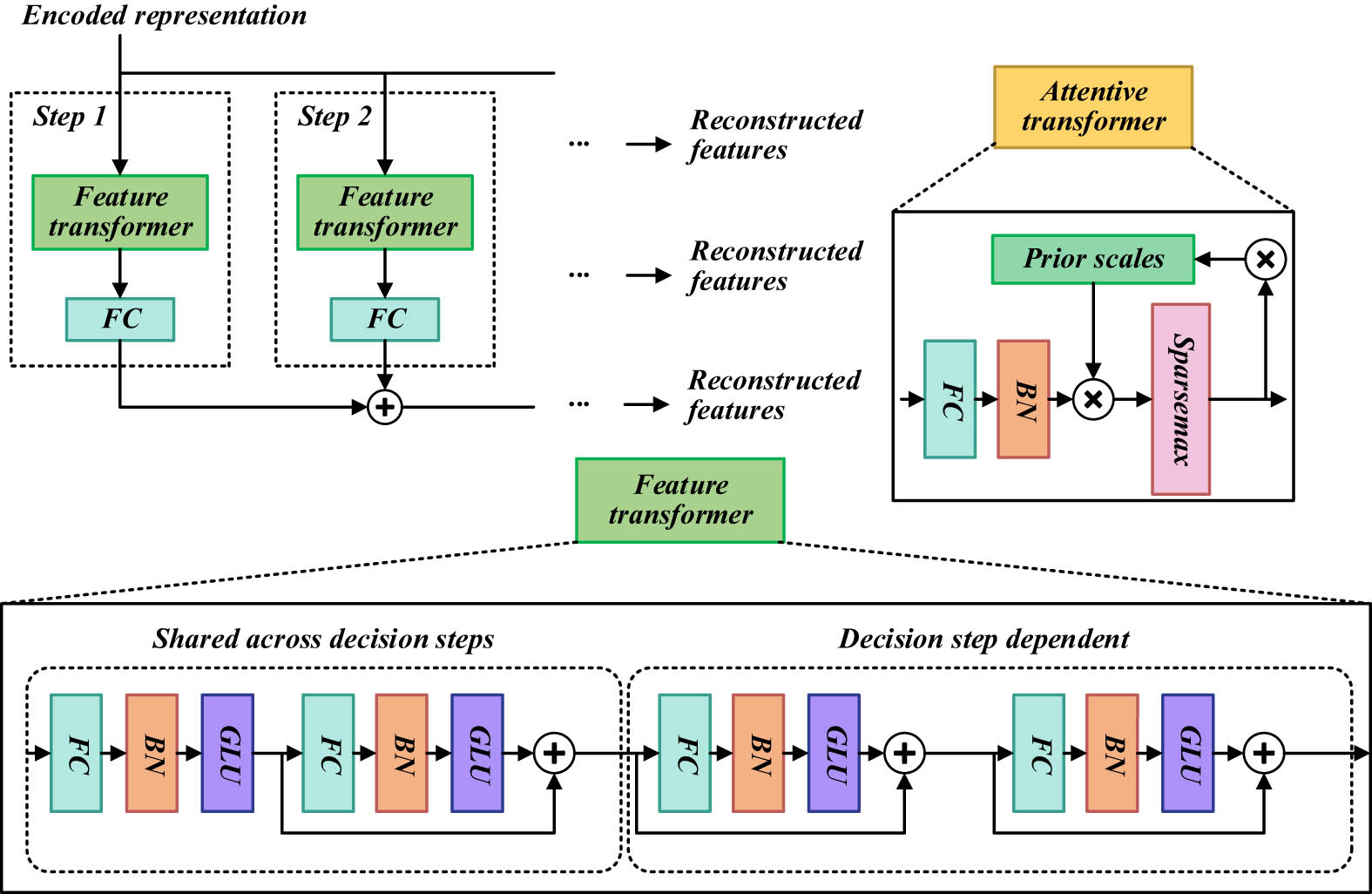
Smart energy system feature extraction architecture.
Figure 2 shows the component structure of the energy system. The Internet of Things is used because it can establish connections between things and share and expand information within the basic Internet framework. Therefore, equipment and facilities can be built and used in terminal operations without restrictions, and related operations can be performed in a fully automated manner. The system operation is realized through functions such as command issuance, parameter analysis, and device control. It has significant technical advantages in analyzing the stability of the power system and achieving a greater degree of shaving. Intelligent IoT network systems, represented by multi device intelligence, are also gradually being established. These will be discussed separately below. The refined model library of smart energy system equipment will help achieve refined and personalized modeling of models [24]. In the context of high approximation simulation, a novel model-driven and data-driven approach is developed. This method integrates both model-based and data-driven techniques to enhance the accuracy and efficiency of energy system simulations. By employing this method, it is possible to achieve component-level and system-level performance prediction and analysis of energy systems under complex working conditions within a virtual environment. The sensor data acquisition formula, as presented in Eq. (1), and the data preprocessing formula, as shown in Eq. (2), form the core of this approach. These formulas are essential for the accurate collection and processing of sensor data, which is crucial for the simulation of energy systems. The sensor data acquisition Eq. (1) defines the relationship between the sensor data and the physical phenomena being measured, while the data preprocessing Eq. (2) outlines the steps involved in transforming the raw sensor data into a format suitable for simulation. Where t is the time, f is the data acquisition operation, D i is the sensor data acquisition information, and g is the data preprocessing process.
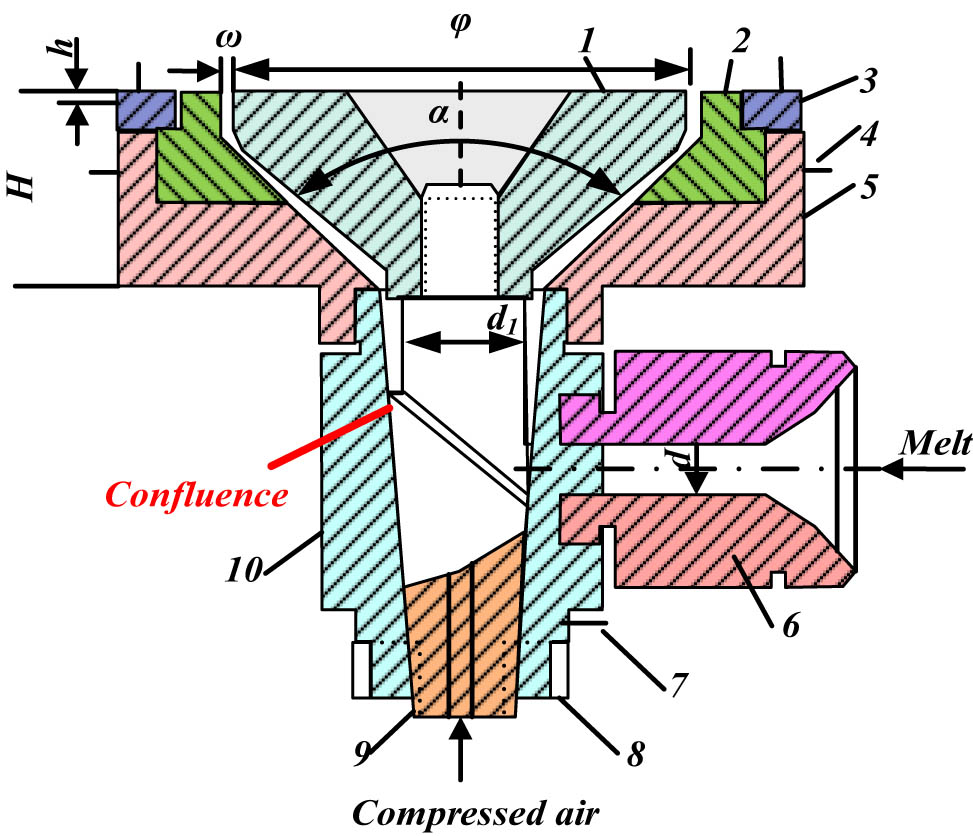
Energy system component construction diagram.
The digital twin model update formula and the interactive interface response time formula are shown in Eqs. (3) and (4). M t is the model state, ΔM is the deviation, T response is the interactive interface response time, and t is the batch time at each moment.
The system energy efficiency evaluation formula and fault detection probability formula are shown in Eqs. (5) and (6). E is the system energy efficiency evaluation factor, and P detect is the fault detection probability.
The data transmission rate formula and system stability evaluation formula are shown in Eqs. (7) and (8). R is the result of data transfer rate, and S stands for system stability.
3.2 Scalable digital twin technology
At present, power mainly relies on solar energy, and other research institutions have conducted research on the extraction of high-voltage electromagnetic energy but found that the effect could be better. Therefore, it is necessary to improve the energy storage capacity at high and low temperatures from a new perspective and optimize the power mode to enhance the power capacity of the entire system [25,26]. Second, monitor the condition of the transformer equipment. The Internet of Things technology is compatible with intelligence in substation configuration. Therefore, in practical application, the intelligent operation and maintenance of power plants should be guided and promoted on this basis. The composition structure is cost-effective, easy to operate, and easy to maintain. The perception layer is mainly reflected in the process layer, so the application layer must correspond to the control layer of the workstation.
Figure 3 shows the feature coding of the smart energy system. The transmission and transformation equipment must undergo real-time inspection of its operating status and perform life testing on relevant key components. Among them, the use of intelligent and automated IoT technology frameworks can continuously rely on updates in computer technology and improvements in corresponding IoT architectures, thereby taking off the functions of intelligent networks on the basis of long-term development. The status detection and related maintenance work of transmission and power transformation equipment in the auxiliary link are mainly based on the perception layer to complete the corresponding programs. Among them, different types of sensors were implemented and installed in towers and other equipment. Collect characteristic parameters of the current transmission line under different working conditions and register and analyze the network through real-time transmission [27]. According to the author’s opinion, online monitoring services for related transmission lines have been able to fully develop high-altitude punctual parameters, such as wind direction deviation monitoring, image and video monitoring, and micrometeorological monitoring.
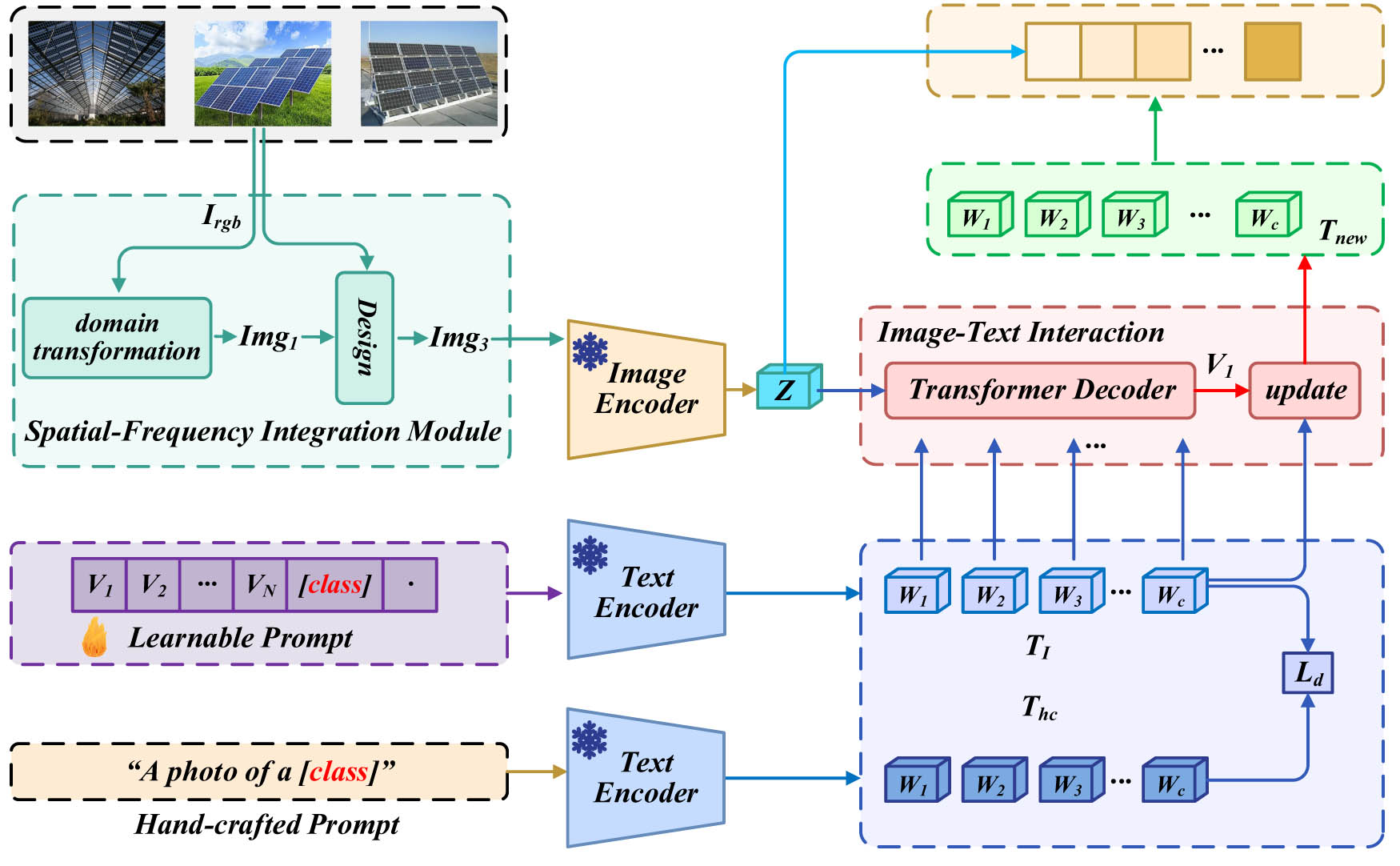
Smart energy system feature coding.
The user satisfaction evaluation formula and the power generation prediction formula of PV power station are shown in Eqs. (9) and (10). U is the user satisfaction score, W is the weight factor, and P forecast is the forecast probability of PV power generation.
The system security evaluation formula and the system cost-benefit analysis formula are shown in Eqs. (11) and (12). The system safety score is A, and the system cost-benefit comparison is C/B.
3.3 Construction of smart PV power station based on digital twin
Smart PV power station realizes comprehensive perception of PV power station through IoT application of PV equipment, supports linkage with business monitoring system, can realize remote visual supervision and intelligent inspection, and assists unified centralized control and management decision of PV power station [28,29]. Digital twin modeling can model and combine the physical entities and scenes of PV power stations in three dimensions through digital twin engines, and can establish and edit power station data such as illumination, irradiance, albedo, horizon shadow, air temperature, etc. It can finely calculate the shadows near PV modules and arrays, carry out visual simulation layout and optimize the scheme, and can also automatically create the wiring model of DC cables.
Smart PV power station realizes comprehensive perception of PV power stations through IoT application of PV equipment, support linkage with business monitoring system, can realize remote visual supervision and intelligent inspection, and assist unified centralized control and management decision of PV power station [28,29]. Digital twin modeling can model and combine the physical entities and scenes of photovoltaic power stations in three dimensions through digital twin engines. It can establish and edit power station data such as illumination, irradiance, albedo, horizon shadow, air temperature, etc. It can finely calculate the shadows near PV modules and arrays, carry out visual simulation layout and optimize the scheme. It can also automatically create the wiring model of DC cables.
The data acquisition method based on global perception includes the use of various sensors and monitoring equipment for real-time and comprehensive data collection of the operating status of PV power stations. At the same time, for the construction and application of digital twin technology, these data are used to establish a virtual model, simulation analysis, and interactive feedback with the actual power station. The design and implementation of an interactive monitoring system include the design of the user interface, the selection of data analysis algorithm and the formulation of a system optimization strategy. Figure 4 is the construction of data binding features. The real data binding can collect data such as running status, system, environment, and electricity quantity of power station equipment based on the Internet of Things and system interface. The collected data are transmitted to the cloud platform through the network and bound to the equipment model corresponding to the digital twin scene for visual display, thus obtaining the real virtual mapping model of the PV power station. The data collected and bound by twin data application can not only realize visual display and dynamic monitoring but also realize equipment status diagnosis, abnormal alarm reminding, production debugging, safety control, remote inspection, defect detection, AI diagnosis and analysis, power generation prediction, and other deep data applications based on digital technology.
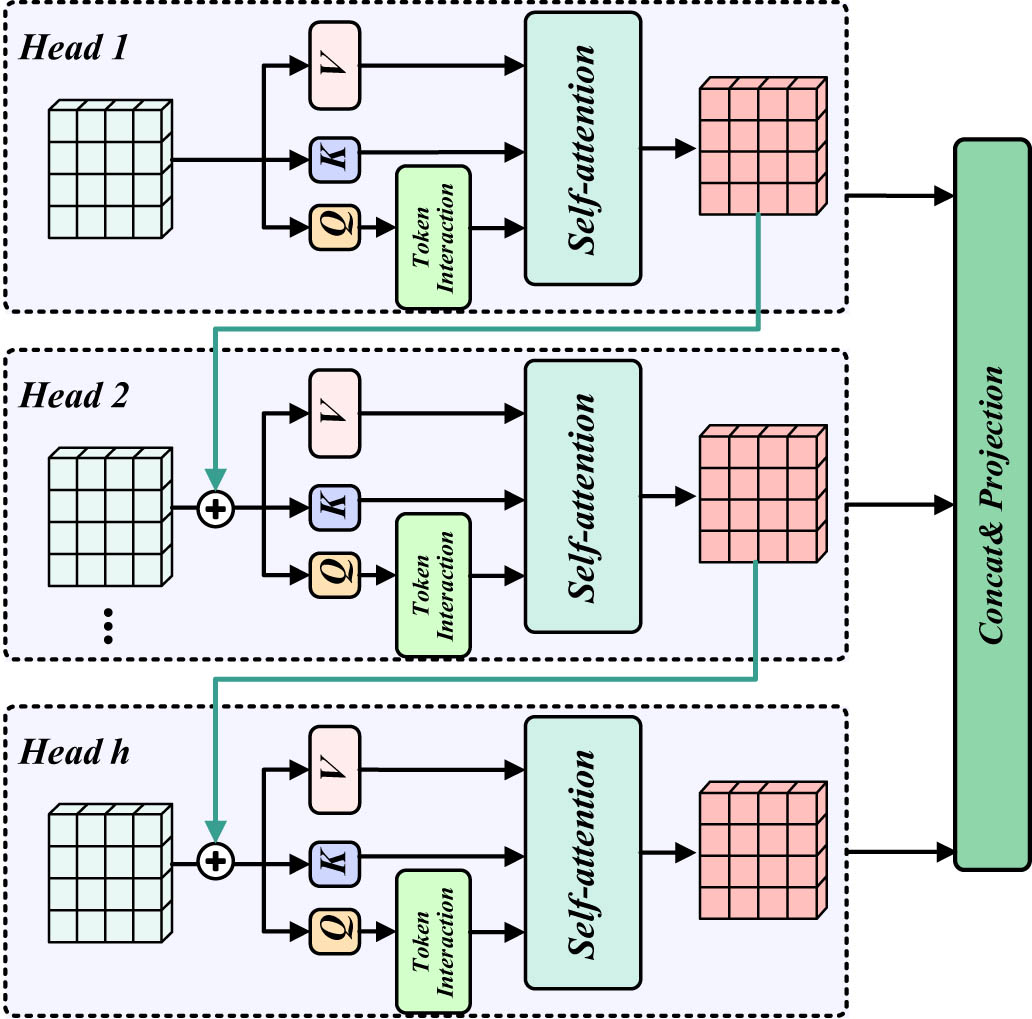
Data binding feature construction.
4 Results analysis
4.1 Requirements analysis of digital twin technology for smart energy system
Some small-scale PV power stations operate in a spontaneous self-use mode, with residual electricity not connected to the grid [30]. This type of PV power station requires the installation of anti-backflow protection devices to avoid transmitting electricity to the grid. PV power plants are relatively small in scale and scattered, making it necessary for managers of PV power plants to manage such plants through cloud platforms. The AcrelCloud-1200 distributed PV operation and maintenance cloud platform software adopts a B/S architecture, and any user with permissions can monitor the operation status of PV power stations distributed in various buildings in the area (such as geographic distribution of power stations, power station information, inverter status, power generation curve, grid connection, current power generation, total power generation, etc.) through a web browser. Using finite element simulation software to construct multi-physical fields, including electricity, heat, magnetism, and force, as well as multi-scale simulation models that reflect historical, real-time, and future effects, supports technical personnel to analyze and evaluate.
Through experiments and application tests, a series of quantitative indexes are obtained to show the performance of the system intuitively. Specifically, when the system monitors the operation status of PV power stations in real-time, the accuracy rate is as high as 98.5%, which is significantly improved compared with traditional monitoring methods. At the same time, in terms of anomaly detection and fault warning, the error rate is controlled within 2%, effectively reducing the situation of false positives and missed alarms. Figure 5 shows the ecological distribution analysis of smart energy. Artificial intelligence algorithms are used to detect and defend against information attacks, thereby enhancing the model's generalization and security protection capabilities. A low-level incremental classifier library for various classification models is constructed, and a classification result integration output module is constructed to achieve accurate detection of data integrity attacks. Asset planning and design based on long-term benefits and multiple factors will reduce the cost of asset lifecycle based on achieving economic benefits. The lifecycle management of power grid assets is aimed at achieving safety management, thus achieving the integration of asset management. Based on China’s basic national conditions, the technical and market characteristics of power grid companies in the industrial market were analyzed by continuously summarizing practical management experience to meet new development needs. In addition, the use of IoT technology can also monitor the panoramic status information of energy equipment and associate its attributes with evaluating its service life, thereby providing more effective auxiliary functions for its cycle cost and other conditions. At the same time, you can effectively relate the lifecycle of energy assets, thereby improving the authenticity and accuracy of equipment diagnosis processes. It is also beneficial for the manufacturing and installation stages of scientific management.
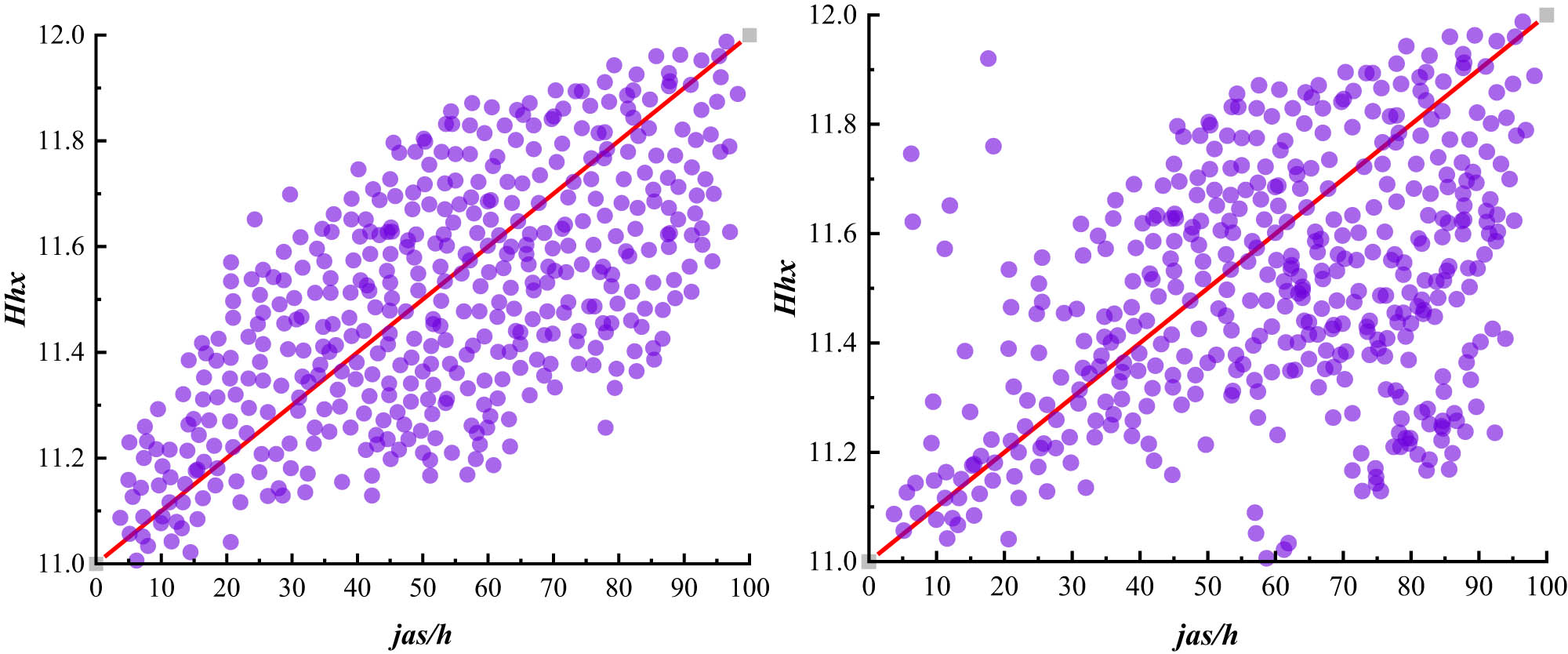
Ecological distribution analysis of smart energy.
In practical applications, IoT technology can collect various information about substation equipment, including environment and testing. By using statistical scientific methods, the current situation and future development factors of equipment were analyzed to form a device risk assessment method based on Internet of Things technology. By using new sensors and other technological means, combined with the state characteristics of energy transmission and conversion equipment, and combining certain theoretical data, an effective evaluation method has been formed, and a complete document has been established.
4.2 Research status and trend analysis of digital twinning technology for smart energy system
The measurement points should be clearly defined before connecting distributed PVs to the distribution network. In addition to considering the boundary points of property rights, the setting of measurement points should also consider the outlet of distributed power sources and the user’s power lines. Each measuring point should be equipped with a bidirectional energy metering device, and its equipment configuration and technical requirements should comply with the relevant provisions of DL/T448 and the requirements of relevant standards and regulations. The electric energy meter adopts intelligent electric energy meters, and its technical performance should meet the relevant standards of State Grid Corporation of China for intelligent electric energy meters. The distributed power metering device used for settlement and assessment should be equipped with collection equipment and connected to the electricity information collection system to achieve remote automatic collection of electricity information. This study proposes a digital twin reference model, which can fully describe the product life cycle at the conceptual level. Through the multi-mode data acquisition method, the production system is coupled with the database, which provides the essential ability of state perception and analysis for digital twinning. Through the digital twin design framework, the concept of a digital twin five-dimensional model is put forward, and the similarities and differences between big data and digital twin technology and how to promote intelligent manufacturing are analyzed from multiple angles. The application of digital twinning technology in various fields has developed rapidly. However, the application of digital twinning technology in the energy industry is mainly in the stage of exploration and verification, both at home and abroad.
Figure 6 presents a comprehensive analysis of energy consumption within the interactive digital twin monitoring system for PV power stations. This analysis is achieved by integrating AI, statistical, and information theory methods to establish a robust security risk assessment admission mechanism. The system’s component model interfaces are visualized and interacted through component properties and graphical interfaces, allowing for a seamless user experience. In PV substations, inverters and multifunctional power metering instruments are installed to collect data. These data are then uploaded to servers through gateways, enabling centralized storage and management. Users have the ability to access the platform through a PC, enabling them to obtain real-time information on the operation status of distributed PV power plants and various inverters. This detailed explanation provides a clearer understanding of the system’s functionality and its role in optimizing energy consumption and security risk assessment within PV power stations.
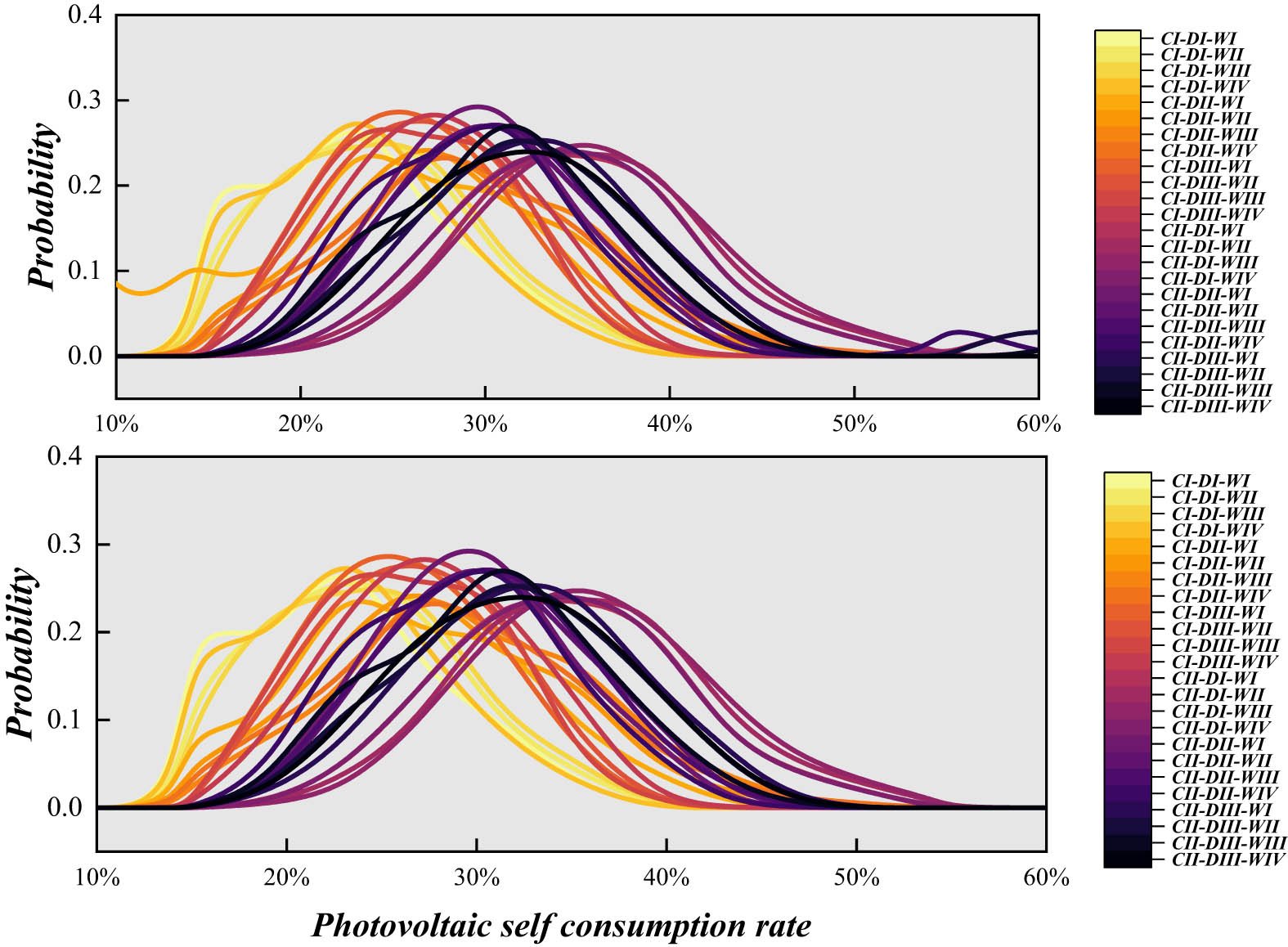
Energy consumption analysis.
4.3 Analysis of difficulties in digital twin technology
The PV array is connected to a string-type PV inverter or connected to the inverter through a combiner box and then connected to the enterprise’s 380 V power grid to achieve spontaneous self-use, and surplus electricity is connected to the grid. Before the 380 V grid connection point, a meter must be installed to measure the PV power generation. At the same time, a bidirectional meter needs to be installed at the connection between the enterprise grid and the public grid to measure the enterprise’s grid-connected electricity. The data should be uploaded to the power supply department’s electricity information collection system for PV power generation subsidies and grid-connected electricity settlement. Some PV power stations require monitoring of the power quality at the grid connection points, including power frequency, power voltage, voltage imbalance, voltage surge/drop/interruption, rapid voltage changes, harmonic/inter harmonic THD, flicker, etc., and separate power quality monitoring devices need to be installed. Some PV power stations operate in a spontaneous self-use mode, with residual electricity not connected to the grid. This type of PV power station requires the installation of anti-backflow protection devices to avoid transmitting electricity to the grid.
In terms of intelligent sensing technology, power sensors mainly obtain local, fragmented, and serial data in function, but their performance cannot meet the requirements of digital twinning full-time and wide-area sensing. In the future, it is necessary to realize miniaturized and high-precision electrical measurement technology and then combine intelligent sensing technologies such as space, mechanics, environment, and chemistry to build digital sensing points covering the multi-dimensional behavior state of the physical power grid. Regarding heterogeneous communication technology, the current wireless technology does not have the capabilities of massive connection, ultra-low power consumption, deep coverage, etc. It cannot meet the massive sensing requirements of the physical power grid. It is still necessary to build an intelligent, ubiquitous, safe, and high-speed power information channel further.
Figure 7 shows the technical analysis of the digital model. In terms of digital model technology, the current digital model of the power grid still cannot establish the three-dimensional digital identification of a single element based on physical ID, assembly relationship, material characteristics, electrical quantity, and other parameters, and cannot accurately reflect the coupling connection relationship of elements, external disturbance response behavior, internal operation rules, energy flow trajectory, information flow transmission relationship, and essential natural laws. In terms of data middle station technology, the data middle station is still under construction at present, so it is necessary to construct the power grid data language system further, establish the relationship model between data, realize the association integration and seamless integration technology of multi-source and multi-dimensional heterogeneous data, and realize the data collaboration and interaction unification. In terms of artificial intelligence technology, subject to the influence of basic disciplines such as mathematics and physics, artificial intelligence technology in the power industry cannot reason and learn the complex operation rules and unknown interrelationships of power grid equipment. It is necessary to establish the feature library and knowledge map of waveform images, operation behaviors, and other factors in the power production business further to improve the ability of auxiliary decision-making.
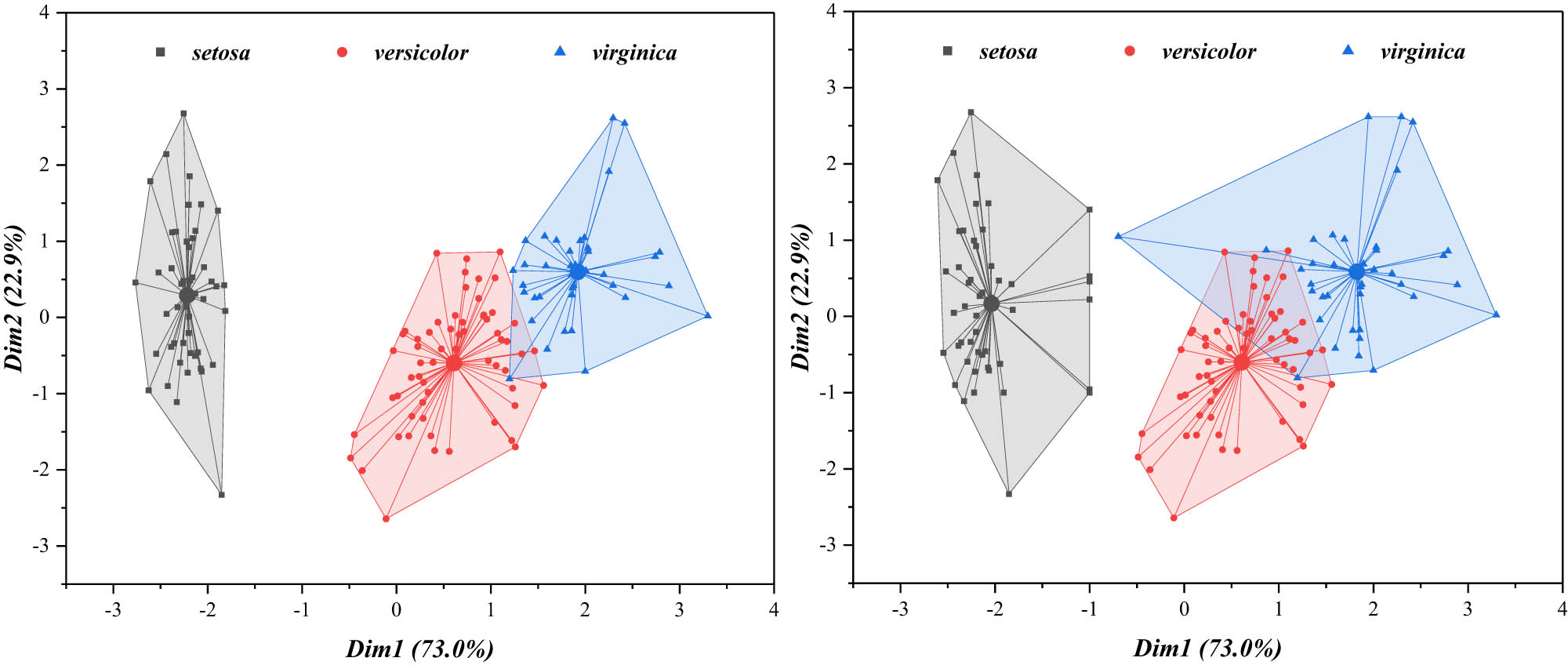
Digital model technical analysis.
5 Summary
The grid connection of PV power stations needs to monitor the power quality of the grid connection, including power frequency, power voltage, voltage imbalance, voltage surge/drop/interruption, rapid voltage changes, harmonic/inter harmonic THD, flicker, etc., and install separate power quality monitoring devices. Digital twin technology can also help us to monitor and manage the whole process of PV power plants. Through digital twin technology, we can monitor the operation of PV power plants in real-time, predict the faults and maintenance requirements of PV power plants, and improve the operation efficiency and reliability of PV power plants. In a word, the application of digital twin technology in PV power generation can help us better understand the performance and operation of PV cells, improve the efficiency and reliability of PV power generation, and realize the whole process monitoring and management of PV with the continuous development and application of digital twin technology, the future of PV power generation will be even better. The future development of the digital twin industry is expected to be very rapid and positive. It is predicted that the global digital twin market will grow at a compound annual growth rate of 37.5% from 2023 to 2030. This research is expected to further optimize the operation and maintenance efficiency of PV power plants, reduce operation and maintenance costs, improve energy efficiency, and promote the sustainable development of the PV industry.
Acknowledgments
This work is grateful for the support provided by China Datang Corporation Science and Technology General Research Institute and the valuable discussions among colleagues.
-
Funding information: Author states no funding involved.
-
Author contribution: Author has accepted responsibility for the entire content of this manuscript and approved its submission.
-
Conflict of interest: Author states no conflict of interest.
-
Data availability statement: All data generated or analyzed during this study are included in this published article.
References
[1] Kim K-T, Kwon J-M, Kwon B-H. Parallel operation of photovoltaic power conditioning system modules for large-scale photovoltaic power generation. IET Power Electron. 2014;7(2):406–17.10.1049/iet-pel.2013.0030Suche in Google Scholar
[2] Liu Q, Liu Q. Research on automatic generation control system of photovoltaic power station based on adaptive PID control algorithm. 2020 IEEE 3rd International Conference on Information Systems and Computer Aided Education (ICISCAE). IEEE; 2020.10.1109/ICISCAE51034.2020.9236877Suche in Google Scholar
[3] Wang P, Wang S, Chi L, Ren X, Wu W, Cheng W. Research and application of the network security monitoring capacity evaluation model of power control system based on AHP and fuzzy comprehensive evaluation. J Phys: Conf Ser. 2022;2246(1):012046.10.1088/1742-6596/2246/1/012046Suche in Google Scholar
[4] Li G, Zhao J, Luo C, Li A. Reaction notes: Research and application of automatic monitoring system for tunnel-surrounding rock measurement based on GIS. Arab J Geosci. 2021;14(24):1.10.1007/s12517-021-09322-2Suche in Google Scholar
[5] Ahn CW, Choi JY, Lee D-H, An J. Adaptive maximum power point tracking algorithm for photovoltaic power systems. IEICE Trans Commun. 2010;E93B(5):1334–7.10.1587/transcom.E93.B.1334Suche in Google Scholar
[6] Pan M, Xing Q, Chai Z, Zhao H, Sun Q, Duan D. Real-time digital twin machine learning-based cost minimization model for renewable-based microgrids consulting industries. Sol Energy. 2023;250:355–67.10.1016/j.solener.2023.01.006Suche in Google Scholar
[7] Alajlan AM, Dang S, Gan Q. Enhanced nighttime power generation and photovoltaic cooling in photovoltaic-thermoelectric hybrid systems. Energy Convers Manag. 2024;22:100580.10.1016/j.ecmx.2024.100580Suche in Google Scholar
[8] Shin JH, Lee S, Lee SJ. Development of 3-dimensional solar photovoltaic simulation system based on digital twin in the smart city. Trans Korean Inst Electr Eng. 2020;69(12):1834–41.10.5370/KIEE.2020.69.12.1834Suche in Google Scholar
[9] Barbie A, Hasselbring W. From digital twins to digital twin prototypes: concepts, formalization, and applications. IEEE Access. 2024;12:75337–65.10.1109/ACCESS.2024.3406510Suche in Google Scholar
[10] Vieira J, Martins JP, de Almeida NM, Patricio H, Morgado J. Reshaping the digital twin construct with levels of digital twinning (LoDT). Appl Syst Innov. 2023;6(6):114.10.3390/asi6060114Suche in Google Scholar
[11] Vodyaho A, Delhibabu R, Ignatov DI, Zhukova N. Run time dynamic digital twins and dynamic digital twins networks. FGCS. 2025;172.10.1016/j.future.2025.107823Suche in Google Scholar
[12] Jiasheng C, Hekun Y, Yao W, Yangkai R, Guang W. The Research and Application of open phase monitoring and protection system in nuclear power plant based on flexible optical current transducer. 2020 12th IEEE PES Asia-Pacific Power and Energy Engineering Conference (APPEEC). IEEE; 2020.10.1109/APPEEC48164.2020.9220691Suche in Google Scholar
[13] Ding B, Liu JW, Wang G, Wang YL, Li WG. Research on state interactive diagnosis and assessment of power cable lines in utility tunnels based on mobile sensing system. 2020 IEEE International Conference on High Voltage Engineering and Application (ICHVE). IEEE; 2020.10.1109/ICHVE49031.2020.9280065Suche in Google Scholar
[14] Algora C, Garcia I, Delgado M, Pena R, Vazquez C, Hinojosa M, et al. Beaming power: Photovoltaic laser power converters for powerby-light. Joule. 2022;6(2):340–68.10.1016/j.joule.2021.11.014Suche in Google Scholar
[15] Hao C, Zhou Y. Research and application of intelligent terminal network performance and problem location method based on user perception. Asia-Pacific Conference on Image Processing, Electronics and Computers. IEEE; 2021.10.1109/IPEC51340.2021.9421132Suche in Google Scholar
[16] El Hendouzi A, Bourouhou A, Ansari O. The importance of distance between photovoltaic power stations for clear accuracy of short-term photovoltaic power forecasting. J Electr Comput Eng. 2020;2020.10.1155/2020/9586707Suche in Google Scholar
[17] Wright L, Davidson S. Digital twins for metrology; metrology for digital twins. Measurement Sci Technol. 2024;35(5) :051001.10.1088/1361-6501/ad2050Suche in Google Scholar
[18] Fathabadi H. Novel solar-powered photovoltaic/thermoelectric hybrid power source. Renew Energy. 2020;146:426–34.10.1016/j.renene.2019.06.141Suche in Google Scholar
[19] Zohdi TI. A machine-learning digital-twin for rapid large-scale solar-thermal energy system design. Computer Methods Appl Mech Eng. 2023;(Jul. 1):412.10.1016/j.cma.2023.115991Suche in Google Scholar
[20] Li Y, Tao Q, Gong Y. Digital twin simulation for integration of blockchain and internet of things for optimal smart management of PV-based connected microgrids. Sol Energy. 2023;251:306–14.10.1016/j.solener.2023.01.013Suche in Google Scholar
[21] Isied RS, Mengi E, Zohdi TI. A digital-twin framework for genomic-based optimization of an agrophotovoltaic greenhouse system. Proc R Soc A Math Phys Eng Sci. 2022;478(2267):20220414.10.1098/rspa.2022.0414Suche in Google Scholar
[22] Hosseinihaghighi SR, Uribarri PMLD, Padsala R, Eicker U. Charactering and constructing urban GIS data for housing stock energy modelling and retrofitting. Energy Build. 2022;256:111706.10.1016/j.enbuild.2021.111706Suche in Google Scholar
[23] Hutzel WJ, Healy WM. Remotely accessed photovoltaic power project. J Eng Technol. 2006;23(1):32–9.Suche in Google Scholar
[24] Saavedra-Pea NE, Darbali-Zamora R, Desarden-Carrero E, Aponte-Bezares E. Towards an islanding detection method using a digital twin concept. IEEE Photovoltaic Specialists Conference. IEEE; 2021.10.1109/PVSC43889.2021.9518940Suche in Google Scholar
[25] Liu S, Ning D, Ma J. TCN former model for photovoltaic power prediction. Appl Sci. 2023;13(4):2593.10.3390/app13042593Suche in Google Scholar
[26] Trancossi M, Cannistraro G, Pascoa J. Thermoelectric and solar heat pump use toward self-sufficient builders: The case of a container house. Therm Sci Eng Prog. 2020;18:100509.10.1016/j.tsep.2020.100509Suche in Google Scholar
[27] Tang X, Ai P, Li Q, Song Y, He X. Creating multi-timescale digital twin models for regional multiple energy systems on CloudPSS. 2020 IEEE Sustainable Power and Energy Conference (iSPEC). IEEE; 2020.10.1109/iSPEC50848.2020.9351175Suche in Google Scholar
[28] Rajaram RS, Babu PK, Victor K, Kandasamy R, Pushpanathan G, Sivakumar V, et al. Fuzzy logic-based power optimizer for solar photovoltaic power systems. Pertanika J Sci Technol. 2024;32:93–110.10.47836/pjst.32.S1.06Suche in Google Scholar
[29] Zhongzheng T, Yangzi S, Silong W. Design of power production safety monitoring system based on intelligent Internet of Things. 2019 International Conference on Smart Grid and Electronic Automation (ICSGEA); 2019.10.1109/ICSGEA.2019.00025Suche in Google Scholar
[30] Repak M, Otcenasova A, Altus J, Regula M. Grid-tie power converter for model of photovoltaic power plant. IEEE Trans Power Syst. 2017;99(4):1377–91.10.1007/s00202-017-0611-6Suche in Google Scholar
© 2025 the author(s), published by De Gruyter
This work is licensed under the Creative Commons Attribution 4.0 International License.
Artikel in diesem Heft
- Research Articles
- Generalized (ψ,φ)-contraction to investigate Volterra integral inclusions and fractal fractional PDEs in super-metric space with numerical experiments
- Solitons in ultrasound imaging: Exploring applications and enhancements via the Westervelt equation
- Stochastic improved Simpson for solving nonlinear fractional-order systems using product integration rules
- Exploring dynamical features like bifurcation assessment, sensitivity visualization, and solitary wave solutions of the integrable Akbota equation
- Research on surface defect detection method and optimization of paper-plastic composite bag based on improved combined segmentation algorithm
- Impact the sulphur content in Iraqi crude oil on the mechanical properties and corrosion behaviour of carbon steel in various types of API 5L pipelines and ASTM 106 grade B
- Unravelling quiescent optical solitons: An exploration of the complex Ginzburg–Landau equation with nonlinear chromatic dispersion and self-phase modulation
- Perturbation-iteration approach for fractional-order logistic differential equations
- Variational formulations for the Euler and Navier–Stokes systems in fluid mechanics and related models
- Rotor response to unbalanced load and system performance considering variable bearing profile
- DeepFowl: Disease prediction from chicken excreta images using deep learning
- Channel flow of Ellis fluid due to cilia motion
- A case study of fractional-order varicella virus model to nonlinear dynamics strategy for control and prevalence
- Multi-point estimation weldment recognition and estimation of pose with data-driven robotics design
- Analysis of Hall current and nonuniform heating effects on magneto-convection between vertically aligned plates under the influence of electric and magnetic fields
- A comparative study on residual power series method and differential transform method through the time-fractional telegraph equation
- Insights from the nonlinear Schrödinger–Hirota equation with chromatic dispersion: Dynamics in fiber–optic communication
- Mathematical analysis of Jeffrey ferrofluid on stretching surface with the Darcy–Forchheimer model
- Exploring the interaction between lump, stripe and double-stripe, and periodic wave solutions of the Konopelchenko–Dubrovsky–Kaup–Kupershmidt system
- Computational investigation of tuberculosis and HIV/AIDS co-infection in fuzzy environment
- Signature verification by geometry and image processing
- Theoretical and numerical approach for quantifying sensitivity to system parameters of nonlinear systems
- Chaotic behaviors, stability, and solitary wave propagations of M-fractional LWE equation in magneto-electro-elastic circular rod
- Dynamic analysis and optimization of syphilis spread: Simulations, integrating treatment and public health interventions
- Visco-thermoelastic rectangular plate under uniform loading: A study of deflection
- Threshold dynamics and optimal control of an epidemiological smoking model
- Numerical computational model for an unsteady hybrid nanofluid flow in a porous medium past an MHD rotating sheet
- Regression prediction model of fabric brightness based on light and shadow reconstruction of layered images
- Dynamics and prevention of gemini virus infection in red chili crops studied with generalized fractional operator: Analysis and modeling
- Qualitative analysis on existence and stability of nonlinear fractional dynamic equations on time scales
- Fractional-order super-twisting sliding mode active disturbance rejection control for electro-hydraulic position servo systems
- Analytical exploration and parametric insights into optical solitons in magneto-optic waveguides: Advances in nonlinear dynamics for applied sciences
- Bifurcation dynamics and optical soliton structures in the nonlinear Schrödinger–Bopp–Podolsky system
- User profiling in university libraries by combining multi-perspective clustering algorithm and reader behavior analysis
- Review Article
- Haar wavelet collocation method for existence and numerical solutions of fourth-order integro-differential equations with bounded coefficients
- Special Issue: Nonlinear Analysis and Design of Communication Networks for IoT Applications - Part II
- Silicon-based all-optical wavelength converter for on-chip optical interconnection
- Research on a path-tracking control system of unmanned rollers based on an optimization algorithm and real-time feedback
- Analysis of the sports action recognition model based on the LSTM recurrent neural network
- Industrial robot trajectory error compensation based on enhanced transfer convolutional neural networks
- Research on IoT network performance prediction model of power grid warehouse based on nonlinear GA-BP neural network
- Interactive recommendation of social network communication between cities based on GNN and user preferences
- Application of improved P-BEM in time varying channel prediction in 5G high-speed mobile communication system
- Construction of a BIM smart building collaborative design model combining the Internet of Things
- Optimizing malicious website prediction: An advanced XGBoost-based machine learning model
- Economic operation analysis of the power grid combining communication network and distributed optimization algorithm
- Sports video temporal action detection technology based on an improved MSST algorithm
- Internet of things data security and privacy protection based on improved federated learning
- Enterprise power emission reduction technology based on the LSTM–SVM model
- Construction of multi-style face models based on artistic image generation algorithms
- Research and application of interactive digital twin monitoring system for photovoltaic power station based on global perception
- Special Issue: Decision and Control in Nonlinear Systems - Part II
- Animation video frame prediction based on ConvGRU fine-grained synthesis flow
- Application of GGNN inference propagation model for martial art intensity evaluation
- Benefit evaluation of building energy-saving renovation projects based on BWM weighting method
- Deep neural network application in real-time economic dispatch and frequency control of microgrids
- Real-time force/position control of soft growing robots: A data-driven model predictive approach
- Mechanical product design and manufacturing system based on CNN and server optimization algorithm
- Application of finite element analysis in the formal analysis of ancient architectural plaque section
- Research on territorial spatial planning based on data mining and geographic information visualization
- Fault diagnosis of agricultural sprinkler irrigation machinery equipment based on machine vision
- Closure technology of large span steel truss arch bridge with temporarily fixed edge supports
- Intelligent accounting question-answering robot based on a large language model and knowledge graph
- Analysis of manufacturing and retailer blockchain decision based on resource recyclability
- Flexible manufacturing workshop mechanical processing and product scheduling algorithm based on MES
- Exploration of indoor environment perception and design model based on virtual reality technology
- Tennis automatic ball-picking robot based on image object detection and positioning technology
- A new CNN deep learning model for computer-intelligent color matching
- Design of AR-based general computer technology experiment demonstration platform
- Indoor environment monitoring method based on the fusion of audio recognition and video patrol features
- Health condition prediction method of the computer numerical control machine tool parts by ensembling digital twins and improved LSTM networks
- Establishment of a green degree evaluation model for wall materials based on lifecycle
- Quantitative evaluation of college music teaching pronunciation based on nonlinear feature extraction
- Multi-index nonlinear robust virtual synchronous generator control method for microgrid inverters
- Manufacturing engineering production line scheduling management technology integrating availability constraints and heuristic rules
- Analysis of digital intelligent financial audit system based on improved BiLSTM neural network
- Attention community discovery model applied to complex network information analysis
- A neural collaborative filtering recommendation algorithm based on attention mechanism and contrastive learning
- Rehabilitation training method for motor dysfunction based on video stream matching
- Research on façade design for cold-region buildings based on artificial neural networks and parametric modeling techniques
- Intelligent implementation of muscle strain identification algorithm in Mi health exercise induced waist muscle strain
- Optimization design of urban rainwater and flood drainage system based on SWMM
- Improved GA for construction progress and cost management in construction projects
- Evaluation and prediction of SVM parameters in engineering cost based on random forest hybrid optimization
- Museum intelligent warning system based on wireless data module
- Optimization design and research of mechatronics based on torque motor control algorithm
- Special Issue: Nonlinear Engineering’s significance in Materials Science
- Experimental research on the degradation of chemical industrial wastewater by combined hydrodynamic cavitation based on nonlinear dynamic model
- Study on low-cycle fatigue life of nickel-based superalloy GH4586 at various temperatures
- Some results of solutions to neutral stochastic functional operator-differential equations
- Ultrasonic cavitation did not occur in high-pressure CO2 liquid
- Research on the performance of a novel type of cemented filler material for coal mine opening and filling
- Testing of recycled fine aggregate concrete’s mechanical properties using recycled fine aggregate concrete and research on technology for highway construction
- A modified fuzzy TOPSIS approach for the condition assessment of existing bridges
- Nonlinear structural and vibration analysis of straddle monorail pantograph under random excitations
- Achieving high efficiency and stability in blue OLEDs: Role of wide-gap hosts and emitter interactions
- Construction of teaching quality evaluation model of online dance teaching course based on improved PSO-BPNN
- Enhanced electrical conductivity and electromagnetic shielding properties of multi-component polymer/graphite nanocomposites prepared by solid-state shear milling
- Optimization of thermal characteristics of buried composite phase-change energy storage walls based on nonlinear engineering methods
- A higher-performance big data-based movie recommendation system
- Nonlinear impact of minimum wage on labor employment in China
- Nonlinear comprehensive evaluation method based on information entropy and discrimination optimization
- Application of numerical calculation methods in stability analysis of pile foundation under complex foundation conditions
- Research on the contribution of shale gas development and utilization in Sichuan Province to carbon peak based on the PSA process
- Characteristics of tight oil reservoirs and their impact on seepage flow from a nonlinear engineering perspective
- Nonlinear deformation decomposition and mode identification of plane structures via orthogonal theory
- Numerical simulation of damage mechanism in rock with cracks impacted by self-excited pulsed jet based on SPH-FEM coupling method: The perspective of nonlinear engineering and materials science
- Cross-scale modeling and collaborative optimization of ethanol-catalyzed coupling to produce C4 olefins: Nonlinear modeling and collaborative optimization strategies
- Unequal width T-node stress concentration factor analysis of stiffened rectangular steel pipe concrete
- Special Issue: Advances in Nonlinear Dynamics and Control
- Development of a cognitive blood glucose–insulin control strategy design for a nonlinear diabetic patient model
- Big data-based optimized model of building design in the context of rural revitalization
- Multi-UAV assisted air-to-ground data collection for ground sensors with unknown positions
- Design of urban and rural elderly care public areas integrating person-environment fit theory
- Application of lossless signal transmission technology in piano timbre recognition
- Application of improved GA in optimizing rural tourism routes
- Architectural animation generation system based on AL-GAN algorithm
- Advanced sentiment analysis in online shopping: Implementing LSTM models analyzing E-commerce user sentiments
- Intelligent recommendation algorithm for piano tracks based on the CNN model
- Visualization of large-scale user association feature data based on a nonlinear dimensionality reduction method
- Low-carbon economic optimization of microgrid clusters based on an energy interaction operation strategy
- Optimization effect of video data extraction and search based on Faster-RCNN hybrid model on intelligent information systems
- Construction of image segmentation system combining TC and swarm intelligence algorithm
- Particle swarm optimization and fuzzy C-means clustering algorithm for the adhesive layer defect detection
- Optimization of student learning status by instructional intervention decision-making techniques incorporating reinforcement learning
- Fuzzy model-based stabilization control and state estimation of nonlinear systems
- Optimization of distribution network scheduling based on BA and photovoltaic uncertainty
- Tai Chi movement segmentation and recognition on the grounds of multi-sensor data fusion and the DBSCAN algorithm
- Special Issue: Dynamic Engineering and Control Methods for the Nonlinear Systems - Part III
- Generalized numerical RKM method for solving sixth-order fractional partial differential equations
Artikel in diesem Heft
- Research Articles
- Generalized (ψ,φ)-contraction to investigate Volterra integral inclusions and fractal fractional PDEs in super-metric space with numerical experiments
- Solitons in ultrasound imaging: Exploring applications and enhancements via the Westervelt equation
- Stochastic improved Simpson for solving nonlinear fractional-order systems using product integration rules
- Exploring dynamical features like bifurcation assessment, sensitivity visualization, and solitary wave solutions of the integrable Akbota equation
- Research on surface defect detection method and optimization of paper-plastic composite bag based on improved combined segmentation algorithm
- Impact the sulphur content in Iraqi crude oil on the mechanical properties and corrosion behaviour of carbon steel in various types of API 5L pipelines and ASTM 106 grade B
- Unravelling quiescent optical solitons: An exploration of the complex Ginzburg–Landau equation with nonlinear chromatic dispersion and self-phase modulation
- Perturbation-iteration approach for fractional-order logistic differential equations
- Variational formulations for the Euler and Navier–Stokes systems in fluid mechanics and related models
- Rotor response to unbalanced load and system performance considering variable bearing profile
- DeepFowl: Disease prediction from chicken excreta images using deep learning
- Channel flow of Ellis fluid due to cilia motion
- A case study of fractional-order varicella virus model to nonlinear dynamics strategy for control and prevalence
- Multi-point estimation weldment recognition and estimation of pose with data-driven robotics design
- Analysis of Hall current and nonuniform heating effects on magneto-convection between vertically aligned plates under the influence of electric and magnetic fields
- A comparative study on residual power series method and differential transform method through the time-fractional telegraph equation
- Insights from the nonlinear Schrödinger–Hirota equation with chromatic dispersion: Dynamics in fiber–optic communication
- Mathematical analysis of Jeffrey ferrofluid on stretching surface with the Darcy–Forchheimer model
- Exploring the interaction between lump, stripe and double-stripe, and periodic wave solutions of the Konopelchenko–Dubrovsky–Kaup–Kupershmidt system
- Computational investigation of tuberculosis and HIV/AIDS co-infection in fuzzy environment
- Signature verification by geometry and image processing
- Theoretical and numerical approach for quantifying sensitivity to system parameters of nonlinear systems
- Chaotic behaviors, stability, and solitary wave propagations of M-fractional LWE equation in magneto-electro-elastic circular rod
- Dynamic analysis and optimization of syphilis spread: Simulations, integrating treatment and public health interventions
- Visco-thermoelastic rectangular plate under uniform loading: A study of deflection
- Threshold dynamics and optimal control of an epidemiological smoking model
- Numerical computational model for an unsteady hybrid nanofluid flow in a porous medium past an MHD rotating sheet
- Regression prediction model of fabric brightness based on light and shadow reconstruction of layered images
- Dynamics and prevention of gemini virus infection in red chili crops studied with generalized fractional operator: Analysis and modeling
- Qualitative analysis on existence and stability of nonlinear fractional dynamic equations on time scales
- Fractional-order super-twisting sliding mode active disturbance rejection control for electro-hydraulic position servo systems
- Analytical exploration and parametric insights into optical solitons in magneto-optic waveguides: Advances in nonlinear dynamics for applied sciences
- Bifurcation dynamics and optical soliton structures in the nonlinear Schrödinger–Bopp–Podolsky system
- User profiling in university libraries by combining multi-perspective clustering algorithm and reader behavior analysis
- Review Article
- Haar wavelet collocation method for existence and numerical solutions of fourth-order integro-differential equations with bounded coefficients
- Special Issue: Nonlinear Analysis and Design of Communication Networks for IoT Applications - Part II
- Silicon-based all-optical wavelength converter for on-chip optical interconnection
- Research on a path-tracking control system of unmanned rollers based on an optimization algorithm and real-time feedback
- Analysis of the sports action recognition model based on the LSTM recurrent neural network
- Industrial robot trajectory error compensation based on enhanced transfer convolutional neural networks
- Research on IoT network performance prediction model of power grid warehouse based on nonlinear GA-BP neural network
- Interactive recommendation of social network communication between cities based on GNN and user preferences
- Application of improved P-BEM in time varying channel prediction in 5G high-speed mobile communication system
- Construction of a BIM smart building collaborative design model combining the Internet of Things
- Optimizing malicious website prediction: An advanced XGBoost-based machine learning model
- Economic operation analysis of the power grid combining communication network and distributed optimization algorithm
- Sports video temporal action detection technology based on an improved MSST algorithm
- Internet of things data security and privacy protection based on improved federated learning
- Enterprise power emission reduction technology based on the LSTM–SVM model
- Construction of multi-style face models based on artistic image generation algorithms
- Research and application of interactive digital twin monitoring system for photovoltaic power station based on global perception
- Special Issue: Decision and Control in Nonlinear Systems - Part II
- Animation video frame prediction based on ConvGRU fine-grained synthesis flow
- Application of GGNN inference propagation model for martial art intensity evaluation
- Benefit evaluation of building energy-saving renovation projects based on BWM weighting method
- Deep neural network application in real-time economic dispatch and frequency control of microgrids
- Real-time force/position control of soft growing robots: A data-driven model predictive approach
- Mechanical product design and manufacturing system based on CNN and server optimization algorithm
- Application of finite element analysis in the formal analysis of ancient architectural plaque section
- Research on territorial spatial planning based on data mining and geographic information visualization
- Fault diagnosis of agricultural sprinkler irrigation machinery equipment based on machine vision
- Closure technology of large span steel truss arch bridge with temporarily fixed edge supports
- Intelligent accounting question-answering robot based on a large language model and knowledge graph
- Analysis of manufacturing and retailer blockchain decision based on resource recyclability
- Flexible manufacturing workshop mechanical processing and product scheduling algorithm based on MES
- Exploration of indoor environment perception and design model based on virtual reality technology
- Tennis automatic ball-picking robot based on image object detection and positioning technology
- A new CNN deep learning model for computer-intelligent color matching
- Design of AR-based general computer technology experiment demonstration platform
- Indoor environment monitoring method based on the fusion of audio recognition and video patrol features
- Health condition prediction method of the computer numerical control machine tool parts by ensembling digital twins and improved LSTM networks
- Establishment of a green degree evaluation model for wall materials based on lifecycle
- Quantitative evaluation of college music teaching pronunciation based on nonlinear feature extraction
- Multi-index nonlinear robust virtual synchronous generator control method for microgrid inverters
- Manufacturing engineering production line scheduling management technology integrating availability constraints and heuristic rules
- Analysis of digital intelligent financial audit system based on improved BiLSTM neural network
- Attention community discovery model applied to complex network information analysis
- A neural collaborative filtering recommendation algorithm based on attention mechanism and contrastive learning
- Rehabilitation training method for motor dysfunction based on video stream matching
- Research on façade design for cold-region buildings based on artificial neural networks and parametric modeling techniques
- Intelligent implementation of muscle strain identification algorithm in Mi health exercise induced waist muscle strain
- Optimization design of urban rainwater and flood drainage system based on SWMM
- Improved GA for construction progress and cost management in construction projects
- Evaluation and prediction of SVM parameters in engineering cost based on random forest hybrid optimization
- Museum intelligent warning system based on wireless data module
- Optimization design and research of mechatronics based on torque motor control algorithm
- Special Issue: Nonlinear Engineering’s significance in Materials Science
- Experimental research on the degradation of chemical industrial wastewater by combined hydrodynamic cavitation based on nonlinear dynamic model
- Study on low-cycle fatigue life of nickel-based superalloy GH4586 at various temperatures
- Some results of solutions to neutral stochastic functional operator-differential equations
- Ultrasonic cavitation did not occur in high-pressure CO2 liquid
- Research on the performance of a novel type of cemented filler material for coal mine opening and filling
- Testing of recycled fine aggregate concrete’s mechanical properties using recycled fine aggregate concrete and research on technology for highway construction
- A modified fuzzy TOPSIS approach for the condition assessment of existing bridges
- Nonlinear structural and vibration analysis of straddle monorail pantograph under random excitations
- Achieving high efficiency and stability in blue OLEDs: Role of wide-gap hosts and emitter interactions
- Construction of teaching quality evaluation model of online dance teaching course based on improved PSO-BPNN
- Enhanced electrical conductivity and electromagnetic shielding properties of multi-component polymer/graphite nanocomposites prepared by solid-state shear milling
- Optimization of thermal characteristics of buried composite phase-change energy storage walls based on nonlinear engineering methods
- A higher-performance big data-based movie recommendation system
- Nonlinear impact of minimum wage on labor employment in China
- Nonlinear comprehensive evaluation method based on information entropy and discrimination optimization
- Application of numerical calculation methods in stability analysis of pile foundation under complex foundation conditions
- Research on the contribution of shale gas development and utilization in Sichuan Province to carbon peak based on the PSA process
- Characteristics of tight oil reservoirs and their impact on seepage flow from a nonlinear engineering perspective
- Nonlinear deformation decomposition and mode identification of plane structures via orthogonal theory
- Numerical simulation of damage mechanism in rock with cracks impacted by self-excited pulsed jet based on SPH-FEM coupling method: The perspective of nonlinear engineering and materials science
- Cross-scale modeling and collaborative optimization of ethanol-catalyzed coupling to produce C4 olefins: Nonlinear modeling and collaborative optimization strategies
- Unequal width T-node stress concentration factor analysis of stiffened rectangular steel pipe concrete
- Special Issue: Advances in Nonlinear Dynamics and Control
- Development of a cognitive blood glucose–insulin control strategy design for a nonlinear diabetic patient model
- Big data-based optimized model of building design in the context of rural revitalization
- Multi-UAV assisted air-to-ground data collection for ground sensors with unknown positions
- Design of urban and rural elderly care public areas integrating person-environment fit theory
- Application of lossless signal transmission technology in piano timbre recognition
- Application of improved GA in optimizing rural tourism routes
- Architectural animation generation system based on AL-GAN algorithm
- Advanced sentiment analysis in online shopping: Implementing LSTM models analyzing E-commerce user sentiments
- Intelligent recommendation algorithm for piano tracks based on the CNN model
- Visualization of large-scale user association feature data based on a nonlinear dimensionality reduction method
- Low-carbon economic optimization of microgrid clusters based on an energy interaction operation strategy
- Optimization effect of video data extraction and search based on Faster-RCNN hybrid model on intelligent information systems
- Construction of image segmentation system combining TC and swarm intelligence algorithm
- Particle swarm optimization and fuzzy C-means clustering algorithm for the adhesive layer defect detection
- Optimization of student learning status by instructional intervention decision-making techniques incorporating reinforcement learning
- Fuzzy model-based stabilization control and state estimation of nonlinear systems
- Optimization of distribution network scheduling based on BA and photovoltaic uncertainty
- Tai Chi movement segmentation and recognition on the grounds of multi-sensor data fusion and the DBSCAN algorithm
- Special Issue: Dynamic Engineering and Control Methods for the Nonlinear Systems - Part III
- Generalized numerical RKM method for solving sixth-order fractional partial differential equations
