Core muscle strength and stability-oriented breathing training reduces inter-recti distance in postpartum women
-
Chao Chen
 ,
Hua-ping He
,
Hua-ping He

Abstract
Objective
The aim of this study was to examine the impact of stability-focused core muscle strength training coupled with respiratory techniques on diminishing the inter-recti distance (IRD) among postpartum women.
Methods
A total of 106 women diagnosed with diastasis recti abdominis within 42 days following delivery were 1:1 randomly allocated into a control group (n = 53) and an intervention group (n = 53). Both groups underwent standard postpartum follow-up care and independently pursued self-directed rehabilitation exercises. Additionally, the intervention group commenced a 6-week program of core muscle strength stability-oriented breathing training 42 days postpartum. Measurements of IRD were taken both pre- and post-intervention.
Results
Prior to the intervention, no statistically significant difference in IRD was observed between the two groups (P > 0.05). Subsequent to the intervention, notable reductions in IRD measurements were evident above, at the level of, and below the umbilicus in both groups compared to baseline measurements (intervention group: P < 0.001 at all measured points; control group: P = 0.035 above the umbilicus, P < 0.001 at the level of, and below the umbilicus). However, the intervention group exhibited a more pronounced decrease in IRD at all measured points when compared to the control group, demonstrating statistical significance with P = 0.000.
Conclusion
Core muscle strength stability-oriented breathing training demonstrates efficacy in reducing IRD among postpartum women.
1 Introduction
Diastasis recti abdominis (DRA) is characterized by the parting of the rectus abdominis muscles along the linea alba, with the gap exceeding 2 cm [1]. Patients diagnosed with DRA often experience abdominal laxity and protrusion following its onset. This condition not only compromises aesthetic appearance but also undermines spinal stability, precipitating lower back discomfort, and impeding trunk rotation capabilities [2]. Furthermore, it exerts additional pressure on the pelvic floor, potentially disrupting the physiological functions of pelvic floor organs leading to pelvic organ prolapse, thereby impacting the normal functioning of the abdominal wall [3,4]. In severe instances, DRA may cause abdominal herniation [5]. Left untreated or without appropriate exercise, DRA may manifest in approximately 50–60% of cases 6 weeks postpartum and in 39–45% of cases after 6 months [6]. Spontaneous recovery of DRA is rare, and noticeable improvement typically requires therapeutic intervention. Failure to promptly and effectively address DRA may lead to enduring functional impairment stemming from the separation of the rectus abdominis muscles [7]. Therefore, timely intervention following childbirth is imperative not only for enhancing the physical appearance of postpartum women but also for preventing secondary diseases.
According to the latest guideline, physiotherapy is the firsthand treatment for DRA [8]. However, there is currently very low-quality scientific evidence to recommend specific training programs in the treatment of DRA postpartum [9]. Respiratory rehabilitation training (RRT) is mainly used for the rehabilitation of respiratory system diseases. In recent years, the application of RRT in postpartum rehabilitation and other fields has been increasing. Among them, core muscle strength and stability-oriented breathing training may solve the problem of DRA from a mechanistic perspective by combining respiratory training with aerobic training, muscle strength, endurance training, etc. First, the internal core muscle group of the human abdomen includes the diaphragm above, pelvic floor muscles below, multifidus muscle behind, and transverse abdominis muscle on the anterior side. These muscles work together to maintain intra-abdominal pressure and trunk stability [10]. The diaphragm is the main respiratory muscle in the human body, but due to the compression of the fetus, the diaphragm in pregnant women cannot fully exert its function, leading to compensation by the auxiliary respiratory muscle, which in turn causes the function of the diaphragm to degrade to a certain extent, and the stability of the abdominal core muscle group decreases. Therefore, to restore the stability of abdominal core muscle strength, the first step is to strengthen the diaphragm. Second, to maintain the stability of the sagittal posture during pregnancy, the lumbar lordosis angle of pregnant women will adaptively increase, and the abdomen will present a “scissor opening” posture, causing the transverse abdominal muscle to be excessively stretched for a long time, resulting in a decrease in muscle strength [11,12].
In this study, we applied core stabilization exercises to the participation. Because the ribs, linea alba, and thoracolumbar fascia can all be stabilized by bilateral activation of the transversus abdominis. We aimed to assess the clinical efficacy of core muscle strength stability-oriented breathing training and explore whether it can have a positive effect on enhancing IRD among postpartum women.
2 Study participants and methods
2.1 General information
Postpartum women diagnosed with DRA 42 days subsequent to delivery were identified and selected at the Shanghai Pudong New Area Tangzhen Community Health Service Center from June 2021 to October 2022.
Diagnostic criteria: The diagnosis was made using the manual measurement method with an error margin of 0.1–0.5 cm, where patients were positioned in a supine position with knees bent at 90° and the soles of their feet flat on the ground [13]. During measurement, an abdominal curl exercise posture was maintained by the patients. Measurements were taken at the linea alba at the level of the umbilicus, 2 cm above the umbilicus, and 2 cm below the umbilicus. DRA was diagnosed if an IRD greater than 2 cm was observed at one or more of these locations.
Inclusion criteria: (1) A postpartum period ranging from 42 to 49 days; (2) age falling within the range of 20–40 years; (3) presence of DRA exceeding 2 cm; (4) pelvic floor muscle strength at level 3 or higher; (5) absence of prior treatment or exercise guidance received before this intervention; and (6) agree to participate in this study after explanation.
Exclusion criteria: (1) Patients with severe somatic diseases; (2) those experiencing significant impairment in organ function; (3) patients with psychiatric or cognitive impairments; and (4) patients diagnosed with malignant tumors.
Dropout criteria: (1) Individuals with changes in health status during the study period; (2) adverse reactions occurred during the study period; and (3) those who withdrew midway.
Sample size: According to the design of a differential test for two parallel controlled clinical trials, the clinical efficacy of postpartum female rectus abdominis muscle separation treatment was used as the evaluation endpoint. Based on literature review, ρ 1 = 0.75, ρ 2 = 0.90, δ = 0.15, α = 0.05, and β = 0.10 were taken, then bilateral Z 1−α/2 = 1.96, Z 1−β = 1.282. The calculated sample size is 46 cases, and based on a 15% dropout rate, the required sample size is 53 cases. The total required sample size for the two groups is 106 cases. The sample size formula is as follows:
This study used a single-blind method, with blinding for data collection, summarization, and statistical personnel but not for participants and intervention teams. A random number table was generated using SPSS 21.0 statistical software and the study participants were randomly divided into two groups. The control group (n = 53) underwent routine postpartum follow-up and engaged in self-directed rehabilitation training, which consisted of the following: (1) kneeling abdominal training: the body was supported with straight arms and legs, forming a 90-degree angle with the ground and between the shoulders and hips. Participants were instructed to maintain a straight back and waist, inhale while relaxing the abdomen, and exhale while forcefully contracting the abdomen inward and upward. This exercise comprised 10–15 repetitions per set, with 2 sets performed daily. (2) Standing abdominal training: participants stood upright with their backs against a wall, approximately 30 cm away. During inhalation, the lumbar spine was pressed against the wall, and the abdominal muscles were drawn in as much as possible. Upon exhalation, the body returned to its original position. This exercise involved 10–15 repetitions per set, with 2 sets completed daily. Along with the regimen followed by the control group, the intervention group (n = 53) commenced core muscle strength stability-oriented breathing training 42 days postpartum.
2.2 Intervention method
The training regimen extended over a continuous period of 6 weeks (Table 1). Training sessions were conducted three times weekly, specifically scheduled for Mondays, Wednesdays, and Fridays. Training started 1 h following meals, ensuring avoidance of a full stomach and prevention of sessions on an empty stomach. A progressive approach was used throughout the treatment process. Upon mastering control of the core muscle group with static limb positions, the training intensity was gradually escalated. Depending on the individual condition of the patient, an appropriate intensity level was selected for resistance band breathing training to enhance core muscle strength. Subsequently, progression involved integrating the transverse breathing method during dynamic limb movements and facilitating stabilization of the core muscle group under dynamic conditions.
Core muscle strength and stability-oriented breathing training regimen
| Week | Exercise | Intensity | Description |
|---|---|---|---|
| 1 | Static breathing training
|
Maximum heart rate 50–60%; 8 repetitions, 3 sets, 2-min rest between sets | Inhale through nose for 3 s, exhale through mouth for 6 s, and make a “ha” sound when exhaling (increasing exhalation resistance and reducing residual air in the lungs).
|
 |
|||
| 2 | Static breathing training
|
Maximum heart rate 50–60%; 8 repetitions, 3 sets, 2-min rest between sets | Inhale through nose for 3 s, exhale through mouth for 6 s, and make a “ha” sound when exhaling (increasing exhalation resistance and reducing residual air in the lungs).
|
 |
|||
| 3–4 | Resistance band breathing training
|
Maximum heart rate 55–65%; 8 repetitions, 3 sets, 2-min rest between sets | Inhale through nose for 3 s, exhale through mouth for 6 s, hold still for 3 s (maintain maximum force contraction for 3 s), and make a “ha” sound when exhaling (increase exhalation resistance and reduce residual air in the lungs).
|
 |
|||
| 5–6 | Dynamic breathing training
|
Maximum heart rate 60–70%; 8 repetitions, 3 sets, 2-min rest between sets | Inhale through nose for 3 s, exhale through mouth for 6 s, and make a “ha” sound when exhaling (increasing exhalation resistance and reducing residual air in the lungs).
|
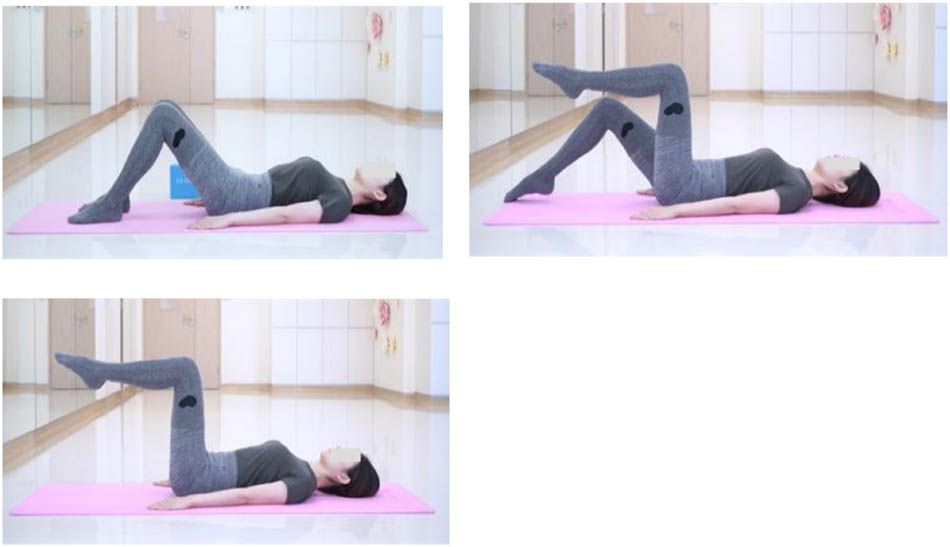 |
|||
During rehabilitation training, we will provide personalized adjustments to the intensity, difficulty, and duration time based on the physical condition of each parturient under professional guidance, while also paying attention to ongoing evaluation and feedback. Regularly evaluate the IRD and pelvic floor muscle function and monitor progress through ultrasound or electromyography. Adjust the training plan based on the evaluation results to ensure that each mother can maximize the recovery effect under safe conditions.
Specific treatment methods and arrangements are as follows:
Static breathing training
(1) Implementation of the transverse breathing method (inward core tightening)
Patients were positioned supine with their hands resting at their sides. During the inhalation phase, attention was focused on chest expansion, accompanied by the concurrent relaxation of the shoulders and abdomen. Conversely, during exhalation, the ribcage was permitted to relax and revert to its initial position, thereby narrowing, in tandem with the activation of the pelvic floor and the implementation of a gentle inward contraction of the abdomen. Each exercise set consisted of eight repetitions, with a total of three sets executed and a 2-min rest interval between sets.
(2) Diaphragmatic breathing (diaphragm strengthening)
Patients adopted a supine position with their hands placed at their sides. During inhalation, emphasis was placed on stabilizing the chest as the upper abdomen rose; during exhalation, gradual collapse of the upper abdomen was encouraged. Minimal movement of the chest was advocated, with relaxation of the shoulders and neck. Each exercise set consisted of eight repetitions, with a total of three sets executed and a 2-min rest interval between sets.
(3) Back breathing (thoracic volume expansion for enhanced respiration assistance)
Patients were positioned prone, their foreheads resting on the dorsa of both hands, ensuring their shoulders and neck remained relaxed. During inhalation, they were instructed to expand the back, visualizing a lateral spreading; upon exhaling, the back was to return gradually to its original state. Each exercise set consisted of eight repetitions, with a total of three sets executed and a 2-min rest interval between sets.
(4) Pumping breath (facilitating contraction of rectus abdominis and pelvic floor muscles)
Patients assumed a seated position, with their hands resting on their legs, and were instructed to maintain relaxation in the neck, shoulders, and arms. Inhalation involved focusing on chest stabilization while the abdomen gently expanded; during exhalation, a swift and forceful breath was expelled through the nose, accompanied by a rapid contraction of the lower abdomen. Each exercise set consisted of eight repetitions, with a total of three sets executed and a 2-min rest interval between sets.
Resistance band breathing training
(1) The strengthening transverse breathing method (core muscle strength enhancement)
In standing, sitting, or supine positions, patients utilized a resistance band encircling the chest, keeping their arms close to their torso. Inhalation involved chest expansion, along with the relaxation of the abdomen and shoulders; upon exhalation, the ribcage was allowed to relax, reverting to its original state and narrowing, while simultaneously activating the pelvic floor and performing a gentle inward contraction of the abdomen. Each exercise set consisted of eight repetitions, with a total of three sets executed and a 2-min rest interval between sets.
(2) Transversus abdominis breathing (transversus abdominis muscle strengthening)
Patients adopted a prone position, employing a resistance band wrapped around the abdominal area, with arms maintained close to the body. During inhalation, tension was applied to the resistance band, encouraging the abdomen to rise; throughout exhalation, the abdomen was allowed to lower, with the duration of inhalation and exhalation being kept equal. Each exercise set consisted of eight repetitions, with a total of three sets executed and a 2-min rest interval between sets.
Dynamic breathing training
(1) Advanced breathing training: pelvic clock exercise (core stability control)
While in a supine position, with knees bent and hands resting at their sides, patients employed the transverse breathing technique throughout the exercise. The procedure involved two key movements: (1) inhalation prompted a forward tilt of the pelvis, while exhalation involved tilting it backward. (2) Inhalation entailed rotating the pelvis to the right, followed by a return to a neutral position upon exhalation, and then a rotation to the left with the next inhalation. Each exercise set consisted of eight repetitions, with a total of three sets executed and a 2-min rest interval between sets.
(2) Advanced breathing training: hundreds prep exercise (core stability control)
Ⅰ: Patients adopted a supine neutral posture with knees bent and hands placed at their sides, employing the transverse breathing technique. The exercise involved several steps: (1) during inhalation, the right hip and knee were flexed to a 90° angle, positioning the thigh perpendicular to the floor and the lower leg parallel to the floor, with toes pointed, and this position was maintained during exhalation. (2) Then, on the next inhalation, the left leg was elevated and held during the subsequent exhalation. (3) The following inhalation was used to prepare for the next movement; during this phase, the shoulders remained relaxed, the ribs were lowered, and the abdominal and pelvic floor muscles were activated. This was followed by returning the right leg to its initial position and holding it there during exhalation. (4) Upon inhaling again, the left leg was returned to the starting position and maintained during exhalation.
Ⅱ: Patients adopted a supine neutral stance with knees bent and hands placed behind the neck, engaging in the transverse breathing technique. The procedure encompassed several steps: (1) upon inhaling, patients prepared their bodies in a neutral position; while exhaling, they sequentially curled up the head, neck, and shoulders, followed by an inhalation during which the arms were extended straight. (2) With exhalation, a further curl upwards was executed; during inhalation, hands were repositioned behind the neck, and the body was returned to the initial supine neutral position. Each exercise set consisted of eight repetitions, with a total of three sets executed and a two-minute rest interval between sets.
2.3 Observation indicators
2.3.1 IRD
Patients were positioned supine with knees flexed to a 90° angle and feet flat on the surface, facilitating abdominal exposure. Their arms were crossed and placed on their shoulders. To assess, the examiner utilized the index and middle fingers to palpate perpendicularly along the abdomen’s midline. Upon the patient’s exhalation and sit-up initiation, the rectus abdominis muscles contracted, allowing the examiner to detect muscle tension bilaterally. The separation between the rectus abdominis muscles was measured at three specific points: 2 cm above the umbilicus, at the umbilical level, and 2 cm below the umbilicus.
2.3.2 Pelvic floor muscle strength
Manual assessment method for pelvic floor muscle strength: The examiner positioned themselves on the right side of the patient, who was instructed to assume a supine position with knees bent and hands resting at their sides. Subsequently, the examiner inserted their index and ring fingers into the patient’s vagina and directed the patient to contract her vaginal muscles in response to verbal cues. The grading of muscle strength was based on the duration of the contraction and the number of consecutive contractions performed, as follows: Grade 0: no contraction of the vaginal muscles is discerned during examination. Grade 1: a quivering sensation in the vaginal muscles is detected. Grade 2: partial contraction of the vaginal muscles is felt, lasting 2 s, and is repeatable two times. Grade 3: full contraction of the vaginal muscles is perceived, lasting 3 s, and is repeatable 3 times, without resistance. Grade 4: full contraction of the vaginal muscles is sensed, lasting 4 s, and is repeatable four times, with slight resistance. Grade 5: Full contraction of the vaginal muscles is detected, lasting 5 s, and is repeatable five times, with sustained resistance.
2.4 Statistical analysis
The data underwent analysis using SPSS software version 26.0. Quantitative data are presented as mean ± standard deviation (
-
Informed consent: All participants were briefed on the research, and their signed consent was obtained.
-
Ethical approval: This study was conducted in accordance with the Declaration of Helsinki. This study was conducted with approval from the Ethics Committee of Shanghai Pudong New Area Tang Zhen Community Health Service Center (2020-01).
3 Results
3.1 Demographic characteristics
A total of 106 postpartum women were included in this study and randomly divided into an intervention group and a control group. The two groups are comparable at baseline in terms of age, mode of delivery, parity, and newborn weight (Table 2). No falls occurred during the study.
Demographic characteristics of participants
| Intervention group (n = 53) | Control group (n = 53) | Statistical value | P-value | |
|---|---|---|---|---|
| Age (years), mean ± SD | 31.86 ± 2.68 | 31.89 ± 2.54 | 0.080 | 0.936 |
| Delivery mode | ||||
| Natural labor, n (%) | 30 (56.60) | 32 (60.38) | 1.555 | 0.212 |
| Cesarean section, n (%) | 23 (43.40) | 21 (39.62) | ||
| Parity | ||||
| Primipara, n (%) | 34 (64.15) | 33 (62.26) | 0.653 | 0.419 |
| Multipara, n (%) | 19 (35.85) | 20 (37.74) | ||
| Newborn weight (kg), mean ± SD | 4.06 ± 0.48 | 4.11 ± 0.54 | 0.689 | 0.492 |
3.2 Comparison of pelvic floor muscle strength and waist–hip ratio recovery between the two groups
When comparing the intervention group to the control group, no statistically significant differences were observed in the changes in pelvic floor muscle strength and waist–hip ratio before and after the intervention (P > 0.05), as outlined in Table 3.
Changes in pelvic floor muscle strength and waist-to-hip ratio before and after intervention
| Group | Pelvic floor muscle strength | Waist–hip ratio | ||
|---|---|---|---|---|
| Before intervention | After intervention | Before intervention | After intervention | |
| Intervention group (n = 53) | 2.51 ± 0.50 | 2.64 ± 0.59 | 0.828 ± 0.024 | 0.804 ± 0.104 |
| Control group (n = 53) | 2.53 ± 0.54 | 2.71 ± 0.63 | 0.823 ± 0.026 | 0.817 ± 0.024 |
| T-value | 0.186 | 0.635 | 0.934 | 0.918 |
| P-value | 0.853 | 0.527 | 0.353 | 0.361 |
3.3 Comparison of DRA between the two groups
Throughout the study, no cases were lost, and all data were incorporated into the statistical analysis. Prior to the intervention, no notable difference in IRD was observed between the two groups of women (P > 0.05). Following the intervention, IRD measurements above, at, and below the umbilicus exhibited a significant reduction in both groups compared to pre-intervention values. Also, the intervention group displayed a notably greater reduction in IRD at all measured points compared to the control group, indicating statistical significance (P < 0.05), as depicted in Table 4.
The diastasis recti abdominis distance in the two postpartum women groups (cm)
| Group | Above the umbilicus 2 cm distance | Umbilicus level | Below the umbilicus 2 cm distance | |||||||||
|---|---|---|---|---|---|---|---|---|---|---|---|---|
| Before intervention | After intervention | P | Cohen d (within groups) | Before intervention | After intervention | P | Cohen d (within groups) | Before intervention | After intervention | P | Cohen d (within groups) | |
| Intervention group | 3.74 ± 0.59 | 1.62 ± 0.55 | <0.001 | 3.717 | 4.31 ± 0.50 | 2.28 ± 0.51 | <0.001 | 4.020 | 3.39 ± 0.63 | 1.43 ± 0.54 | <0.001 | 3.341 |
| Control group | 3.77 ± 0.61 | 3.56 ± 0.63 | 0.035 | 0.334 | 4.27 ± 0.62 | 3.98 ± 0.46 | <0.001 | 0.531 | 3.50 ± 0.69 | 3.19 ± 0.60 | <0.001 | 0.479 |
| P-value | 0.809 | 0.000 | 0.732 | 0.000 | 0.422 | 0.000 | ||||||
| Cohen d (between groups) | 3.281 | 3.500 | 3.083 | |||||||||
Small to medium and very large positive, clinically meaningful effects were found for IRD at all measured points in the control group and the intervention group, respectively. The magnitude of the between-group effects was very large in size, favoring the intervention group, as depicted in Table 4.
4 Discussion
This study highlights the efficacy of core muscle strength stability-oriented breathing training in effectively enhancing postpartum diastasis recti. This intervention demonstrates applicability across various age groups and parity statuses among postpartum women, with no reported adverse reactions and high compliance rates. During pregnancy, the transversus abdominis muscle undergoes considerable stretching, while the rectus abdominis muscles experience fatigue, thereby accelerating the stretching and separation of the linea alba. The linea alba, located centrally between the rectus abdominis muscles on either side, plays a pivotal role in DRA formation [14]. This condition indirectly contributes to various postpartum issues such as stress urinary incontinence and pelvic organ prolapse [15]. Addressing DRA promotes the recovery of associated tissues and muscle groups in postpartum women, consequently enhancing their overall quality of life [16]. In clinical practice, the predominant treatments for DRA involve neuromuscular electrical stimulation and exercise therapy [17]. Neuromuscular electrical stimulation serves to activate and stimulate muscles, facilitating relaxation in neurologically intact muscles, and contributes to passive muscle strengthening, thereby enhancing muscle contraction and mobility [18,19].
DRA represents a manifestation of an underlying issue characterized by a decline in the core strength of the transversus abdominis muscle [20]. Consequently, addressing this condition necessitates a primary focus on strengthening the transversus abdominis muscle rather than solely targeting the rectus abdominis. Effective enhancement of the transversus abdominis muscle is essential for addressing and improving DRA [21]. Based on core breathing theories, diaphragmatic movements influence the contraction of the transversus abdominis muscle, thereby impacting the functional activity of the rectus abdominis [22]. Consequently, breathing training may hold the potential for improving symptoms associated with DRA in postpartum women [23]. Such training could prompt early activation of deep core muscle contractions, thereby stabilizing the trunk in anticipation of functional activities in postpartum women with DRA [24]. It is worth noting that abdominal curl exercises should be avoided in cases of DRA, as they have the potential to exacerbate the separation [25].
Exercise training, as a prevalent rehabilitation approach for patients with DRA, primarily emphasizes abdominal and lower limb aerobic exercises [26]. This regimen proves beneficial in addressing various postpartum issues, including urinary incontinence, obesity, DRA, constipation, and lower back pain [27]. However, for patients experiencing DRA with pelvic floor muscle strength <3, rendering them temporarily unable to engage in active DRA training, passive strengthening of the rectus abdominis muscle via abdominal neuromuscular electrical stimulation may initially contribute to enhancing or maintaining the extent of DRA [28]. This approach can be supplemented with Kegel exercises to enhance pelvic floor muscle strength, thereby laying the groundwork for the subsequent initiation of active core muscle group training [29].
Early self-directed exercise training has demonstrated favorable outcomes in the treatment of postpartum diastasis recti [30]. However, such approaches require high patient compliance, as improper force application or breath holding during training sessions can worsen the severity of DRA. Prior studies have successfully implemented breathing training during the postpartum period, demonstrating its efficacy in enhancing pelvic floor muscle function recovery and addressing stress urinary incontinence. The present study further validates breathing training as the most optimal method for enhancing transversus abdominis muscle strength in cases of postpartum DRA. It can serve as a supplementary training modality for postpartum women affected by DRA, thereby contributing to the rehabilitation of this condition.
Previous studies have indicated that various interventions, such as pelvic floor neuromuscular electrical stimulation combined with rehabilitation massage, neuromuscular electrical stimulation alongside Kegel exercises, and pelvic floor neuromuscular electrical stimulation in conjunction with suspension training, have the potential to ameliorate postpartum diastasis recti [31,32,33]. However, the breathing training approach introduced in this study boasts versatility, simplicity in learning, convenience, and safety, rendering it more favorable for widespread adoption among postpartum women.
The study is constrained by limitations due to its inability to accurately assess the intensity of breathing training. Through the incorporation of wearable devices or alternative methodologies to precisely measure the intensity of the breathing exercises, enhanced accuracy and reliability of the findings could be attained.
5 Conclusion
Core muscle strength stability-oriented breathing training proves effective in reducing IRD in postpartum women, thereby facilitating the recuperation of associated muscle groups and enhancing overall physical condition.
Abbreviations
- IRD
-
inter-recti distance
- DRA
-
diastasis recti abdominis
-
Funding information: This study was supported by a grant from Shanghai Pudong New Area Science and Technology Development Fund Livelihood Research Special Fund Project (PKJ2020-Y92), Yangpu District Science and Technology Committee and Yangpu District Health Commission Research Special Fund Project (YPQ202115), Humanities and Social Science Research Project of Ministry of Education (21YJCZH032), 2024 Pudong New Area Health System outstanding young medical talents Training plan (PWRq2024-20) and Shanghai Science and Technology Innovation Action Plan Sailing Project (21YF1447700).
-
Author contributions: Conception and design of the research: Chao Chen, Huaiming Zhang, Lei Shen, and Huaping He. Acquisition of data: Zhenyu Ma, Yuqin Zhu, and Yanxia Qin. Analysis and interpretation of the data: Chao Chen, Huaiming Zhang, Lei Shen, Zhenyu Ma, Yuqin Zhu, and Yanxia Qin. Statistical analysis: Chao Chen, Huaiming Zhang, and Zhaohui Geng. Obtaining financing: Chao Chen, Huaiming Zhang, and Zhaohui Geng. Writing of the manuscript: Chao Chen, Yuqin Zhu, and Yanxia Qin. Critical revision of the manuscript for intellectual content: Huaiming Zhang, Lei Shen, and Huaping He. All authors read and approved the final draft.
-
Conflict of interest: None of the authors have any financial disclosure or conflict of interest.
-
Data availability statement: Data will be made available on request from the corresponding author on reasonable request.
References
[1] Hall H, Sanjaghsaz H. Diastasis recti rehabilitation. In: StatPearls. Treasure Island (FL): StatPearls Publishing; 2023.Suche in Google Scholar
[2] Skoura A, Billis E, Papanikolaou DT, Xergia S, Tsarbou C, Tsekoura M, et al. Diastasis recti abdominis rehabilitation in the postpartum period: A scoping review of current clinical practice. Int Urogynecol J. 2024;35(3):491–520. 10.1007/s00192-024-05727-1.Suche in Google Scholar PubMed PubMed Central
[3] Zhu Y, Jiang L, Ye T, Liu Y, Sun L, Xiao L, et al. Risk factors and patient-reported outcomes in Chinese women with postpartum diastasis recti abdominis: An observational study. Int J Womens Health. 2024 Jan;16:179–92. 10.2147/IJWH.S437088. PMID: 38313599; PMCID: PMC10838504.Suche in Google Scholar PubMed PubMed Central
[4] Zhang S, Fu F, Li W, Ding T, Gu Y, Xie Z. Analysis of multisite surface electromyography characteristics of pelvic floor muscles in postpartum patients with diastasis recti abdominis. J Obstet Gynaecol Res. 2023 Dec;49(12):2938–45. 10.1111/jog.15787. Epub 2023 Sep 5. PMID: 37667814.Suche in Google Scholar PubMed
[5] Blankensteijn LL, Hockx M, Mullender M, Bouman MB, Melenhorst WBWH. Clinical significance of diastasis recti: Literature review and awareness amongst health care professionals. J Plast Reconstr Aesthet Surg. 2023 Sep;84:439–46. 10.1016/j.bjps.2023.06.005. Epub 2023 Jun 9. PMID: 37413736.Suche in Google Scholar PubMed
[6] Booth AT, Gillen KJ, Visintin I, Ford WF, Kovacs MD, Edgerton CA, et al. Diastasis recti is associated with incisional hernia after midline abdominal surgery. Hernia. 2023 Apr;27(2):363–71. 10.1007/s10029-022-02676-w. Epub 2022 Sep 22. PMID: 36136228.Suche in Google Scholar PubMed
[7] Gluppe SB, Ellström Engh M, Bø K. Curl-up exercises improve abdominal muscle strength without worsening inter-recti distance in women with diastasis recti abdominis postpartum: A randomised controlled trial. J Physiother. 2023 Jul;69(3):160–7. 10.1016/j.jphys.2023.05.017. Epub 2023 Jun 5. PMID: 37286390.Suche in Google Scholar PubMed
[8] Carlstedt A, Bringman S, Egberth M, Emanuelsson P, Olsson A, Petersson U, et al. Management of diastasis of the rectus abdominis muscles: Recommendations for swedish national guidelines. Scand J Surg. 2021 Sep;110(3):452–9.10.1177/1457496920961000Suche in Google Scholar PubMed PubMed Central
[9] Gluppe S, Ellström Engh M, Bø K. What is the evidence for abdominal and pelvic floor muscle training to treat diastasis recti abdominis postpartum? A systematic review with meta-analysis. Braz J Phys Ther. 2021 Nov-Dec;25(6):664–75.10.1016/j.bjpt.2021.06.006Suche in Google Scholar PubMed PubMed Central
[10] Franks J, Thwaites C, Morris ME. Pilates to improve core muscle activation in chronic low back pain: A systematic review. Healthcare (Basel). 2023;11(10):1404.10.3390/healthcare11101404Suche in Google Scholar PubMed PubMed Central
[11] Owen PJ, Miller CT, Mundell NL, Verswijveren SJJM, Tagliaferri SD, Brisby H, et al. Which specific modes of exercise training are most effective for treating low back pain? Network meta-analysis. Br J Sports Med. 2020;54(21):1279–87.10.1136/bjsports-2019-100886Suche in Google Scholar PubMed PubMed Central
[12] Kang JI, Jeong DK, Choi H. Effect of exhalation exercise on trunk muscle activity and oswestry disability index of patients with chronic low back pain. J Phys Ther Sci. 2016;28(6):1738–42.10.1589/jpts.28.1738Suche in Google Scholar PubMed PubMed Central
[13] Petronilla OC, Uruchi EA, Francis EC, Linda UC. Assessment of diastasis recti abdominis: Clinimetric properties of four measuring instruments. Int J Health Sci (Qassim). 2023 Nov-Dec;17(6):6–14. PMID: 37929234; PMCID: PMC10624799.Suche in Google Scholar
[14] Bayoux R, Gignoux B, Barani C, Mabrut JY, Mojallal A. Endoscopic treatment of diastasis recti: Training method and literature review. Ann Chir Plast Esthet. 2023 Jun;68(3):245–59. 10.1016/j.anplas.2023.03.004. Epub 2023 Apr 28. PMID: 37121846.Suche in Google Scholar PubMed
[15] Sokunbi G, Camino-Willhuber G, Paschal PK, Olufade O, Hussain FS, Shue J, et al. Is diastasis recti abdominis associated with low back pain? A systematic review. World Neurosurg. 2023 Jun;174:119–25. 10.1016/j.wneu.2023.03.014. Epub 2023 Mar 8. PMID: 36894002.Suche in Google Scholar PubMed
[16] Cavallaro G, Gazzanelli S, Iorio O, Iossa A, Giordano L, Esposito L, et al. Laparoscopic transversus abdominis plane block is useful in pain relief after laparoscopic stapled repair of diastasis recti and ventral hernia. J Minim Access Surg. 2023 Apr-Jun;19(2):207–11. 10.4103/jmas.jmas_111_22. PMID: 37056085; PMCID: PMC10246641.Suche in Google Scholar PubMed PubMed Central
[17] Zhang C, Yang X, Zhao Y, Xie D, Wang L. Acupuncture for postpartum diastasis recti abdominis and its effects on abdominal circumference, separation distance of rectus abdominis. Zhongguo Zhen Jiu. 2024 Feb;44(2):139–43 English, Chinese. 10.13703/j.0255-2930.20230626-k0004. PMID: 38373757.Suche in Google Scholar PubMed
[18] Bixo L, Sandblom G, Österberg J, Stackelberg O, Bewö K, Olsson A. Association between inter-recti distance and impaired abdominal core function in post-partum women with diastasis recti abdominis. J Abdom Wall Surg. 2022 Dec;1:10909. 10.3389/jaws.2022.10909. PMID: 38314149; PMCID: PMC10831648.Suche in Google Scholar PubMed PubMed Central
[19] Liu Y, Zhu Y, Jiang L, Lu C, Xiao L, Wang T, et al. Efficacy of electro-acupuncture in postpartum with diastasis recti abdominis: A randomized controlled clinical trial. Front Public Health. 2022 Nov;10:1003361. 10.3389/fpubh.2022.1003361. PMID: 36483239; PMCID: PMC9724647.Suche in Google Scholar PubMed PubMed Central
[20] Kim S, Yi D, Yim J. The effect of core exercise using online videoconferencing platform and offline-based intervention in postpartum woman with diastasis recti abdominis. Int J Env Res Public Health. 2022 Jun;19(12):7031. 10.3390/ijerph19127031. PMID: 35742279; PMCID: PMC9222342.Suche in Google Scholar PubMed PubMed Central
[21] Weingerl I, Kozinc Ž, Šarabon N. The effects of conservative interventions for treating diastasis recti abdominis in postpartum women: A review with meta-analysis. SN Compr Clin Med. 2023;5(1):10. 10.1007/s42399-022-01353-4. Epub 2022 Nov 29. PMID: 36466120; PMCID: PMC9707186.Suche in Google Scholar PubMed PubMed Central
[22] Vicente-Campos V, Fuentes-Aparicio L, Rejano-Campo M. Evaluación de las consecuencias físicas y psicosociales de la diástasis de rectos abdominales y su interferencia en la salud: un estudio mixto [Evaluation of the physical and psychosocial consequences of the diastasis of the rectus abdominis and its interference in health: A mixed study]. Rehabilitacion (Madr). 2023 Apr-Jun;57(2):100744 Spanish. 10.1016/j.rh.2022.03.006. Epub 2022 Jun 24. PMID: 35760642.Suche in Google Scholar PubMed
[23] Theodorsen NM, Fersum KV, Moe-Nilssen R, Bo K, Haukenes I. Effect of a specific exercise programme during pregnancy on diastasis recti abdominis: Study protocol for a randomised controlled trial. BMJ Open. 2022 Feb;12(2):e056558. 10.1136/bmjopen-2021-056558. PMID: 35121606; PMCID: PMC8819813.Suche in Google Scholar PubMed PubMed Central
[24] Gluppe S, Ellström Engh M, Bø K. Primiparous women’s knowledge of diastasis recti abdominis, concerns about abdominal appearance, treatments, and perceived abdominal muscle strength 6-8 months postpartum. A cross sectional comparison study. BMC Womens Health. 2022 Nov;22(1):428. 10.1186/s12905-022-02009-0. PMID: 36324105; PMCID: PMC9632123.Suche in Google Scholar PubMed PubMed Central
[25] Starzec-Proserpio M, Lipa D, Szymański J, Szymańska A, Kajdy A, Baranowska B. Association among pelvic girdle pain, diastasis recti abdominis, pubic symphysis width, and pain catastrophizing: A matched case-control study. Phys Ther. 2022 Apr;102(4):pzab311. 10.1093/ptj/pzab311. PMID: 35079827; PMCID: PMC9046967.Suche in Google Scholar PubMed PubMed Central
[26] Chen B, Zhao X, Hu Y. Rehabilitations for maternal diastasis recti abdominis: An update on therapeutic directions. Heliyon. 2023 Oct;9(10):e20956. 10.1016/j.heliyon.2023.e20956. PMID: 37867827; PMCID: PMC10589864.Suche in Google Scholar PubMed PubMed Central
[27] Radhakrishnan M, Ramamurthy K. Efficacy and challenges in the treatment of diastasis recti abdominis-A scoping review on the current trends and future perspectives. Diagnostics (Basel). 2022 Aug;12(9):2044. 10.3390/diagnostics12092044. PMID: 36140446; PMCID: PMC9498119.Suche in Google Scholar PubMed PubMed Central
[28] Liang P, Liang M, Shi S, Liu Y, Xiong R. Rehabilitation programme including EMG-biofeedback- assisted pelvic floor muscle training for rectus diastasis after childbirth: A randomised controlled trial. Physiotherapy. 2022 Dec;117:16–21. 10.1016/j.physio.2022.05.001. Epub 2022 May 17. PMID: 36219918.Suche in Google Scholar PubMed
[29] Abu Raddaha AH, Nasr EH. Kegel exercise training program among women with urinary incontinence. Healthcare (Basel). 2022 Nov;10(12):2359. 10.3390/healthcare10122359. PMID: 36553882; PMCID: PMC9777910.Suche in Google Scholar PubMed PubMed Central
[30] Redi U, Kaciulyte J, Marino D, Nanni J, Lo Torto F, Marcasciano M, et al. The role of component separation in the treatment of severe diastasis recti abdominis: a new indication for a known technique. Eur Rev Med Pharmacol Sci. 2023 Sep;27(17):8234–44. 10.26355/eurrev_202309_33584. PMID: 37750652.Suche in Google Scholar PubMed
[31] Wang R, Zhang NC. Evaluation of the therapeutic effect of pelvic floor neuromuscular electrical stimulation combined with rehabilitation massage on postpartum rectus abdominis separation. Practical Electron J Gynecol Endocrinol. 2019;6(31):71, 75.Suche in Google Scholar
[32] Shi HY, Wang ZM, Zhang C, Yin XC, Li Z. Observation on the therapeutic effect of neuromuscular electrical stimulation combined with Kegel exercise on postpartum rectus abdominis separation and constipation. Matern Child Health Care China. 2021;36(21):4924–7.Suche in Google Scholar
[33] Zhao XH. A comparative study on the clinical efficacy of respiratory training and suspension training in the treatment of postpartum stress urinary incontinence. Nanjing, Jiangsu, China: Southeast University; 2020.Suche in Google Scholar
© 2025 the author(s), published by De Gruyter
This work is licensed under the Creative Commons Attribution 4.0 International License.
Artikel in diesem Heft
- Research Articles
- Network pharmacological analysis and in vitro testing of the rutin effects on triple-negative breast cancer
- Impact of diabetes on long-term survival in elderly liver cancer patients: A retrospective study
- Knockdown of CCNB1 alleviates high glucose-triggered trophoblast dysfunction during gestational diabetes via Wnt/β-catenin signaling pathway
- Risk factors for severe adverse drug reactions in hospitalized patients
- Analysis of the effect of ALA-PDT on macrophages in footpad model of mice infected with Fonsecaea monophora based on single-cell sequencing
- Development and validation of headspace gas chromatography with a flame ionization detector method for the determination of ethanol in the vitreous humor
- CMSP exerts anti-tumor effects on small cell lung cancer cells by inducing mitochondrial dysfunction and ferroptosis
- Predictive value of plasma sB7-H3 and YKL-40 in pediatric refractory Mycoplasma pneumoniae pneumonia
- Antiangiogenic potential of Elaeagnus umbellata extracts and molecular docking study by targeting VEGFR-2 pathway
- Comparison of the effectiveness of nurse-led preoperative counseling and postoperative follow-up care vs standard care for patients with gastric cancer
- Comparing the therapeutic efficacy of endoscopic minimally invasive surgery and traditional surgery for early-stage breast cancer: A meta-analysis
- Adhered macrophages as an additional marker of cardiomyocyte injury in biopsies of patients with dilated cardiomyopathy
- Association between statin administration and outcome in patients with sepsis: A retrospective study
- Exploration of the association between estimated glucose disposal rate and osteoarthritis in middle-aged and older adults: An analysis of NHANES data from 2011 to 2018
- A comparative analysis of the binary and multiclass classified chest X-ray images of pneumonia and COVID-19 with ML and DL models
- Lysophosphatidic acid 2 alleviates deep vein thrombosis via protective endothelial barrier function
- Transcription factor A, mitochondrial promotes lymph node metastasis and lymphangiogenesis in epithelial ovarian carcinoma
- Serum PM20D1 levels are associated with nutritional status and inflammatory factors in gastric cancer patients undergoing early enteral nutrition
- Hydromorphone reduced the incidence of emergence agitation after adenotonsillectomy in children with obstructive sleep apnea: A randomized, double-blind study
- Vitamin D replacement therapy may regulate sleep habits in patients with restless leg syndrome
- The first-line antihypertensive nitrendipine potentiated the therapeutic effect of oxaliplatin by downregulating CACNA1D in colorectal cancer
- Health literacy and health-related quality of life: The mediating role of irrational happiness
- Modulatory effects of Lycium barbarum polysaccharide on bone cell dynamics in osteoporosis
- Mechanism research on inhibition of gastric cancer in vitro by the extract of Pinellia ternata based on network pharmacology and cellular metabolomics
- Examination of the causal role of immune cells in non-alcoholic fatty liver disease by a bidirectional Mendelian randomization study
- Clinical analysis of ten cases of HIV infection combined with acute leukemia
- Investigating the cardioprotective potential of quercetin against tacrolimus-induced cardiotoxicity in Wistar rats: A mechanistic insights
- Clinical observation of probiotics combined with mesalazine and Yiyi Baitouweng Decoction retention enema in treating mild-to-moderate ulcerative colitis
- Diagnostic value of ratio of blood inflammation to coagulation markers in periprosthetic joint infection
- Sex-specific associations of sex hormone binding globulin and risk of bladder cancer
- Core muscle strength and stability-oriented breathing training reduces inter-recti distance in postpartum women
- The ERAS nursing care strategy for patients undergoing transsphenoidal endoscopic pituitary tumor resection: A randomized blinded controlled trial
- The serum IL-17A levels in patients with traumatic bowel rupture post-surgery and its predictive value for patient prognosis
- Impact of Kolb’s experiential learning theory-based nursing on caregiver burden and psychological state of caregivers of dementia patients
- Analysis of serum NLR combined with intraoperative margin condition to predict the prognosis of cervical HSIL patients undergoing LEEP surgery
- Commiphora gileadensis ameliorate infertility and erectile dysfunction in diabetic male mice
- The correlation between epithelial–mesenchymal transition classification and MMP2 expression of circulating tumor cells and prognosis of advanced or metastatic nasopharyngeal carcinoma
- Tetrahydropalmatine improves mitochondrial function in vascular smooth muscle cells of atherosclerosis in vitro by inhibiting Ras homolog gene family A/Rho-associated protein kinase-1 signaling pathway
- A cross-sectional study: Relationship between serum oxidative stress levels and arteriovenous fistula maturation in maintenance dialysis patients
- A comparative analysis of the impact of repeated administration of flavan 3-ol on brown, subcutaneous, and visceral adipose tissue
- Identifying early screening factors for depression in middle-aged and older adults: A cohort study
- Perform tumor-specific survival analysis for Merkel cell carcinoma patients undergoing surgical resection based on the SEER database by constructing a nomogram chart
- Unveiling the role of CXCL10 in pancreatic cancer progression: A novel prognostic indicator
- High-dose preoperative intraperitoneal erythropoietin and intravenous methylprednisolone in acute traumatic spinal cord injuries following decompression surgeries
- RAB39B: A novel biomarker for acute myeloid leukemia identified via multi-omics and functional validation
- Impact of peripheral conditioning on reperfusion injury following primary percutaneous coronary intervention in diabetic and non-diabetic STEMI patients
- Clinical efficacy of azacitidine in the treatment of middle- and high-risk myelodysplastic syndrome in middle-aged and elderly patients: A retrospective study
- The effect of ambulatory blood pressure load on mitral regurgitation in continuous ambulatory peritoneal dialysis patients
- Expression and clinical significance of ITGA3 in breast cancer
- Single-nucleus RNA sequencing reveals ARHGAP28 expression of podocytes as a biomarker in human diabetic nephropathy
- rSIG combined with NLR in the prognostic assessment of patients with multiple injuries
- Toxic metals and metalloids in collagen supplements of fish and jellyfish origin: Risk assessment for daily intake
- Exploring causal relationship between 41 inflammatory cytokines and marginal zone lymphoma: A bidirectional Mendelian randomization study
- Gender beliefs and legitimization of dating violence in adolescents
- Effect of serum IL-6, CRP, and MMP-9 levels on the efficacy of modified preperitoneal Kugel repair in patients with inguinal hernia
- Effect of smoking and smoking cessation on hematological parameters in polycythemic patients
- Pathogen surveillance and risk factors for pulmonary infection in patients with lung cancer: A retrospective single-center study
- Necroptosis of hippocampal neurons in paclitaxel chemotherapy-induced cognitive impairment mediates microglial activation via TLR4/MyD88 signaling pathway
- Celastrol suppresses neovascularization in rat aortic vascular endothelial cells stimulated by inflammatory tenocytes via modulating the NLRP3 pathway
- Cord-lamina angle and foraminal diameter as key predictors of C5 palsy after anterior cervical decompression and fusion surgery
- GATA1: A key biomarker for predicting the prognosis of patients with diffuse large B-cell lymphoma
- Influencing factors of false lumen thrombosis in type B aortic dissection: A single-center retrospective study
- MZB1 regulates the immune microenvironment and inhibits ovarian cancer cell migration
- Integrating experimental and network pharmacology to explore the pharmacological mechanisms of Dioscin against glioblastoma
- Trends in research on preterm birth in twin pregnancy based on bibliometrics
- Four-week IgE/baseline IgE ratio combined with tryptase predicts clinical outcome in omalizumab-treated children with moderate-to-severe asthma
- Single-cell transcriptomic analysis identifies a stress response Schwann cell subtype
- Acute pancreatitis risk in the diagnosis and management of inflammatory bowel disease: A critical focus
- Effect of subclinical esketamine on NLRP3 and cognitive dysfunction in elderly ischemic stroke patients
- Interleukin-37 mediates the anti-oral tumor activity in oral cancer through STAT3
- CA199 and CEA expression levels, and minimally invasive postoperative prognosis analysis in esophageal squamous carcinoma patients
- Efficacy of a novel drainage catheter in the treatment of CSF leak after posterior spine surgery: A retrospective cohort study
- Comprehensive biomedicine assessment of Apteranthes tuberculata extracts: Phytochemical analysis and multifaceted pharmacological evaluation in animal models
- Relation of time in range to severity of coronary artery disease in patients with type 2 diabetes: A cross-sectional study
- Dopamine attenuates ethanol-induced neuronal apoptosis by stimulating electrical activity in the developing rat retina
- Correlation between albumin levels during the third trimester and the risk of postpartum levator ani muscle rupture
- Factors associated with maternal attention and distraction during breastfeeding and childcare: A cross-sectional study in the west of Iran
- Mechanisms of hesperetin in treating metabolic dysfunction-associated steatosis liver disease via network pharmacology and in vitro experiments
- The law on oncological oblivion in the Italian and European context: How to best uphold the cancer patients’ rights to privacy and self-determination?
- The prognostic value of the neutrophil-to-lymphocyte ratio, platelet-to-lymphocyte ratio, and prognostic nutritional index for survival in patients with colorectal cancer
- Factors affecting the measurements of peripheral oxygen saturation values in healthy young adults
- Comparison and correlations between findings of hysteroscopy and vaginal color Doppler ultrasonography for detection of uterine abnormalities in patients with recurrent implantation failure
- The effects of different types of RAGT on balance function in stroke patients with low levels of independent walking in a convalescent rehabilitation hospital
- Causal relationship between asthma and ankylosing spondylitis: A bidirectional two-sample univariable and multivariable Mendelian randomization study
- Correlations of health literacy with individuals’ understanding and use of medications in Southern Taiwan
- Correlation of serum calprotectin with outcome of acute cerebral infarction
- Comparison of computed tomography and guided bronchoscopy in the diagnosis of pulmonary nodules: A systematic review and meta-analysis
- Curdione protects vascular endothelial cells and atherosclerosis via the regulation of DNMT1-mediated ERBB4 promoter methylation
- The identification of novel missense variant in ChAT gene in a patient with gestational diabetes denotes plausible genetic association
- Molecular genotyping of multi-system rare blood types in foreign blood donors based on DNA sequencing and its clinical significance
- Exploring the role of succinyl carnitine in the association between CD39⁺ CD4⁺ T cell and ulcerative colitis: A Mendelian randomization study
- Dexmedetomidine suppresses microglial activation in postoperative cognitive dysfunction via the mmu-miRNA-125/TRAF6 signaling axis
- Analysis of serum metabolomics in patients with different types of chronic heart failure
- Diagnostic value of hematological parameters in the early diagnosis of acute cholecystitis
- Pachymaran alleviates fat accumulation, hepatocyte degeneration, and injury in mice with nonalcoholic fatty liver disease
- Decrease in CD4 and CD8 lymphocytes are predictors of severe clinical picture and unfavorable outcome of the disease in patients with COVID-19
- METTL3 blocked the progression of diabetic retinopathy through m6A-modified SOX2
- The predictive significance of anti-RO-52 antibody in patients with interstitial pneumonia after treatment of malignant tumors
- Exploring cerebrospinal fluid metabolites, cognitive function, and brain atrophy: Insights from Mendelian randomization
- Development and validation of potential molecular subtypes and signatures of ocular sarcoidosis based on autophagy-related gene analysis
- Widespread venous thrombosis: Unveiling a complex case of Behçet’s disease with a literature perspective
- Uterine fibroid embolization: An analysis of clinical outcomes and impact on patients’ quality of life
- Discovery of lipid metabolism-related diagnostic biomarkers and construction of diagnostic model in steroid-induced osteonecrosis of femoral head
- Serum-derived exomiR-188-3p is a promising novel biomarker for early-stage ovarian cancer
- Enhancing chronic back pain management: A comparative study of ultrasound–MRI fusion guidance for paravertebral nerve block
- Peptide CCAT1-70aa promotes hepatocellular carcinoma proliferation and invasion via the MAPK/ERK pathway
- Electroacupuncture-induced reduction of myocardial ischemia–reperfusion injury via FTO-dependent m6A methylation modulation
- Hemorrhoids and cardiovascular disease: A bidirectional Mendelian randomization study
- Cell-free adipose extract inhibits hypertrophic scar formation through collagen remodeling and antiangiogenesis
- HALP score in Demodex blepharitis: A case–control study
- Assessment of SOX2 performance as a marker for circulating cancer stem-like cells (CCSCs) identification in advanced breast cancer patients using CytoTrack system
- Risk and prognosis for brain metastasis in primary metastatic cervical cancer patients: A population-based study
- Comparison of the two intestinal anastomosis methods in pediatric patients
- Factors influencing hematological toxicity and adverse effects of perioperative hyperthermic intraperitoneal vs intraperitoneal chemotherapy in gastrointestinal cancer
- Endotoxin tolerance inhibits NLRP3 inflammasome activation in macrophages of septic mice by restoring autophagic flux through TRIM26
- Lateral transperitoneal laparoscopic adrenalectomy: A single-centre experience of 21 procedures
- Petunidin attenuates lipopolysaccharide-induced retinal microglia inflammatory response in diabetic retinopathy by targeting OGT/NF-κB/LCN2 axis
- Procalcitonin and C-reactive protein as biomarkers for diagnosing and assessing the severity of acute cholecystitis
- Factors determining the number of sessions in successful extracorporeal shock wave lithotripsy patients
- Development of a nomogram for predicting cancer-specific survival in patients with renal pelvic cancer following surgery
- Inhibition of ATG7 promotes orthodontic tooth movement by regulating the RANKL/OPG ratio under compression force
- A machine learning-based prognostic model integrating mRNA stemness index, hypoxia, and glycolysis‑related biomarkers for colorectal cancer
- Glutathione attenuates sepsis-associated encephalopathy via dual modulation of NF-κB and PKA/CREB pathways
- FAHD1 prevents neuronal ferroptosis by modulating R-loop and the cGAS–STING pathway
- Association of placenta weight and morphology with term low birth weight: A case–control study
- Investigation of the pathogenic variants induced Sjogren’s syndrome in Turkish population
- Nucleotide metabolic abnormalities in post-COVID-19 condition and type 2 diabetes mellitus patients and their association with endocrine dysfunction
- TGF-β–Smad2/3 signaling in high-altitude pulmonary hypertension in rats: Role and mechanisms via macrophage M2 polarization
- Ultrasound-guided unilateral versus bilateral erector spinae plane block for postoperative analgesia of patients undergoing laparoscopic cholecystectomy
- Profiling gut microbiome dynamics in subacute thyroiditis: Implications for pathogenesis, diagnosis, and treatment
- Delta neutrophil index, CRP/albumin ratio, procalcitonin, immature granulocytes, and HALP score in acute appendicitis: Best performing biomarker?
- Anticancer activity mechanism of novelly synthesized and characterized benzofuran ring-linked 3-nitrophenyl chalcone derivative on colon cancer cells
- H2valdien3 arrests the cell cycle and induces apoptosis of gastric cancer
- Prognostic relevance of PRSS2 and its immune correlates in papillary thyroid carcinoma
- Association of SGLT2 inhibition with psychiatric disorders: A Mendelian randomization study
- Motivational interviewing for alcohol use reduction in Thai patients
- Luteolin alleviates oxygen-glucose deprivation/reoxygenation-induced neuron injury by regulating NLRP3/IL-1β signaling
- Polyphyllin II inhibits thyroid cancer cell growth by simultaneously inhibiting glycolysis and oxidative phosphorylation
- Relationship between the expression of copper death promoting factor SLC31A1 in papillary thyroid carcinoma and clinicopathological indicators and prognosis
- CSF2 polarized neutrophils and invaded renal cancer cells in vitro influence
- Proton pump inhibitors-induced thrombocytopenia: A systematic literature analysis of case reports
- The current status and influence factors of research ability among community nurses: A sequential qualitative–quantitative study
- OKAIN: A comprehensive oncology knowledge base for the interpretation of clinically actionable alterations
- The relationship between serum CA50, CA242, and SAA levels and clinical pathological characteristics and prognosis in patients with pancreatic cancer
- Identification and external validation of a prognostic signature based on hypoxia–glycolysis-related genes for kidney renal clear cell carcinoma
- Engineered RBC-derived nanovesicles functionalized with tumor-targeting ligands: A comparative study on breast cancer targeting efficiency and biocompatibility
- Relationship of resting echocardiography combined with serum micronutrients to the severity of low-gradient severe aortic stenosis
- Effect of vibration on pain during subcutaneous heparin injection: A randomized, single-blind, placebo-controlled trial
- The diagnostic performance of machine learning-based FFRCT for coronary artery disease: A meta-analysis
- Comparing biofeedback device vs diaphragmatic breathing for bloating relief: A randomized controlled trial
- Serum uric acid to albumin ratio and C-reactive protein as predictive biomarkers for chronic total occlusion and coronary collateral circulation quality
- Multiple organ scoring systems for predicting in-hospital mortality of sepsis patients in the intensive care unit
- Single-cell RNA sequencing data analysis of the inner ear in gentamicin-treated mice via intraperitoneal injection
- Suppression of cathepsin B attenuates myocardial injury via limiting cardiomyocyte apoptosis
- Influence of sevoflurane combined with propofol anesthesia on the anesthesia effect and adverse reactions in children with acute appendicitis
- Identification of hub genes related to acute kidney injury caused by sevoflurane anesthesia and endoplasmic reticulum stress
- Efficacy and safety of PD-1/PD-L1 inhibitors in pancreatic ductal adenocarcinoma: a systematic review and Meta-analysis of randomized controlled trials
- The value of diagnostic experience in O-RADS MRI score for ovarian-adnexal lesions
- Health education pathway for individuals with temporary enterostomies using patient journey mapping
- Serum TLR8 as a potential diagnostic biomarker of coronary heart disease
- Intraoperative temperature management and its effect on surgical outcomes in elderly patients undergoing lichtenstein unilateral inguinal hernia repair
- Immunohistochemical profiling and neuroepithelial heterogeneity in immature ovarian teratomas: a retrospective digital pathology-based study
- Associated risk factors and prevalence of human papillomavirus infection among females visiting tertiary care hospital: a cross-sectional study from Nepal
- Comparative evaluation of various disc elution methods for the detection of colistin-resistant gram-negative bacteria
- Effect of timing of cholecystectomy on weight loss after sleeve gastrectomy in morbidly obese individuals with cholelithiasis: a retrospective cohort study
- Causal association between ceramide levels and central precocious puberty: a mendelian randomization study
- Novel predictive model for colorectal liver metastases recurrence: a radiomics and clinical data approach
- Relationship between resident physicians’ perceived professional value and exposure to violence
- Multiple sclerosis and type 1 diabetes: a Mendelian randomization study of European ancestry
- Rapid pathogen identification in peritoneal dialysis effluent by MALDI-TOF MS following blood culture enrichment
- Comparison of open and percutaneous A1 pulley release in pediatric trigger thumb: a retrospective cohort study
- Impact of combined diaphragm-lung ultrasound assessment on postoperative respiratory function in patients under general anesthesia recovery
- Review Articles
- The effects of enhanced external counter-pulsation on post-acute sequelae of COVID-19: A narrative review
- Diabetes-related cognitive impairment: Mechanisms, symptoms, and treatments
- Microscopic changes and gross morphology of placenta in women affected by gestational diabetes mellitus in dietary treatment: A systematic review
- Review of mechanisms and frontier applications in IL-17A-induced hypertension
- Research progress on the correlation between islet amyloid peptides and type 2 diabetes mellitus
- The safety and efficacy of BCG combined with mitomycin C compared with BCG monotherapy in patients with non-muscle-invasive bladder cancer: A systematic review and meta-analysis
- The application of augmented reality in robotic general surgery: A mini-review
- The effect of Greek mountain tea extract and wheat germ extract on peripheral blood flow and eicosanoid metabolism in mammals
- Neurogasobiology of migraine: Carbon monoxide, hydrogen sulfide, and nitric oxide as emerging pathophysiological trinacrium relevant to nociception regulation
- Plant polyphenols, terpenes, and terpenoids in oral health
- Laboratory medicine between technological innovation, rights safeguarding, and patient safety: A bioethical perspective
- End-of-life in cancer patients: Medicolegal implications and ethical challenges in Europe
- The maternal factors during pregnancy for intrauterine growth retardation: An umbrella review
- Intra-abdominal hypertension/abdominal compartment syndrome of pediatric patients in critical care settings
- PI3K/Akt pathway and neuroinflammation in sepsis-associated encephalopathy
- Screening of Group B Streptococcus in pregnancy: A systematic review for the laboratory detection
- Giant borderline ovarian tumours – review of the literature
- Leveraging artificial intelligence for collaborative care planning: Innovations and impacts in shared decision-making – A systematic review
- Cholera epidemiology analysis through the experience of the 1973 Naples epidemic
- Risk factors of frailty/sarcopenia in community older adults: Meta-analysis
- Supplement strategies for infertility in overweight women: Evidence and legal insights
- Scurvy, a not obsolete disorder: Clinical report in eight young children and literature review
- A meta-analysis of the effects of DBS on cognitive function in patients with advanced PD
- Protective role of selenium in sepsis: Mechanisms and potential therapeutic strategies
- Strategies for hyperkalemia management in dialysis patients: A systematic review
- C-reactive protein-to-albumin ratio in peripheral artery disease
- Research progress on autophagy and its roles in sepsis induced organ injury
- Neuronutrition in autism spectrum disorders
- Pumilio 2 in neural development, function, and specific neurological disorders
- Antibiotic prescribing patterns in general dental practice- a scoping review
- Clinical and medico-legal reflections on non-invasive prenatal testing
- Case Reports
- Delayed graft function after renal transplantation
- Semaglutide treatment for type 2 diabetes in a patient with chronic myeloid leukemia: A case report and review of the literature
- Diverse electrophysiological demyelinating features in a late-onset glycogen storage disease type IIIa case
- Giant right atrial hemangioma presenting with ascites: A case report
- Laser excision of a large granular cell tumor of the vocal cord with subglottic extension: A case report
- EsoFLIP-assisted dilation for dysphagia in systemic sclerosis: Highlighting the role of multimodal esophageal evaluation
- Molecular hydrogen-rhodiola as an adjuvant therapy for ischemic stroke in internal carotid artery occlusion: A case report
- Coronary artery anomalies: A case of the “malignant” left coronary artery and its surgical management
- Combined VAT and retroperitoneoscopy for pleural empyema due to nephro-pleuric fistula in xanthogranulomatous pyelonephritis
- A rare case of Opalski syndrome with a suspected multiple sclerosis etiology
- Rapid Communication
- Biological properties of valve materials using RGD and EC
-
A single oral administration of flavanols enhances short
-term memory in mice along with increased brain-derived neurotrophic factor - Letter to the Editor
- Role of enhanced external counterpulsation in long COVID
- Expression of Concern
- Expression of concern “A ceRNA network mediated by LINC00475 in papillary thyroid carcinoma”
- Expression of concern “Notoginsenoside R1 alleviates spinal cord injury through the miR-301a/KLF7 axis to activate Wnt/β-catenin pathway”
- Expression of concern “circ_0020123 promotes cell proliferation and migration in lung adenocarcinoma via PDZD8”
- Corrigendum
- Corrigendum to “Empagliflozin improves aortic injury in obese mice by regulating fatty acid metabolism”
- Corrigendum to “Comparing the therapeutic efficacy of endoscopic minimally invasive surgery and traditional surgery for early-stage breast cancer: A meta-analysis”
- Corrigendum to “The progress of autoimmune hepatitis research and future challenges”
- Retraction
- Retraction of “miR-654-5p promotes gastric cancer progression via the GPRIN1/NF-κB pathway”
- Retraction of: “LncRNA CASC15 inhibition relieves renal fibrosis in diabetic nephropathy through downregulating SP-A by sponging to miR-424”
- Retraction of: “SCARA5 inhibits oral squamous cell carcinoma via inactivating the STAT3 and PI3K/AKT signaling pathways”
- Special Issue Advancements in oncology: bridging clinical and experimental research - Part II
- Unveiling novel biomarkers for platinum chemoresistance in ovarian cancer
- Lathyrol affects the expression of AR and PSA and inhibits the malignant behavior of RCC cells
- The era of increasing cancer survivorship: Trends in fertility preservation, medico-legal implications, and ethical challenges
- Bone scintigraphy and positron emission tomography in the early diagnosis of MRONJ
- Meta-analysis of clinical efficacy and safety of immunotherapy combined with chemotherapy in non-small cell lung cancer
- Special Issue Computational Intelligence Methodologies Meets Recurrent Cancers - Part IV
- Exploration of mRNA-modifying METTL3 oncogene as momentous prognostic biomarker responsible for colorectal cancer development
- Special Issue The evolving saga of RNAs from bench to bedside - Part III
- Interaction and verification of ferroptosis-related RNAs Rela and Stat3 in promoting sepsis-associated acute kidney injury
- The mRNA MOXD1: Link to oxidative stress and prognostic significance in gastric cancer
- Special Issue Exploring the biological mechanism of human diseases based on MultiOmics Technology - Part II
- Dynamic changes in lactate-related genes in microglia and their role in immune cell interactions after ischemic stroke
- A prognostic model correlated with fatty acid metabolism in Ewing’s sarcoma based on bioinformatics analysis
- Red cell distribution width predicts early kidney injury: A NHANES cross-sectional study
- Special Issue Diabetes mellitus: pathophysiology, complications & treatment
- Nutritional risk assessment and nutritional support in children with congenital diabetes during surgery
- Correlation of the differential expressions of RANK, RANKL, and OPG with obesity in the elderly population in Xinjiang
- A discussion on the application of fluorescence micro-optical sectioning tomography in the research of cognitive dysfunction in diabetes
- A review of brain research on T2DM-related cognitive dysfunction
- Metformin and estrogen modulation in LABC with T2DM: A 36-month randomized trial
- Special Issue Innovative Biomarker Discovery and Precision Medicine in Cancer Diagnostics
- CircASH1L-mediated tumor progression in triple-negative breast cancer: PI3K/AKT pathway mechanisms
Artikel in diesem Heft
- Research Articles
- Network pharmacological analysis and in vitro testing of the rutin effects on triple-negative breast cancer
- Impact of diabetes on long-term survival in elderly liver cancer patients: A retrospective study
- Knockdown of CCNB1 alleviates high glucose-triggered trophoblast dysfunction during gestational diabetes via Wnt/β-catenin signaling pathway
- Risk factors for severe adverse drug reactions in hospitalized patients
- Analysis of the effect of ALA-PDT on macrophages in footpad model of mice infected with Fonsecaea monophora based on single-cell sequencing
- Development and validation of headspace gas chromatography with a flame ionization detector method for the determination of ethanol in the vitreous humor
- CMSP exerts anti-tumor effects on small cell lung cancer cells by inducing mitochondrial dysfunction and ferroptosis
- Predictive value of plasma sB7-H3 and YKL-40 in pediatric refractory Mycoplasma pneumoniae pneumonia
- Antiangiogenic potential of Elaeagnus umbellata extracts and molecular docking study by targeting VEGFR-2 pathway
- Comparison of the effectiveness of nurse-led preoperative counseling and postoperative follow-up care vs standard care for patients with gastric cancer
- Comparing the therapeutic efficacy of endoscopic minimally invasive surgery and traditional surgery for early-stage breast cancer: A meta-analysis
- Adhered macrophages as an additional marker of cardiomyocyte injury in biopsies of patients with dilated cardiomyopathy
- Association between statin administration and outcome in patients with sepsis: A retrospective study
- Exploration of the association between estimated glucose disposal rate and osteoarthritis in middle-aged and older adults: An analysis of NHANES data from 2011 to 2018
- A comparative analysis of the binary and multiclass classified chest X-ray images of pneumonia and COVID-19 with ML and DL models
- Lysophosphatidic acid 2 alleviates deep vein thrombosis via protective endothelial barrier function
- Transcription factor A, mitochondrial promotes lymph node metastasis and lymphangiogenesis in epithelial ovarian carcinoma
- Serum PM20D1 levels are associated with nutritional status and inflammatory factors in gastric cancer patients undergoing early enteral nutrition
- Hydromorphone reduced the incidence of emergence agitation after adenotonsillectomy in children with obstructive sleep apnea: A randomized, double-blind study
- Vitamin D replacement therapy may regulate sleep habits in patients with restless leg syndrome
- The first-line antihypertensive nitrendipine potentiated the therapeutic effect of oxaliplatin by downregulating CACNA1D in colorectal cancer
- Health literacy and health-related quality of life: The mediating role of irrational happiness
- Modulatory effects of Lycium barbarum polysaccharide on bone cell dynamics in osteoporosis
- Mechanism research on inhibition of gastric cancer in vitro by the extract of Pinellia ternata based on network pharmacology and cellular metabolomics
- Examination of the causal role of immune cells in non-alcoholic fatty liver disease by a bidirectional Mendelian randomization study
- Clinical analysis of ten cases of HIV infection combined with acute leukemia
- Investigating the cardioprotective potential of quercetin against tacrolimus-induced cardiotoxicity in Wistar rats: A mechanistic insights
- Clinical observation of probiotics combined with mesalazine and Yiyi Baitouweng Decoction retention enema in treating mild-to-moderate ulcerative colitis
- Diagnostic value of ratio of blood inflammation to coagulation markers in periprosthetic joint infection
- Sex-specific associations of sex hormone binding globulin and risk of bladder cancer
- Core muscle strength and stability-oriented breathing training reduces inter-recti distance in postpartum women
- The ERAS nursing care strategy for patients undergoing transsphenoidal endoscopic pituitary tumor resection: A randomized blinded controlled trial
- The serum IL-17A levels in patients with traumatic bowel rupture post-surgery and its predictive value for patient prognosis
- Impact of Kolb’s experiential learning theory-based nursing on caregiver burden and psychological state of caregivers of dementia patients
- Analysis of serum NLR combined with intraoperative margin condition to predict the prognosis of cervical HSIL patients undergoing LEEP surgery
- Commiphora gileadensis ameliorate infertility and erectile dysfunction in diabetic male mice
- The correlation between epithelial–mesenchymal transition classification and MMP2 expression of circulating tumor cells and prognosis of advanced or metastatic nasopharyngeal carcinoma
- Tetrahydropalmatine improves mitochondrial function in vascular smooth muscle cells of atherosclerosis in vitro by inhibiting Ras homolog gene family A/Rho-associated protein kinase-1 signaling pathway
- A cross-sectional study: Relationship between serum oxidative stress levels and arteriovenous fistula maturation in maintenance dialysis patients
- A comparative analysis of the impact of repeated administration of flavan 3-ol on brown, subcutaneous, and visceral adipose tissue
- Identifying early screening factors for depression in middle-aged and older adults: A cohort study
- Perform tumor-specific survival analysis for Merkel cell carcinoma patients undergoing surgical resection based on the SEER database by constructing a nomogram chart
- Unveiling the role of CXCL10 in pancreatic cancer progression: A novel prognostic indicator
- High-dose preoperative intraperitoneal erythropoietin and intravenous methylprednisolone in acute traumatic spinal cord injuries following decompression surgeries
- RAB39B: A novel biomarker for acute myeloid leukemia identified via multi-omics and functional validation
- Impact of peripheral conditioning on reperfusion injury following primary percutaneous coronary intervention in diabetic and non-diabetic STEMI patients
- Clinical efficacy of azacitidine in the treatment of middle- and high-risk myelodysplastic syndrome in middle-aged and elderly patients: A retrospective study
- The effect of ambulatory blood pressure load on mitral regurgitation in continuous ambulatory peritoneal dialysis patients
- Expression and clinical significance of ITGA3 in breast cancer
- Single-nucleus RNA sequencing reveals ARHGAP28 expression of podocytes as a biomarker in human diabetic nephropathy
- rSIG combined with NLR in the prognostic assessment of patients with multiple injuries
- Toxic metals and metalloids in collagen supplements of fish and jellyfish origin: Risk assessment for daily intake
- Exploring causal relationship between 41 inflammatory cytokines and marginal zone lymphoma: A bidirectional Mendelian randomization study
- Gender beliefs and legitimization of dating violence in adolescents
- Effect of serum IL-6, CRP, and MMP-9 levels on the efficacy of modified preperitoneal Kugel repair in patients with inguinal hernia
- Effect of smoking and smoking cessation on hematological parameters in polycythemic patients
- Pathogen surveillance and risk factors for pulmonary infection in patients with lung cancer: A retrospective single-center study
- Necroptosis of hippocampal neurons in paclitaxel chemotherapy-induced cognitive impairment mediates microglial activation via TLR4/MyD88 signaling pathway
- Celastrol suppresses neovascularization in rat aortic vascular endothelial cells stimulated by inflammatory tenocytes via modulating the NLRP3 pathway
- Cord-lamina angle and foraminal diameter as key predictors of C5 palsy after anterior cervical decompression and fusion surgery
- GATA1: A key biomarker for predicting the prognosis of patients with diffuse large B-cell lymphoma
- Influencing factors of false lumen thrombosis in type B aortic dissection: A single-center retrospective study
- MZB1 regulates the immune microenvironment and inhibits ovarian cancer cell migration
- Integrating experimental and network pharmacology to explore the pharmacological mechanisms of Dioscin against glioblastoma
- Trends in research on preterm birth in twin pregnancy based on bibliometrics
- Four-week IgE/baseline IgE ratio combined with tryptase predicts clinical outcome in omalizumab-treated children with moderate-to-severe asthma
- Single-cell transcriptomic analysis identifies a stress response Schwann cell subtype
- Acute pancreatitis risk in the diagnosis and management of inflammatory bowel disease: A critical focus
- Effect of subclinical esketamine on NLRP3 and cognitive dysfunction in elderly ischemic stroke patients
- Interleukin-37 mediates the anti-oral tumor activity in oral cancer through STAT3
- CA199 and CEA expression levels, and minimally invasive postoperative prognosis analysis in esophageal squamous carcinoma patients
- Efficacy of a novel drainage catheter in the treatment of CSF leak after posterior spine surgery: A retrospective cohort study
- Comprehensive biomedicine assessment of Apteranthes tuberculata extracts: Phytochemical analysis and multifaceted pharmacological evaluation in animal models
- Relation of time in range to severity of coronary artery disease in patients with type 2 diabetes: A cross-sectional study
- Dopamine attenuates ethanol-induced neuronal apoptosis by stimulating electrical activity in the developing rat retina
- Correlation between albumin levels during the third trimester and the risk of postpartum levator ani muscle rupture
- Factors associated with maternal attention and distraction during breastfeeding and childcare: A cross-sectional study in the west of Iran
- Mechanisms of hesperetin in treating metabolic dysfunction-associated steatosis liver disease via network pharmacology and in vitro experiments
- The law on oncological oblivion in the Italian and European context: How to best uphold the cancer patients’ rights to privacy and self-determination?
- The prognostic value of the neutrophil-to-lymphocyte ratio, platelet-to-lymphocyte ratio, and prognostic nutritional index for survival in patients with colorectal cancer
- Factors affecting the measurements of peripheral oxygen saturation values in healthy young adults
- Comparison and correlations between findings of hysteroscopy and vaginal color Doppler ultrasonography for detection of uterine abnormalities in patients with recurrent implantation failure
- The effects of different types of RAGT on balance function in stroke patients with low levels of independent walking in a convalescent rehabilitation hospital
- Causal relationship between asthma and ankylosing spondylitis: A bidirectional two-sample univariable and multivariable Mendelian randomization study
- Correlations of health literacy with individuals’ understanding and use of medications in Southern Taiwan
- Correlation of serum calprotectin with outcome of acute cerebral infarction
- Comparison of computed tomography and guided bronchoscopy in the diagnosis of pulmonary nodules: A systematic review and meta-analysis
- Curdione protects vascular endothelial cells and atherosclerosis via the regulation of DNMT1-mediated ERBB4 promoter methylation
- The identification of novel missense variant in ChAT gene in a patient with gestational diabetes denotes plausible genetic association
- Molecular genotyping of multi-system rare blood types in foreign blood donors based on DNA sequencing and its clinical significance
- Exploring the role of succinyl carnitine in the association between CD39⁺ CD4⁺ T cell and ulcerative colitis: A Mendelian randomization study
- Dexmedetomidine suppresses microglial activation in postoperative cognitive dysfunction via the mmu-miRNA-125/TRAF6 signaling axis
- Analysis of serum metabolomics in patients with different types of chronic heart failure
- Diagnostic value of hematological parameters in the early diagnosis of acute cholecystitis
- Pachymaran alleviates fat accumulation, hepatocyte degeneration, and injury in mice with nonalcoholic fatty liver disease
- Decrease in CD4 and CD8 lymphocytes are predictors of severe clinical picture and unfavorable outcome of the disease in patients with COVID-19
- METTL3 blocked the progression of diabetic retinopathy through m6A-modified SOX2
- The predictive significance of anti-RO-52 antibody in patients with interstitial pneumonia after treatment of malignant tumors
- Exploring cerebrospinal fluid metabolites, cognitive function, and brain atrophy: Insights from Mendelian randomization
- Development and validation of potential molecular subtypes and signatures of ocular sarcoidosis based on autophagy-related gene analysis
- Widespread venous thrombosis: Unveiling a complex case of Behçet’s disease with a literature perspective
- Uterine fibroid embolization: An analysis of clinical outcomes and impact on patients’ quality of life
- Discovery of lipid metabolism-related diagnostic biomarkers and construction of diagnostic model in steroid-induced osteonecrosis of femoral head
- Serum-derived exomiR-188-3p is a promising novel biomarker for early-stage ovarian cancer
- Enhancing chronic back pain management: A comparative study of ultrasound–MRI fusion guidance for paravertebral nerve block
- Peptide CCAT1-70aa promotes hepatocellular carcinoma proliferation and invasion via the MAPK/ERK pathway
- Electroacupuncture-induced reduction of myocardial ischemia–reperfusion injury via FTO-dependent m6A methylation modulation
- Hemorrhoids and cardiovascular disease: A bidirectional Mendelian randomization study
- Cell-free adipose extract inhibits hypertrophic scar formation through collagen remodeling and antiangiogenesis
- HALP score in Demodex blepharitis: A case–control study
- Assessment of SOX2 performance as a marker for circulating cancer stem-like cells (CCSCs) identification in advanced breast cancer patients using CytoTrack system
- Risk and prognosis for brain metastasis in primary metastatic cervical cancer patients: A population-based study
- Comparison of the two intestinal anastomosis methods in pediatric patients
- Factors influencing hematological toxicity and adverse effects of perioperative hyperthermic intraperitoneal vs intraperitoneal chemotherapy in gastrointestinal cancer
- Endotoxin tolerance inhibits NLRP3 inflammasome activation in macrophages of septic mice by restoring autophagic flux through TRIM26
- Lateral transperitoneal laparoscopic adrenalectomy: A single-centre experience of 21 procedures
- Petunidin attenuates lipopolysaccharide-induced retinal microglia inflammatory response in diabetic retinopathy by targeting OGT/NF-κB/LCN2 axis
- Procalcitonin and C-reactive protein as biomarkers for diagnosing and assessing the severity of acute cholecystitis
- Factors determining the number of sessions in successful extracorporeal shock wave lithotripsy patients
- Development of a nomogram for predicting cancer-specific survival in patients with renal pelvic cancer following surgery
- Inhibition of ATG7 promotes orthodontic tooth movement by regulating the RANKL/OPG ratio under compression force
- A machine learning-based prognostic model integrating mRNA stemness index, hypoxia, and glycolysis‑related biomarkers for colorectal cancer
- Glutathione attenuates sepsis-associated encephalopathy via dual modulation of NF-κB and PKA/CREB pathways
- FAHD1 prevents neuronal ferroptosis by modulating R-loop and the cGAS–STING pathway
- Association of placenta weight and morphology with term low birth weight: A case–control study
- Investigation of the pathogenic variants induced Sjogren’s syndrome in Turkish population
- Nucleotide metabolic abnormalities in post-COVID-19 condition and type 2 diabetes mellitus patients and their association with endocrine dysfunction
- TGF-β–Smad2/3 signaling in high-altitude pulmonary hypertension in rats: Role and mechanisms via macrophage M2 polarization
- Ultrasound-guided unilateral versus bilateral erector spinae plane block for postoperative analgesia of patients undergoing laparoscopic cholecystectomy
- Profiling gut microbiome dynamics in subacute thyroiditis: Implications for pathogenesis, diagnosis, and treatment
- Delta neutrophil index, CRP/albumin ratio, procalcitonin, immature granulocytes, and HALP score in acute appendicitis: Best performing biomarker?
- Anticancer activity mechanism of novelly synthesized and characterized benzofuran ring-linked 3-nitrophenyl chalcone derivative on colon cancer cells
- H2valdien3 arrests the cell cycle and induces apoptosis of gastric cancer
- Prognostic relevance of PRSS2 and its immune correlates in papillary thyroid carcinoma
- Association of SGLT2 inhibition with psychiatric disorders: A Mendelian randomization study
- Motivational interviewing for alcohol use reduction in Thai patients
- Luteolin alleviates oxygen-glucose deprivation/reoxygenation-induced neuron injury by regulating NLRP3/IL-1β signaling
- Polyphyllin II inhibits thyroid cancer cell growth by simultaneously inhibiting glycolysis and oxidative phosphorylation
- Relationship between the expression of copper death promoting factor SLC31A1 in papillary thyroid carcinoma and clinicopathological indicators and prognosis
- CSF2 polarized neutrophils and invaded renal cancer cells in vitro influence
- Proton pump inhibitors-induced thrombocytopenia: A systematic literature analysis of case reports
- The current status and influence factors of research ability among community nurses: A sequential qualitative–quantitative study
- OKAIN: A comprehensive oncology knowledge base for the interpretation of clinically actionable alterations
- The relationship between serum CA50, CA242, and SAA levels and clinical pathological characteristics and prognosis in patients with pancreatic cancer
- Identification and external validation of a prognostic signature based on hypoxia–glycolysis-related genes for kidney renal clear cell carcinoma
- Engineered RBC-derived nanovesicles functionalized with tumor-targeting ligands: A comparative study on breast cancer targeting efficiency and biocompatibility
- Relationship of resting echocardiography combined with serum micronutrients to the severity of low-gradient severe aortic stenosis
- Effect of vibration on pain during subcutaneous heparin injection: A randomized, single-blind, placebo-controlled trial
- The diagnostic performance of machine learning-based FFRCT for coronary artery disease: A meta-analysis
- Comparing biofeedback device vs diaphragmatic breathing for bloating relief: A randomized controlled trial
- Serum uric acid to albumin ratio and C-reactive protein as predictive biomarkers for chronic total occlusion and coronary collateral circulation quality
- Multiple organ scoring systems for predicting in-hospital mortality of sepsis patients in the intensive care unit
- Single-cell RNA sequencing data analysis of the inner ear in gentamicin-treated mice via intraperitoneal injection
- Suppression of cathepsin B attenuates myocardial injury via limiting cardiomyocyte apoptosis
- Influence of sevoflurane combined with propofol anesthesia on the anesthesia effect and adverse reactions in children with acute appendicitis
- Identification of hub genes related to acute kidney injury caused by sevoflurane anesthesia and endoplasmic reticulum stress
- Efficacy and safety of PD-1/PD-L1 inhibitors in pancreatic ductal adenocarcinoma: a systematic review and Meta-analysis of randomized controlled trials
- The value of diagnostic experience in O-RADS MRI score for ovarian-adnexal lesions
- Health education pathway for individuals with temporary enterostomies using patient journey mapping
- Serum TLR8 as a potential diagnostic biomarker of coronary heart disease
- Intraoperative temperature management and its effect on surgical outcomes in elderly patients undergoing lichtenstein unilateral inguinal hernia repair
- Immunohistochemical profiling and neuroepithelial heterogeneity in immature ovarian teratomas: a retrospective digital pathology-based study
- Associated risk factors and prevalence of human papillomavirus infection among females visiting tertiary care hospital: a cross-sectional study from Nepal
- Comparative evaluation of various disc elution methods for the detection of colistin-resistant gram-negative bacteria
- Effect of timing of cholecystectomy on weight loss after sleeve gastrectomy in morbidly obese individuals with cholelithiasis: a retrospective cohort study
- Causal association between ceramide levels and central precocious puberty: a mendelian randomization study
- Novel predictive model for colorectal liver metastases recurrence: a radiomics and clinical data approach
- Relationship between resident physicians’ perceived professional value and exposure to violence
- Multiple sclerosis and type 1 diabetes: a Mendelian randomization study of European ancestry
- Rapid pathogen identification in peritoneal dialysis effluent by MALDI-TOF MS following blood culture enrichment
- Comparison of open and percutaneous A1 pulley release in pediatric trigger thumb: a retrospective cohort study
- Impact of combined diaphragm-lung ultrasound assessment on postoperative respiratory function in patients under general anesthesia recovery
- Review Articles
- The effects of enhanced external counter-pulsation on post-acute sequelae of COVID-19: A narrative review
- Diabetes-related cognitive impairment: Mechanisms, symptoms, and treatments
- Microscopic changes and gross morphology of placenta in women affected by gestational diabetes mellitus in dietary treatment: A systematic review
- Review of mechanisms and frontier applications in IL-17A-induced hypertension
- Research progress on the correlation between islet amyloid peptides and type 2 diabetes mellitus
- The safety and efficacy of BCG combined with mitomycin C compared with BCG monotherapy in patients with non-muscle-invasive bladder cancer: A systematic review and meta-analysis
- The application of augmented reality in robotic general surgery: A mini-review
- The effect of Greek mountain tea extract and wheat germ extract on peripheral blood flow and eicosanoid metabolism in mammals
- Neurogasobiology of migraine: Carbon monoxide, hydrogen sulfide, and nitric oxide as emerging pathophysiological trinacrium relevant to nociception regulation
- Plant polyphenols, terpenes, and terpenoids in oral health
- Laboratory medicine between technological innovation, rights safeguarding, and patient safety: A bioethical perspective
- End-of-life in cancer patients: Medicolegal implications and ethical challenges in Europe
- The maternal factors during pregnancy for intrauterine growth retardation: An umbrella review
- Intra-abdominal hypertension/abdominal compartment syndrome of pediatric patients in critical care settings
- PI3K/Akt pathway and neuroinflammation in sepsis-associated encephalopathy
- Screening of Group B Streptococcus in pregnancy: A systematic review for the laboratory detection
- Giant borderline ovarian tumours – review of the literature
- Leveraging artificial intelligence for collaborative care planning: Innovations and impacts in shared decision-making – A systematic review
- Cholera epidemiology analysis through the experience of the 1973 Naples epidemic
- Risk factors of frailty/sarcopenia in community older adults: Meta-analysis
- Supplement strategies for infertility in overweight women: Evidence and legal insights
- Scurvy, a not obsolete disorder: Clinical report in eight young children and literature review
- A meta-analysis of the effects of DBS on cognitive function in patients with advanced PD
- Protective role of selenium in sepsis: Mechanisms and potential therapeutic strategies
- Strategies for hyperkalemia management in dialysis patients: A systematic review
- C-reactive protein-to-albumin ratio in peripheral artery disease
- Research progress on autophagy and its roles in sepsis induced organ injury
- Neuronutrition in autism spectrum disorders
- Pumilio 2 in neural development, function, and specific neurological disorders
- Antibiotic prescribing patterns in general dental practice- a scoping review
- Clinical and medico-legal reflections on non-invasive prenatal testing
- Case Reports
- Delayed graft function after renal transplantation
- Semaglutide treatment for type 2 diabetes in a patient with chronic myeloid leukemia: A case report and review of the literature
- Diverse electrophysiological demyelinating features in a late-onset glycogen storage disease type IIIa case
- Giant right atrial hemangioma presenting with ascites: A case report
- Laser excision of a large granular cell tumor of the vocal cord with subglottic extension: A case report
- EsoFLIP-assisted dilation for dysphagia in systemic sclerosis: Highlighting the role of multimodal esophageal evaluation
- Molecular hydrogen-rhodiola as an adjuvant therapy for ischemic stroke in internal carotid artery occlusion: A case report
- Coronary artery anomalies: A case of the “malignant” left coronary artery and its surgical management
- Combined VAT and retroperitoneoscopy for pleural empyema due to nephro-pleuric fistula in xanthogranulomatous pyelonephritis
- A rare case of Opalski syndrome with a suspected multiple sclerosis etiology
- Rapid Communication
- Biological properties of valve materials using RGD and EC
-
A single oral administration of flavanols enhances short
-term memory in mice along with increased brain-derived neurotrophic factor - Letter to the Editor
- Role of enhanced external counterpulsation in long COVID
- Expression of Concern
- Expression of concern “A ceRNA network mediated by LINC00475 in papillary thyroid carcinoma”
- Expression of concern “Notoginsenoside R1 alleviates spinal cord injury through the miR-301a/KLF7 axis to activate Wnt/β-catenin pathway”
- Expression of concern “circ_0020123 promotes cell proliferation and migration in lung adenocarcinoma via PDZD8”
- Corrigendum
- Corrigendum to “Empagliflozin improves aortic injury in obese mice by regulating fatty acid metabolism”
- Corrigendum to “Comparing the therapeutic efficacy of endoscopic minimally invasive surgery and traditional surgery for early-stage breast cancer: A meta-analysis”
- Corrigendum to “The progress of autoimmune hepatitis research and future challenges”
- Retraction
- Retraction of “miR-654-5p promotes gastric cancer progression via the GPRIN1/NF-κB pathway”
- Retraction of: “LncRNA CASC15 inhibition relieves renal fibrosis in diabetic nephropathy through downregulating SP-A by sponging to miR-424”
- Retraction of: “SCARA5 inhibits oral squamous cell carcinoma via inactivating the STAT3 and PI3K/AKT signaling pathways”
- Special Issue Advancements in oncology: bridging clinical and experimental research - Part II
- Unveiling novel biomarkers for platinum chemoresistance in ovarian cancer
- Lathyrol affects the expression of AR and PSA and inhibits the malignant behavior of RCC cells
- The era of increasing cancer survivorship: Trends in fertility preservation, medico-legal implications, and ethical challenges
- Bone scintigraphy and positron emission tomography in the early diagnosis of MRONJ
- Meta-analysis of clinical efficacy and safety of immunotherapy combined with chemotherapy in non-small cell lung cancer
- Special Issue Computational Intelligence Methodologies Meets Recurrent Cancers - Part IV
- Exploration of mRNA-modifying METTL3 oncogene as momentous prognostic biomarker responsible for colorectal cancer development
- Special Issue The evolving saga of RNAs from bench to bedside - Part III
- Interaction and verification of ferroptosis-related RNAs Rela and Stat3 in promoting sepsis-associated acute kidney injury
- The mRNA MOXD1: Link to oxidative stress and prognostic significance in gastric cancer
- Special Issue Exploring the biological mechanism of human diseases based on MultiOmics Technology - Part II
- Dynamic changes in lactate-related genes in microglia and their role in immune cell interactions after ischemic stroke
- A prognostic model correlated with fatty acid metabolism in Ewing’s sarcoma based on bioinformatics analysis
- Red cell distribution width predicts early kidney injury: A NHANES cross-sectional study
- Special Issue Diabetes mellitus: pathophysiology, complications & treatment
- Nutritional risk assessment and nutritional support in children with congenital diabetes during surgery
- Correlation of the differential expressions of RANK, RANKL, and OPG with obesity in the elderly population in Xinjiang
- A discussion on the application of fluorescence micro-optical sectioning tomography in the research of cognitive dysfunction in diabetes
- A review of brain research on T2DM-related cognitive dysfunction
- Metformin and estrogen modulation in LABC with T2DM: A 36-month randomized trial
- Special Issue Innovative Biomarker Discovery and Precision Medicine in Cancer Diagnostics
- CircASH1L-mediated tumor progression in triple-negative breast cancer: PI3K/AKT pathway mechanisms
