
Cord-lamina angle and foraminal diameter as key predictors of C5 palsy after anterior cervical decompression and fusion surgery
-
Wenchao Zhou


Abstract
Background
C5 nerve root palsy (C5P) is a rare but documented complication after cervical decompression surgery. Despite multiple proposed mechanisms, research on risk factors for C5P after anterior cervical discectomy and fusion (ACDF) remains insufficient.
Objective
The aim of this study was to identify specific risk factors associated with C5 nerve root palsy after ACDF.
Methods
A total of 108 patients who underwent ACDF surgery were divided into C5P and non-C5P groups. The basic data, preoperative Japanese Orthopaedic Association score, cervical curvature correction at C2–7 and C4–5, anterior–posterior diameter (APD) at C4/5, spinal-cord-lumbar angle (CLA) at C4/5, foramen magnum occipitalis at C4/5, and the presence of preoperative high-signal areas in the C4/5 spinal cord on T2-weighted magnetic resonance imaging, were present. Risk factors associated with C5P were identified using logistic regression analysis.
Results
There were no significant differences between the two groups in terms of age, gender, disease duration, diagnosis, preoperative Japanese Orthopaedic Association score, number of operated segments, APD, or high-intensity zone. LRA showed that a larger CLA and narrower FD at C4/5 were the main risk factors for the development of C5P (P < 0.05).
Conclusion
A larger cord-lamina angle and a narrower foraminal diameter at C4/5 are significant risk factors associated with the development of C5 palsy following ACDF.
1 Introduction
Cervical spondylosis is one of the most common cervical degenerative diseases. In cervical spondylosis, disc herniation, ligamentum luteum, posterior longitudinal ossification, and other compression of cervical pulp and nerves are the main reasons for patients’ decreased working ability and living standards [1]. The incidence of cervical spondylosis in people under the age of 25 is 20–25%, and the incidence of cervical spondylosis in people over the age of 65 is as high as 65–70%. The onset of cervical spondylosis is slow and acute attacks rarely occur [2]. Therefore, for mild non-progressive cervical spondylosis patients, conservative treatment can generally be taken, but for acute patients with severe neurological dysfunction, cervical decompression surgery is often the final treatment. Cervical decompression procedures include anterior cervical decompression fusion (ADF) and posterior cervical decompression fusion (PDF): anterior cervical discectomy and fusion (ACDF), anterior cervical subtotal vertebral fusion, combined anterior and posterior cervical surgery (hybrid), laminoplasty (LP), and posterior laminectomy and fusion [3,4]. In both ADF and PDF procedures, complications of C5 root paralysis (C5P) are possible. Therefore, it is urgent to clarify the key predictors of C5P.
C5 palsy (C5P) is a rare yet recognized complication of cervical spine decompression surgery, characterized by weakness or paralysis of the deltoid and/or biceps brachii muscles [5]. This condition is typically identified using the manual muscle test (MMT) score, where C5P presents as a decrease of at least one grade compared to the preoperative score [6,7]. Although the incidence of C5P is low [5,8], it can lead to a diminished quality of life and significant healthcare costs. A study conducted a study comparing the anterior and posterior surgical approaches and found that the occurrence of C5 palsy was considerably higher when using the posterior approach (8.6%) compared to the anterior approach (1.6%), with a statistically significant difference (P < 0.001) [9]. A separate study indicated that the incidence of C5 palsy was reported to be 0.7% for the anterior approach and 8.8% for the posterior approach [10]. Additionally, another study reported that the incidence of C5 palsy after posterior surgery was 24.3%, whereas there were no cases of C5 palsy following anterior surgery [11]. These findings highlight the importance of considering a surgical approach when assessing the risk of C5 palsy. The etiology of C5P is complex and may arise from both anterior and posterior surgical approaches. While various hypotheses have been proposed to explain the mechanism of postoperative C5 palsy, research specifically examining anterior C5 palsy remains limited [12]. The anatomical factors, incidence, and mechanisms underlying C5P are not yet fully understood. Therefore, this study aims to identify risk factors associated with the development of C5 palsy following ACDF.
2 Materials and methods
2.1 Patient population
Overall 108 successive patients who underwent ACDF consisting of the C4–C5 disc level from April 5, 2019, to July 5, 2021, at our hospital were retrospectively studied. Exclusion measures were as follows: (1) in the MMT, at grade 3 or less preoperative deltoid muscle deterioration, (2) trauma, (3) tumor, (4) infection, (5) fracture in cervical vertebrae, (6) cervical surgery history, (7) lack of adequate follow-up data, and (8) severe systemic disease or osteoporosis. Eventually, 108 patients (45 males and 63 females) were added to the research.
2.2 Surgical procedures
A single experienced surgeon performed ACDF on all patients. Following general anaesthetic induction using a right anterior approach, ACDF was executed. The surgeon used a Kerrison rongeur to excise all tissues within the intervertebral disc, and a curette or burr was utilized to abrade the endplates to ensure adequate neural decompression. Subsequently, a polyether ketone cage filled with cancellous bone was inserted into the disc space, followed by the application of an anterior plate system. Postoperatively, patients were instructed to wear cervical collars for a duration ranging from 2 to 8 weeks. The postoperative cervical collar-wearing period ranged from 2 to 8 weeks, as determined by the treating surgeon based on individual patient factors such as the specific surgical procedure, healing process, severity of preoperative symptoms, and surgeon’s postoperative protocol. This variability reflects the individualized approach to care in our study.
2.3 Clinical and radiological assessment
The age, sex, course and diagnosis of disease, number of surgical levels, and preoperative Japanese Orthopaedic Association (JOA) scores among the two groups were evaluated.
2.4 Measurement of cervical lordosis angle (CLA)
The CLA was measured using standard radiographic techniques. Specifically, lateral cervical radiographs were obtained for all participants with the head in a neutral position. The CLA was then determined by drawing a line along the inferior endplate of C2 and another line along the inferior endplate of C7. The angle between these two lines was measured using digital imaging software. To ensure accuracy, all measurements were performed by two independent observers. Inter-observer reliability was assessed using the intraclass correlation coefficient (ICC), and the results demonstrated high agreement between observers (ICC > 0.85). Additionally, intra-observer reliability was assessed by having each observer repeat the measurements on a subset of radiographs at different time points. The ICC values for intra-observer reliability were also high, indicating consistent and reliable measurements.
2.5 Measurement of facet joint distance (FD)
FD was measured on axial cervical radiographs. The distance between the inferior articular processes of adjacent cervical vertebrae was identified and measured using digital imaging software. To achieve this, clear landmarks were identified on each radiograph, and measurements were taken perpendicular to the line connecting these landmarks. Similar to the CLA measurements, two independent observers performed all FD measurements. Inter-observer reliability was again assessed using the ICC, and the results showed excellent agreement between observers (ICC > 0.90). Intra-observer reliability was also evaluated by having each observer repeat the measurements on a different subset of radiographs. The high ICC values obtained for intra-observer reliability further confirm the consistency and reliability of the FD measurements.
2.6 Statistical analysis
Statistical analyses were performed by using the SPSS 22.0 statistical software program (SPSS, Inc., Chicago, IL, USA). The variations among C5P group and non-C5P group measurements were analyzed. Using an independent t-test or chi-squared test, recognize remarkable variations among two groups. Because the values were presumed to be relevant biological measurements; hence, the minimum FD and the maximum CLA value were employed for the logistic regression [31]. Multivariate LRA was employed for the analysis of associative risk factors. Using univariate analysis, the parameter significance. Factors with P < 0.20 in univariate analysis were further added to the multivariate analysis. All two-sided statistical tests and P < 0.05 were ascertained as statistically significant. Significance was regarded as P < 0.05 in all analyses. Results were exhibited as mean ± standard deviation.
-
Informed consent: All patients obtained written informed consent.
-
Ethical approval: This study protocol was approved by the Ethics Committee of Changzheng Hospital Affiliated with Naval Medical University (No. czsg22).
3 Results
Of the 108 patients, 45 were male and 63 were female. Patients ranged in age from 33 to 73 years with a mean age of 55.03 years and a standard deviation of 8.61 years. The duration of the disease ranged from 1 to 16 months, with a mean duration of 9.26 months and a standard deviation of 3.23 months. In terms of diagnosis, there were 43 cases of cervical spinal stenosis (CSM), 22 cases of cervical spinal stenosis with degenerative disease (CSMR), 26 cases of cervical posterior longitudinal ligament ossification (CSR), and 17 cases of other diagnoses. The comparison of patient characteristics between the C5P group and the non-C5P group is presented in Table 1. A total of 8 patients were identified with C5P, and 100 patients were in the Non-C5P group. There were no significant differences in age (56.50 ± 5.86 vs 54.91 ± 8.81 years, P = 0.75), duration of disease (10.50 ± 3.50 vs 9.16 ± 3.21 months, P = 0.26), number of surgical levels (2.38 ± 0.92 vs 2.58 ± 0.64, P = 0.40), or preoperative JOA score (11.75 ± 1.28 vs 12.22 ± 1.26, P = 0.31) between the two groups. In terms of sex distribution, 3 males and 5 females were in the C5P group, compared to 42 males and 58 females in the non-C5P group (P = 0.80). Regarding diagnosis, 3 patients in the C5P group and 40 patients in the Non-C5P group had CSM (P = 0.79), 2 vs 20 had CSMR, 1 vs 25 had CSR, and 2 vs 15 had OPLL. The results suggest that there are no significant differences in patient characteristics, including age, sex, diagnosis, duration of disease, number of surgical levels, and preoperative JOA score, between patients with and without postoperative C5P.
Statistical summary in 108 patients
| Item | Patients | C5P | Non-C5P | P value |
|---|---|---|---|---|
| Sex | ||||
| Male | 45 | 3 | 42 | 0.80 |
| Female | 63 | 5 | 58 | |
| Total | 108 | 8 | 100 | |
| Age (years) | 33–73 (55.03 ± 8.61) | 56.50 ± 5.86 | 54.91 ± 8.81 | 0.75 |
| Duration of disease (months) | 1–16 (9.26 ± 3.23) | 10.50 ± 3.50 | 9.16 ± 3.21 | 0.26 |
| Diagnosis | ||||
| CSM | 43 | 3 | 40 | 0.79 |
| CSMR | 22 | 2 | 20 | |
| CSR | 26 | 1 | 25 | |
| OPLL | 17 | 2 | 15 | |
| Surgery levels | ||||
| Level 1 | 7 | |||
| Level 2 | 36 | |||
| Level 3 | 62 | |||
| Level 4 | 3 | |||
| No. surgical levels | 2.38 ± 0.92 | 2.58 ± 0.64 | 0.40 | |
| Preoperative JOA score (points) | 12.18 ± 1.26 | 11.75 ± 1.28 | 12.22 ± 1.26 | 0.31 |
| Follow-up period (m) | 3–36 (13.62 ± 7.11) | |||
C5P, C5 palsy; non-C5P, non-C5 palsy; CSM, cervical spondylotic myelopathy; CSMR, cervical spondylotic myeloradiculopathy; CSR, cervical spondylotic radiculopathy; OPLL, ossification of posterior longitudinal ligament; JOA, Japanese Orthopaedic Association.
Table 2 presents detailed information on the eight patients who developed postoperative C5P following anterior cervical decompression and fusion, including their demographic characteristics (age, sex), clinical diagnosis, number of fusion segments, time to onset of paralysis symptoms after surgery (in days), and both preoperative and final MTT results. This data allows us to analyze the potential relationships between these factors and the occurrence of C5P.
Table 2 shows that the eight patients with C5P are middle-aged and elderly, and the female patients are slightly more than the male patients. In terms of diagnosis, CSM, OPLL (posterior longitudinal ligament ossification), CSR (cervical posterior longitudinal ligament ossification with cervical spondylotic myelopathy), and CSMR (multilevel cervical spondylotic myelopathy with posterior longitudinal ligament ossification) are all involved. In terms of the number of fusion segments, the number of patients with three-segment fusion was the largest, accounting for 50%. The time between the onset of paralysis symptoms varies from 0 to 3 days after surgery, indicating that C5P symptoms may appear immediately after surgery or within a few days after surgery. The majority of patients with both preoperative and final MTT results was 5, which may be related to the scoring standard of MTT and the specific conditions of patients.
8 patients with postoperative C5P characteristics
| Case | Age | Sex | Diagnosis | Levels of fusion | Time from surgery to paralysis (days) | Pre-MTT | Final-MTT |
|---|---|---|---|---|---|---|---|
| 1 | 56 | F | CSM | 1 | 0 | 5 | 5 |
| 2 | 59 | F | OPLL | 3 | 2 | 5 | 5 |
| 3 | 48 | F | CSM | 3 | 1 | 5 | 5 |
| 4 | 58 | F | CSR | 3 | 1 | 5 | 5 |
| 5 | 60 | M | CSMR | 3 | 2 | 5 | 4 |
| 6 | 56 | M | CSM | 3 | 3 | 5 | 5 |
| 7 | 49 | F | OPLL | 2 | 0 | 5 | 4 |
| 8 | 66 | M | CSMR | 1 | 1 | 5 | 5 |
CSM: cervical spondylotic myelopathy; OPLL: ossification of the posterior longitudinal ligament; CSR: cervical spondylotic radiculopathy; CSMR: cervical spondylotic myelopathy with radiculopathy.
To compare the radiological measurements between patients with and without postoperative C5 palsy (C5P). Table 3 presents the comparison of radiological measurements between the C5P and non-C5P groups. Significant differences were observed in the C2–7 Cobb correction (P = 0.03) and CLA (P < 0.001), with the C5P group demonstrating greater correction and lordosis, respectively. Additionally, there were significant differences in FD (P < 0.001), with the C5P group having a smaller distance compared to the non-C5P group. However, no significant differences were found in C4–5 Cobb correction (P = 0.24), anterior-posterior diameter (APD) (P = 0.31), or the presence of preoperative high-intensity zone (HIZ) in T2-weighted magnetic resonance imaging (T2W MRI) at C4/5 (P = 0.50) between the two groups.
Comparison of the radiological measurements presence and absence of postoperative C5P
| Measurements | C5P | Non-C5P | P value |
|---|---|---|---|
| C2–7 Cobb correction (°) | 11.12 ± 4.06 | 5.45 ± 7.04 | 0.03* |
| C4–5 Cobb correction (°) | 2.96 ± 1.32 | 1.45 ± 3.61 | 0.24 |
| Preoperative HIZ in T2-weighted MRI at C4/5 | |||
| Have | 5 | 50 | 0.50 |
| Not have | 3 | 50 | |
| APD (mm) | 7.26 ± 2.14 | 7.81 ± 1.39 | 0.31 |
| CLA (°) | 46.90 ± 5.45 | 38.63 ± 5.84 | <0.001* |
| FD (mm) | 2.60 ± 0.72 | 3.34 ± 0.61 | <0.001* |
C5P: C5 palsy, C5; Cobb: Cobb angle; HIZ: high-intensity zone; MRI: magnetic resonance imaging; APD: anterior–posterior diameter; CLA: cervical lordosis angle; FD: foraminal diameter.
Lastly, the logistic regression analysis for the risk factors of postoperative C5P revealed significant associations (Table 4). Specifically, in the univariate analysis, only the CLA variable showed a statistically significant relationship with postoperative C5P, with a risk ratio (RR) of 1.39 (95% confidence interval [CI]: 1.04–1.85, P = 0.03). In the multivariate analysis, both CLA and FD were found to be significant predictors of postoperative C5P. The RR for CLA was 1.36 (95% CI: 1.04–1.77, P = 0.02), indicating an increased risk of postoperative C5P. Similarly, the RR for FD was 0.11 (95% CI: 0.01–0.84, P = 0.03), suggesting a protective effect against postoperative C5P. However, the other variables, including age, sex, diagnosis, course of disease, number of surgical levels, preoperative JOA score, C2–7 Cobb correction, C4–5 Cobb correction, APD, and preoperative HIZ in T2W MRI at C4/5, did not show statistically significant associations with postoperative C5P in either the univariate or multivariate analyses. These findings underscore the clinical significance of our logistic regression analysis for postoperative C5 palsy (C5P). The identification of CLA as a significant risk factor in both univariate and multivariate analyses highlights its potential role in predicting patients at higher risk for developing this complication. The risk ratio of 1.36 for CLA, with a 95% CI of 1.04–1.77 and a P-value of 0.02, emphasizes that patients with increased CLA values may face a notably heightened likelihood of experiencing postoperative C5P.
Logistic regression analysis for the risk factors of postoperative C5P
| Variables | Univariate | Multivariate | Cutoff value | ||
|---|---|---|---|---|---|
| RR (95% CI) | P value | RR (95% CI) | P value | ||
| Age | 1.00 (0.84–1.20) | 0.34 | |||
| Sex | 1.23 (0.08–19.26) | 0.88 | |||
| Diagnosis | 0.81 (0.26–2.52) | 0.71 | 0.88 (0.32–2.44) | 0.80 | |
| Course of disease | 1.10 (0.74–1.64) | 0.64 | |||
| No. surgical levels | 0.40 (0.05–3.45) | 0.40 | |||
| Preoperative JOA score | 0.68 (0.20–2.31) | 0.54 | |||
| C2–7 Cobb correction | 1.14 (0.91–1.44) | 0.27 | 1.14 (0.95–1.36) | 0.18 | |
| C4–5 Cobb correction | 1.04 (0.68–1.58) | 0.86 | |||
| APD | 0.42 (0.15–1.14) | 0.09 | 0.48 (0.23–1.03) | 0.06 | |
| CLA | 1.39 (1.04–1.85) | 0.03 | 1.36 (1.04–1.77) | 0.02 | 1.37 |
| FD | 0.10 (0.01–1.16) | 0.07 | 0.11 (0.01–0.84) | 0.03 | 0.42 |
| Preoperative HIZ in T2W MRI at C4/5 | 0.64 (0.04–10.31) | 0.75 | |||
Conversely, the protective effect of FD, with a risk ratio of 0.11 and a 95% CI of 0.01–0.84 (P = 0.03), suggests that interventions aimed at enhancing FD could potentially mitigate the risk of postoperative C5P. This protective association underscores the importance of considering FD in preoperative planning and risk stratification for spinal surgeries.
The lack of statistically significant associations between other variables, such as age, sex, diagnosis, preoperative clinical indicators, and postoperative C5P further emphasizes the specificity of our findings. The robustness of our analysis, which controlled for multiple potential confounders, underscores the clinical relevance of focusing on CLA and FD in assessing and potentially mitigating the risk of postoperative C5P. These insights can inform preoperative risk assessments, surgical decision-making, and postoperative management strategies, ultimately aiming to improve patient outcomes following spinal surgeries.
4 Discussion
ACDF is a widely employed surgical technique for treating various cervical degenerative conditions due to its effectiveness in correcting cervical deformity and achieving direct decompression [13,14]. However, despite its benefits, ACDF is associated with certain postoperative complications, notably C5 palsy (C5P). This complication can arise from both anterior and posterior surgical approaches. Previous studies have reported a prevalence of C5P in ACDF patients ranging from 0 to 12% [15–17]. While our findings suggest that patients undergoing anterior approaches may have a lower risk of developing C5P, other studies have shown conflicting results. For instance, there was no significant difference in C5P incidence between anterior and posterior approaches [18]. Similarly, a review of cervical surgery complications from January 1970 to February 2015 reported C5P rates of 6.35% ± 5.39% for posterior approaches and 4.98% ± 3.80% for anterior approaches, indicating no significant difference between the two surgical routes [19].
Several theories regarding the causes of postoperative C5P following ACDF. One is direct damage in the C5 root because of the surgical procedure or drilling by frictional heat [20]. The theory holds the opinion that intraoperative iatrogenic damage to the C5 nerve root is the important reason for C5P. Recently, Pennington [21] has reviewed 100 consecutive patients undergoing laminectomy/LP. Each patient’s intraoperative somatosensory evoked potentials, electromyography, and transcranial motor evoked potentials were studied and examined. Results showed that a possible warning sign of nerve root irritation or injury is the sustained EMG activity of the C5 nerve root during surgery. If this mechanism is established, why delayed anterior C5 palsy happen? Imagama recommended that the postoperative C5P development is uncorrelated to the spinal cord intraoperative injury or nerve root because, in transcranial electric motor-evoked potential monitoring during surgery, there were no abnormal events were found [5]. So this theory remains open to question.
This hypothesis suggests that traction-induced lesions in the nerve root may result from a posterior shift of the spinal cord, particularly at the C5 segment, where the cord displacement is typically most pronounced in LP procedures. The nerve root anchoring at the uncovertebral joint and/or the superior facet edge may contribute to this unraveling phenomenon [22]. Although this explanation accounts for cases in posterior decompression surgeries, it does not clarify why C5 palsy also occurs following anterior approaches [23].
Another theory posits that damage to the anterior horn cells in the gray matter of the spinal cord may contribute to paralysis in the postoperative segmental motor area. This hypothesis is supported by the observation of highly intense areas in the spinal cord on postoperative T2W MRI in patients with C5 palsy [24]. However, a study found no significant differences in the occurrence of these areas between patients with and without C5 palsy, noting that highly intense areas are often located in the central region of the cervical spine [25].
From the above discussion, it is evident that there is no definitive etiology responsible for C5 palsy, particularly for anterior C5 palsy. Therefore, identifying risk factors that contribute to this serious complication is essential to prevent it as much as possible. A study conducted a retrospective study comparing global lordosis and local lordosis pre- and post-ACDF [26]. Their findings revealed that enhanced cervical spinal column lordosis can lead to spinal cord and C5 nerve root traction injuries. Our results indicate that the correction of C2–7 curvature is more pronounced in the C5 palsy group compared to the non-C5 palsy group, which aligns with previous studies. C5 palsy may enhance cervical lordosis due to the compressive forces required for lordotic alignment, which can also result in iatrogenic foraminal stenosis [27,28]. The research outcomes demonstrated significant differences in C2–7 curvature correction but not in C4–5 curvature correction. Multivariate logistic regression analysis did not show significance with either correction, possibly due to the insufficient sample size of the C5 palsy group. Further collection of C5 palsy cases is necessary to minimize the mean error.
The logistic regression analysis conducted in Table 4 provides valuable insights into the potential risk factors for postoperative C5P. Besides the significant factors identified, such as CLA and FD, it is crucial to explore the association between other radiographic parameters and C5P, especially considering their clinical relevance. First, age, sex, course of disease, number of surgical levels, and preoperative JOA score were not found to be significantly associated with C5P in either univariate or multivariate analyses. These results suggest that these parameters may not play a direct role in the development of C5P following surgery. However, it is important to note that the lack of significance could also be due to the sample size or other confounding factors not accounted for in this study. Regarding the cervical lordosis corrections, specifically C2–7 Cobb correction and C4–5 Cobb correction, their associations with C5P were not statistically significant in the multivariate analysis, despite a slight trend towards significance for C2–7 Cobb correction in the univariate analysis. This finding implies that correcting cervical lordosis may not necessarily reduce the risk of C5P. However, it is essential to consider individual patient variability and surgical indications when interpreting these results, as cervical lordosis correction is often crucial for achieving optimal surgical outcomes. Additionally, the association between APD and C5P approached statistical significance in both univariate and multivariate analyses, with P-values of 0.09 and 0.06, respectively. Although these results did not reach the conventional level of significance, they suggest a potential trend that warrants further investigation. The close proximity of APD to significance highlights the need for larger studies to confirm or refute its role as a risk factor for C5P.
Several studies have highlighted the strong predictive value of C4/5 foraminal stenosis in the occurrence of C5 palsy, which may be linked to C5 nerve root ischemic/reperfusion injury following LP [29]. In our cohort of 102 patients who underwent LP, 16 developed C5 palsy, and the risk of C5 palsy increased substantially in patients with an intervertebral foramen thickness of less than 2.57 mm. Similarly, C4/5 foraminal stenosis has been significantly associated with C5 palsy following ACDF in several retrospective studies [30,31]. These findings suggest that while prophylactic foraminotomy may reduce the incidence of C5 palsy, it does not eliminate the risk entirely (Figures 1 and 2).
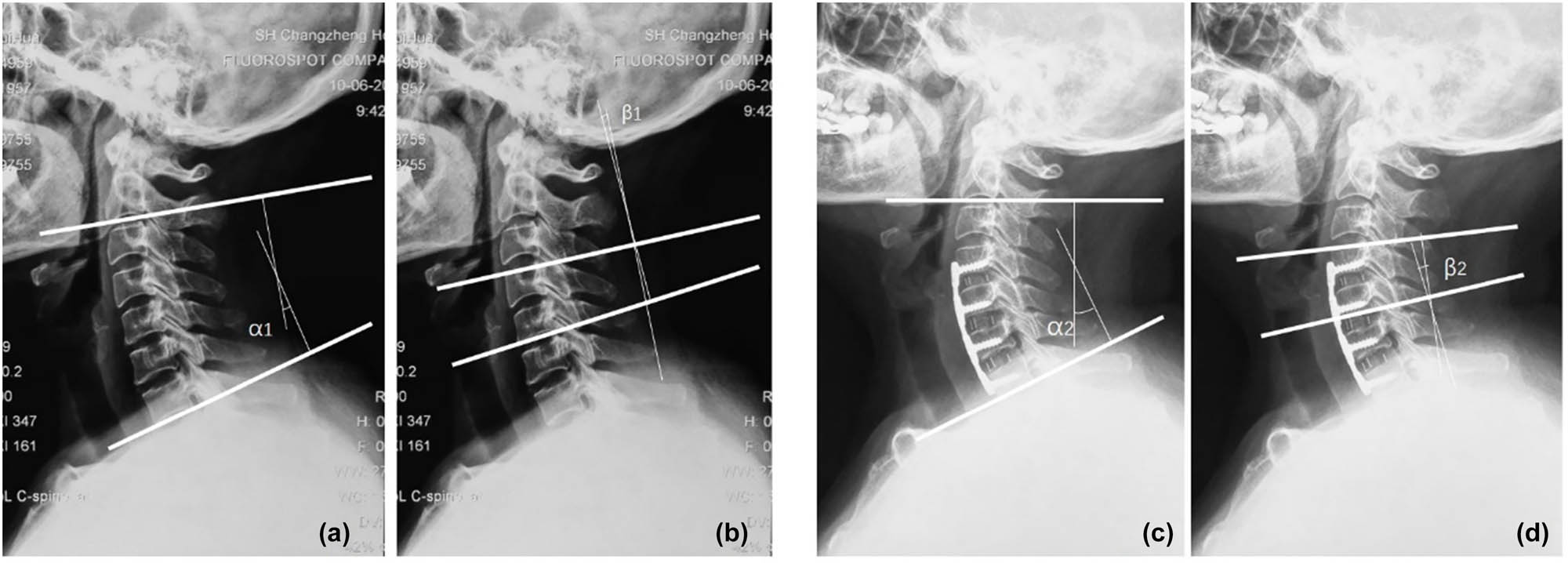
Preoperative C2–7 cervical curvature = α1 (a), preoperative C4–5 cervical curvature = β1 (b), postoperative C2–7 cervical curvature = α2 (c), and postoperative C4–5 cervical curvature = β1 (d).
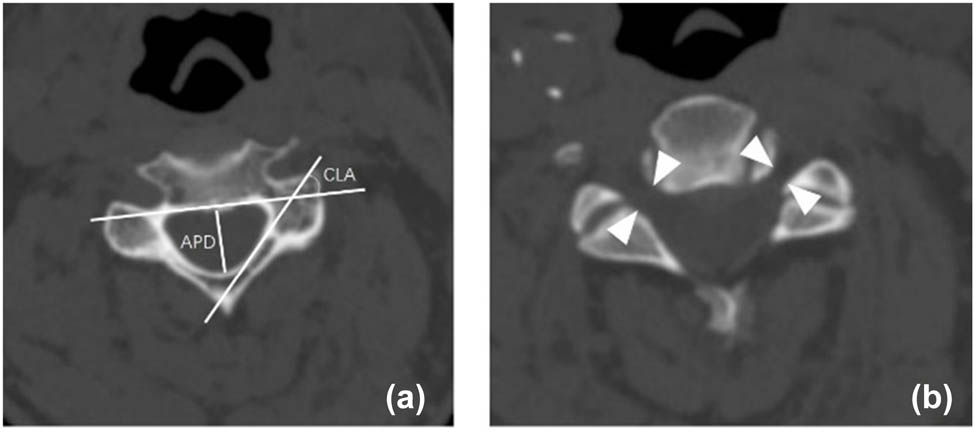
Preoperative APD, cord-lamina angle of C4/5 (CLA) (a). Foraminal diameter of C4/5 (FD) (b).
Our findings are in line with previous reports, which indicate that ACDF can expand the foramen through the intervertebral space, potentially injuring the nerve roots with the Kerrison rongeur. The occurrence of foraminal stenosis leading to C5 palsy can be explained by two mechanisms: direct C5 root injury, such as thermal injury during foraminotomy, and ischemic changes in the decompressed C5 roots that are already predisposed to palsy. It is worth noting that spinal cord impairment might also be a contributing factor to paralysis, as some patients developed C5 palsy despite undergoing prophylactic C4/5 foraminotomy and often had preoperative compression at the C4/5 level of the spinal cord [22]. A study found that for every 1-mm increase in APD and FD, the likelihood of palsy development decreased by 69% (P < 0.0001) and 98% (P < 0.0003), respectively [32]. They suggested that greater CLA and APD following decompression could result in posterior bowing and stretching of the nerve roots. Patients with higher CLA are theoretically more susceptible to C5 root tethering following posterior and possibly anterior decompressions. Our research indicates that the average CLA in the C5 palsy group was 46.90°, while in the non-C5 palsy group, it was 38.63° (Figure 3). This difference is statistically significant. We hypothesize that a narrower FD causes chronic extrusion of the nerve root, making it more vulnerable to damage. During anterior surgery, the Kerrison rongeur is often used to remove additional spurs in the nerve root canal through the intervertebral space, which can inevitably injure the cervical spine and nerve roots. CLA indirectly reflects the pathway of the nerve roots; a larger CLA indicates a larger angle between the nerve root and the posterior border of the vertebra. When the rongeur is inserted, nerve roots with a larger CLA experience greater deformation, making them more susceptible to injury and potentially explaining the occurrence of C5 palsy.
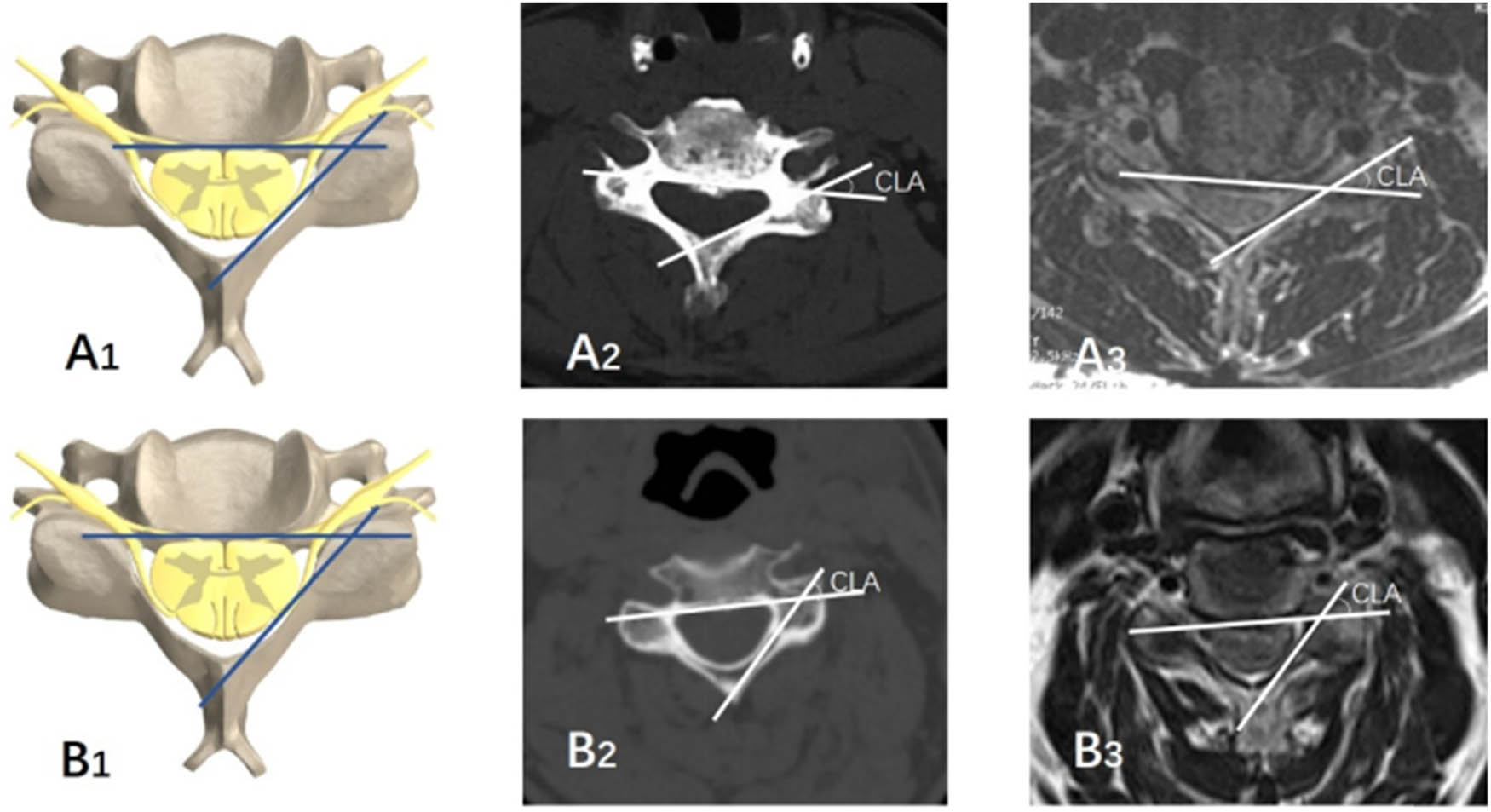
Smaller cord-lamina angle (A1, A2, A3) of C5 palsy patient and larger cord-lamina angle (B1, B2, B3) of non-C5 palsy patient.
Our study faced several limitations. First, the sample size of the C5 palsy group was insufficient to generate definitive results. Second, as a retrospective study, we could only establish correlations among anatomical factors and not causation. To confirm that smaller FD and larger CLA are risk factors for C5 palsy, a larger patient cohort and controlled experiments are needed. Additionally, basic experimental studies are required to demonstrate that ischemia–reperfusion injury and nerve fiber pathways are responsible for C5 palsy. A final key limitation of this study is the relatively small sample size, particularly the low number of C5P cases. This limited statistical power may have obscured important associations between potential risk factors and the occurrence of C5P. As a result, some factors that could be truly relevant may not have shown significance due to the insufficient number of events to detect a difference. Future studies with larger sample sizes are needed to confirm the findings and explore additional potential risk factors more comprehensively.
In the future study, we plan to carry out the following work: first, to conduct a multi-center study to verify our research results more widely; second, to track the long-term prognosis of C5P patients and analyze its development trend in depth; and third, to explore effective prevention strategies based on CLA and FD optimization. These studies will further enrich our understanding of C5P and related areas to provide more effective treatment options for patients.
5 Conclusion
Greater cord-lamina angle and a narrower C4/5 foramen diameter in ACDF patients are associated risk factors for C5 palsy, which can be linked to ischemic/reperfusion injury. Surgeons should consider adopting gentle surgical techniques to minimize the occurrence of C5 palsy.
-
Funding information: This work is funded by the Shanghai Municipal Commission of Health and Family Planning Program excellent academic leader project (2022XD009), Shanghai Science & Technology Commission Biopharmaceutical Science and Technology Supporting Foundation (21S31901400), Shanghai Education Development Foundation and Shanghai Municipal Education Commission Research and Innovation Program Major project (2023KJ05-60), and National Natural Science Foundation of China (82172470, 81972090).
-
Author contributions: Yang Liu designed the study. Wenchao Zhou, Baifeng Sun, and Zichuan Wu wrote the original draft. Aochen Xu, Hanlin Song, and Xuhong Zhang collected raw data. Junbin Liu and Junzhe Sheng performed statistical and bioinformatics analyses. Yang Liu supervised the study. All authors have given consent to publish.
-
Conflict of interest: The authors state no conflict of interest.
-
Data availability statement: The data could be obtained by contacting the corresponding author.
References
[1] Siccoli A, Staartjes VE, De Wispelaere MP, Vergroesen PA, Schröder ML. Tandem disc herniation of the lumbar and cervical spine: case series and review of the epidemiological, pathophysiological and genetic literature. Cureus. 2019 Feb;11(2):e4081.10.7759/cureus.4081Suche in Google Scholar PubMed PubMed Central
[2] Bray F, Ferlay J, Soerjomataram I, Siegel RL, Torre LA, Jemal A. Global cancer statistics 2018: GLOBOCAN estimates of incidence and mortality worldwide for 36 cancers in 185 countries. CA Cancer J Clin. 2018 Nov;68(6):394–424.10.3322/caac.21492Suche in Google Scholar PubMed
[3] Pan FM, Wang SJ, Ma B, Wu DS. C5 nerve root palsy after posterior cervical spine surgery. J Orthop Surg (Hong Kong). 2017 Jan;25(1):2309499016684502.10.1177/2309499016684502Suche in Google Scholar PubMed
[4] Freundlich RE, Maile MD, Sferra JJ, Jewell ES, Kheterpal S, Engoren M. Complications associated with mortality in the national surgical quality improvement program database. Anesth Analg. 2018 Jul;127(1):55–62.10.1213/ANE.0000000000002799Suche in Google Scholar PubMed PubMed Central
[5] Hofler RC, Frazzetta J, Zakaria J, Aziz A, Adams W, Jones GA. C5 palsy after cervical laminectomy: natural history in a 10-year series. Spine J. 2021 Sep;21(9):1473–8.10.1016/j.spinee.2021.04.003Suche in Google Scholar PubMed
[6] Kudo H, Takeuchi K, Yokoyama T, Yamasaki Y, Wada K, Kumagai G, et al. Severe C8 or T1 symptoms after cervical laminoplasty and related factors: are tere any differences between C3-C6 laminoplasty and C3-C7 laminoplasty? Asian Spine J. 2019 Mar;13(4):592–600.10.31616/asj.2018.0253Suche in Google Scholar PubMed PubMed Central
[7] Zhang Q, Guo R, Fang S, Tong S, Fan Y, Wang J. The clinical efficacy of laminectomy fusion fixation and posterior single open-door laminoplasty in the treatment of multilevel cervical ossification of the posterior longitudinal ligament (OPLL): a retrospective study. BMC Surg. 2023 Dec;23(1):380.10.1186/s12893-023-02289-9Suche in Google Scholar PubMed PubMed Central
[8] Hashimoto M, Hirai T, Sakai K, Yamada K, Sakaeda K, Hashimoto J, et al. Comparison of postoperative complications and outcomes in anterior cervical spine surgery: Ossification of the posterior longitudinal ligament versus cervical spondylotic myelopathy. Clin Spine Surg. 2024 May;37(4):170–7.10.1097/BSD.0000000000001612Suche in Google Scholar PubMed
[9] Bydon M, Macki M, Kaloostian P, Sciubba DM, Wolinsky JP, Gokaslan ZL, et al. Incidence and prognostic factors of c5 palsy: a clinical study of 1001 cases and review of the literature. Neurosurgery. 2014 Jun;74(6):595–604; discussion 604-5.10.1227/NEU.0000000000000322Suche in Google Scholar PubMed
[10] Chang PY, Chan RC, Tsai YA, Huang WC, Cheng H, Wang JC, et al. Quantitative measures of functional outcomes and quality of life in patients with C5 palsy. J Chin Med Assoc. 2013 Jul;76(7):378–84.10.1016/j.jcma.2013.03.008Suche in Google Scholar PubMed
[11] Chen Y, Guo Y, Lu X, Chen D, Song D, Shi J, et al. Surgical strategy for multilevel severe ossification of posterior longitudinal ligament in the cervical spine. J Spinal Disord Tech. 2011 Feb;24(1):24–30.10.1097/BSD.0b013e3181c7e91eSuche in Google Scholar PubMed
[12] Yamasaki Y, Takeuchi K, Numasawa T, Wada K, Itabashi T, Kumagai G, et al. Can prophylactic C4/5 foraminotomy prevent C5 palsy after cervical laminoplasty with and without posterior instrumented fusion with maximal expansion? Eur J Orthop Surg Traumatol. 2021 Aug;31(6):1037–46.10.1007/s00590-020-02842-9Suche in Google Scholar PubMed
[13] Weiss HK, Yamaguchi JT, Garcia RM, Hsu WK, Smith ZA, Dahdaleh NS. Trends in national use of anterior cervical discectomy and fusion from 2006 to 2016. World Neurosurg. 2020 Jun;138:e42–51.10.1016/j.wneu.2020.01.154Suche in Google Scholar PubMed PubMed Central
[14] Rostami M, Moghadam N, Obeid I, Jouibari MF, Zarei M, Moosavi M, et al. The impact of single-level anterior cervical discectomy and fusion on cervical sagittal parameters and its correlation with pain and functional outcome of patients with neck pain. Int J Spine Surg. 2021 Oct;15(5):899–905.10.14444/8115Suche in Google Scholar PubMed PubMed Central
[15] Badhiwala JH, Ellenbogen Y, Khan O, Nouri A, Jiang F, Wilson JRF, et al. Comparison of the inpatient complications and health care costs of anterior versus posterior cervical decompression and fusion in patients with multilevel degenerative cervical myelopathy: a retrospective propensity score-matched analysis. World Neurosurg. 2020 Feb;134:e112–9.10.1016/j.wneu.2019.09.132Suche in Google Scholar PubMed
[16] Ge RL, Liu X, Yang P, Wen BT, Guo ZQ, Chen ZQ. Comparable study of alternative-level and all-level Arch mini-plate fixation for unilateral open-door laminoplasty. Zhonghua Yi Xue Za Zhi. 2021 Jul;101(25):1978–84.Suche in Google Scholar
[17] Traynelis VC, Fontes RBV, Kasliwal MK, Ryu WHA, Tan LA, Witiw CD, et al. Risk factors for C5 palsy: a systematic review and multivariate analysis. J Neurosurg Spine. 2023 Nov;40(2):216–28.10.3171/2023.9.SPINE221352Suche in Google Scholar PubMed
[18] Wiginton 4th JG, Brazdzionis J, Mohrdar C, Sweiss R, Lawandy S. Spinal cord reperfusion injury: case report, review of the literature, and future treatment strategies. Cureus. 2019 Jul;11(7):e5279.10.7759/cureus.5279Suche in Google Scholar PubMed PubMed Central
[19] Khashab MA, Sanaei O, Rivory J, Eleftheriadis N, Chiu PWY, Shiwaku H, et al. Peroral endoscopic myotomy: anterior versus posterior approach: a randomized single-blinded clinical trial. Gastrointest Endosc. 2020 Feb;91(2):288–97.e7.10.1016/j.gie.2019.07.034Suche in Google Scholar PubMed
[20] Sun B, Xu C, Wu S, Zhang Y, Wu H, Qi M, et al. Efficacy and safety of ultrasonic bone curette-assisted dome-like laminoplasty in the treatment of cervical ossification of longitudinal ligament. Orthop Surg. 2021 Feb;13(1):161–7.10.1111/os.12858Suche in Google Scholar PubMed PubMed Central
[21] Wang WX, Zhao YB, Lu XD, Zhao XF, Jin YZ, Chen XW, et al. Influence of extending expansive open-door laminoplasty to C1 and C2 on cervical sagittal parameters. BMC Musculoskelet Disord. 2020 Feb;21(1):75.10.1186/s12891-020-3083-1Suche in Google Scholar PubMed PubMed Central
[22] Nakajima H, Kuroda H, Watanabe S, Honjoh K, Matsumine A. Risk factors and preventive measures for C5 palsy after cervical open-door laminoplasty. J Neurosurg Spine. 2019 Dec;32(4):592–9.10.3171/2019.10.SPINE19993Suche in Google Scholar PubMed
[23] Oh JK, Hong JT, Kang DH, Kim SW, Kim SW, Kim YJ, et al. Epidemiology of C5 palsy after cervical spine surgery: A 21-center study. Neurospine. 2019 Sep;16(3):558–62.10.14245/ns.1938142.071Suche in Google Scholar PubMed PubMed Central
[24] Park MS, Ju YS, Moon SH, Kim YW, Jung JH, Oh JH, et al. Reoperations after fusion surgeries for degenerative spinal diseases depending on cervical and lumbar regions: a national database study. BMC Musculoskelet Disord. 2021 Jul;22(1):617.10.1186/s12891-021-04491-3Suche in Google Scholar PubMed PubMed Central
[25] Takeuchi K, Yokoyama T, Wada K, Kumagai G, Kudo H, Tanaka S, et al. Improvement in the results of the simple-foot-tapping test and cross-sectional area of the dural sac in patients with C5 palsy after posterior cervical spine surgery. Eur J Orthop Surg Traumatol. 2020 Dec;30(8):1401–9.10.1007/s00590-020-02715-1Suche in Google Scholar PubMed
[26] Sattari SA, Ghanavatian M, Feghali J, Rincon-Torroella J, Yang W, Xu R, et al. Anterior cervical discectomy and fusion versus posterior decompression in patients with degenerative cervical myelopathy: a systematic review and meta-analysis. J Neurosurg Spine. 2023 Feb;38(2):145–59.10.3171/2023.1.SPINE221244Suche in Google Scholar PubMed
[27] Deeb M, Conti KR, Ohlstein JF, Jaworek AJ. Extruded screw from cervical spine hardware causing vocal fold paralysis. Ear Nose Throat J. 2023 Oct;102(9):1455613231207237.10.1177/01455613231207237Suche in Google Scholar PubMed
[28] Levi DJ, Brusko GD, Levi AD, Wang MY. Does hinge sidedness influence laterality of C5 palsy after expansile open-door cervical laminoplasty? Neurosurg Focus. 2023 Sep;55(3):E6.10.3171/2023.6.FOCUS23297Suche in Google Scholar PubMed
[29] Yoshii T, Egawa S, Chikuda H, Wakao N, Furuya T, Kanchiku T, et al. A systematic review and meta-analysis comparing anterior decompression with fusion and posterior laminoplasty for cervical spondylotic myelopathy. J Orthop Sci. 2021 Jan;26(1):116–22.10.1016/j.jos.2020.02.008Suche in Google Scholar PubMed
[30] Yerneni K, Burke JF, Nichols N, Tan LA. Delayed recurrent laryngeal nerve palsy following anterior cervical discectomy and fusion. World Neurosurg. 2019 Feb;122:380–3.10.1016/j.wneu.2018.11.066Suche in Google Scholar PubMed
[31] Haddad NA, Schreier DJ, Fugate JE, Gajic O, Hocker SE, Ice CJ, et al. Incidence and predictive factors associated with beta-lactam neurotoxicity in the critically ill: a retrospective cohort study. Neurocrit Care. 2022 Aug;37(1):73–80.10.1007/s12028-022-01442-1Suche in Google Scholar PubMed PubMed Central
[32] Wu KY, Asserson DB, Loosbrock MF, Bishop AT, Spinner RJ, Shin AY. Clinical predictors of C5 spinal nerve viability in pan-brachial plexus injuries. Plast Reconstr Surg. 2024 Jun;153(6):1131e–7e.10.1097/PRS.0000000000010906Suche in Google Scholar PubMed
© 2025 the author(s), published by De Gruyter
This work is licensed under the Creative Commons Attribution 4.0 International License.
Artikel in diesem Heft
- Research Articles
- Network pharmacological analysis and in vitro testing of the rutin effects on triple-negative breast cancer
- Impact of diabetes on long-term survival in elderly liver cancer patients: A retrospective study
- Knockdown of CCNB1 alleviates high glucose-triggered trophoblast dysfunction during gestational diabetes via Wnt/β-catenin signaling pathway
- Risk factors for severe adverse drug reactions in hospitalized patients
- Analysis of the effect of ALA-PDT on macrophages in footpad model of mice infected with Fonsecaea monophora based on single-cell sequencing
- Development and validation of headspace gas chromatography with a flame ionization detector method for the determination of ethanol in the vitreous humor
- CMSP exerts anti-tumor effects on small cell lung cancer cells by inducing mitochondrial dysfunction and ferroptosis
- Predictive value of plasma sB7-H3 and YKL-40 in pediatric refractory Mycoplasma pneumoniae pneumonia
- Antiangiogenic potential of Elaeagnus umbellata extracts and molecular docking study by targeting VEGFR-2 pathway
- Comparison of the effectiveness of nurse-led preoperative counseling and postoperative follow-up care vs standard care for patients with gastric cancer
- Comparing the therapeutic efficacy of endoscopic minimally invasive surgery and traditional surgery for early-stage breast cancer: A meta-analysis
- Adhered macrophages as an additional marker of cardiomyocyte injury in biopsies of patients with dilated cardiomyopathy
- Association between statin administration and outcome in patients with sepsis: A retrospective study
- Exploration of the association between estimated glucose disposal rate and osteoarthritis in middle-aged and older adults: An analysis of NHANES data from 2011 to 2018
- A comparative analysis of the binary and multiclass classified chest X-ray images of pneumonia and COVID-19 with ML and DL models
- Lysophosphatidic acid 2 alleviates deep vein thrombosis via protective endothelial barrier function
- Transcription factor A, mitochondrial promotes lymph node metastasis and lymphangiogenesis in epithelial ovarian carcinoma
- Serum PM20D1 levels are associated with nutritional status and inflammatory factors in gastric cancer patients undergoing early enteral nutrition
- Hydromorphone reduced the incidence of emergence agitation after adenotonsillectomy in children with obstructive sleep apnea: A randomized, double-blind study
- Vitamin D replacement therapy may regulate sleep habits in patients with restless leg syndrome
- The first-line antihypertensive nitrendipine potentiated the therapeutic effect of oxaliplatin by downregulating CACNA1D in colorectal cancer
- Health literacy and health-related quality of life: The mediating role of irrational happiness
- Modulatory effects of Lycium barbarum polysaccharide on bone cell dynamics in osteoporosis
- Mechanism research on inhibition of gastric cancer in vitro by the extract of Pinellia ternata based on network pharmacology and cellular metabolomics
- Examination of the causal role of immune cells in non-alcoholic fatty liver disease by a bidirectional Mendelian randomization study
- Clinical analysis of ten cases of HIV infection combined with acute leukemia
- Investigating the cardioprotective potential of quercetin against tacrolimus-induced cardiotoxicity in Wistar rats: A mechanistic insights
- Clinical observation of probiotics combined with mesalazine and Yiyi Baitouweng Decoction retention enema in treating mild-to-moderate ulcerative colitis
- Diagnostic value of ratio of blood inflammation to coagulation markers in periprosthetic joint infection
- Sex-specific associations of sex hormone binding globulin and risk of bladder cancer
- Core muscle strength and stability-oriented breathing training reduces inter-recti distance in postpartum women
- The ERAS nursing care strategy for patients undergoing transsphenoidal endoscopic pituitary tumor resection: A randomized blinded controlled trial
- The serum IL-17A levels in patients with traumatic bowel rupture post-surgery and its predictive value for patient prognosis
- Impact of Kolb’s experiential learning theory-based nursing on caregiver burden and psychological state of caregivers of dementia patients
- Analysis of serum NLR combined with intraoperative margin condition to predict the prognosis of cervical HSIL patients undergoing LEEP surgery
- Commiphora gileadensis ameliorate infertility and erectile dysfunction in diabetic male mice
- The correlation between epithelial–mesenchymal transition classification and MMP2 expression of circulating tumor cells and prognosis of advanced or metastatic nasopharyngeal carcinoma
- Tetrahydropalmatine improves mitochondrial function in vascular smooth muscle cells of atherosclerosis in vitro by inhibiting Ras homolog gene family A/Rho-associated protein kinase-1 signaling pathway
- A cross-sectional study: Relationship between serum oxidative stress levels and arteriovenous fistula maturation in maintenance dialysis patients
- A comparative analysis of the impact of repeated administration of flavan 3-ol on brown, subcutaneous, and visceral adipose tissue
- Identifying early screening factors for depression in middle-aged and older adults: A cohort study
- Perform tumor-specific survival analysis for Merkel cell carcinoma patients undergoing surgical resection based on the SEER database by constructing a nomogram chart
- Unveiling the role of CXCL10 in pancreatic cancer progression: A novel prognostic indicator
- High-dose preoperative intraperitoneal erythropoietin and intravenous methylprednisolone in acute traumatic spinal cord injuries following decompression surgeries
- RAB39B: A novel biomarker for acute myeloid leukemia identified via multi-omics and functional validation
- Impact of peripheral conditioning on reperfusion injury following primary percutaneous coronary intervention in diabetic and non-diabetic STEMI patients
- Clinical efficacy of azacitidine in the treatment of middle- and high-risk myelodysplastic syndrome in middle-aged and elderly patients: A retrospective study
- The effect of ambulatory blood pressure load on mitral regurgitation in continuous ambulatory peritoneal dialysis patients
- Expression and clinical significance of ITGA3 in breast cancer
- Single-nucleus RNA sequencing reveals ARHGAP28 expression of podocytes as a biomarker in human diabetic nephropathy
- rSIG combined with NLR in the prognostic assessment of patients with multiple injuries
- Toxic metals and metalloids in collagen supplements of fish and jellyfish origin: Risk assessment for daily intake
- Exploring causal relationship between 41 inflammatory cytokines and marginal zone lymphoma: A bidirectional Mendelian randomization study
- Gender beliefs and legitimization of dating violence in adolescents
- Effect of serum IL-6, CRP, and MMP-9 levels on the efficacy of modified preperitoneal Kugel repair in patients with inguinal hernia
- Effect of smoking and smoking cessation on hematological parameters in polycythemic patients
- Pathogen surveillance and risk factors for pulmonary infection in patients with lung cancer: A retrospective single-center study
- Necroptosis of hippocampal neurons in paclitaxel chemotherapy-induced cognitive impairment mediates microglial activation via TLR4/MyD88 signaling pathway
- Celastrol suppresses neovascularization in rat aortic vascular endothelial cells stimulated by inflammatory tenocytes via modulating the NLRP3 pathway
- Cord-lamina angle and foraminal diameter as key predictors of C5 palsy after anterior cervical decompression and fusion surgery
- GATA1: A key biomarker for predicting the prognosis of patients with diffuse large B-cell lymphoma
- Influencing factors of false lumen thrombosis in type B aortic dissection: A single-center retrospective study
- MZB1 regulates the immune microenvironment and inhibits ovarian cancer cell migration
- Integrating experimental and network pharmacology to explore the pharmacological mechanisms of Dioscin against glioblastoma
- Trends in research on preterm birth in twin pregnancy based on bibliometrics
- Four-week IgE/baseline IgE ratio combined with tryptase predicts clinical outcome in omalizumab-treated children with moderate-to-severe asthma
- Single-cell transcriptomic analysis identifies a stress response Schwann cell subtype
- Acute pancreatitis risk in the diagnosis and management of inflammatory bowel disease: A critical focus
- Effect of subclinical esketamine on NLRP3 and cognitive dysfunction in elderly ischemic stroke patients
- Interleukin-37 mediates the anti-oral tumor activity in oral cancer through STAT3
- CA199 and CEA expression levels, and minimally invasive postoperative prognosis analysis in esophageal squamous carcinoma patients
- Efficacy of a novel drainage catheter in the treatment of CSF leak after posterior spine surgery: A retrospective cohort study
- Comprehensive biomedicine assessment of Apteranthes tuberculata extracts: Phytochemical analysis and multifaceted pharmacological evaluation in animal models
- Relation of time in range to severity of coronary artery disease in patients with type 2 diabetes: A cross-sectional study
- Dopamine attenuates ethanol-induced neuronal apoptosis by stimulating electrical activity in the developing rat retina
- Correlation between albumin levels during the third trimester and the risk of postpartum levator ani muscle rupture
- Factors associated with maternal attention and distraction during breastfeeding and childcare: A cross-sectional study in the west of Iran
- Mechanisms of hesperetin in treating metabolic dysfunction-associated steatosis liver disease via network pharmacology and in vitro experiments
- The law on oncological oblivion in the Italian and European context: How to best uphold the cancer patients’ rights to privacy and self-determination?
- The prognostic value of the neutrophil-to-lymphocyte ratio, platelet-to-lymphocyte ratio, and prognostic nutritional index for survival in patients with colorectal cancer
- Factors affecting the measurements of peripheral oxygen saturation values in healthy young adults
- Comparison and correlations between findings of hysteroscopy and vaginal color Doppler ultrasonography for detection of uterine abnormalities in patients with recurrent implantation failure
- The effects of different types of RAGT on balance function in stroke patients with low levels of independent walking in a convalescent rehabilitation hospital
- Causal relationship between asthma and ankylosing spondylitis: A bidirectional two-sample univariable and multivariable Mendelian randomization study
- Correlations of health literacy with individuals’ understanding and use of medications in Southern Taiwan
- Correlation of serum calprotectin with outcome of acute cerebral infarction
- Comparison of computed tomography and guided bronchoscopy in the diagnosis of pulmonary nodules: A systematic review and meta-analysis
- Curdione protects vascular endothelial cells and atherosclerosis via the regulation of DNMT1-mediated ERBB4 promoter methylation
- The identification of novel missense variant in ChAT gene in a patient with gestational diabetes denotes plausible genetic association
- Molecular genotyping of multi-system rare blood types in foreign blood donors based on DNA sequencing and its clinical significance
- Exploring the role of succinyl carnitine in the association between CD39⁺ CD4⁺ T cell and ulcerative colitis: A Mendelian randomization study
- Dexmedetomidine suppresses microglial activation in postoperative cognitive dysfunction via the mmu-miRNA-125/TRAF6 signaling axis
- Analysis of serum metabolomics in patients with different types of chronic heart failure
- Diagnostic value of hematological parameters in the early diagnosis of acute cholecystitis
- Pachymaran alleviates fat accumulation, hepatocyte degeneration, and injury in mice with nonalcoholic fatty liver disease
- Decrease in CD4 and CD8 lymphocytes are predictors of severe clinical picture and unfavorable outcome of the disease in patients with COVID-19
- METTL3 blocked the progression of diabetic retinopathy through m6A-modified SOX2
- The predictive significance of anti-RO-52 antibody in patients with interstitial pneumonia after treatment of malignant tumors
- Exploring cerebrospinal fluid metabolites, cognitive function, and brain atrophy: Insights from Mendelian randomization
- Development and validation of potential molecular subtypes and signatures of ocular sarcoidosis based on autophagy-related gene analysis
- Widespread venous thrombosis: Unveiling a complex case of Behçet’s disease with a literature perspective
- Uterine fibroid embolization: An analysis of clinical outcomes and impact on patients’ quality of life
- Discovery of lipid metabolism-related diagnostic biomarkers and construction of diagnostic model in steroid-induced osteonecrosis of femoral head
- Serum-derived exomiR-188-3p is a promising novel biomarker for early-stage ovarian cancer
- Enhancing chronic back pain management: A comparative study of ultrasound–MRI fusion guidance for paravertebral nerve block
- Peptide CCAT1-70aa promotes hepatocellular carcinoma proliferation and invasion via the MAPK/ERK pathway
- Electroacupuncture-induced reduction of myocardial ischemia–reperfusion injury via FTO-dependent m6A methylation modulation
- Hemorrhoids and cardiovascular disease: A bidirectional Mendelian randomization study
- Cell-free adipose extract inhibits hypertrophic scar formation through collagen remodeling and antiangiogenesis
- HALP score in Demodex blepharitis: A case–control study
- Assessment of SOX2 performance as a marker for circulating cancer stem-like cells (CCSCs) identification in advanced breast cancer patients using CytoTrack system
- Risk and prognosis for brain metastasis in primary metastatic cervical cancer patients: A population-based study
- Comparison of the two intestinal anastomosis methods in pediatric patients
- Factors influencing hematological toxicity and adverse effects of perioperative hyperthermic intraperitoneal vs intraperitoneal chemotherapy in gastrointestinal cancer
- Endotoxin tolerance inhibits NLRP3 inflammasome activation in macrophages of septic mice by restoring autophagic flux through TRIM26
- Lateral transperitoneal laparoscopic adrenalectomy: A single-centre experience of 21 procedures
- Petunidin attenuates lipopolysaccharide-induced retinal microglia inflammatory response in diabetic retinopathy by targeting OGT/NF-κB/LCN2 axis
- Procalcitonin and C-reactive protein as biomarkers for diagnosing and assessing the severity of acute cholecystitis
- Factors determining the number of sessions in successful extracorporeal shock wave lithotripsy patients
- Development of a nomogram for predicting cancer-specific survival in patients with renal pelvic cancer following surgery
- Inhibition of ATG7 promotes orthodontic tooth movement by regulating the RANKL/OPG ratio under compression force
- A machine learning-based prognostic model integrating mRNA stemness index, hypoxia, and glycolysis‑related biomarkers for colorectal cancer
- Glutathione attenuates sepsis-associated encephalopathy via dual modulation of NF-κB and PKA/CREB pathways
- FAHD1 prevents neuronal ferroptosis by modulating R-loop and the cGAS–STING pathway
- Association of placenta weight and morphology with term low birth weight: A case–control study
- Investigation of the pathogenic variants induced Sjogren’s syndrome in Turkish population
- Nucleotide metabolic abnormalities in post-COVID-19 condition and type 2 diabetes mellitus patients and their association with endocrine dysfunction
- TGF-β–Smad2/3 signaling in high-altitude pulmonary hypertension in rats: Role and mechanisms via macrophage M2 polarization
- Ultrasound-guided unilateral versus bilateral erector spinae plane block for postoperative analgesia of patients undergoing laparoscopic cholecystectomy
- Profiling gut microbiome dynamics in subacute thyroiditis: Implications for pathogenesis, diagnosis, and treatment
- Delta neutrophil index, CRP/albumin ratio, procalcitonin, immature granulocytes, and HALP score in acute appendicitis: Best performing biomarker?
- Anticancer activity mechanism of novelly synthesized and characterized benzofuran ring-linked 3-nitrophenyl chalcone derivative on colon cancer cells
- H2valdien3 arrests the cell cycle and induces apoptosis of gastric cancer
- Prognostic relevance of PRSS2 and its immune correlates in papillary thyroid carcinoma
- Association of SGLT2 inhibition with psychiatric disorders: A Mendelian randomization study
- Motivational interviewing for alcohol use reduction in Thai patients
- Luteolin alleviates oxygen-glucose deprivation/reoxygenation-induced neuron injury by regulating NLRP3/IL-1β signaling
- Polyphyllin II inhibits thyroid cancer cell growth by simultaneously inhibiting glycolysis and oxidative phosphorylation
- Relationship between the expression of copper death promoting factor SLC31A1 in papillary thyroid carcinoma and clinicopathological indicators and prognosis
- CSF2 polarized neutrophils and invaded renal cancer cells in vitro influence
- Proton pump inhibitors-induced thrombocytopenia: A systematic literature analysis of case reports
- The current status and influence factors of research ability among community nurses: A sequential qualitative–quantitative study
- OKAIN: A comprehensive oncology knowledge base for the interpretation of clinically actionable alterations
- The relationship between serum CA50, CA242, and SAA levels and clinical pathological characteristics and prognosis in patients with pancreatic cancer
- Identification and external validation of a prognostic signature based on hypoxia–glycolysis-related genes for kidney renal clear cell carcinoma
- Engineered RBC-derived nanovesicles functionalized with tumor-targeting ligands: A comparative study on breast cancer targeting efficiency and biocompatibility
- Relationship of resting echocardiography combined with serum micronutrients to the severity of low-gradient severe aortic stenosis
- Effect of vibration on pain during subcutaneous heparin injection: A randomized, single-blind, placebo-controlled trial
- The diagnostic performance of machine learning-based FFRCT for coronary artery disease: A meta-analysis
- Comparing biofeedback device vs diaphragmatic breathing for bloating relief: A randomized controlled trial
- Serum uric acid to albumin ratio and C-reactive protein as predictive biomarkers for chronic total occlusion and coronary collateral circulation quality
- Multiple organ scoring systems for predicting in-hospital mortality of sepsis patients in the intensive care unit
- Single-cell RNA sequencing data analysis of the inner ear in gentamicin-treated mice via intraperitoneal injection
- Suppression of cathepsin B attenuates myocardial injury via limiting cardiomyocyte apoptosis
- Review Articles
- The effects of enhanced external counter-pulsation on post-acute sequelae of COVID-19: A narrative review
- Diabetes-related cognitive impairment: Mechanisms, symptoms, and treatments
- Microscopic changes and gross morphology of placenta in women affected by gestational diabetes mellitus in dietary treatment: A systematic review
- Review of mechanisms and frontier applications in IL-17A-induced hypertension
- Research progress on the correlation between islet amyloid peptides and type 2 diabetes mellitus
- The safety and efficacy of BCG combined with mitomycin C compared with BCG monotherapy in patients with non-muscle-invasive bladder cancer: A systematic review and meta-analysis
- The application of augmented reality in robotic general surgery: A mini-review
- The effect of Greek mountain tea extract and wheat germ extract on peripheral blood flow and eicosanoid metabolism in mammals
- Neurogasobiology of migraine: Carbon monoxide, hydrogen sulfide, and nitric oxide as emerging pathophysiological trinacrium relevant to nociception regulation
- Plant polyphenols, terpenes, and terpenoids in oral health
- Laboratory medicine between technological innovation, rights safeguarding, and patient safety: A bioethical perspective
- End-of-life in cancer patients: Medicolegal implications and ethical challenges in Europe
- The maternal factors during pregnancy for intrauterine growth retardation: An umbrella review
- Intra-abdominal hypertension/abdominal compartment syndrome of pediatric patients in critical care settings
- PI3K/Akt pathway and neuroinflammation in sepsis-associated encephalopathy
- Screening of Group B Streptococcus in pregnancy: A systematic review for the laboratory detection
- Giant borderline ovarian tumours – review of the literature
- Leveraging artificial intelligence for collaborative care planning: Innovations and impacts in shared decision-making – A systematic review
- Cholera epidemiology analysis through the experience of the 1973 Naples epidemic
- Risk factors of frailty/sarcopenia in community older adults: Meta-analysis
- Supplement strategies for infertility in overweight women: Evidence and legal insights
- Scurvy, a not obsolete disorder: Clinical report in eight young children and literature review
- A meta-analysis of the effects of DBS on cognitive function in patients with advanced PD
- Protective role of selenium in sepsis: Mechanisms and potential therapeutic strategies
- Strategies for hyperkalemia management in dialysis patients: A systematic review
- C-reactive protein-to-albumin ratio in peripheral artery disease
- Case Reports
- Delayed graft function after renal transplantation
- Semaglutide treatment for type 2 diabetes in a patient with chronic myeloid leukemia: A case report and review of the literature
- Diverse electrophysiological demyelinating features in a late-onset glycogen storage disease type IIIa case
- Giant right atrial hemangioma presenting with ascites: A case report
- Laser excision of a large granular cell tumor of the vocal cord with subglottic extension: A case report
- EsoFLIP-assisted dilation for dysphagia in systemic sclerosis: Highlighting the role of multimodal esophageal evaluation
- Molecular hydrogen-rhodiola as an adjuvant therapy for ischemic stroke in internal carotid artery occlusion: A case report
- Coronary artery anomalies: A case of the “malignant” left coronary artery and its surgical management
- Rapid Communication
- Biological properties of valve materials using RGD and EC
-
A single oral administration of flavanols enhances short
-term memory in mice along with increased brain-derived neurotrophic factor - Letter to the Editor
- Role of enhanced external counterpulsation in long COVID
- Expression of Concern
- Expression of concern “A ceRNA network mediated by LINC00475 in papillary thyroid carcinoma”
- Expression of concern “Notoginsenoside R1 alleviates spinal cord injury through the miR-301a/KLF7 axis to activate Wnt/β-catenin pathway”
- Expression of concern “circ_0020123 promotes cell proliferation and migration in lung adenocarcinoma via PDZD8”
- Corrigendum
- Corrigendum to “Empagliflozin improves aortic injury in obese mice by regulating fatty acid metabolism”
- Corrigendum to “Comparing the therapeutic efficacy of endoscopic minimally invasive surgery and traditional surgery for early-stage breast cancer: A meta-analysis”
- Corrigendum to “The progress of autoimmune hepatitis research and future challenges”
- Retraction
- Retraction of “miR-654-5p promotes gastric cancer progression via the GPRIN1/NF-κB pathway”
- Retraction of: “LncRNA CASC15 inhibition relieves renal fibrosis in diabetic nephropathy through downregulating SP-A by sponging to miR-424”
- Retraction of: “SCARA5 inhibits oral squamous cell carcinoma via inactivating the STAT3 and PI3K/AKT signaling pathways”
- Special Issue Advancements in oncology: bridging clinical and experimental research - Part II
- Unveiling novel biomarkers for platinum chemoresistance in ovarian cancer
- Lathyrol affects the expression of AR and PSA and inhibits the malignant behavior of RCC cells
- The era of increasing cancer survivorship: Trends in fertility preservation, medico-legal implications, and ethical challenges
- Bone scintigraphy and positron emission tomography in the early diagnosis of MRONJ
- Meta-analysis of clinical efficacy and safety of immunotherapy combined with chemotherapy in non-small cell lung cancer
- Special Issue Computational Intelligence Methodologies Meets Recurrent Cancers - Part IV
- Exploration of mRNA-modifying METTL3 oncogene as momentous prognostic biomarker responsible for colorectal cancer development
- Special Issue The evolving saga of RNAs from bench to bedside - Part III
- Interaction and verification of ferroptosis-related RNAs Rela and Stat3 in promoting sepsis-associated acute kidney injury
- The mRNA MOXD1: Link to oxidative stress and prognostic significance in gastric cancer
- Special Issue Exploring the biological mechanism of human diseases based on MultiOmics Technology - Part II
- Dynamic changes in lactate-related genes in microglia and their role in immune cell interactions after ischemic stroke
- A prognostic model correlated with fatty acid metabolism in Ewing’s sarcoma based on bioinformatics analysis
- Red cell distribution width predicts early kidney injury: A NHANES cross-sectional study
- Special Issue Diabetes mellitus: pathophysiology, complications & treatment
- Nutritional risk assessment and nutritional support in children with congenital diabetes during surgery
- Correlation of the differential expressions of RANK, RANKL, and OPG with obesity in the elderly population in Xinjiang
- A discussion on the application of fluorescence micro-optical sectioning tomography in the research of cognitive dysfunction in diabetes
- A review of brain research on T2DM-related cognitive dysfunction
- Metformin and estrogen modulation in LABC with T2DM: A 36-month randomized trial
- Special Issue Innovative Biomarker Discovery and Precision Medicine in Cancer Diagnostics
- CircASH1L-mediated tumor progression in triple-negative breast cancer: PI3K/AKT pathway mechanisms
Artikel in diesem Heft
- Research Articles
- Network pharmacological analysis and in vitro testing of the rutin effects on triple-negative breast cancer
- Impact of diabetes on long-term survival in elderly liver cancer patients: A retrospective study
- Knockdown of CCNB1 alleviates high glucose-triggered trophoblast dysfunction during gestational diabetes via Wnt/β-catenin signaling pathway
- Risk factors for severe adverse drug reactions in hospitalized patients
- Analysis of the effect of ALA-PDT on macrophages in footpad model of mice infected with Fonsecaea monophora based on single-cell sequencing
- Development and validation of headspace gas chromatography with a flame ionization detector method for the determination of ethanol in the vitreous humor
- CMSP exerts anti-tumor effects on small cell lung cancer cells by inducing mitochondrial dysfunction and ferroptosis
- Predictive value of plasma sB7-H3 and YKL-40 in pediatric refractory Mycoplasma pneumoniae pneumonia
- Antiangiogenic potential of Elaeagnus umbellata extracts and molecular docking study by targeting VEGFR-2 pathway
- Comparison of the effectiveness of nurse-led preoperative counseling and postoperative follow-up care vs standard care for patients with gastric cancer
- Comparing the therapeutic efficacy of endoscopic minimally invasive surgery and traditional surgery for early-stage breast cancer: A meta-analysis
- Adhered macrophages as an additional marker of cardiomyocyte injury in biopsies of patients with dilated cardiomyopathy
- Association between statin administration and outcome in patients with sepsis: A retrospective study
- Exploration of the association between estimated glucose disposal rate and osteoarthritis in middle-aged and older adults: An analysis of NHANES data from 2011 to 2018
- A comparative analysis of the binary and multiclass classified chest X-ray images of pneumonia and COVID-19 with ML and DL models
- Lysophosphatidic acid 2 alleviates deep vein thrombosis via protective endothelial barrier function
- Transcription factor A, mitochondrial promotes lymph node metastasis and lymphangiogenesis in epithelial ovarian carcinoma
- Serum PM20D1 levels are associated with nutritional status and inflammatory factors in gastric cancer patients undergoing early enteral nutrition
- Hydromorphone reduced the incidence of emergence agitation after adenotonsillectomy in children with obstructive sleep apnea: A randomized, double-blind study
- Vitamin D replacement therapy may regulate sleep habits in patients with restless leg syndrome
- The first-line antihypertensive nitrendipine potentiated the therapeutic effect of oxaliplatin by downregulating CACNA1D in colorectal cancer
- Health literacy and health-related quality of life: The mediating role of irrational happiness
- Modulatory effects of Lycium barbarum polysaccharide on bone cell dynamics in osteoporosis
- Mechanism research on inhibition of gastric cancer in vitro by the extract of Pinellia ternata based on network pharmacology and cellular metabolomics
- Examination of the causal role of immune cells in non-alcoholic fatty liver disease by a bidirectional Mendelian randomization study
- Clinical analysis of ten cases of HIV infection combined with acute leukemia
- Investigating the cardioprotective potential of quercetin against tacrolimus-induced cardiotoxicity in Wistar rats: A mechanistic insights
- Clinical observation of probiotics combined with mesalazine and Yiyi Baitouweng Decoction retention enema in treating mild-to-moderate ulcerative colitis
- Diagnostic value of ratio of blood inflammation to coagulation markers in periprosthetic joint infection
- Sex-specific associations of sex hormone binding globulin and risk of bladder cancer
- Core muscle strength and stability-oriented breathing training reduces inter-recti distance in postpartum women
- The ERAS nursing care strategy for patients undergoing transsphenoidal endoscopic pituitary tumor resection: A randomized blinded controlled trial
- The serum IL-17A levels in patients with traumatic bowel rupture post-surgery and its predictive value for patient prognosis
- Impact of Kolb’s experiential learning theory-based nursing on caregiver burden and psychological state of caregivers of dementia patients
- Analysis of serum NLR combined with intraoperative margin condition to predict the prognosis of cervical HSIL patients undergoing LEEP surgery
- Commiphora gileadensis ameliorate infertility and erectile dysfunction in diabetic male mice
- The correlation between epithelial–mesenchymal transition classification and MMP2 expression of circulating tumor cells and prognosis of advanced or metastatic nasopharyngeal carcinoma
- Tetrahydropalmatine improves mitochondrial function in vascular smooth muscle cells of atherosclerosis in vitro by inhibiting Ras homolog gene family A/Rho-associated protein kinase-1 signaling pathway
- A cross-sectional study: Relationship between serum oxidative stress levels and arteriovenous fistula maturation in maintenance dialysis patients
- A comparative analysis of the impact of repeated administration of flavan 3-ol on brown, subcutaneous, and visceral adipose tissue
- Identifying early screening factors for depression in middle-aged and older adults: A cohort study
- Perform tumor-specific survival analysis for Merkel cell carcinoma patients undergoing surgical resection based on the SEER database by constructing a nomogram chart
- Unveiling the role of CXCL10 in pancreatic cancer progression: A novel prognostic indicator
- High-dose preoperative intraperitoneal erythropoietin and intravenous methylprednisolone in acute traumatic spinal cord injuries following decompression surgeries
- RAB39B: A novel biomarker for acute myeloid leukemia identified via multi-omics and functional validation
- Impact of peripheral conditioning on reperfusion injury following primary percutaneous coronary intervention in diabetic and non-diabetic STEMI patients
- Clinical efficacy of azacitidine in the treatment of middle- and high-risk myelodysplastic syndrome in middle-aged and elderly patients: A retrospective study
- The effect of ambulatory blood pressure load on mitral regurgitation in continuous ambulatory peritoneal dialysis patients
- Expression and clinical significance of ITGA3 in breast cancer
- Single-nucleus RNA sequencing reveals ARHGAP28 expression of podocytes as a biomarker in human diabetic nephropathy
- rSIG combined with NLR in the prognostic assessment of patients with multiple injuries
- Toxic metals and metalloids in collagen supplements of fish and jellyfish origin: Risk assessment for daily intake
- Exploring causal relationship between 41 inflammatory cytokines and marginal zone lymphoma: A bidirectional Mendelian randomization study
- Gender beliefs and legitimization of dating violence in adolescents
- Effect of serum IL-6, CRP, and MMP-9 levels on the efficacy of modified preperitoneal Kugel repair in patients with inguinal hernia
- Effect of smoking and smoking cessation on hematological parameters in polycythemic patients
- Pathogen surveillance and risk factors for pulmonary infection in patients with lung cancer: A retrospective single-center study
- Necroptosis of hippocampal neurons in paclitaxel chemotherapy-induced cognitive impairment mediates microglial activation via TLR4/MyD88 signaling pathway
- Celastrol suppresses neovascularization in rat aortic vascular endothelial cells stimulated by inflammatory tenocytes via modulating the NLRP3 pathway
- Cord-lamina angle and foraminal diameter as key predictors of C5 palsy after anterior cervical decompression and fusion surgery
- GATA1: A key biomarker for predicting the prognosis of patients with diffuse large B-cell lymphoma
- Influencing factors of false lumen thrombosis in type B aortic dissection: A single-center retrospective study
- MZB1 regulates the immune microenvironment and inhibits ovarian cancer cell migration
- Integrating experimental and network pharmacology to explore the pharmacological mechanisms of Dioscin against glioblastoma
- Trends in research on preterm birth in twin pregnancy based on bibliometrics
- Four-week IgE/baseline IgE ratio combined with tryptase predicts clinical outcome in omalizumab-treated children with moderate-to-severe asthma
- Single-cell transcriptomic analysis identifies a stress response Schwann cell subtype
- Acute pancreatitis risk in the diagnosis and management of inflammatory bowel disease: A critical focus
- Effect of subclinical esketamine on NLRP3 and cognitive dysfunction in elderly ischemic stroke patients
- Interleukin-37 mediates the anti-oral tumor activity in oral cancer through STAT3
- CA199 and CEA expression levels, and minimally invasive postoperative prognosis analysis in esophageal squamous carcinoma patients
- Efficacy of a novel drainage catheter in the treatment of CSF leak after posterior spine surgery: A retrospective cohort study
- Comprehensive biomedicine assessment of Apteranthes tuberculata extracts: Phytochemical analysis and multifaceted pharmacological evaluation in animal models
- Relation of time in range to severity of coronary artery disease in patients with type 2 diabetes: A cross-sectional study
- Dopamine attenuates ethanol-induced neuronal apoptosis by stimulating electrical activity in the developing rat retina
- Correlation between albumin levels during the third trimester and the risk of postpartum levator ani muscle rupture
- Factors associated with maternal attention and distraction during breastfeeding and childcare: A cross-sectional study in the west of Iran
- Mechanisms of hesperetin in treating metabolic dysfunction-associated steatosis liver disease via network pharmacology and in vitro experiments
- The law on oncological oblivion in the Italian and European context: How to best uphold the cancer patients’ rights to privacy and self-determination?
- The prognostic value of the neutrophil-to-lymphocyte ratio, platelet-to-lymphocyte ratio, and prognostic nutritional index for survival in patients with colorectal cancer
- Factors affecting the measurements of peripheral oxygen saturation values in healthy young adults
- Comparison and correlations between findings of hysteroscopy and vaginal color Doppler ultrasonography for detection of uterine abnormalities in patients with recurrent implantation failure
- The effects of different types of RAGT on balance function in stroke patients with low levels of independent walking in a convalescent rehabilitation hospital
- Causal relationship between asthma and ankylosing spondylitis: A bidirectional two-sample univariable and multivariable Mendelian randomization study
- Correlations of health literacy with individuals’ understanding and use of medications in Southern Taiwan
- Correlation of serum calprotectin with outcome of acute cerebral infarction
- Comparison of computed tomography and guided bronchoscopy in the diagnosis of pulmonary nodules: A systematic review and meta-analysis
- Curdione protects vascular endothelial cells and atherosclerosis via the regulation of DNMT1-mediated ERBB4 promoter methylation
- The identification of novel missense variant in ChAT gene in a patient with gestational diabetes denotes plausible genetic association
- Molecular genotyping of multi-system rare blood types in foreign blood donors based on DNA sequencing and its clinical significance
- Exploring the role of succinyl carnitine in the association between CD39⁺ CD4⁺ T cell and ulcerative colitis: A Mendelian randomization study
- Dexmedetomidine suppresses microglial activation in postoperative cognitive dysfunction via the mmu-miRNA-125/TRAF6 signaling axis
- Analysis of serum metabolomics in patients with different types of chronic heart failure
- Diagnostic value of hematological parameters in the early diagnosis of acute cholecystitis
- Pachymaran alleviates fat accumulation, hepatocyte degeneration, and injury in mice with nonalcoholic fatty liver disease
- Decrease in CD4 and CD8 lymphocytes are predictors of severe clinical picture and unfavorable outcome of the disease in patients with COVID-19
- METTL3 blocked the progression of diabetic retinopathy through m6A-modified SOX2
- The predictive significance of anti-RO-52 antibody in patients with interstitial pneumonia after treatment of malignant tumors
- Exploring cerebrospinal fluid metabolites, cognitive function, and brain atrophy: Insights from Mendelian randomization
- Development and validation of potential molecular subtypes and signatures of ocular sarcoidosis based on autophagy-related gene analysis
- Widespread venous thrombosis: Unveiling a complex case of Behçet’s disease with a literature perspective
- Uterine fibroid embolization: An analysis of clinical outcomes and impact on patients’ quality of life
- Discovery of lipid metabolism-related diagnostic biomarkers and construction of diagnostic model in steroid-induced osteonecrosis of femoral head
- Serum-derived exomiR-188-3p is a promising novel biomarker for early-stage ovarian cancer
- Enhancing chronic back pain management: A comparative study of ultrasound–MRI fusion guidance for paravertebral nerve block
- Peptide CCAT1-70aa promotes hepatocellular carcinoma proliferation and invasion via the MAPK/ERK pathway
- Electroacupuncture-induced reduction of myocardial ischemia–reperfusion injury via FTO-dependent m6A methylation modulation
- Hemorrhoids and cardiovascular disease: A bidirectional Mendelian randomization study
- Cell-free adipose extract inhibits hypertrophic scar formation through collagen remodeling and antiangiogenesis
- HALP score in Demodex blepharitis: A case–control study
- Assessment of SOX2 performance as a marker for circulating cancer stem-like cells (CCSCs) identification in advanced breast cancer patients using CytoTrack system
- Risk and prognosis for brain metastasis in primary metastatic cervical cancer patients: A population-based study
- Comparison of the two intestinal anastomosis methods in pediatric patients
- Factors influencing hematological toxicity and adverse effects of perioperative hyperthermic intraperitoneal vs intraperitoneal chemotherapy in gastrointestinal cancer
- Endotoxin tolerance inhibits NLRP3 inflammasome activation in macrophages of septic mice by restoring autophagic flux through TRIM26
- Lateral transperitoneal laparoscopic adrenalectomy: A single-centre experience of 21 procedures
- Petunidin attenuates lipopolysaccharide-induced retinal microglia inflammatory response in diabetic retinopathy by targeting OGT/NF-κB/LCN2 axis
- Procalcitonin and C-reactive protein as biomarkers for diagnosing and assessing the severity of acute cholecystitis
- Factors determining the number of sessions in successful extracorporeal shock wave lithotripsy patients
- Development of a nomogram for predicting cancer-specific survival in patients with renal pelvic cancer following surgery
- Inhibition of ATG7 promotes orthodontic tooth movement by regulating the RANKL/OPG ratio under compression force
- A machine learning-based prognostic model integrating mRNA stemness index, hypoxia, and glycolysis‑related biomarkers for colorectal cancer
- Glutathione attenuates sepsis-associated encephalopathy via dual modulation of NF-κB and PKA/CREB pathways
- FAHD1 prevents neuronal ferroptosis by modulating R-loop and the cGAS–STING pathway
- Association of placenta weight and morphology with term low birth weight: A case–control study
- Investigation of the pathogenic variants induced Sjogren’s syndrome in Turkish population
- Nucleotide metabolic abnormalities in post-COVID-19 condition and type 2 diabetes mellitus patients and their association with endocrine dysfunction
- TGF-β–Smad2/3 signaling in high-altitude pulmonary hypertension in rats: Role and mechanisms via macrophage M2 polarization
- Ultrasound-guided unilateral versus bilateral erector spinae plane block for postoperative analgesia of patients undergoing laparoscopic cholecystectomy
- Profiling gut microbiome dynamics in subacute thyroiditis: Implications for pathogenesis, diagnosis, and treatment
- Delta neutrophil index, CRP/albumin ratio, procalcitonin, immature granulocytes, and HALP score in acute appendicitis: Best performing biomarker?
- Anticancer activity mechanism of novelly synthesized and characterized benzofuran ring-linked 3-nitrophenyl chalcone derivative on colon cancer cells
- H2valdien3 arrests the cell cycle and induces apoptosis of gastric cancer
- Prognostic relevance of PRSS2 and its immune correlates in papillary thyroid carcinoma
- Association of SGLT2 inhibition with psychiatric disorders: A Mendelian randomization study
- Motivational interviewing for alcohol use reduction in Thai patients
- Luteolin alleviates oxygen-glucose deprivation/reoxygenation-induced neuron injury by regulating NLRP3/IL-1β signaling
- Polyphyllin II inhibits thyroid cancer cell growth by simultaneously inhibiting glycolysis and oxidative phosphorylation
- Relationship between the expression of copper death promoting factor SLC31A1 in papillary thyroid carcinoma and clinicopathological indicators and prognosis
- CSF2 polarized neutrophils and invaded renal cancer cells in vitro influence
- Proton pump inhibitors-induced thrombocytopenia: A systematic literature analysis of case reports
- The current status and influence factors of research ability among community nurses: A sequential qualitative–quantitative study
- OKAIN: A comprehensive oncology knowledge base for the interpretation of clinically actionable alterations
- The relationship between serum CA50, CA242, and SAA levels and clinical pathological characteristics and prognosis in patients with pancreatic cancer
- Identification and external validation of a prognostic signature based on hypoxia–glycolysis-related genes for kidney renal clear cell carcinoma
- Engineered RBC-derived nanovesicles functionalized with tumor-targeting ligands: A comparative study on breast cancer targeting efficiency and biocompatibility
- Relationship of resting echocardiography combined with serum micronutrients to the severity of low-gradient severe aortic stenosis
- Effect of vibration on pain during subcutaneous heparin injection: A randomized, single-blind, placebo-controlled trial
- The diagnostic performance of machine learning-based FFRCT for coronary artery disease: A meta-analysis
- Comparing biofeedback device vs diaphragmatic breathing for bloating relief: A randomized controlled trial
- Serum uric acid to albumin ratio and C-reactive protein as predictive biomarkers for chronic total occlusion and coronary collateral circulation quality
- Multiple organ scoring systems for predicting in-hospital mortality of sepsis patients in the intensive care unit
- Single-cell RNA sequencing data analysis of the inner ear in gentamicin-treated mice via intraperitoneal injection
- Suppression of cathepsin B attenuates myocardial injury via limiting cardiomyocyte apoptosis
- Review Articles
- The effects of enhanced external counter-pulsation on post-acute sequelae of COVID-19: A narrative review
- Diabetes-related cognitive impairment: Mechanisms, symptoms, and treatments
- Microscopic changes and gross morphology of placenta in women affected by gestational diabetes mellitus in dietary treatment: A systematic review
- Review of mechanisms and frontier applications in IL-17A-induced hypertension
- Research progress on the correlation between islet amyloid peptides and type 2 diabetes mellitus
- The safety and efficacy of BCG combined with mitomycin C compared with BCG monotherapy in patients with non-muscle-invasive bladder cancer: A systematic review and meta-analysis
- The application of augmented reality in robotic general surgery: A mini-review
- The effect of Greek mountain tea extract and wheat germ extract on peripheral blood flow and eicosanoid metabolism in mammals
- Neurogasobiology of migraine: Carbon monoxide, hydrogen sulfide, and nitric oxide as emerging pathophysiological trinacrium relevant to nociception regulation
- Plant polyphenols, terpenes, and terpenoids in oral health
- Laboratory medicine between technological innovation, rights safeguarding, and patient safety: A bioethical perspective
- End-of-life in cancer patients: Medicolegal implications and ethical challenges in Europe
- The maternal factors during pregnancy for intrauterine growth retardation: An umbrella review
- Intra-abdominal hypertension/abdominal compartment syndrome of pediatric patients in critical care settings
- PI3K/Akt pathway and neuroinflammation in sepsis-associated encephalopathy
- Screening of Group B Streptococcus in pregnancy: A systematic review for the laboratory detection
- Giant borderline ovarian tumours – review of the literature
- Leveraging artificial intelligence for collaborative care planning: Innovations and impacts in shared decision-making – A systematic review
- Cholera epidemiology analysis through the experience of the 1973 Naples epidemic
- Risk factors of frailty/sarcopenia in community older adults: Meta-analysis
- Supplement strategies for infertility in overweight women: Evidence and legal insights
- Scurvy, a not obsolete disorder: Clinical report in eight young children and literature review
- A meta-analysis of the effects of DBS on cognitive function in patients with advanced PD
- Protective role of selenium in sepsis: Mechanisms and potential therapeutic strategies
- Strategies for hyperkalemia management in dialysis patients: A systematic review
- C-reactive protein-to-albumin ratio in peripheral artery disease
- Case Reports
- Delayed graft function after renal transplantation
- Semaglutide treatment for type 2 diabetes in a patient with chronic myeloid leukemia: A case report and review of the literature
- Diverse electrophysiological demyelinating features in a late-onset glycogen storage disease type IIIa case
- Giant right atrial hemangioma presenting with ascites: A case report
- Laser excision of a large granular cell tumor of the vocal cord with subglottic extension: A case report
- EsoFLIP-assisted dilation for dysphagia in systemic sclerosis: Highlighting the role of multimodal esophageal evaluation
- Molecular hydrogen-rhodiola as an adjuvant therapy for ischemic stroke in internal carotid artery occlusion: A case report
- Coronary artery anomalies: A case of the “malignant” left coronary artery and its surgical management
- Rapid Communication
- Biological properties of valve materials using RGD and EC
-
A single oral administration of flavanols enhances short
-term memory in mice along with increased brain-derived neurotrophic factor - Letter to the Editor
- Role of enhanced external counterpulsation in long COVID
- Expression of Concern
- Expression of concern “A ceRNA network mediated by LINC00475 in papillary thyroid carcinoma”
- Expression of concern “Notoginsenoside R1 alleviates spinal cord injury through the miR-301a/KLF7 axis to activate Wnt/β-catenin pathway”
- Expression of concern “circ_0020123 promotes cell proliferation and migration in lung adenocarcinoma via PDZD8”
- Corrigendum
- Corrigendum to “Empagliflozin improves aortic injury in obese mice by regulating fatty acid metabolism”
- Corrigendum to “Comparing the therapeutic efficacy of endoscopic minimally invasive surgery and traditional surgery for early-stage breast cancer: A meta-analysis”
- Corrigendum to “The progress of autoimmune hepatitis research and future challenges”
- Retraction
- Retraction of “miR-654-5p promotes gastric cancer progression via the GPRIN1/NF-κB pathway”
- Retraction of: “LncRNA CASC15 inhibition relieves renal fibrosis in diabetic nephropathy through downregulating SP-A by sponging to miR-424”
- Retraction of: “SCARA5 inhibits oral squamous cell carcinoma via inactivating the STAT3 and PI3K/AKT signaling pathways”
- Special Issue Advancements in oncology: bridging clinical and experimental research - Part II
- Unveiling novel biomarkers for platinum chemoresistance in ovarian cancer
- Lathyrol affects the expression of AR and PSA and inhibits the malignant behavior of RCC cells
- The era of increasing cancer survivorship: Trends in fertility preservation, medico-legal implications, and ethical challenges
- Bone scintigraphy and positron emission tomography in the early diagnosis of MRONJ
- Meta-analysis of clinical efficacy and safety of immunotherapy combined with chemotherapy in non-small cell lung cancer
- Special Issue Computational Intelligence Methodologies Meets Recurrent Cancers - Part IV
- Exploration of mRNA-modifying METTL3 oncogene as momentous prognostic biomarker responsible for colorectal cancer development
- Special Issue The evolving saga of RNAs from bench to bedside - Part III
- Interaction and verification of ferroptosis-related RNAs Rela and Stat3 in promoting sepsis-associated acute kidney injury
- The mRNA MOXD1: Link to oxidative stress and prognostic significance in gastric cancer
- Special Issue Exploring the biological mechanism of human diseases based on MultiOmics Technology - Part II
- Dynamic changes in lactate-related genes in microglia and their role in immune cell interactions after ischemic stroke
- A prognostic model correlated with fatty acid metabolism in Ewing’s sarcoma based on bioinformatics analysis
- Red cell distribution width predicts early kidney injury: A NHANES cross-sectional study
- Special Issue Diabetes mellitus: pathophysiology, complications & treatment
- Nutritional risk assessment and nutritional support in children with congenital diabetes during surgery
- Correlation of the differential expressions of RANK, RANKL, and OPG with obesity in the elderly population in Xinjiang
- A discussion on the application of fluorescence micro-optical sectioning tomography in the research of cognitive dysfunction in diabetes
- A review of brain research on T2DM-related cognitive dysfunction
- Metformin and estrogen modulation in LABC with T2DM: A 36-month randomized trial
- Special Issue Innovative Biomarker Discovery and Precision Medicine in Cancer Diagnostics
- CircASH1L-mediated tumor progression in triple-negative breast cancer: PI3K/AKT pathway mechanisms
