Outcomes and complications of hemodialysis in patients with renal cancer following bilateral nephrectomy
-
Bing Shen


Abstract
Objectives
The management of patients undergoing bilateral nephrectomy for renal cancer presents significant challenges, particularly in addressing hypotension, anemia, and tumor recurrence during hemodialysis.
Case presentation
A patient diagnosed with renal clear cell carcinoma in 2009 was followed until his demise in June 2022, with detailed documentation of symptoms, signs, laboratory results, diagnosis, and treatment. In the presented case, post-nephrectomy, the patient experienced frequent hypotension and anemia during dialysis, improving with erythropoietin-stimulating agents and subsequently with rosuvastatin. Later, multiple metastases were detected, correlating with normalized blood pressure and hemoglobin.
Literature review
A literature search up to September 2023 was also conducted, gathering data on hypotension, anemia, and tumor recurrence post-nephrectomy. Literature analysis of six cases revealed a 100% tumor recurrence rate in elderly patients (>50 years).
Conclusion
Treatment of anemia in bilateral nephrectomy patients warrants consideration of medication-induced tumor recurrence, highlighting early kidney transplantation to avoid adverse reactions like hypotension.
1 Introduction
Renal carcinoma represents a critical concern within global health domains, with its incidence and mortality rates demonstrating a rising trajectory, as substantiated by contemporary research findings [1–3]. Bilateral nephrectomy stands out as a pivotal treatment for cases presenting with locally advanced or bilateral manifestations of the disease, aiming primarily at remission achievement. Notably, this surgical approach is instrumental in the obliteration of the tumor mass, significantly enhancing patient survival prospects and quality of life [4–7]. Nonetheless, the consequent renal function forfeiture necessitates reliance on dialysis for life sustenance post-surgery [8].
Patients subjected to bilateral nephrectomy frequently face a spectrum of postoperative challenges, among which hypotension and anemia are prevalently reported [9,10]. These issues are particularly magnified during dialysis, which is essential for maintaining life postoperatively [11–13]. Hypotension exacerbates cardiovascular strain, potentially catalyzing severe outcomes such as arrhythmias and heart failure [14–16], whereas anemia significantly detracts from quality of life through sustained fatigue and weakness [17–19]. Moreover, dialysis carries inherent risks, including heightened infection and pneumonia rates, complicating postoperative management [20,21].
In the management of post-nephrectomy anemia, clinicians often turn to erythropoiesis-stimulating agents (ESAs) and darbepoetin, which are crucial in mitigating symptoms by promoting red blood cell genesis, thus restoring patient normalcy [22,23]. While these agents effectively reduce anemia, their use is not without potential side effects and implications for long-term health [24,25]. Recent studies have begun to uncover a potential association between erythropoietin and other related drug treatments with tumor recurrence and progression. This relationship exhibits a double-edged sword effect, wherein these drugs are effective in controlling symptoms of anemia but may simultaneously increase the risk of tumor recurrence [26,27]. Due to the lack of comprehensive clinical data and the limited number of case samples, the relationship between erythropoietin and tumor recurrence risk remains ambiguous. This situation underscores the need for more careful consideration and balance when selecting treatment plans. Consequently, there is an urgent need for further research to explore the impacts and mechanisms of these drugs in greater depth. This will help identify safer and more effective treatment strategies that ensure patients receive necessary care without increasing other health risks.
This investigation seeks to elucidate the complex interplay between the management of complications following bilateral nephrectomy and the resurgence of tumor risk. Through meticulous patient case examinations and a comprehensive literature review, it endeavors to enrich our comprehension and refine therapeutic methodologies.
2 Materials and methods
2.1 Clinical patient information collection
In 2009, a male patient aged 57 was diagnosed at our institution with left renal clear cell carcinoma, having presented with bilateral lumbar pain for 3 months. Based on this diagnosis, a series of monitoring procedures were initiated to assess the patient’s health status and treatment responses over time. A comprehensive set of medical records was systematically compiled. This dataset included, but was not limited to, outcomes of clinical examinations related to renal function and cancer diagnosis, surgical interventions, pathological findings, detailed records of pharmacological treatments, including drug dosages and patient responses, as well as ongoing assessments of blood pressure and hemoglobin levels. The collection process was governed by stringent quality control measures to ensure the integrity and completeness of the gathered information.
2.2 Clinical data processing and analysis
The collected data were meticulously organized and categorized to facilitate detailed analysis. This process focused on various critical junctures in the patient’s treatment timeline, such as the post-surgical recovery phase and the commencement of dialysis. An in-depth examination of the patient’s physiological metrics at numerous intervals was conducted to gain insights into disease evolution and the effectiveness of therapeutic interventions. Notably, the occurrence and intensity of hypotension and anemia among dialysis recipients were closely monitored, with a comprehensive evaluation of these conditions undertaken.
2.3 Literature review data sources and retrieval strategies
A review of relevant literature was conducted to enhance comprehension and examine the matters of hypotension, anemia, and postoperative tumor recurrence in hemodialysis patients after bilateral nephrectomy. This review extended to publications available in the MEDLINE, Embase, and Cochrane databases up to September 2023, utilizing “Carcinoma, Renal Cell,” “Nephrectomy,” and “Renal Dialysis” as principal search terms. The literature review aimed to supplement the empirical data with a broad scholarly context, thereby enriching the analysis with a comprehensive perspective on the studied phenomena.
2.4 Literature screening and quality assessment
Studies were incorporated based on specific inclusion criteria: (1) the study population comprised individuals diagnosed with renal carcinoma, (2) the intervention involved bilateral nephrectomy as the treatment modality, and (3) the primary outcome assessed was the incidence of adverse events (e.g., hypotension, anemia, or tumor recurrence) during postoperative hemodialysis. Exclusions applied to cellular and animal research, reviews, and meta-analyses. The literature screening process was facilitated using EndNote X9 software (Clarivate Analytics, USA), where duplicates were removed through both automated and manual efforts. Title, abstract, and full-text screenings were independently conducted by two researchers, adhering to pre-established eligibility criteria [28], with any conflicts resolved through consultation with a third researcher [29]. Preference was given to studies with larger participant samples in cases of population overlap. Consent forms were duly obtained from all participants. Additionally, the methodological quality of selected studies was independently evaluated by two researchers using Review Manager v5.4, with any discrepancies settled through third-party consultation [30].
2.5 Data extraction and analysis
Data from qualifying studies were independently extracted by two authors for subsequent analysis. Information gleaned included study design, geographic location of the study, year of publication, and participant demographics such as participant count, age distribution, gender ratio, and incidences of low blood pressure, anemia, and tumor recurrence. In instances of multiple reports, the most current or comprehensive data were prioritized. Corresponding authors were contacted for additional insights where necessary. An analysis exploring the association between hypotension, anemia, the use of ESAs, and renal cancer recurrence was conducted utilizing the MrBase platform (http://app.mrbase.org/).
2.6 Statistical analysis
Statistical analyses were conducted employing IBM SPSS software (USA). Descriptive statistics were applied to all continuous variables, with mean values and standard deviations calculated from a minimum of three independent experiments. The Student’s t-test was utilized to compare two datasets in case study analyses, while one-way analysis of variance was employed to compare across multiple groups in the review of literature-derived data. Nonparametric tests were applied in scenarios not meeting normal distribution or variance homogeneity prerequisites. Qualitative data, such as clinical symptoms and medical record signs, were analyzed using the chi-square test. All analytical tests were executed with a bidirectional approach to uphold analytical precision and reliability. Statistical significance was ascertained with a p-value threshold set at <0.05.
-
Ethical approval: This study rigorously followed international and domestic ethical guidelines and regulations to fully protect patients’ rights and welfare during the entire research process. The report does not include identifiable patient information, such as their name, address, or contact details. Patients and their families were provided with a comprehensive explanation of the study’s purpose and potential impacts, allowing them sufficient time to decide on their participation. The family members were informed of their right to withdraw their consent without incurring any negative consequences.
3 Results
3.1 Clinical patient medical records and analysis of this institute
A 57-year-old male patient was admitted to the hospital in 2009 due to bilateral lower back pain persisting for over 3 months. The patient experienced bilateral lower back pain 3 months ago without an obvious cause. The pain manifested paroxysmally and was accompanied by irritative symptoms related to the urinary tract but without hematuria. Physical examination revealed mild tenderness in both renal regions, with no evident positive signs identified elsewhere. All necessary examinations were conducted, and the diagnosis of “left renal clear cell carcinoma” was determined. A radical nephrectomy was then performed to treat the left renal cancer. The patient developed hematuria in June 2020, which led to the diagnosis of renal cancer in the right kidney. Subsequently, the patient underwent a radical nephrectomy for the right renal cancer, followed by post-operative hemodialysis treatment three times a week. The patient had a 10-year history of hypertension, with a recorded blood pressure of 180/100 mmHg. Oral medication was administered to lower blood pressure, resulting in a current reading of approximately 130/80 mmHg. After surgery, the patient recorded a pre-dialysis blood pressure of 150/90 mmHg, and no antihypertensive medications were given.
Six months after undergoing bilateral nephrectomy, a patient began experiencing frequent episodes of hypotension during the dialysis process, primarily occurring approximately 1 h after the initiation of the session. The patient’s blood pressure reached its lowest reading at 50/30 mmHg and was accompanied by symptoms of dizziness, chest tightness, and fatigue. The patient was prescribed oral Mido Jun (Midorijun) and Shengmai oral solution to increase sodium intake. Symptomatic treatments entailed high-sodium dialysis or adopting an adjustable sodium mode, low-temperature dialysis, blood volume regulation, and increasing dry weight. Nonetheless, the patient exhibited an unsatisfactory response to the treatment. During dialysis, the patient received dopamine to elevate blood pressure and hypertonic saline to sustain blood pressure. The patient experienced persistent low blood pressure along with severe anemia. Before the bilateral nephrectomy, the patient’s hemoglobin level was 123 g/L, gradually decreasing to 110 g/L after dialysis. A weekly dosage of 10,000 units of ESA (EPO) was administered, and before the completion of each dialysis session, 5 mL of sucrose iron was infused. The patient’s hemoglobin decreased and reached 61 g/L in November 2021. Subsequently, the patient received an oral dose of rosuvastatin 120 mg thrice weekly, gradually increasing their hemoglobin levels until they returned to normal. During the examination in March 2022, multiple masses were detected in the patient’s liver and lungs. By then, the blood pressure and hemoglobin levels had already returned to near-normal. The patient succumbed to cachexia caused by liver cancer and passed away in June 2022.
3.2 Case presentation
Despite losing the kidneys’ ability to detoxify and regulate electrolyte and acid–base balance in dialysis patients, the kidneys remain crucial in maintaining blood pressure. The kidneys primarily regulate blood pressure stability through the renin–angiotensin–aldosterone system (RAAS). Renin is predominantly secreted by juxtaglomerular cells in the renal glomerulus. Nonetheless, research has demonstrated that renin can also be synthesized in diverse tissues and organs, including the adrenal glands, heart, brain, pancreas, and adipose tissue, constituting the tissue renin–angiotensin system (RAS) [31,32].
The blood pressure conditions of four maintenance hemodialysis patients who had undergone bilateral nephrectomy for 2–8 years were observed at China–Japan Friendship Hospital. Two cases demonstrated a rapid onset of hypotension following resection, with a sustained hypotensive state lasting 2–6 years. The patient’s RAS blood test revealed a renin activity level of 0.08 ± 0.03 ng/mL, significantly below the normal range of 0.93–6.56 ng/mL. The levels of angiotensin II and aldosterone in the blood fall within the normal range, with measurements of 71.37 ± 8.28 pg/mL and 0.17 ± 0.02 ng/mL, respectively. One possible reason is that the kidneys, as the primary organ responsible for producing renin, substantially reduce renin levels following their removal.
In contrast, the RAS system in other organisms regulates angiotensin II and aldosterone levels by gradually secreting renin, thereby maintaining a state of vascular tension. During dialysis, dehydration causes the removal of components of the RAAS system, leading to delayed production of renin by the body and subsequent hypotension. After approximately 2 years, the RAS compensates by increasing its secretion, resulting in the recurrence of hypertension in the patient. Furthermore, renin alone does not account for the production of AngII. When there is an early deficiency of renin, the RAS levels decrease, leading to a reduction in blood pressure. Nevertheless, the generation of AngII, independent of renin, gradually rises, which enables the levels of AngII and aldosterone in the bloodstream to normalize and, eventually, restore blood pressure, potentially even increasing it.
3.3 Older patients who have undergone bilateral nephrectomy may carry a greater risk of cancer recurrence
To further investigate the risk factors associated with tumor recurrence in patients undergoing bilateral nephrectomy, we conducted a search and compilation of relevant literature. Figure 1 illustrates the summary of the process of literature retrieval and selection. One hundred sixty-six articles were retrieved by referencing the MEDLINE, Embase, and Cochrane databases. Subsequently, a step-by-step screening process excluded the literature unrelated to bilateral nephrectomy and had incomplete data. Finally, a total of six case reports were obtained for analysis. No additional articles that met the criteria were identified during the thorough examination of the reference list of the included studies. All the articles included in this study have complete texts and have been published in peer-reviewed journals. Please refer to Figure A1 for the assessment of the quality of the literature. After conducting a quality assessment, it was determined that all studies included in the field of indicator selection had a low risk of bias.

PRISMA 2020 flowchart.
Table 1 presents a summary of the baseline characteristics that were included in the study. The six studies included seven kidney cancer patients who underwent bilateral nephrectomy as a treatment. The research comprised three studies, representing 50% of the total, conducted in Europe (Poland, Portugal, and Spain). Additionally, three studies representing 50% of the total were conducted in Asia (Japan and Israel). The study included predominantly middle-aged and elderly men aged 35 and above. Three of the six studies included showed evidence of tumor recurrence in patients following surgery. Among these cases, two patients had papillary renal cell carcinoma and clear cell carcinoma, while one patient had chromophobe cell carcinoma. Additionally, only one study documented the occurrence of hypotension in patients post-surgery.
Baseline characteristics of patients included in the study
| Study | Country | Sample size (% female) | Age (years) | Hypotension | Anemia | Tumor recurrence (%) | Pathology |
|---|---|---|---|---|---|---|---|
| Magdalena Chrabańska et al. (2020) | Poland | 1 (0) | 45 | — | — | 0 | ACD-RCC |
| Joana Coutinho et al. (2018) | Portugal | 1 (100) | 29 | — | — | 0 | Chromophobe renal carcinoma |
| Yuki Kobari et al. (2021) | Japan | 1 (0) | 63 | — | — | 100 | L: Papillary |
| Ryota Morinaga et al. (2019) | Japan | 1 (0) | 68 | — | — | 100 | R: Clear cell |
| Mireia Musquera et al. (2021) | Spain | 1 (0) | 53 | — | — | 100 | Clear cell + papillary |
| Yael Peled et al. (2020) | Israel | 2 (0) | 36 (35–37) | 0 | — | 0 | Chromophobe renal carcinoma |
Analysis of six publications [33–38] revealed a 100% probability of tumor recurrence after bilateral nephrectomy in elderly patients (age >50 years) with renal cancer, whereas no tumor recurrence was observed in middle-aged patients. It suggests a significantly higher risk of tumor recurrence in elderly patients following surgery (P = 0.0057). Considering the evident occurrence of hypotension and anemia in our post-surgical patients, we have also gathered postoperative performance data from patients mentioned in the literature. However, current research reports lack relevant records regarding hypotension and anemia during hemodialysis in patients who have undergone bilateral nephrectomy for renal cancer. To investigate the potential association between hypotension, anemia, and tumor recurrence in patients undergoing bilateral nephrectomy, we analyzed the relationship between these factors and the occurrence of renal cancer using the MrBase website. Nevertheless, our findings demonstrate no direct causal link between either hypotension or anemia and the development of kidney cancer or tumor formation.
3.4 Correlation between the increased tumor recurrence rate in patients after bilateral nephrectomy and drug treatment
In our research, we observed a worrying phenomenon of tumor recurrence among patients in our institution following the administration of ESAs and rosuvastatin. This finding motivated us to conduct additional research on the possible association between these two medications and the recurrence of tumors. To better understand this relationship, we consulted previous literature and discovered several studies supporting prolactin’s potential role in promoting tumor recurrence [39,40].
To investigate this potential relationship further, we employed the resources of the MrBase website to seek additional evidence regarding the link between ESAs and tumor recurrence. However, insufficient data is available on the website to establish a definitive association between ESAs and kidney cancer or the recurrence of other cancers. Moreover, the limited number of reported cases restricted our ability to establish a correlation between post-bilateral nephrectomy treatment and tumor recurrence from the existing literature. The absence of this particular data may indicate the challenges associated with conducting research in this field and our limited understanding of the potential relationships at this stage.
4 Discussion
Hypotension represents a prevalent complication among dialysis patients, manifesting through symptoms like chest tightness, dizziness, and nausea, and in severe instances, can lead to consciousness alterations and insufficient dialysis, thus significantly elevating mortality risk [41]. Despite its frequency, there lacks a universally accepted definition for hypotension in the context of dialysis, with criteria varying from minimum systolic blood pressure thresholds to the necessity for clinical interventions [42–44]. Clinically, hypotension during dialysis is often characterized by a reduction in mean arterial pressure exceeding 30 mmHg or a drop in systolic blood pressure below 90 mmHg, irrespective of symptomatic presentation [45,46]. This study elucidates the case of a hypertensive patient experiencing a progressive decline in blood pressure following bilateral nephrectomy, underscoring the critical role of the kidneys in blood pressure regulation even in patients undergoing dialysis.
The analysis of six studies reveals that elderly patients (age >50) had a 100% probability of tumor recurrence after bilateral nephrectomy for renal cancer. In contrast, no tumor recurrence had been observed in middle-aged patients, suggesting that elderly patients face a higher risk of tumor recurrence post-surgery. This high incidence indicates an elevated level of physical stress experienced by patients during dialysis and potentially suggests the occurrence of other complications. The higher recurrence rate in elderly patients may be attributed to factors such as their overall health condition and the complexity of the dialysis process. It is also important to consider the patient’s age and the time elapsed since the double kidney removal, as these factors may influence the outcome. Further research is needed to conduct a more detailed data analysis to understand this phenomenon and its relationship with other variables fully.
In the case reported in this study, the patient underwent bilateral nephrectomy and received treatment with 10,000 units of ESA (EPO) per week for an extended period. Given the anemia-related parameters indicative of iron deficiency, intravenous sucrose iron at a dosage of 5 mL was administered prior to the conclusion of dialysis treatments. Despite these interventions, the patient’s anemia continued to deteriorate, with hemoglobin levels reaching a nadir of 61 g/L. Consequently, oral rosuvastatin at a dose of 120 mg, administered thrice weekly, was introduced. This treatment regimen led to a gradual increase in hemoglobin levels, ultimately returning to within the normal range. The therapeutic use of rosuvastatin and ESAs, which promote red blood cell proliferation and bone marrow hematopoiesis, represents a primary approach in managing renal anemia. However, our literature review has identified a potential association between the use of ESAs and an elevated risk of tumor recurrence, aligning with findings from previous studies such as the ENHANCE trial and the BEST study. These studies suggest that while high doses of ESAs can elevate hemoglobin levels, they may also expedite tumor progression [47]. The clinical practice incorporates three generations of ESAs: the first generation, recombinant human erythropoietin, is a sialoglycoprotein hormone with immunological and biological characteristics highly similar to endogenous human erythropoietin, yet with a short half-life requiring administration one to three times weekly. The second-generation ESA, darbepoetin alfa, features two glycosyl chains connected to its N-terminus, offering increased metabolic stability in vivo due to its highly glycosylated structure. The third-generation ESA, continuous erythropoietin receptor activator (CERA), a chemically synthesized CERA, presents a unique mechanism of action. Compared to currently available recombinant human erythropoietin, it offers advantages such as a longer half-life (approximately 130 h via intravenous or subcutaneous injection) and less frequent dosing requirements [48]. While ESAs demonstrate efficacy in treating anemia, their potential risk in increasing tumor recurrence cannot be overlooked.
Rosuvastatin is known to stimulate erythropoietin production, yet the effectiveness of this mechanism is questioned following the removal of the kidneys, which are primary erythropoietin producers [49–51]. While the liver predominantly produces erythropoietin during fetal development, postnatal erythropoietin synthesis shifts to the kidneys. Nevertheless, alternative sites such as the liver, brain, and bone marrow can produce erythropoietin, regulated by hypoxia-inducible factors [52,53]. In the context of bilateral nephrectomy, rosuvastatin acts on these hypoxia-inducible factors across various organs and tissues, offering a strategic approach to anemia management by promoting erythropoietin synthesis outside the kidneys [50,51,54]. Moreover, rosuvastatin has been found to surpass erythropoietin in reducing micro-inflammation, combating erythropoietin resistance, and improving iron utilization [55,56]. Although current animal studies indicate that roxadustat does not promote the occurrence, progression, or metastasis of VEGF-sensitive NeuYD mouse tumors [57,58], there is limited data on its effect on human tumor incidence. In our reported clinical case, we observed tumor recurrence in a patient who underwent bilateral nephrectomy and received ESA treatment. Analysis of our reported and collected cases, although limited, suggests a weak statistical correlation between tumor recurrence and ESA treatment. However, given the significant impact of tumor recurrence on the prognosis of patients who have undergone bilateral nephrectomy, this clinical phenomenon warrants further attention and research. Therefore, it is essential to investigate whether the dosage of roxadustat and erythropoietin should be reduced once hemoglobin levels are normalized in patients with renal tumors undergoing bilateral nephrectomy.
Postoperative dialysis necessity is notably low following bilateral renal tumor resection, with previous research suggesting limited efficacy of hypotension treatments in this population. The primary goal of such treatments is to mitigate the discomfort caused by hypotension, with observation posited as a viable strategy in symptom-free cases. Typically, blood pressure normalization is achieved within 2–4 years post-treatment. Additionally, bilateral nephrectomy patients may develop anemia, for which Rosacetra has been identified as a potent stimulator of erythropoietin production by the liver and other organs, facilitating erythropoiesis [59,60]. In patients with tumors, the use of erythropoietin and other treatments for anemia should take into account the potential risks of tumor recurrence and accelerated progression. Physicians should communicate thoroughly with patients to avoid medical disputes. For patients undergoing bilateral nephrectomy for renal tumors, early kidney transplantation is recommended to prevent adverse effects such as hypotension.
In addition to the limited number of cases available for study, there are many confounding factors that need further exploration in the analysis of the association between ESAs and renal cancer recurrence. These factors include tumor pathology type, tumor staging, and the presence of lymph node metastasis [61]. The information provided by the MrBase website and the included case reports is not comprehensive enough to allow for detailed analysis of these potential confounders. Tumor recurrence is often the result of complex interactions regulated by a multifaceted network, involving multiple genes and factors, which adds to the complexity [62,63]. Therefore, analyzing the potential confounding factors in tumor recurrence may require more complete data collection and an increased number of cases. This would help in establishing a more robust database to address these confounding factors effectively.
Although patients face numerous challenges following bilateral nephrectomy, kidney transplantation emerges as a promising avenue for addressing complications associated with dialysis and enhancing quality of life. However, it is important to recognize that the 5-year survival rate for patients with advanced kidney cancer remains subdued, influenced by a myriad of factors, including a shortage of donors, the complexity of surgical procedures, the misdiagnosis of kidney cancer, and the late detection of tumors [64]. Additionally, the body of literature contributing to our understanding of these issues is relatively small, and the available references often lack detailed records on the treatment modalities, variations in patient populations, dosages of ESAs, or other relevant clinical variables. This significant gap underscores the need for comprehensive data to better guide clinical decisions and policy formulations. These challenges contribute to the relatively rare occurrence of kidney transplants in patients who have undergone bilateral renal tumor resection, underscoring a pressing need for further research focused on identifying and implementing strategies to improve the feasibility and efficacy of kidney transplantation for these patients. Enhancing the scope and depth of research in this area could potentially transform the treatment landscape for patients with renal cancer, offering them a better prognosis and quality of life post-surgery.
This study examines the issues the patient may experience while undergoing hemodialysis after bilateral nephrectomy and provides a review of existing literature to shed light on current knowledge and uncover gaps in our understanding (Figure 2). This study highlights the complexity of managing anemia with ESAs, cautioning against the potential for these drugs to induce or accelerate potential tumor recurrence and progression. The study suggests that early kidney transplantation might be the optimal strategy to circumvent adverse reactions such as hypotension that are associated with post-nephrectomy dialysis. However, the study’s insights are constrained by several limitations, notably the sparse and incomplete records of postoperative medication and the lack of utilization information for ESAs or statin drugs across the examined cases. Such limitations restrict a comprehensive examination of the relationship between these medications and tumor recurrence. The scarcity of case reports and the absence of detailed information on cancer subtypes or stages in the available literature limit the ability to perform a nuanced analysis of tumor recurrence across different renal cancer patients. Moreover, the statistical correlation between tumor recurrence rates, bilateral nephrectomy, and drug treatment is not strong due to the limited number of cases analyzed. The data from the MrBase website do not clearly support a link between erythropoietin and the recurrence of renal or other cancers. These limitations can be addressed in future studies with larger sample sizes and more comprehensive data collection. Addressing these gaps and prioritizing the conduct of additional clinical trials are essential steps forward. These efforts would improve our understanding and enhance the management of post-nephrectomy complications, paving the way for more effective and patient-centric care strategies in the aftermath of bilateral nephrectomy.
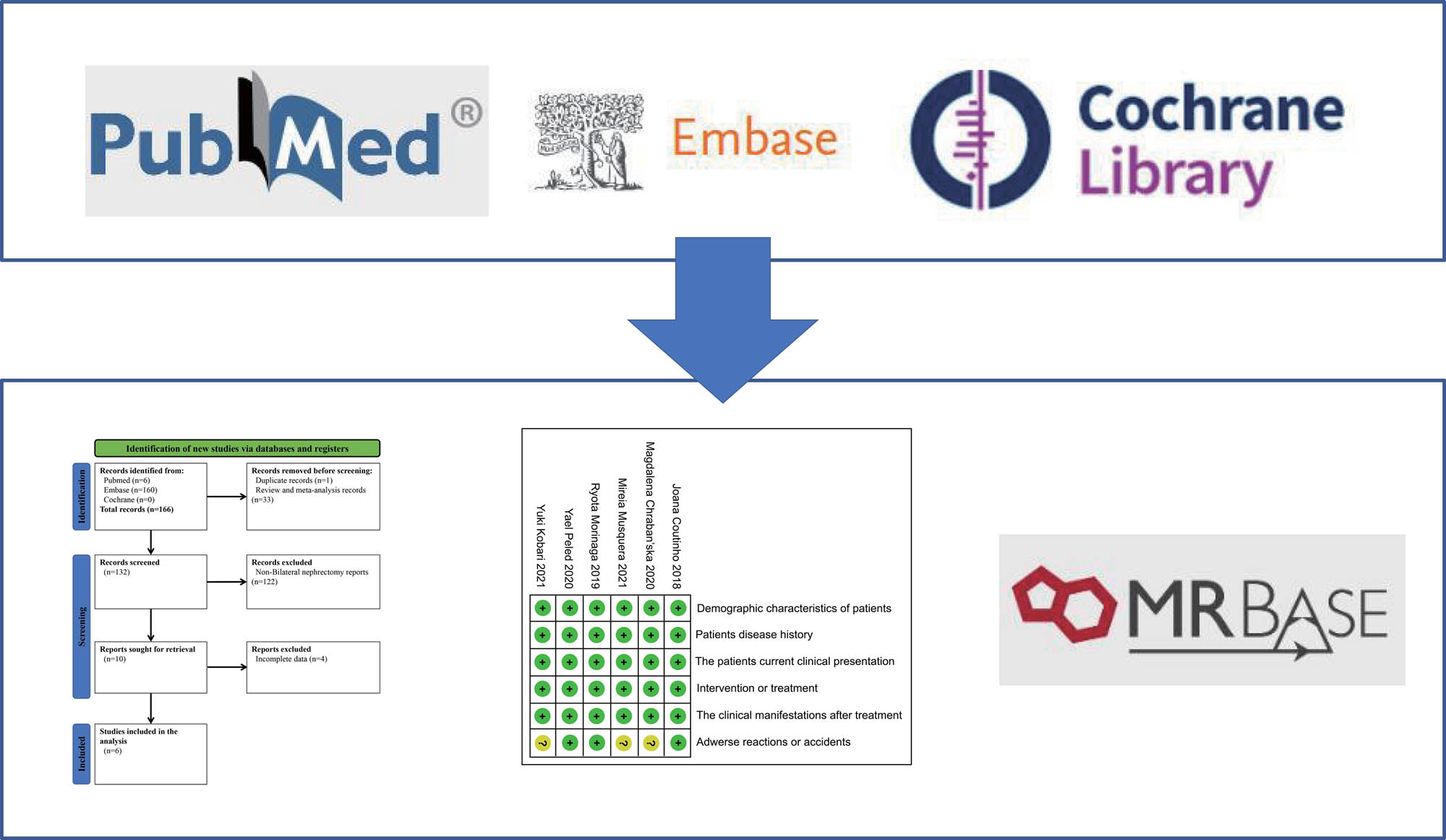
Diagram illustrating the relationship between risk factors such as hypotension and anemia during hemodialysis in patients after bilateral nephrectomy and tumor recurrence based on evidence-based medicine.
Acknowledgement
None.
-
Funding information: This study was supported by Qingdao Key Health Discipline Development Fund and Qingdao Key Clinical Specialty Elite Discipline and National Natural Science Foundation of China Youth Project: 81700585.
-
Author contributions: Bing Shen: study design, data acquisition, manuscript drafting; Feng Luo: data collection, manuscript revisions; Nan Yuan: literature review, data analysis; Jiaming Yin: patient recruitment, data collection; Yalin Chai: data analysis, manuscript feedback; Lijie Sun: clinical management, data interpretation; Lin Zhang: statistical analysis, manuscript revisions; Congjuan Luo: project supervision, study design, manuscript review. All authors approved the final manuscript.
-
Conflict of interest: The authors declare no conflict of interest.
-
Data availability statement: The datasets generated and/or analyzed during the current study are not publicly available due to privacy or ethical restrictions related to individual patient data. Specific details have been anonymized to protect the identity and confidentiality of the patient. The data of the meta-analysis are derived from publicly available sources and previously published articles. For detailed information on the articles and data analyzed, please refer to the bibliography section of the manuscript. Any additional inquiries regarding data sources or methodologies employed in this study, excluding any individual patient data, can be addressed by contacting the corresponding author.
Appendix

Quality assessment of included studies. Note: (a) Risk of bias graph, summarizing the judgment for each bias risk item across all included studies as a percentage. (b) Risk of bias summary, providing an overview of the judgment for each bias risk item in each included study, with red indicating high risk, green indicating low risk, and yellow indicating unknown risk.
References
[1] Bukavina L, Bensalah K, Bray F, Carlo M, Challacombe B, Karam JA, et al. Epidemiology of renal cell carcinoma: 2022 update. Eur Urol. 2022;82(5):529–42. 10.1016/j.eururo.2022.08.019.Search in Google Scholar PubMed
[2] Lobo J, Ohashi R, Amin MB, Berney DM, Compérat EM, Cree IA, et al. WHO 2022 landscape of papillary and chromophobe renal cell carcinoma. Histopathology. 2022;81(4):426–38. 10.1111/his.14700.Search in Google Scholar PubMed
[3] Li Z, Xu H, Yu L, Wang J, Meng Q, Mei H, et al. Patient-derived renal cell carcinoma organoids for personalized cancer therapy. Clin Transl Med. 2022;12(7):e970. 10.1002/ctm2.970.Search in Google Scholar PubMed PubMed Central
[4] Powles T, Tomczak P, Park SH, Venugopal B, Ferguson T, Symeonides SN, et al. Pembrolizumab versus placebo as post-nephrectomy adjuvant therapy for clear cell renal cell carcinoma (KEYNOTE-564): 30-month follow-up analysis of a multicentre, randomised, double-blind, placebo-controlled, phase 3 trial [published correction appears in Lancet Oncol. 2023 Jan;24(1):e10. 10.1016/S1470-2045(22)00759-8]. Lancet Oncol. 2022;23(9):1133–44. 10.1016/S1470-2045(22)00487-9.Search in Google Scholar PubMed
[5] Motzer RJ, Russo P, Haas N, Doehn C, Donskov F, Gross-Goupil M, et al. Adjuvant pazopanib versus placebo after nephrectomy in patients with localized or locally advanced renal cell carcinoma: final overall survival analysis of the phase 3 PROTECT trial. Eur Urol. 2021;79(3):334–8. 10.1016/j.eururo.2020.12.029.Search in Google Scholar PubMed PubMed Central
[6] Magee DE, Kutikov A. Re: Adjuvant pembrolizumab after nephrectomy in renal-cell carcinoma. Eur Urol. 2022;81(3):317–8. 10.1016/j.eururo.2021.11.026.Search in Google Scholar PubMed
[7] Choueiri TK, Tomczak P, Park SH, Venugopal B, Ferguson T, Chang YH, et al. Adjuvant pembrolizumab after nephrectomy in renal-cell carcinoma. N Engl J Med. 2021;385(8):683–94. 10.1056/NEJMoa2106391.Search in Google Scholar PubMed
[8] Hartwell L. Patient safety with fluid removal with in-center hemodialysis. Clin J Am Soc Nephrol. 2023;18(6):691–2. 10.2215/CJN.0000000000000177.Search in Google Scholar PubMed PubMed Central
[9] Boyer O, Schaefer F, Haffner D, Bockenhauer D, Hölttä T, Bérody S, et al. Management of congenital nephrotic syndrome: consensus recommendations of the ERKNet-ESPN Working Group [published correction appears in Nat Rev Nephrol. 2021 Jun;17(6):434. 10.1038/s41581-021-00431-5]. Nat Rev Nephrol. 2021;17(4):277–89. 10.1038/s41581-020-00384-1.Search in Google Scholar PubMed PubMed Central
[10] Rosner MH, Jhaveri KD, McMahon BA, Perazella MA. Onconephrology: the intersections between the kidney and cancer. CA Cancer J Clin. 2021;71(1):47–77. 10.3322/caac.21636.Search in Google Scholar PubMed
[11] Takashima H, Maruyama T, Abe M. Significance of levocarnitine treatment in dialysis patients. Nutrients. 2021;13(4):1219. Published 2021 Apr 7. 10.3390/nu13041219.Search in Google Scholar PubMed PubMed Central
[12] Chewcharat A, Chewcharat P, Liu W, Cellini J, Phipps EA, Melendez Young JA, et al. The effect of levocarnitine supplementation on dialysis-related hypotension: a systematic review, meta-analysis, and trial sequential analysis. PLoS One 2022. 2022;17(7):e0271307. Published 2022 Jul 14. 10.1371/journal.pone.0271307.Search in Google Scholar PubMed PubMed Central
[13] Keane DF, Raimann JG, Zhang H, Willetts J, Thijssen S, Kotanko P. The time of onset of intradialytic hypotension during a hemodialysis session associates with clinical parameters and mortality. Kidney Int. 2021;99(6):1408–17. 10.1016/j.kint.2021.01.018.Search in Google Scholar PubMed PubMed Central
[14] Münzel T, Sørensen M, Daiber A. Transportation noise pollution and cardiovascular disease. Nat Rev Cardiol. 2021;18(9):619–36. 10.1038/s41569-021-00532-5.Search in Google Scholar PubMed
[15] Fuchs FD, Whelton PK. High blood pressure and cardiovascular disease. Hypertension. 2020;75(2):285–92. 10.1161/HYPERTENSIONAHA.119.14240.Search in Google Scholar PubMed PubMed Central
[16] Kaneko H, Yano Y, Itoh H, Morita K, Kiriyama H, Kamon T, et al. Association of blood pressure classification using the 2017 American College of Cardiology/American heart association blood pressure guideline with risk of heart failure and atrial fibrillation [published correction appears in Circulation. 2022 Sep 27;146(13):e186. 10.1161/CIR.0000000000001103]. Circulation. 2021;143(23):2244–53. 10.1161/CIRCULATIONAHA.120.052624.Search in Google Scholar PubMed
[17] Brownstein CG, Daguenet E, Guyotat D, Millet GY. Chronic fatigue in myelodysplastic syndromes: looking beyond anemia. Crit Rev Oncol Hematol. 2020;154:103067. 10.1016/j.critrevonc.2020.103067.Search in Google Scholar PubMed
[18] Neidlein S, Wirth R, Pourhassan M. Iron deficiency, fatigue and muscle strength and function in older hospitalized patients. Eur J Clin Nutr. 2021;75(3):456–63. 10.1038/s41430-020-00742-z.Search in Google Scholar PubMed PubMed Central
[19] Zheng Q, Yang H, Sun L, Wei R, Fu X, Wang Y, et al. Efficacy and safety of HIF prolyl-hydroxylase inhibitor vs epoetin and darbepoetin for anemia in chronic kidney disease patients not undergoing dialysis: a network meta-analysis. Pharmacol Res. 2020;159:105020. 10.1016/j.phrs.2020.105020.Search in Google Scholar PubMed
[20] Bruchfeld A. The COVID-19 pandemic: consequences for nephrology. Nat Rev Nephrol. 2021;17(2):81–2. 10.1038/s41581-020-00381-4.Search in Google Scholar PubMed PubMed Central
[21] Chan L, Chaudhary K, Saha A, Chauhan K, Vaid A, Zhao S, et al. AKI in hospitalized patients with COVID-19. J Am Soc Nephrol. 2021;32(1):151–60. 10.1681/ASN.2020050615.Search in Google Scholar PubMed PubMed Central
[22] Singh AK, Cizman B, Carroll K, McMurray J, Perkovic V, Jha V, et al. Efficacy and safety of daprodustat for treatment of anemia of chronic kidney disease in incident dialysis patients: a randomized clinical trial. JAMA Intern Med. 2022;182(6):592–602. 10.1001/jamainternmed.2022.0605.Search in Google Scholar PubMed PubMed Central
[23] Kurata Y, Tanaka T, Nangaku M. An evaluation of roxadustat for the treatment of anemia associated with chronic kidney disease. Expert Opin Pharmacother. 2022;23(1):19–28. 10.1080/14656566.2021.1993821.Search in Google Scholar PubMed
[24] Wish JB, Eckardt KU, Kovesdy CP, Fishbane S, Spinowitz BS, Berns JS. Hypoxia-inducible factor stabilization as an emerging therapy for CKD-related anemia: report from a scientific workshop sponsored by the national kidney foundation. Am J Kidney Dis. 2021;78(5):709–18. 10.1053/j.ajkd.2021.06.019.Search in Google Scholar PubMed
[25] Inam S, Irfan M, Lali NUA, Khalid Syed H, Asghar S, Khan IU, et al. Development and characterization of eudragit® EPO-based solid dispersion of rosuvastatin calcium to foresee the impact on solubility, dissolution and antihyperlipidemic activity. Pharmaceuticals (Basel). 2022;15(4):492. Published 2022 Apr 18. 10.3390/ph15040492.Search in Google Scholar PubMed PubMed Central
[26] Wei X, Zhao L, Ren R, Ji F, Xue S, Zhang J, et al. MiR-125b loss activated HIF1α/pAKT loop, leading to transarterial chemoembolization resistance in hepatocellular carcinoma. Hepatology. 2021;73(4):1381–98. 10.1002/hep.31448.Search in Google Scholar PubMed PubMed Central
[27] Huang C, Yuan W, Lai C, Zhong S, Yang C, Wang R, et al. EphA2-to-YAP pathway drives gastric cancer growth and therapy resistance. Int J Cancer. 2020;146(7):1937–49. 10.1002/ijc.32609.Search in Google Scholar PubMed
[28] Castillo-Lopez E, Pacífico C, Sener-Aydemir A, Hummel K, Nöbauer K, Ricci S, et al. Diet and phytogenic supplementation substantially modulate the salivary proteome in dairy cows. J Proteom. 2023;273:104795. 10.1016/j.jprot.2022.104795.Search in Google Scholar PubMed
[29] Liu X, Sato N, Yabushita T, Li J, Jia Y, Tamura M, et al. IMPDH inhibition activates TLR-VCAM1 pathway and suppresses the development of MLL-fusion leukemia. EMBO Mol Med. 2023;15(1):e15631. 10.15252/emmm.202115631.Search in Google Scholar PubMed PubMed Central
[30] Tang R, Wu Z, Rong Z, Xu J, Wang W, Zhang B, et al. Ferroptosis-related lncRNA pairs to predict the clinical outcome and molecular characteristics of pancreatic ductal adenocarcinoma. Brief Bioinform. 2022;23(1):bbab388. 10.1093/bib/bbab388.Search in Google Scholar PubMed
[31] Almeida LF, Tofteng SS, Madsen K, Jensen BL. Role of the renin-angiotensin system in kidney development and programming of adult blood pressure. Clin Sci (London). 2020;134(6):641–56. 10.1042/CS20190765.Search in Google Scholar PubMed
[32] Hsu CN, Tain YL. Targeting the renin-angiotensin-aldosterone system to prevent hypertension and kidney disease of developmental origins. Int J Mol Sci. 2021;22(5):2298. Published 2021 Feb 25. 10.3390/ijms22052298.Search in Google Scholar PubMed PubMed Central
[33] Chrabańska M, Jakub R, Bogna D. Bilateral and multifocal acquired cystic disease-associated renal cell carcinomas in patient with end-stage renal disease caused by systemic lupus erythematosus. Int J Surg Pathol. 2021;29(2):198–204. 10.1177/1066896920928586.Search in Google Scholar PubMed
[34] Coutinho J, de Sa J, Teixeira FC, Santos CR, Chorão RS, Filipe RA, et al. Renal transplantation in Birt-Hogg-Dubé syndrome: should we? BMC Nephrol. 2018;19(1):267. Published 2018 Oct 16. 10.1186/s12882-018-1064-5.Search in Google Scholar PubMed PubMed Central
[35] Kobari Y, Yoshida K, Iizuka J, Kondo T, Ishida H, Tanabe K, et al. Three cases of nivolumab plus ipilimumab therapy in haemodialysis patients with metastatic renal cell carcinoma. Vivo. 2021;35(6):3585–9. 10.21873/invivo.12663.Search in Google Scholar PubMed PubMed Central
[36] Morinaga R, Kawahara T, Miyoshi Y, Yao M, Uemura H. Longer control of nivolumab in metastatic renal cell carcinoma patients with end-stage kidney disease on dialysis. Case Rep Oncol. 2019;12(2):608–12. Published 2019 Aug 6. 10.1159/000501768.Search in Google Scholar PubMed PubMed Central
[37] Musquera M, Calvo CI, Vetorazzo J, Ajami T, Ribal MJ, Peri L, et al. Laparoendoscopic single-site simultaneous bilateral nephrectomy: first reported case series. Cent Eur J Urol. 2021;74(1):44–7. 10.5173/ceju.2021.0276.R1.Search in Google Scholar PubMed PubMed Central
[38] Peled Y, Ram E, Lavee J, Dotan Z. Kidney cancer following heart transplantation, a common presentation of an uncommon malignancy: a unique case series. Isr Med Assoc J. 2020;22(5):285–8.Search in Google Scholar
[39] Pascual M, Bohle B, Alonso S, Mayol X, Salvans S, Grande L, et al. Preoperative administration of erythropoietin stimulates tumor recurrence after surgical excision of colon cancer in mice by a vascular endothelial growth factor-independent mechanism. J Surg Res. 2013;183(1):270–7. 10.1016/j.jss.2012.12.041.Search in Google Scholar PubMed
[40] Zhou B, Damrauer JS, Bailey ST, Hadzic T, Jeong Y, Clark K, et al. Erythropoietin promotes breast tumorigenesis through tumor-initiating cell self-renewal. J Clin Invest. 2014;124(2):553–63. 10.1172/JCI69804.Search in Google Scholar PubMed PubMed Central
[41] Ohta Y, Fukuhara M, Fujisawa R, Kanesaki M, Tsuruta H, Nakamura H, et al. Influence of blood pressure variations during hemodialysis on the prognosis of dialysis patients. Clin Exp Hypertens. 2023;45(1):2236336. 10.1080/10641963.2023.2236336.Search in Google Scholar PubMed
[42] Flythe JE, Xue H, Lynch KE, Curhan GC, Brunelli SM. Association of mortality risk with various definitions of intradialytic hypotension. J Am Soc Nephrol. 2015;26(3):724–34. 10.1681/ASN.2014020222.Search in Google Scholar PubMed PubMed Central
[43] Stefánsson BV, Brunelli SM, Cabrera C, Rosenbaum D, Anum E, Ramakrishnan K, et al. Intradialytic hypotension and risk of cardiovascular disease. Clin J Am Soc Nephrol. 2014;9(12):2124–32. 10.2215/CJN.02680314.Search in Google Scholar PubMed PubMed Central
[44] Mc Causland FR, Tumlin JA, Roy-Chaudhury P, Koplan BA, Costea AI, Kher V, et al. Intradialytic hypotension and cardiac arrhythmias in patients undergoing maintenance hemodialysis: results from the monitoring in dialysis study. Clin J Am Soc Nephrol. 2020;15(6):805–12. 10.2215/CJN.06810619.Search in Google Scholar PubMed PubMed Central
[45] Saugel B, Sessler DI. Perioperative blood pressure management. Anesthesiology. 2021;134(2):250–61. 10.1097/ALN.0000000000003610.Search in Google Scholar PubMed
[46] Liem VGB, Hoeks SE, Mol KHJM, Potters JW, Grüne F, Stolker RJ, et al. Postoperative hypotension after noncardiac surgery and the association with myocardial injury. Anesthesiology. 2020;133(3):510–22. 10.1097/ALN.0000000000003368.Search in Google Scholar PubMed
[47] Henke M, Laszig R, Rübe C, Schäfer U, Haase KD, Schilcher B, et al. Erythropoietin to treat head and neck cancer patients with anaemia undergoing radiotherapy: randomised, double-blind, placebo-controlled trial. Lancet. 2003;362(9392):1255–60. 10.1016/S0140-6736(03)14567-9.Search in Google Scholar PubMed
[48] Thavarajah S, Choi MJ. The use of erythropoiesis-stimulating agents in patients with CKD and cancer: a clinical approach. Am J Kidney Dis. 2019;74(5):667–74. 10.1053/j.ajkd.2019.04.022.Search in Google Scholar PubMed
[49] Xu B, Liu S, Li Y, Zhao L, Song X, Chen T. Roxadustat in the treatment of a hemodialysis patient with anti-erythropoietin antibody-mediated pure red cell aplasia. Clin Kidney J. 2021;14(11):2444–5. Published 2021 Jul 10. 10.1093/ckj/sfab134.Search in Google Scholar PubMed PubMed Central
[50] Barratt J, Andric B, Tataradze A, Schömig M, Reusch M, Valluri U, et al. Roxadustat for the treatment of anaemia in chronic kidney disease patients not on dialysis: a Phase 3, randomized, open-label, active-controlled study (DOLOMITES) [published correction appears in Nephrol Dial Transplant. 2022 Mar 25;37(4):805. 10.1093/ndt/gfab349]. Nephrol Dial Transpl. 2021;36(9):1616–28. 10.1093/ndt/gfab191.Search in Google Scholar PubMed PubMed Central
[51] Fishbane S, Pollock CA, El-Shahawy M, Escudero ET, Rastogi A, Van BP, et al. Roxadustat versus epoetin alfa for treating anemia in patients with chronic kidney disease on dialysis: results from the randomized phase 3 ROCKIES study. J Am Soc Nephrol. 2022;33(4):850–66. 10.1681/ASN.2020111638.Search in Google Scholar PubMed PubMed Central
[52] Desoye G, Carter AM. Fetoplacental oxygen homeostasis in pregnancies with maternal diabetes mellitus and obesity. Nat Rev Endocrinol. 2022;18(10):593–607. 10.1038/s41574-022-00717-z.Search in Google Scholar PubMed
[53] Dame C, Fahnenstich H, Freitag P, Hofmann D, Abdul-Nour T, Bartmann P, et al. Erythropoietin mRNA expression in human fetal and neonatal tissue. Blood. 1998;92(9):3218–25.10.1182/blood.V92.9.3218.421k11_3218_3225Search in Google Scholar
[54] Provenzano R, Shutov E, Eremeeva L, Korneyeva S, Poole L, Saha G, et al. Roxadustat for anemia in patients with end-stage renal disease incident to dialysis. Nephrol Dial Transpl. 2021;36(9):1717–30. 10.1093/ndt/gfab051.Search in Google Scholar PubMed
[55] Zhu X, Jiang L, Wei X, Long M, Du Y. Roxadustat: not just for anemia. Front Pharmacol. 2022;13:971795. Published 2022 Aug 29. 10.3389/fphar.2022.971795.Search in Google Scholar PubMed PubMed Central
[56] Yang DG, Gao YY, Yin ZQ, Wang XR, Meng XS, Zou TF, et al. Roxadustat alleviates nitroglycerin-induced migraine in mice by regulating HIF-1α/NF-κB/inflammation pathway. Acta Pharmacol Sin. 2023;44(2):308–20. 10.1038/s41401-022-00941-3.Search in Google Scholar PubMed PubMed Central
[57] Gaete D, Rodriguez D, Watts D, Sormendi S, Chavakis T, Wielockx B. HIF-prolyl hydroxylase domain proteins (PHDs) in cancer-potential targets for anti-tumor therapy? Cancers (Basel). 2021;13(5):988. Published 2021 Feb 27. 10.3390/cancers13050988.Search in Google Scholar PubMed PubMed Central
[58] Seeley TW, Sternlicht MD, Klaus SJ, Neff TB, Liu DY. Induction of erythropoiesis by hypoxia-inducible factor prolyl hydroxylase inhibitors without promotion of tumor initiation, progression, or metastasis in a VEGF-sensitive model of spontaneous breast cancer. Hypoxia (Auckland). 2017;5:1–9. Published 2017 Mar 10. 10.2147/HP.S130526.Search in Google Scholar PubMed PubMed Central
[59] Fishbane S, El-Shahawy MA, Pecoits-Filho R, Van BP, Houser MT, Frison L, et al. Roxadustat for treating anemia in patients with CKD Not on dialysis: results from a randomized phase 3 study. J Am Soc Nephrol. 2021;32(3):737–55. 10.1681/ASN.2020081150.Search in Google Scholar PubMed PubMed Central
[60] Zhao J, Xu Y, Xie J, Liu J, Zhang R, Yan X. Roxadustat does not affect platelet production, activation, and thrombosis formation. Arterioscler Thromb Vasc Biol. 2021;41(10):2523–37. 10.1161/ATVBAHA.121.316495.Search in Google Scholar PubMed PubMed Central
[61] Jonasch E, Gao J, Rathmell WK. Renal cell carcinoma. BMJ. 2014;349:g4797. Published 2014 Nov 10. 10.1136/bmj.g4797.Search in Google Scholar PubMed PubMed Central
[62] Bayik D, Lathia JD. Cancer stem cell-immune cell crosstalk in tumour progression. Nat Rev Cancer. 2021;21(8):526–36. 10.1038/s41568-021-00366-w.Search in Google Scholar PubMed PubMed Central
[63] Fan G, Sun L, Meng L, Hu C, Wang X, Shi Z, et al. The ATM and ATR kinases regulate centrosome clustering and tumor recurrence by targeting KIFC1 phosphorylation. Nat Commun. 2021;12(1):20. Published 2021 Jan 4. 10.1038/s41467-020-20208-x.Search in Google Scholar PubMed PubMed Central
[64] Bradley AJ, Maskell GF, Mannava A, Pollard A, Welsh T. Routes to diagnosis and missed opportunities in the detection of renal cancer. Clin Radiol. 2021;76(2):129–34. 10.1016/j.crad.2020.11.005.Search in Google Scholar PubMed
© 2024 the author(s), published by De Gruyter
This work is licensed under the Creative Commons Attribution 4.0 International License.
Articles in the same Issue
- Research Articles
- EDNRB inhibits the growth and migration of prostate cancer cells by activating the cGMP-PKG pathway
- STK11 (LKB1) mutation suppresses ferroptosis in lung adenocarcinoma by facilitating monounsaturated fatty acid synthesis
- Association of SOX6 gene polymorphisms with Kashin-Beck disease risk in the Chinese Han population
- The pyroptosis-related signature predicts prognosis and influences the tumor immune microenvironment in dedifferentiated liposarcoma
- METTL3 attenuates ferroptosis sensitivity in lung cancer via modulating TFRC
- Identification and validation of molecular subtypes and prognostic signature for stage I and stage II gastric cancer based on neutrophil extracellular traps
- Novel lumbar plexus block versus femoral nerve block for analgesia and motor recovery after total knee arthroplasty
- Correlation between ABCB1 and OLIG2 polymorphisms and the severity and prognosis of patients with cerebral infarction
- Study on the radiotherapy effect and serum neutral granulocyte lymphocyte ratio and inflammatory factor expression of nasopharyngeal carcinoma
- Transcriptome analysis of effects of Tecrl deficiency on cardiometabolic and calcium regulation in cardiac tissue
- Aflatoxin B1 induces infertility, fetal deformities, and potential therapies
- Serum levels of HMW adiponectin and its receptors are associated with cytokine levels and clinical characteristics in chronic obstructive pulmonary disease
- METTL3-mediated methylation of CYP2C19 mRNA may aggravate clopidogrel resistance in ischemic stroke patients
- Understand how machine learning impact lung cancer research from 2010 to 2021: A bibliometric analysis
- Pressure ulcers in German hospitals: Analysis of reimbursement and length of stay
- Metformin plus L-carnitine enhances brown/beige adipose tissue activity via Nrf2/HO-1 signaling to reduce lipid accumulation and inflammation in murine obesity
- Downregulation of carbonic anhydrase IX expression in mouse xenograft nasopharyngeal carcinoma model via doxorubicin nanobubble combined with ultrasound
- Feasibility of 3-dimensional printed models in simulated training and teaching of transcatheter aortic valve replacement
- miR-335-3p improves type II diabetes mellitus by IGF-1 regulating macrophage polarization
- The analyses of human MCPH1 DNA repair machinery and genetic variations
- Activation of Piezo1 increases the sensitivity of breast cancer to hyperthermia therapy
- Comprehensive analysis based on the disulfidptosis-related genes identifies hub genes and immune infiltration for pancreatic adenocarcinoma
- Changes of serum CA125 and PGE2 before and after high-intensity focused ultrasound combined with GnRH-a in treatment of patients with adenomyosis
- The clinical value of the hepatic venous pressure gradient in patients undergoing hepatic resection for hepatocellular carcinoma with or without liver cirrhosis
- Development and validation of a novel model to predict pulmonary embolism in cardiology suspected patients: A 10-year retrospective analysis
- Downregulation of lncRNA XLOC_032768 in diabetic patients predicts the occurrence of diabetic nephropathy
- Circ_0051428 targeting miR-885-3p/MMP2 axis enhances the malignancy of cervical cancer
- Effectiveness of ginkgo diterpene lactone meglumine on cognitive function in patients with acute ischemic stroke
- The construction of a novel prognostic prediction model for glioma based on GWAS-identified prognostic-related risk loci
- Evaluating the impact of childhood BMI on the risk of coronavirus disease 2019: A Mendelian randomization study
- Lactate dehydrogenase to albumin ratio is associated with in-hospital mortality in patients with acute heart failure: Data from the MIMIC-III database
- CD36-mediated podocyte lipotoxicity promotes foot process effacement
- Efficacy of etonogestrel subcutaneous implants versus the levonorgestrel-releasing intrauterine system in the conservative treatment of adenomyosis
- FLRT2 mediates chondrogenesis of nasal septal cartilage and mandibular condyle cartilage
- Challenges in treating primary immune thrombocytopenia patients undergoing COVID-19 vaccination: A retrospective study
- Let-7 family regulates HaCaT cell proliferation and apoptosis via the ΔNp63/PI3K/AKT pathway
- Phospholipid transfer protein ameliorates sepsis-induced cardiac dysfunction through NLRP3 inflammasome inhibition
- Postoperative cognitive dysfunction in elderly patients with colorectal cancer: A randomized controlled study comparing goal-directed and conventional fluid therapy
- Long-pulsed ultrasound-mediated microbubble thrombolysis in a rat model of microvascular obstruction
- High SEC61A1 expression predicts poor outcome of acute myeloid leukemia
- Comparison of polymerase chain reaction and next-generation sequencing with conventional urine culture for the diagnosis of urinary tract infections: A meta-analysis
- Secreted frizzled-related protein 5 protects against renal fibrosis by inhibiting Wnt/β-catenin pathway
- Pan-cancer and single-cell analysis of actin cytoskeleton genes related to disulfidptosis
- Overexpression of miR-532-5p restrains oxidative stress response of chondrocytes in nontraumatic osteonecrosis of the femoral head by inhibiting ABL1
- Autologous liver transplantation for unresectable hepatobiliary malignancies in enhanced recovery after surgery model
- Clinical analysis of incomplete rupture of the uterus secondary to previous cesarean section
- Abnormal sleep duration is associated with sarcopenia in older Chinese people: A large retrospective cross-sectional study
- No genetic causality between obesity and benign paroxysmal vertigo: A two-sample Mendelian randomization study
- Identification and validation of autophagy-related genes in SSc
- Long non-coding RNA SRA1 suppresses radiotherapy resistance in esophageal squamous cell carcinoma by modulating glycolytic reprogramming
- Evaluation of quality of life in patients with schizophrenia: An inpatient social welfare institution-based cross-sectional study
- The possible role of oxidative stress marker glutathione in the assessment of cognitive impairment in multiple sclerosis
- Compilation of a self-management assessment scale for postoperative patients with aortic dissection
- Left atrial appendage closure in conjunction with radiofrequency ablation: Effects on left atrial functioning in patients with paroxysmal atrial fibrillation
- Effect of anterior femoral cortical notch grade on postoperative function and complications during TKA surgery: A multicenter, retrospective study
- Clinical characteristics and assessment of risk factors in patients with influenza A-induced severe pneumonia after the prevalence of SARS-CoV-2
- Analgesia nociception index is an indicator of laparoscopic trocar insertion-induced transient nociceptive stimuli
- High STAT4 expression correlates with poor prognosis in acute myeloid leukemia and facilitates disease progression by upregulating VEGFA expression
- Factors influencing cardiovascular system-related post-COVID-19 sequelae: A single-center cohort study
- HOXD10 regulates intestinal permeability and inhibits inflammation of dextran sulfate sodium-induced ulcerative colitis through the inactivation of the Rho/ROCK/MMPs axis
- Mesenchymal stem cell-derived exosomal miR-26a induces ferroptosis, suppresses hepatic stellate cell activation, and ameliorates liver fibrosis by modulating SLC7A11
- Endovascular thrombectomy versus intravenous thrombolysis for primary distal, medium vessel occlusion in acute ischemic stroke
- ANO6 (TMEM16F) inhibits gastrointestinal stromal tumor growth and induces ferroptosis
- Prognostic value of EIF5A2 in solid tumors: A meta-analysis and bioinformatics analysis
- The role of enhanced expression of Cx43 in patients with ulcerative colitis
- Choosing a COVID-19 vaccination site might be driven by anxiety and body vigilance
- Role of ICAM-1 in triple-negative breast cancer
- Cost-effectiveness of ambroxol in the treatment of Gaucher disease type 2
- HLA-DRB5 promotes immune thrombocytopenia via activating CD8+ T cells
- Efficacy and factors of myofascial release therapy combined with electrical and magnetic stimulation in the treatment of chronic pelvic pain syndrome
- Efficacy of tacrolimus monotherapy in primary membranous nephropathy
- Mechanisms of Tripterygium wilfordii Hook F on treating rheumatoid arthritis explored by network pharmacology analysis and molecular docking
- FBXO45 levels regulated ferroptosis renal tubular epithelial cells in a model of diabetic nephropathy by PLK1
- Optimizing anesthesia strategies to NSCLC patients in VATS procedures: Insights from drug requirements and patient recovery patterns
- Alpha-lipoic acid upregulates the PPARγ/NRF2/GPX4 signal pathway to inhibit ferroptosis in the pathogenesis of unexplained recurrent pregnancy loss
- Correlation between fat-soluble vitamin levels and inflammatory factors in paediatric community-acquired pneumonia: A prospective study
- CD1d affects the proliferation, migration, and apoptosis of human papillary thyroid carcinoma TPC-1 cells via regulating MAPK/NF-κB signaling pathway
- miR-let-7a inhibits sympathetic nerve remodeling after myocardial infarction by downregulating the expression of nerve growth factor
- Immune response analysis of solid organ transplantation recipients inoculated with inactivated COVID-19 vaccine: A retrospective analysis
- The H2Valdien derivatives regulate the epithelial–mesenchymal transition of hepatoma carcinoma cells through the Hedgehog signaling pathway
- Clinical efficacy of dexamethasone combined with isoniazid in the treatment of tuberculous meningitis and its effect on peripheral blood T cell subsets
- Comparison of short-segment and long-segment fixation in treatment of degenerative scoliosis and analysis of factors associated with adjacent spondylolisthesis
- Lycopene inhibits pyroptosis of endothelial progenitor cells induced by ox-LDL through the AMPK/mTOR/NLRP3 pathway
- Methylation regulation for FUNDC1 stability in childhood leukemia was up-regulated and facilitates metastasis and reduces ferroptosis of leukemia through mitochondrial damage by FBXL2
- Correlation of single-fiber electromyography studies and functional status in patients with amyotrophic lateral sclerosis
- Risk factors of postoperative airway obstruction complications in children with oral floor mass
- Expression levels and clinical significance of serum miR-19a/CCL20 in patients with acute cerebral infarction
- Physical activity and mental health trends in Korean adolescents: Analyzing the impact of the COVID-19 pandemic from 2018 to 2022
- Evaluating anemia in HIV-infected patients using chest CT
- Ponticulus posticus and skeletal malocclusion: A pilot study in a Southern Italian pre-orthodontic court
- Causal association of circulating immune cells and lymphoma: A Mendelian randomization study
- Assessment of the renal function and fibrosis indexes of conventional western medicine with Chinese medicine for dredging collaterals on treating renal fibrosis: A systematic review and meta-analysis
- Comprehensive landscape of integrator complex subunits and their association with prognosis and tumor microenvironment in gastric cancer
- New target-HMGCR inhibitors for the treatment of primary sclerosing cholangitis: A drug Mendelian randomization study
- Population pharmacokinetics of meropenem in critically ill patients
- Comparison of the ability of newly inflammatory markers to predict complicated appendicitis
- Comparative morphology of the cruciate ligaments: A radiological study
- Immune landscape of hepatocellular carcinoma: The central role of TP53-inducible glycolysis and apoptosis regulator
- Serum SIRT3 levels in epilepsy patients and its association with clinical outcomes and severity: A prospective observational study
- SHP-1 mediates cigarette smoke extract-induced epithelial–mesenchymal transformation and inflammation in 16HBE cells
- Acute hyper-hypoxia accelerates the development of depression in mice via the IL-6/PGC1α/MFN2 signaling pathway
- The GJB3 correlates with the prognosis, immune cell infiltration, and therapeutic responses in lung adenocarcinoma
- Physical fitness and blood parameters outcomes of breast cancer survivor in a low-intensity circuit resistance exercise program
- Exploring anesthetic-induced gene expression changes and immune cell dynamics in atrial tissue post-coronary artery bypass graft surgery
- Empagliflozin improves aortic injury in obese mice by regulating fatty acid metabolism
- Analysis of the risk factors of the radiation-induced encephalopathy in nasopharyngeal carcinoma: A retrospective cohort study
- Reproductive outcomes in women with BRCA 1/2 germline mutations: A retrospective observational study and literature review
- Evaluation of upper airway ultrasonographic measurements in predicting difficult intubation: A cross-section of the Turkish population
- Prognostic and diagnostic value of circulating IGFBP2 in pancreatic cancer
- Postural stability after operative reconstruction of the AFTL in chronic ankle instability comparing three different surgical techniques
- Research trends related to emergence agitation in the post-anaesthesia care unit from 2001 to 2023: A bibliometric analysis
- Frequency and clinicopathological correlation of gastrointestinal polyps: A six-year single center experience
- ACSL4 mediates inflammatory bowel disease and contributes to LPS-induced intestinal epithelial cell dysfunction by activating ferroptosis and inflammation
- Affibody-based molecular probe 99mTc-(HE)3ZHER2:V2 for non-invasive HER2 detection in ovarian and breast cancer xenografts
- Effectiveness of nutritional support for clinical outcomes in gastric cancer patients: A meta-analysis of randomized controlled trials
- The relationship between IFN-γ, IL-10, IL-6 cytokines, and severity of the condition with serum zinc and Fe in children infected with Mycoplasma pneumoniae
- Paraquat disrupts the blood–brain barrier by increasing IL-6 expression and oxidative stress through the activation of PI3K/AKT signaling pathway
- Sleep quality associate with the increased prevalence of cognitive impairment in coronary artery disease patients: A retrospective case–control study
- Dioscin protects against chronic prostatitis through the TLR4/NF-κB pathway
- Association of polymorphisms in FBN1, MYH11, and TGF-β signaling-related genes with susceptibility of sporadic thoracic aortic aneurysm and dissection in the Zhejiang Han population
- Application value of multi-parameter magnetic resonance image-transrectal ultrasound cognitive fusion in prostate biopsy
- Laboratory variables‐based artificial neural network models for predicting fatty liver disease: A retrospective study
- Decreased BIRC5-206 promotes epithelial–mesenchymal transition in nasopharyngeal carcinoma through sponging miR-145-5p
- Sepsis induces the cardiomyocyte apoptosis and cardiac dysfunction through activation of YAP1/Serpine1/caspase-3 pathway
- Assessment of iron metabolism and iron deficiency in incident patients on incident continuous ambulatory peritoneal dialysis
- Tibial periosteum flap combined with autologous bone grafting in the treatment of Gustilo-IIIB/IIIC open tibial fractures
- The application of intravenous general anesthesia under nasopharyngeal airway assisted ventilation undergoing ureteroscopic holmium laser lithotripsy: A prospective, single-center, controlled trial
- Long intergenic noncoding RNA for IGF2BP2 stability suppresses gastric cancer cell apoptosis by inhibiting the maturation of microRNA-34a
- Role of FOXM1 and AURKB in regulating keratinocyte function in psoriasis
- Parental control attitudes over their pre-school children’s diet
- The role of auto-HSCT in extranodal natural killer/T cell lymphoma
- Significance of negative cervical cytology and positive HPV in the diagnosis of cervical lesions by colposcopy
- Echinacoside inhibits PASMCs calcium overload to prevent hypoxic pulmonary artery remodeling by regulating TRPC1/4/6 and calmodulin
- ADAR1 plays a protective role in proximal tubular cells under high glucose conditions by attenuating the PI3K/AKT/mTOR signaling pathway
- The risk of cancer among insulin glargine users in Lithuania: A retrospective population-based study
- The unusual location of primary hydatid cyst: A case series study
- Intraoperative changes in electrophysiological monitoring can be used to predict clinical outcomes in patients with spinal cavernous malformation
- Obesity and risk of placenta accreta spectrum: A meta-analysis
- Shikonin alleviates asthma phenotypes in mice via an airway epithelial STAT3-dependent mechanism
- NSUN6 and HTR7 disturbed the stability of carotid atherosclerotic plaques by regulating the immune responses of macrophages
- The effect of COVID-19 lockdown on admission rates in Maternity Hospital
- Temporal muscle thickness is not a prognostic predictor in patients with high-grade glioma, an experience at two centers in China
- Luteolin alleviates cerebral ischemia/reperfusion injury by regulating cell pyroptosis
- Therapeutic role of respiratory exercise in patients with tuberculous pleurisy
- Effects of CFTR-ENaC on spinal cord edema after spinal cord injury
- Irisin-regulated lncRNAs and their potential regulatory functions in chondrogenic differentiation of human mesenchymal stem cells
- DMD mutations in pediatric patients with phenotypes of Duchenne/Becker muscular dystrophy
- Combination of C-reactive protein and fibrinogen-to-albumin ratio as a novel predictor of all-cause mortality in heart failure patients
- Significant role and the underly mechanism of cullin-1 in chronic obstructive pulmonary disease
- Ferroptosis-related prognostic model of mantle cell lymphoma
- Observation of choking reaction and other related indexes in elderly painless fiberoptic bronchoscopy with transnasal high-flow humidification oxygen therapy
- A bibliometric analysis of Prader-Willi syndrome from 2002 to 2022
- The causal effects of childhood sunburn occasions on melanoma: A univariable and multivariable Mendelian randomization study
- Oxidative stress regulates glycogen synthase kinase-3 in lymphocytes of diabetes mellitus patients complicated with cerebral infarction
- Role of COX6C and NDUFB3 in septic shock and stroke
- Trends in disease burden of type 2 diabetes, stroke, and hypertensive heart disease attributable to high BMI in China: 1990–2019
- Purinergic P2X7 receptor mediates hyperoxia-induced injury in pulmonary microvascular endothelial cells via NLRP3-mediated pyroptotic pathway
- Investigating the role of oviductal mucosa–endometrial co-culture in modulating factors relevant to embryo implantation
- Analgesic effect of external oblique intercostal block in laparoscopic cholecystectomy: A retrospective study
- Elevated serum miR-142-5p correlates with ischemic lesions and both NSE and S100β in ischemic stroke patients
- Correlation between the mechanism of arteriopathy in IgA nephropathy and blood stasis syndrome: A cohort study
- Risk factors for progressive kyphosis after percutaneous kyphoplasty in osteoporotic vertebral compression fracture
- Predictive role of neuron-specific enolase and S100-β in early neurological deterioration and unfavorable prognosis in patients with ischemic stroke
- The potential risk factors of postoperative cognitive dysfunction for endovascular therapy in acute ischemic stroke with general anesthesia
- Fluoxetine inhibited RANKL-induced osteoclastic differentiation in vitro
- Detection of serum FOXM1 and IGF2 in patients with ARDS and their correlation with disease and prognosis
- Rhein promotes skin wound healing by activating the PI3K/AKT signaling pathway
- Differences in mortality risk by levels of physical activity among persons with disabilities in South Korea
- Review Articles
- Cutaneous signs of selected cardiovascular disorders: A narrative review
- XRCC1 and hOGG1 polymorphisms and endometrial carcinoma: A meta-analysis
- A narrative review on adverse drug reactions of COVID-19 treatments on the kidney
- Emerging role and function of SPDL1 in human health and diseases
- Adverse reactions of piperacillin: A literature review of case reports
- Molecular mechanism and intervention measures of microvascular complications in diabetes
- Regulation of mesenchymal stem cell differentiation by autophagy
- Molecular landscape of borderline ovarian tumours: A systematic review
- Advances in synthetic lethality modalities for glioblastoma multiforme
- Investigating hormesis, aging, and neurodegeneration: From bench to clinics
- Frankincense: A neuronutrient to approach Parkinson’s disease treatment
- Sox9: A potential regulator of cancer stem cells in osteosarcoma
- Early detection of cardiovascular risk markers through non-invasive ultrasound methodologies in periodontitis patients
- Advanced neuroimaging and criminal interrogation in lie detection
- Maternal factors for neural tube defects in offspring: An umbrella review
- The chemoprotective hormetic effects of rosmarinic acid
- CBD’s potential impact on Parkinson’s disease: An updated overview
- Progress in cytokine research for ARDS: A comprehensive review
- Utilizing reactive oxygen species-scavenging nanoparticles for targeting oxidative stress in the treatment of ischemic stroke: A review
- NRXN1-related disorders, attempt to better define clinical assessment
- Lidocaine infusion for the treatment of complex regional pain syndrome: Case series and literature review
- Trends and future directions of autophagy in osteosarcoma: A bibliometric analysis
- Iron in ventricular remodeling and aneurysms post-myocardial infarction
- Case Reports
- Sirolimus potentiated angioedema: A case report and review of the literature
- Identification of mixed anaerobic infections after inguinal hernia repair based on metagenomic next-generation sequencing: A case report
- Successful treatment with bortezomib in combination with dexamethasone in a middle-aged male with idiopathic multicentric Castleman’s disease: A case report
- Complete heart block associated with hepatitis A infection in a female child with fatal outcome
- Elevation of D-dimer in eosinophilic gastrointestinal diseases in the absence of venous thrombosis: A case series and literature review
- Four years of natural progressive course: A rare case report of juvenile Xp11.2 translocations renal cell carcinoma with TFE3 gene fusion
- Advancing prenatal diagnosis: Echocardiographic detection of Scimitar syndrome in China – A case series
- Outcomes and complications of hemodialysis in patients with renal cancer following bilateral nephrectomy
- Anti-HMGCR myopathy mimicking facioscapulohumeral muscular dystrophy
- Recurrent opportunistic infections in a HIV-negative patient with combined C6 and NFKB1 mutations: A case report, pedigree analysis, and literature review
- Letter to the Editor
- Letter to the Editor: Total parenteral nutrition-induced Wernicke’s encephalopathy after oncologic gastrointestinal surgery
- Erratum
- Erratum to “Bladder-embedded ectopic intrauterine device with calculus”
- Retraction
- Retraction of “XRCC1 and hOGG1 polymorphisms and endometrial carcinoma: A meta-analysis”
- Corrigendum
- Corrigendum to “Investigating hormesis, aging, and neurodegeneration: From bench to clinics”
- Corrigendum to “Frankincense: A neuronutrient to approach Parkinson’s disease treatment”
- Special Issue The evolving saga of RNAs from bench to bedside - Part II
- Machine-learning-based prediction of a diagnostic model using autophagy-related genes based on RNA sequencing for patients with papillary thyroid carcinoma
- Unlocking the future of hepatocellular carcinoma treatment: A comprehensive analysis of disulfidptosis-related lncRNAs for prognosis and drug screening
- Elevated mRNA level indicates FSIP1 promotes EMT and gastric cancer progression by regulating fibroblasts in tumor microenvironment
- Special Issue Advancements in oncology: bridging clinical and experimental research - Part I
- Ultrasound-guided transperineal vs transrectal prostate biopsy: A meta-analysis of diagnostic accuracy and complication rates
- Assessment of diagnostic value of unilateral systematic biopsy combined with targeted biopsy in detecting clinically significant prostate cancer
- SENP7 inhibits glioblastoma metastasis and invasion by dissociating SUMO2/3 binding to specific target proteins
- MARK1 suppress malignant progression of hepatocellular carcinoma and improves sorafenib resistance through negatively regulating POTEE
- Analysis of postoperative complications in bladder cancer patients
- Carboplatin combined with arsenic trioxide versus carboplatin combined with docetaxel treatment for LACC: A randomized, open-label, phase II clinical study
- Special Issue Exploring the biological mechanism of human diseases based on MultiOmics Technology - Part I
- Comprehensive pan-cancer investigation of carnosine dipeptidase 1 and its prospective prognostic significance in hepatocellular carcinoma
- Identification of signatures associated with microsatellite instability and immune characteristics to predict the prognostic risk of colon cancer
- Single-cell analysis identified key macrophage subpopulations associated with atherosclerosis
Articles in the same Issue
- Research Articles
- EDNRB inhibits the growth and migration of prostate cancer cells by activating the cGMP-PKG pathway
- STK11 (LKB1) mutation suppresses ferroptosis in lung adenocarcinoma by facilitating monounsaturated fatty acid synthesis
- Association of SOX6 gene polymorphisms with Kashin-Beck disease risk in the Chinese Han population
- The pyroptosis-related signature predicts prognosis and influences the tumor immune microenvironment in dedifferentiated liposarcoma
- METTL3 attenuates ferroptosis sensitivity in lung cancer via modulating TFRC
- Identification and validation of molecular subtypes and prognostic signature for stage I and stage II gastric cancer based on neutrophil extracellular traps
- Novel lumbar plexus block versus femoral nerve block for analgesia and motor recovery after total knee arthroplasty
- Correlation between ABCB1 and OLIG2 polymorphisms and the severity and prognosis of patients with cerebral infarction
- Study on the radiotherapy effect and serum neutral granulocyte lymphocyte ratio and inflammatory factor expression of nasopharyngeal carcinoma
- Transcriptome analysis of effects of Tecrl deficiency on cardiometabolic and calcium regulation in cardiac tissue
- Aflatoxin B1 induces infertility, fetal deformities, and potential therapies
- Serum levels of HMW adiponectin and its receptors are associated with cytokine levels and clinical characteristics in chronic obstructive pulmonary disease
- METTL3-mediated methylation of CYP2C19 mRNA may aggravate clopidogrel resistance in ischemic stroke patients
- Understand how machine learning impact lung cancer research from 2010 to 2021: A bibliometric analysis
- Pressure ulcers in German hospitals: Analysis of reimbursement and length of stay
- Metformin plus L-carnitine enhances brown/beige adipose tissue activity via Nrf2/HO-1 signaling to reduce lipid accumulation and inflammation in murine obesity
- Downregulation of carbonic anhydrase IX expression in mouse xenograft nasopharyngeal carcinoma model via doxorubicin nanobubble combined with ultrasound
- Feasibility of 3-dimensional printed models in simulated training and teaching of transcatheter aortic valve replacement
- miR-335-3p improves type II diabetes mellitus by IGF-1 regulating macrophage polarization
- The analyses of human MCPH1 DNA repair machinery and genetic variations
- Activation of Piezo1 increases the sensitivity of breast cancer to hyperthermia therapy
- Comprehensive analysis based on the disulfidptosis-related genes identifies hub genes and immune infiltration for pancreatic adenocarcinoma
- Changes of serum CA125 and PGE2 before and after high-intensity focused ultrasound combined with GnRH-a in treatment of patients with adenomyosis
- The clinical value of the hepatic venous pressure gradient in patients undergoing hepatic resection for hepatocellular carcinoma with or without liver cirrhosis
- Development and validation of a novel model to predict pulmonary embolism in cardiology suspected patients: A 10-year retrospective analysis
- Downregulation of lncRNA XLOC_032768 in diabetic patients predicts the occurrence of diabetic nephropathy
- Circ_0051428 targeting miR-885-3p/MMP2 axis enhances the malignancy of cervical cancer
- Effectiveness of ginkgo diterpene lactone meglumine on cognitive function in patients with acute ischemic stroke
- The construction of a novel prognostic prediction model for glioma based on GWAS-identified prognostic-related risk loci
- Evaluating the impact of childhood BMI on the risk of coronavirus disease 2019: A Mendelian randomization study
- Lactate dehydrogenase to albumin ratio is associated with in-hospital mortality in patients with acute heart failure: Data from the MIMIC-III database
- CD36-mediated podocyte lipotoxicity promotes foot process effacement
- Efficacy of etonogestrel subcutaneous implants versus the levonorgestrel-releasing intrauterine system in the conservative treatment of adenomyosis
- FLRT2 mediates chondrogenesis of nasal septal cartilage and mandibular condyle cartilage
- Challenges in treating primary immune thrombocytopenia patients undergoing COVID-19 vaccination: A retrospective study
- Let-7 family regulates HaCaT cell proliferation and apoptosis via the ΔNp63/PI3K/AKT pathway
- Phospholipid transfer protein ameliorates sepsis-induced cardiac dysfunction through NLRP3 inflammasome inhibition
- Postoperative cognitive dysfunction in elderly patients with colorectal cancer: A randomized controlled study comparing goal-directed and conventional fluid therapy
- Long-pulsed ultrasound-mediated microbubble thrombolysis in a rat model of microvascular obstruction
- High SEC61A1 expression predicts poor outcome of acute myeloid leukemia
- Comparison of polymerase chain reaction and next-generation sequencing with conventional urine culture for the diagnosis of urinary tract infections: A meta-analysis
- Secreted frizzled-related protein 5 protects against renal fibrosis by inhibiting Wnt/β-catenin pathway
- Pan-cancer and single-cell analysis of actin cytoskeleton genes related to disulfidptosis
- Overexpression of miR-532-5p restrains oxidative stress response of chondrocytes in nontraumatic osteonecrosis of the femoral head by inhibiting ABL1
- Autologous liver transplantation for unresectable hepatobiliary malignancies in enhanced recovery after surgery model
- Clinical analysis of incomplete rupture of the uterus secondary to previous cesarean section
- Abnormal sleep duration is associated with sarcopenia in older Chinese people: A large retrospective cross-sectional study
- No genetic causality between obesity and benign paroxysmal vertigo: A two-sample Mendelian randomization study
- Identification and validation of autophagy-related genes in SSc
- Long non-coding RNA SRA1 suppresses radiotherapy resistance in esophageal squamous cell carcinoma by modulating glycolytic reprogramming
- Evaluation of quality of life in patients with schizophrenia: An inpatient social welfare institution-based cross-sectional study
- The possible role of oxidative stress marker glutathione in the assessment of cognitive impairment in multiple sclerosis
- Compilation of a self-management assessment scale for postoperative patients with aortic dissection
- Left atrial appendage closure in conjunction with radiofrequency ablation: Effects on left atrial functioning in patients with paroxysmal atrial fibrillation
- Effect of anterior femoral cortical notch grade on postoperative function and complications during TKA surgery: A multicenter, retrospective study
- Clinical characteristics and assessment of risk factors in patients with influenza A-induced severe pneumonia after the prevalence of SARS-CoV-2
- Analgesia nociception index is an indicator of laparoscopic trocar insertion-induced transient nociceptive stimuli
- High STAT4 expression correlates with poor prognosis in acute myeloid leukemia and facilitates disease progression by upregulating VEGFA expression
- Factors influencing cardiovascular system-related post-COVID-19 sequelae: A single-center cohort study
- HOXD10 regulates intestinal permeability and inhibits inflammation of dextran sulfate sodium-induced ulcerative colitis through the inactivation of the Rho/ROCK/MMPs axis
- Mesenchymal stem cell-derived exosomal miR-26a induces ferroptosis, suppresses hepatic stellate cell activation, and ameliorates liver fibrosis by modulating SLC7A11
- Endovascular thrombectomy versus intravenous thrombolysis for primary distal, medium vessel occlusion in acute ischemic stroke
- ANO6 (TMEM16F) inhibits gastrointestinal stromal tumor growth and induces ferroptosis
- Prognostic value of EIF5A2 in solid tumors: A meta-analysis and bioinformatics analysis
- The role of enhanced expression of Cx43 in patients with ulcerative colitis
- Choosing a COVID-19 vaccination site might be driven by anxiety and body vigilance
- Role of ICAM-1 in triple-negative breast cancer
- Cost-effectiveness of ambroxol in the treatment of Gaucher disease type 2
- HLA-DRB5 promotes immune thrombocytopenia via activating CD8+ T cells
- Efficacy and factors of myofascial release therapy combined with electrical and magnetic stimulation in the treatment of chronic pelvic pain syndrome
- Efficacy of tacrolimus monotherapy in primary membranous nephropathy
- Mechanisms of Tripterygium wilfordii Hook F on treating rheumatoid arthritis explored by network pharmacology analysis and molecular docking
- FBXO45 levels regulated ferroptosis renal tubular epithelial cells in a model of diabetic nephropathy by PLK1
- Optimizing anesthesia strategies to NSCLC patients in VATS procedures: Insights from drug requirements and patient recovery patterns
- Alpha-lipoic acid upregulates the PPARγ/NRF2/GPX4 signal pathway to inhibit ferroptosis in the pathogenesis of unexplained recurrent pregnancy loss
- Correlation between fat-soluble vitamin levels and inflammatory factors in paediatric community-acquired pneumonia: A prospective study
- CD1d affects the proliferation, migration, and apoptosis of human papillary thyroid carcinoma TPC-1 cells via regulating MAPK/NF-κB signaling pathway
- miR-let-7a inhibits sympathetic nerve remodeling after myocardial infarction by downregulating the expression of nerve growth factor
- Immune response analysis of solid organ transplantation recipients inoculated with inactivated COVID-19 vaccine: A retrospective analysis
- The H2Valdien derivatives regulate the epithelial–mesenchymal transition of hepatoma carcinoma cells through the Hedgehog signaling pathway
- Clinical efficacy of dexamethasone combined with isoniazid in the treatment of tuberculous meningitis and its effect on peripheral blood T cell subsets
- Comparison of short-segment and long-segment fixation in treatment of degenerative scoliosis and analysis of factors associated with adjacent spondylolisthesis
- Lycopene inhibits pyroptosis of endothelial progenitor cells induced by ox-LDL through the AMPK/mTOR/NLRP3 pathway
- Methylation regulation for FUNDC1 stability in childhood leukemia was up-regulated and facilitates metastasis and reduces ferroptosis of leukemia through mitochondrial damage by FBXL2
- Correlation of single-fiber electromyography studies and functional status in patients with amyotrophic lateral sclerosis
- Risk factors of postoperative airway obstruction complications in children with oral floor mass
- Expression levels and clinical significance of serum miR-19a/CCL20 in patients with acute cerebral infarction
- Physical activity and mental health trends in Korean adolescents: Analyzing the impact of the COVID-19 pandemic from 2018 to 2022
- Evaluating anemia in HIV-infected patients using chest CT
- Ponticulus posticus and skeletal malocclusion: A pilot study in a Southern Italian pre-orthodontic court
- Causal association of circulating immune cells and lymphoma: A Mendelian randomization study
- Assessment of the renal function and fibrosis indexes of conventional western medicine with Chinese medicine for dredging collaterals on treating renal fibrosis: A systematic review and meta-analysis
- Comprehensive landscape of integrator complex subunits and their association with prognosis and tumor microenvironment in gastric cancer
- New target-HMGCR inhibitors for the treatment of primary sclerosing cholangitis: A drug Mendelian randomization study
- Population pharmacokinetics of meropenem in critically ill patients
- Comparison of the ability of newly inflammatory markers to predict complicated appendicitis
- Comparative morphology of the cruciate ligaments: A radiological study
- Immune landscape of hepatocellular carcinoma: The central role of TP53-inducible glycolysis and apoptosis regulator
- Serum SIRT3 levels in epilepsy patients and its association with clinical outcomes and severity: A prospective observational study
- SHP-1 mediates cigarette smoke extract-induced epithelial–mesenchymal transformation and inflammation in 16HBE cells
- Acute hyper-hypoxia accelerates the development of depression in mice via the IL-6/PGC1α/MFN2 signaling pathway
- The GJB3 correlates with the prognosis, immune cell infiltration, and therapeutic responses in lung adenocarcinoma
- Physical fitness and blood parameters outcomes of breast cancer survivor in a low-intensity circuit resistance exercise program
- Exploring anesthetic-induced gene expression changes and immune cell dynamics in atrial tissue post-coronary artery bypass graft surgery
- Empagliflozin improves aortic injury in obese mice by regulating fatty acid metabolism
- Analysis of the risk factors of the radiation-induced encephalopathy in nasopharyngeal carcinoma: A retrospective cohort study
- Reproductive outcomes in women with BRCA 1/2 germline mutations: A retrospective observational study and literature review
- Evaluation of upper airway ultrasonographic measurements in predicting difficult intubation: A cross-section of the Turkish population
- Prognostic and diagnostic value of circulating IGFBP2 in pancreatic cancer
- Postural stability after operative reconstruction of the AFTL in chronic ankle instability comparing three different surgical techniques
- Research trends related to emergence agitation in the post-anaesthesia care unit from 2001 to 2023: A bibliometric analysis
- Frequency and clinicopathological correlation of gastrointestinal polyps: A six-year single center experience
- ACSL4 mediates inflammatory bowel disease and contributes to LPS-induced intestinal epithelial cell dysfunction by activating ferroptosis and inflammation
- Affibody-based molecular probe 99mTc-(HE)3ZHER2:V2 for non-invasive HER2 detection in ovarian and breast cancer xenografts
- Effectiveness of nutritional support for clinical outcomes in gastric cancer patients: A meta-analysis of randomized controlled trials
- The relationship between IFN-γ, IL-10, IL-6 cytokines, and severity of the condition with serum zinc and Fe in children infected with Mycoplasma pneumoniae
- Paraquat disrupts the blood–brain barrier by increasing IL-6 expression and oxidative stress through the activation of PI3K/AKT signaling pathway
- Sleep quality associate with the increased prevalence of cognitive impairment in coronary artery disease patients: A retrospective case–control study
- Dioscin protects against chronic prostatitis through the TLR4/NF-κB pathway
- Association of polymorphisms in FBN1, MYH11, and TGF-β signaling-related genes with susceptibility of sporadic thoracic aortic aneurysm and dissection in the Zhejiang Han population
- Application value of multi-parameter magnetic resonance image-transrectal ultrasound cognitive fusion in prostate biopsy
- Laboratory variables‐based artificial neural network models for predicting fatty liver disease: A retrospective study
- Decreased BIRC5-206 promotes epithelial–mesenchymal transition in nasopharyngeal carcinoma through sponging miR-145-5p
- Sepsis induces the cardiomyocyte apoptosis and cardiac dysfunction through activation of YAP1/Serpine1/caspase-3 pathway
- Assessment of iron metabolism and iron deficiency in incident patients on incident continuous ambulatory peritoneal dialysis
- Tibial periosteum flap combined with autologous bone grafting in the treatment of Gustilo-IIIB/IIIC open tibial fractures
- The application of intravenous general anesthesia under nasopharyngeal airway assisted ventilation undergoing ureteroscopic holmium laser lithotripsy: A prospective, single-center, controlled trial
- Long intergenic noncoding RNA for IGF2BP2 stability suppresses gastric cancer cell apoptosis by inhibiting the maturation of microRNA-34a
- Role of FOXM1 and AURKB in regulating keratinocyte function in psoriasis
- Parental control attitudes over their pre-school children’s diet
- The role of auto-HSCT in extranodal natural killer/T cell lymphoma
- Significance of negative cervical cytology and positive HPV in the diagnosis of cervical lesions by colposcopy
- Echinacoside inhibits PASMCs calcium overload to prevent hypoxic pulmonary artery remodeling by regulating TRPC1/4/6 and calmodulin
- ADAR1 plays a protective role in proximal tubular cells under high glucose conditions by attenuating the PI3K/AKT/mTOR signaling pathway
- The risk of cancer among insulin glargine users in Lithuania: A retrospective population-based study
- The unusual location of primary hydatid cyst: A case series study
- Intraoperative changes in electrophysiological monitoring can be used to predict clinical outcomes in patients with spinal cavernous malformation
- Obesity and risk of placenta accreta spectrum: A meta-analysis
- Shikonin alleviates asthma phenotypes in mice via an airway epithelial STAT3-dependent mechanism
- NSUN6 and HTR7 disturbed the stability of carotid atherosclerotic plaques by regulating the immune responses of macrophages
- The effect of COVID-19 lockdown on admission rates in Maternity Hospital
- Temporal muscle thickness is not a prognostic predictor in patients with high-grade glioma, an experience at two centers in China
- Luteolin alleviates cerebral ischemia/reperfusion injury by regulating cell pyroptosis
- Therapeutic role of respiratory exercise in patients with tuberculous pleurisy
- Effects of CFTR-ENaC on spinal cord edema after spinal cord injury
- Irisin-regulated lncRNAs and their potential regulatory functions in chondrogenic differentiation of human mesenchymal stem cells
- DMD mutations in pediatric patients with phenotypes of Duchenne/Becker muscular dystrophy
- Combination of C-reactive protein and fibrinogen-to-albumin ratio as a novel predictor of all-cause mortality in heart failure patients
- Significant role and the underly mechanism of cullin-1 in chronic obstructive pulmonary disease
- Ferroptosis-related prognostic model of mantle cell lymphoma
- Observation of choking reaction and other related indexes in elderly painless fiberoptic bronchoscopy with transnasal high-flow humidification oxygen therapy
- A bibliometric analysis of Prader-Willi syndrome from 2002 to 2022
- The causal effects of childhood sunburn occasions on melanoma: A univariable and multivariable Mendelian randomization study
- Oxidative stress regulates glycogen synthase kinase-3 in lymphocytes of diabetes mellitus patients complicated with cerebral infarction
- Role of COX6C and NDUFB3 in septic shock and stroke
- Trends in disease burden of type 2 diabetes, stroke, and hypertensive heart disease attributable to high BMI in China: 1990–2019
- Purinergic P2X7 receptor mediates hyperoxia-induced injury in pulmonary microvascular endothelial cells via NLRP3-mediated pyroptotic pathway
- Investigating the role of oviductal mucosa–endometrial co-culture in modulating factors relevant to embryo implantation
- Analgesic effect of external oblique intercostal block in laparoscopic cholecystectomy: A retrospective study
- Elevated serum miR-142-5p correlates with ischemic lesions and both NSE and S100β in ischemic stroke patients
- Correlation between the mechanism of arteriopathy in IgA nephropathy and blood stasis syndrome: A cohort study
- Risk factors for progressive kyphosis after percutaneous kyphoplasty in osteoporotic vertebral compression fracture
- Predictive role of neuron-specific enolase and S100-β in early neurological deterioration and unfavorable prognosis in patients with ischemic stroke
- The potential risk factors of postoperative cognitive dysfunction for endovascular therapy in acute ischemic stroke with general anesthesia
- Fluoxetine inhibited RANKL-induced osteoclastic differentiation in vitro
- Detection of serum FOXM1 and IGF2 in patients with ARDS and their correlation with disease and prognosis
- Rhein promotes skin wound healing by activating the PI3K/AKT signaling pathway
- Differences in mortality risk by levels of physical activity among persons with disabilities in South Korea
- Review Articles
- Cutaneous signs of selected cardiovascular disorders: A narrative review
- XRCC1 and hOGG1 polymorphisms and endometrial carcinoma: A meta-analysis
- A narrative review on adverse drug reactions of COVID-19 treatments on the kidney
- Emerging role and function of SPDL1 in human health and diseases
- Adverse reactions of piperacillin: A literature review of case reports
- Molecular mechanism and intervention measures of microvascular complications in diabetes
- Regulation of mesenchymal stem cell differentiation by autophagy
- Molecular landscape of borderline ovarian tumours: A systematic review
- Advances in synthetic lethality modalities for glioblastoma multiforme
- Investigating hormesis, aging, and neurodegeneration: From bench to clinics
- Frankincense: A neuronutrient to approach Parkinson’s disease treatment
- Sox9: A potential regulator of cancer stem cells in osteosarcoma
- Early detection of cardiovascular risk markers through non-invasive ultrasound methodologies in periodontitis patients
- Advanced neuroimaging and criminal interrogation in lie detection
- Maternal factors for neural tube defects in offspring: An umbrella review
- The chemoprotective hormetic effects of rosmarinic acid
- CBD’s potential impact on Parkinson’s disease: An updated overview
- Progress in cytokine research for ARDS: A comprehensive review
- Utilizing reactive oxygen species-scavenging nanoparticles for targeting oxidative stress in the treatment of ischemic stroke: A review
- NRXN1-related disorders, attempt to better define clinical assessment
- Lidocaine infusion for the treatment of complex regional pain syndrome: Case series and literature review
- Trends and future directions of autophagy in osteosarcoma: A bibliometric analysis
- Iron in ventricular remodeling and aneurysms post-myocardial infarction
- Case Reports
- Sirolimus potentiated angioedema: A case report and review of the literature
- Identification of mixed anaerobic infections after inguinal hernia repair based on metagenomic next-generation sequencing: A case report
- Successful treatment with bortezomib in combination with dexamethasone in a middle-aged male with idiopathic multicentric Castleman’s disease: A case report
- Complete heart block associated with hepatitis A infection in a female child with fatal outcome
- Elevation of D-dimer in eosinophilic gastrointestinal diseases in the absence of venous thrombosis: A case series and literature review
- Four years of natural progressive course: A rare case report of juvenile Xp11.2 translocations renal cell carcinoma with TFE3 gene fusion
- Advancing prenatal diagnosis: Echocardiographic detection of Scimitar syndrome in China – A case series
- Outcomes and complications of hemodialysis in patients with renal cancer following bilateral nephrectomy
- Anti-HMGCR myopathy mimicking facioscapulohumeral muscular dystrophy
- Recurrent opportunistic infections in a HIV-negative patient with combined C6 and NFKB1 mutations: A case report, pedigree analysis, and literature review
- Letter to the Editor
- Letter to the Editor: Total parenteral nutrition-induced Wernicke’s encephalopathy after oncologic gastrointestinal surgery
- Erratum
- Erratum to “Bladder-embedded ectopic intrauterine device with calculus”
- Retraction
- Retraction of “XRCC1 and hOGG1 polymorphisms and endometrial carcinoma: A meta-analysis”
- Corrigendum
- Corrigendum to “Investigating hormesis, aging, and neurodegeneration: From bench to clinics”
- Corrigendum to “Frankincense: A neuronutrient to approach Parkinson’s disease treatment”
- Special Issue The evolving saga of RNAs from bench to bedside - Part II
- Machine-learning-based prediction of a diagnostic model using autophagy-related genes based on RNA sequencing for patients with papillary thyroid carcinoma
- Unlocking the future of hepatocellular carcinoma treatment: A comprehensive analysis of disulfidptosis-related lncRNAs for prognosis and drug screening
- Elevated mRNA level indicates FSIP1 promotes EMT and gastric cancer progression by regulating fibroblasts in tumor microenvironment
- Special Issue Advancements in oncology: bridging clinical and experimental research - Part I
- Ultrasound-guided transperineal vs transrectal prostate biopsy: A meta-analysis of diagnostic accuracy and complication rates
- Assessment of diagnostic value of unilateral systematic biopsy combined with targeted biopsy in detecting clinically significant prostate cancer
- SENP7 inhibits glioblastoma metastasis and invasion by dissociating SUMO2/3 binding to specific target proteins
- MARK1 suppress malignant progression of hepatocellular carcinoma and improves sorafenib resistance through negatively regulating POTEE
- Analysis of postoperative complications in bladder cancer patients
- Carboplatin combined with arsenic trioxide versus carboplatin combined with docetaxel treatment for LACC: A randomized, open-label, phase II clinical study
- Special Issue Exploring the biological mechanism of human diseases based on MultiOmics Technology - Part I
- Comprehensive pan-cancer investigation of carnosine dipeptidase 1 and its prospective prognostic significance in hepatocellular carcinoma
- Identification of signatures associated with microsatellite instability and immune characteristics to predict the prognostic risk of colon cancer
- Single-cell analysis identified key macrophage subpopulations associated with atherosclerosis
