Polyphenol content and antioxidant activities of Prunus padus L. and Prunus serotina L. leaves: Electrochemical and spectrophotometric approach and their antimicrobial properties
-
Aleksandra Telichowska
 ,
Joanna Kobus-Cisowska
,
Joanna Kobus-Cisowska

Abstract
The aim of the study was to compare the content of selected phytochemicals as well as the antioxidant and antimicrobial potential of the leaves of Prunus padus L. and Prunus serotina L., as there is very little research on this subject in the literature. Therefore, it is used to deepen knowledge on this subject. In addition, an electrochemical test was also carried out, which was not yet available for the above plants. Antibacterial studies have also been deepened to include the analysis of new strains of bacteria and fungi, which has not been studied earlier. The water extracts of P. padus using the utra-performance liquid chromatography (UPLC) system showed a higher content of both phenolic acids and flavonols (651.77b ± 18.12 mg/100 g dw for acids and 3.85b ± 0.08 mg/100 g dw for flavonols, respectively). Ferulic and p-coumaric acids were the dominant polyphenols in leaves. Extracts from P. padus showed higher activity against DPPH radical, which was 6.62b ± 0.06 mg TE/1 g dw, as well as higher antioxidant capacity, measured using 2,2′-Azino-bis(3-ethylbenzothiazoline-6-sulfonic acid) diammonium salt (ABTS) cation radical (37.39b ± 3.81 mg TE/g dw). The higher antioxidant potential of P. padus was confirmed based on the oxidizing potentials of electroactive compounds present in them. Stronger inhibition against Enterococcus faecium and Klebsiella pneumoniae was found for P. padus, whereas P. serotina extract was more potent against Enterococcus faecium bacterium. It has been shown that P. padus can be an attractive raw material with antioxidant and antimicrobial properties that can be used on a much wider scale in food technology than its current application.
1 Introduction
Natural products of plant origin are gaining interest worldwide due to component contents that may affect health. Bird cherry (P. padus) and black cherry (P. serotina) are popular plants found in many regions in the world. They have fruits with a bitter aftertaste, which are most often used as raw material for making tinctures. For infusions, not only bird cherry bark is used, but also shoots, leaves, and leaf buds are used. In folk medicine, bird cherry was considered as a medicinal plant.
Bird cherry is a source of polyphenols. P. padus fruits contain mainly caffeic acid, chlorogenic acid, coumaric acid, ellagic acid, gallic acid, vanillic acid, and ferulic acid [1,2]. It has also been shown that the fruits of P. padus additionally contain organic acids, minerals, and vitamins, mainly vitamin C. The most important flavonols found in the fruits of Prunus padus L. were quercitrin and quercetin, epicatechin and catechin also dominated. In addition, quercetin derivatives, such as hyperoside, kaempferol, or isorhamnetin, were also determined. Kaempferol glycosides accounted for only 2%, and isoramnetine glycosides were detected in less than 1 mg/kg fw [1]. On the other hand, Prunus is considered as an invasive species. It contains cyanogenic glycosides such as prunazine and amygdalin. Cyanogenic glycosides are plant components and may be toxic when consumed in large quantities due to the hydrolytic release of hydrocyanic acid [3,4].
It has been shown that the consumption of plant materials rich in polyphenols can have a health-promoting effect as well as a positive effect on biochemical processes in the body. Prunus padus L. has been demonstrated to be a raw material containing polyphenols with antioxidant and antimicrobial activities. The beneficial effects of Prunus padus L. seed extracts were confirmed against pathogenic bacteria such as Staphylococcus aureus, Staphylococcus hominis, and Proteus mirabilis [5]. The leaves and branches of bird cherry contain components that have a beneficial antidiabetic effect inhibiting alpha-glucosidase activity [6]. The positive effect of bird cherry on hypertension was also confirmed. This effectiveness is due to the presence of hyperoside and chlorogenic acid as compounds that relax the smooth muscles of blood vessels [7]. Extracts of P. serotina fruits contain polar and nonpolar metabolites with a vasodilating effect [7]. P. padus also contains anthocyanins, cyanogenic glycosides, flavonoids, and chlorogenic acid, which are important in the treatment of inflammation [8]. It has antibacterial and antifungal properties [5]. The beneficial antimicrobial effect was confirmed in extracts obtained from P. padus stems, indicating at the same time anti-inflammatory and analgesic effects. Strong anti-inflammatory properties result not only from the inhibition of inflammatory mediators but also from the properties that reduce inflammation edema [9]. Current scientific research results have confirmed selectively beneficial properties of extracts from various anatomical parts of both P. serotina and P. padus; however, there are no reports in the literature that would indicate to what extent these two types of Prunus differ in terms of polyphenol content and antioxidant activity measured spectroscopically and electrochemically. Therefore, the main aim of the work was to assess the antioxidant and antimicrobial properties of P. padus and P. serotina leaves and thus to present the possibility of creating values resulting from the application of bird cherry plant raw material as the source of polyphenols.
2 Materials and methods
2.1 Materials
The leaves of P. padus and P. serotina were harvested in September 2019 in the orchard farm in Ozierany Małe in Podlasie, Poland (53° 13′ 14.865″ N 23° 51′ 9.327″ E). The soil in the orchard was characterized by an average abundance of macronutrients. The approximate value of pH for soil, marked in 1 M KCl, was 6.13, and the content of humus was 1.14%. The average amount of precipitation in the growing season was 317 mm per square meter, with an average daily temperature of 14.4°C. The leaves were stored in frozen conditions (temperature = −28°C) until lyophilization and the extracts were prepared. Lyophilization was performed in a CHRIST 1–4 LSC freeze dryer (Martin Christ Gefriertrocknungsanlagen GmbH, Osterode am Harz, Germany) under constant conditions. The condensation temperature in the freeze dryer was maintained at −28°C, the temperature on the freeze dryer shelf at −20°C, and the product temperature at −4°C. The entire process was carried out under reduced pressure for 24 h. The leaves were extracted after grinding in Grindomix GM 200 (Retsch, Haan, Germany) for 180 s at 1,700 × g at 21°C.
2.2 Extraction
Extraction with solvents such as water or mixture of water and alcohol is widely used to assess the content of biologically active compounds in plant raw materials. Polyphenols, vitamins, and minerals are easily extracted with polar solvents, enabling extracts with high antioxidant activity. The water extract from P. padus (PPL) and P. serotina (PSL) was obtained using water at 85°C, and 1,000 mL of water was mixed with 50 g of raw material and extracted for 15 min. The extracts were filtered and centrifuged (800 × g, 15 min) each time. The fractions were decanted and filtered (Whatman 1:11 µm). The prepared extracts were stored in dark tubes until examination at 4°C.
2.3 Color and osmolality of extract measurement
Color of leaves extract was measured. Color measurement was run in L × a × b × CEN unit system using spectrometer CM-5 (Konica Minolta, Japan) according to the methodology described by the device producer. As a source of light, D 65 was applied, and color temperature equaled 6,504 K. The observation angle of the standard colorimetric observer was 10°. Measurements for each sample was repeated fivefold. The instrument calibration was performed with the use of a black pattern.
2.4 UPLC determination of phenolic acids and flavonols
Phenolic compounds in water extract were analyzed after alkaline and acidic hydrolysis. The analysis was performed using an Acquity H class UPLC system equipped with a Waters Acquity PDA detector (Waters, USA). Chromatographic separation was performed on an Acquity UPLC® BEH C18 column (100 mm × 2.1 mm, particle size 1.7 µm) (Waters, Ireland). The elution was carried out gradient using following mobile phase composition: A, acetonitrile with 0.1% formic acid; B, 1% aqueous formic acid mixture (pH = 2). The eluent uptake rate was as follows: 0.4 mL/min. Concentrations of phenolic compounds were determined using an internal standard at wavelengths λ = 320 nm and 280 nm and the results were expressed as mg/100 g d.m of Prunus leaves. Compounds were identified based on a comparison of retention time of the analyzed peak with the retention amount of standard to the analyzed samples and a repeated analysis. Detection level is 1 µg/g. Retention times for phenolic acids were as follows: protocatechuic acid 1.56 min, gallic acid 4.85 min, p-coumaric acid 8.06 min, 2,5-dihydroxybenzoic acid 9.55 min, 4-hydroxybenzoic acid 9.89 min, chlorogenic acid 12.00 min, caffeic acid 15.20 min, syringic acid 15.60 min, sinapic acid 17.10 min, ferulic acid 19.00 min, salicylic 17.85 min, t-cinnamic acid 20.00 min, and vanillic acid 21.05 min. The retention time for flavonoids was as follows: apigenin 1.10 min, vitexin 8.00 min, kaempferol 11.00 min, luteolin 16.90 min, quercetin 17.00 min, naringenin 17.50 min, rutin 19.00 min, and catechin 19.50 min [10].
2.5 Antioxidative potential analysis by spectrophotometric method
The total phenolic content (TPC) of the obtained extracts was determined using the method described by Kulczyński et al. (2016) with minor modifications [11]. Aliquots of 100 µL diluted in 900 µL of 40% ethanol (Sigma-Aldrich, Germany) were mixed with 1 mL of Folin–Ciocalteu reagent (Sigma-Aldrich, Germany), followed by the addition of 1 mL of 35% sodium carbonate (POCH, Poland). Samples were vortexed for 5 s, and after incubation in darkness at room temperature for 90 min, the absorbance of the reaction mixture was measured at 765 nm against a blank. The TPC was expressed as milligram of gallic acid (Sigma-Aldrich, Germany) equivalents (GAE) per 1 g (mg/1 g) of dry mass using the calibration curves of gallic acid.
The DPPH procedure was based on the reduction of DPPH solution absorbance (2,2-diphenyl-1-picrylhydrazyl) at wavelength 517 nm in the presence of free radicals [12]. Measurements were performed using the SP-830 Plus apparatus (Metertech, Taiwan). The percentage of DPPH radical scavenging was evaluated based on the standard curve for y = 321.54x + 21.54 (R2 = 0.986) and presented as mg TE/1 g dw of extract.
The ABTS cation radical scavenging activity was measured according to the Trolox Equivalent Antioxidant Capacity test according to the methodology described by Kobus-Cisowska et al. (2020) [12]. Spectrophotometric measurement of the ability to scavenge ABTS+ formed from ABTS (2,20-azinobis-(3-ethylbenzothiazoline-6-sulphonic acid) by oxidation with potassium persulfate was carried out at a wavelength of 414 nm using SP-830 Plus apparatus (Metertech, Taiwan). The percentage rate of ABTS+ scavenging was calculated from the standard curve for y = 121.63x + 26.33 (R2 = 0.96) and expressed as mg TE/g dw of extract.
2.6 Ferric reducing
The antioxidant properties of the extracts were determined using a ferric reducing/antioxidant power assay (FRAP method) according to the procedure described by O’Sullivan et al. [13]. FRAP reagent (2 mL; 0.01 mol TPTZ [2,4,6-tripyridyl-s-triazine] in 0.04 mol HCl, 0.02 mol FeCl3·6H2O and 0.3 mol acetate buffer) was added to 1 µL of each sample diluted in 999 µL distilled H2O. A calibration curve was constructed using FeSO4·7H2O. Samples were incubated for 30 min, and the absorbance was measured at 593 nm (Metertech SP880, Taiwan). Data were expressed as µM FeSO4/1 g dw of extract.
2.7 Antioxidative potential analysis by electrochemical assay
The content of redox compounds in Prunus leaves extracts was determined using square wave voltammetry (SWV). Voltammetric measurements were performed using potentiostat PGSTAT12 with the GPES 4.9 control software (EcoChemie, The Netherlands). A three-electrode measuring system consisting of a reference electrode Ag/AgCl (3 M KCl) (Mineral, Poland), platinum as an auxiliary electrode (Mineral, Poland), and carbon paste as a working electrode (CPE) was used for the measurements. The CPE was developed according to a described procedure [14]. Carbon paste was made by mixing graphite powder (Sigma) with mineral oil (Sigma) in the ratio of 70:30 (w/w). The surface of the CPE was renewed before use by removing the outer layer of carbon paste on filter paper, application of fresh paste, and polishing it to a smooth finish on a frosted glass microscope slide. Before electrochemical measurement, the surface of CPE was treated with 0.05 M phosphate buffer mixed with 0.01 M KCl (pH 7.0) at a potential of +1.7 V for 60 s. After that, the electrodes were immersed for 120 s in the solution containing extract dissolved in phosphate buffer in the ratio 1:1 (v/v), whether the SWV measurement in the range from −0.3 V to +1.4 V was made. Applied SWV parameters were as follows: step potential of 5 mV, frequency of 50 Hz, and amplitude of 40 mV. Three repetitions of SWV measurement for each extract were performed. SWV voltammograms were smoothed using Sa the vitzky–Golay’s method [15]. From SWV voltammograms, the baselines determined with moving average procedure were subtracted and finally were determined the data including peak potential, peak height (current), peak area for each signal, and the total peak areas. Based on our results for Cornus mas extracts [16] an electrochemical index (EI) describing the electrochemical activity of tested extracts, expressed as the total area of all redox signals, in relation to 1 g dry matter of examined plant material was also determined. With respect to the tested samples, 1 mL of the extract was prepared from 0.063 g of leaves, which after dilution in the buffer gave a final 0.03125 g dry matter content of plant material in the tested sample.
2.8 Antimicrobial activity testing using the well-diffusion method
Indicator microorganisms such as Gram-negative bacteria: Klebsiella pneumoniae (ATCC 31488), Salmonella enteritidis (ATCC 860), Pseudomonas aeruginosa (ATCC 27853), and Acinetobacter baumannii (ATCC 19606) and Gram-positive bacteria: Enterococcus faecium (ATCC 27270), Enterococcus faecium (ATCC 27270), Staphylococcus aureus (ATCC 25923), Lactobacillus fermentum (ATCC 14932), Clostridium butyricum (ATCC 13076), Listeria monocytogenes (ATCC 19115), and Bacillus coagulans (GBI-30, 6086) as well as fungi of the species Candida utillis (ATCC 9950), Aspergillus sp. and Fusarium sp. were propagated in Muller–Hinton medium (Oxoid, UK) at 30°C (yeast) or 37°C (bacteria) for 24 h. Subsequently, to obtain a clear bacterial layer, the liquid Mueller–Hinton agar medium was inoculated with a 10% 24 h indicator culture with an optical density of 0.5 on McFarland scale and poured into Petri dishes. A well was drilled in the surface of the solid medium inoculated with indicator microorganisms, to which 50 microliters of the extract was added. Plates were incubated under conditions suitable for a given group of microorganisms for 24–48 h. Then, the growth inhibition zone of indicator microorganisms was measured (clearing around the application site of the sample).
2.9 Statistical analysis
Statistical analysis of all results was performed using Microsoft Excel 2013 software (USA) and Statistica 13 software (StatSoft, Poland). The electrochemical results were treated as an additional factor to the model based on standard analytical techniques. The p values for Levene’s test of independent variables were calculated.
Ethical approval: The conducted research is not related to either human or animal use.
3 Results
3.1 Characteristics of P. padus and P. serotina extracts
Prunus extracts were physically and chemically characterized (Table 1). It was shown that the color of the tested extracts differed in terms of assessed parameters. Parameter L* determining the brightness was 26.06 ± 0.29 in the PPL sample and 34.59 ± 1.96 in the PSL sample. Parameter a*, responsible for the color change in the range from green to red, was 9.95 ± 0.04 for PPL and 14.69 ± 0.19 for PSL, whereas parameter b* responsible for the color change in the range from blue to yellow had lower values for PPL (1.80 ± 0.12) and higher for PSL (11.22 ± 0.22).
Characteristics of the tested P. padus and P. serotina leaves, given in CIE L*a*b* units and osmolality
| Sample | PSL | PPL |
|---|---|---|
| Osmolality (mOsm/kg H2O) | 0.171b ± 0.01 | 0.156a ± 0.01 |
| Freezing temperature (°C) | −0.289a ± 0.01 | −0.289a ± 0.01 |
| L* | 34.59b ± 1.96 | 26.06a ± 0.29 |
| a* | 14.69b ± 0.19 | 9.95a ± 0.04 |
| b* | 11.22b ± 0.22 | 1.80a ± 0.12 |
| Color |  |  |
Abbreviation: PPL, water extract from Prunus padus L. leaves, PSL, water extract from Prunus serotina L. leaves, results are mean values of three determinations ± standard deviation. Values sharing the same letter in a line are not significantly different (P ≤ 0.05).
The osmolality of the extracts indicates the freezing point of the extract and its differences relative to the freezing of water, which is a measure of the osmotic pressure of the tested extract. Extracts’ osmolality was 0.156 mOsm/kg H2O for the PPL extract and 0.171 mOsm/kg H2O for the PSL extract.
3.2 Phenolic acid and flavonoid contents
The content of phenolic acids and flavonols was determined in the obtained extracts (Table 2). Qualitative and quantitative characteristics of individual polyphenols in the extracts differed between the samples. Higher phenolic acid contents were found in the PPL extract, which was 651.77 ± 18.12 mg/100 g dw. The dominant acids were p-coumaric acid 157.6 ± 8.33 mg/100 g dw, ferulic acid 195.6 ± 5.64 mg/100 g dw, and sinapic acid 147.5 ± 2.21 mg/100 g dw. The lowest amounts among the tested acids were detected for vanillic acid 2.6 ± 0.11 mg/100 g dw and syringic acid 8.95 ± 0.04 mg/100 g dw. The water extract of PSL leaves contained the highest content of ferulic acid (185.3 ± 6.72 mg/100 g dw) and p-coumaric acid (103.6 ± 0.21 mg/100 g dw). The lowest levels were determined for vanillic acid (1.24 ± 0.06 mg/100 g dw) and syringic acid (5.62 ± 0.12 mg/100 g dw). PPL leaf extract contained a higher concentration of flavonols (3.85 ± 0.08 mg/100 g dw) than PSL extract. PPL leaves contained naringenin, rutin, quercetin, and dominant catechin (2.07 ± 0.02 mg/100 g dw). The extract from PSL leaves contained the highest content of catechins (1.01 ± 0.01 mg/100 g dw) among the flavonols tested.
Content of polyphenolic compounds in P. serotina and P. padus leaves
| PSL (mg/100 g dw leaves) | PPL (mg/100 g dw leaves) | |
|---|---|---|
| Phenolic acids | ||
| Gallic acid | 19.56a ± 0.64 | 22.3b ± 0.64 |
| 2,5-Dihydroxobenzoic acid | 14.52a ± 0.44 | 16.52b ± 0.24 |
| 4-Dihydroxobenzoic acid | 23.6a ± 0.12 | 29.45b ± 0.13 |
| Caffeic acid | 11.45a ± 0.61 | 13.65b ± 0.09 |
| Syringic acid | 5.62a ± 0.12 | 8.95b ± 0.04 |
| p-Coumaric acid | 103.6a ± 0.21 | 157.6b ± 8.33 |
| Ferulic acid | 185.3a ± 6.72 | 195.6b ± 5.64 |
| Chlorogenic acid | 29.5a ± 0.09 | 36.8b ± 0.24 |
| Sinapic acid | 97.68a ± 0.39 | 147.5b ± 2.21 |
| t-Cinnamic acid | 13.4a ± 0.08 | 20.8b ± 0.05 |
| Vanillic acid | 1.24a ± 0.06 | 2.6b ± 0.11 |
| Salicylic acid | ND | ND |
| Total phenolic acids | 505.47a ± 9.48 | 651.77b ± 18.12 |
| Flavonoids | ||
| Naringenina | 0.13a ± 0.00 | 0.62b ± 0.02 |
| Vitexin | ND | ND |
| Rutin | ND | 1.03 ± 0.02 |
| Quercetin | 0.17b ± 0.01 | 0.13a ± 0.02 |
| Apigenin | ND | ND |
| Kaempferol | ND | ND |
| Luteolin | ND | ND |
| Catechin | 1.01a ± 0.01 | 2.07b ± 0.02 |
| Total flavonoids | 1.31a ± 0.02 | 3.85 b ± 0.08 |
Abbreviation: as in Table 1, ND, not detected, results are mean values of three determinations ± standard deviation. Values sharing the same letter in a line are not significantly different (P ≤ 0.05).
3.3 Antioxidant potential analysis by spectrophotometric method
The analyzed extracts were evaluated for their antioxidant potential by spectroscopic methods (Table 3). It was found that extracts prepared from leaves of black cherry PSL and bird cherry PPL had different properties. The higher content of these compounds was found in the extract of PPL leaves (37.39 ± 3.81 mg GAE/g dw). In the FRAP test, PPL leaf extract also showed a 30% higher activity when compared with PSL. Test results were also complemented by determining the effect of the extracts using the DPPH radical test. PPL extract was shown to scavenge radicals at 6.62 ± 0.06 mg TE/1 g dw, while DPPH anti-radical activity for PSL extract was slightly lower and amounted to 5.43 ± 0.07 mg TE/1 g dw. These analyses were also confirmed by the tests carried out using the ABTS radical method, which also showed higher activity of the solution from PPL leaves, where the value of aqueous extracts PPL was 9.65 ± 0.09 mg TE/g dw and was higher than for PSL extracts, where it was 8.55 ± 0.08 mg TE/g dw.
Chemical structure of compounds analyzed
| Phenolic acids | R1 | R2 | R3 | R4 | R5 | |
|---|---|---|---|---|---|---|
 | 4-Hydroxobenzoic acid | –H | –H | –H | –OH | –H |
| 2,5-Dihydroxobenzoic acid | –H | –OH | –H | –H | –OH | |
| Gallic acid | –H | –OH | –OH | –OH | –H | |
| t-Cinnamic acid | –H | –H | –H | –H | –H | |
| Salicylic acid | –OH | –H | –H | –H | –H | |
| Syringic acid | –H | –OCH3 | –OH | –OCH3 | –H | |
| Vanillic acid | –H | –OCH3 | –OH | –H | –H | |
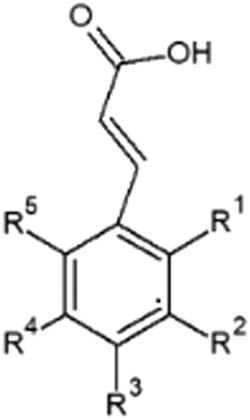 | Ferulic acid | –H | –H | –OH | –OCH3 | –H |
| Caffeic acid | –H | –H | –OH | –OH | –H | |
| p-Coumaric acid | –H | –H | –OH | –OH | –H | |
| Sinapic acid | –H | -OCH3 | –OH | –OCH3 | –H | |
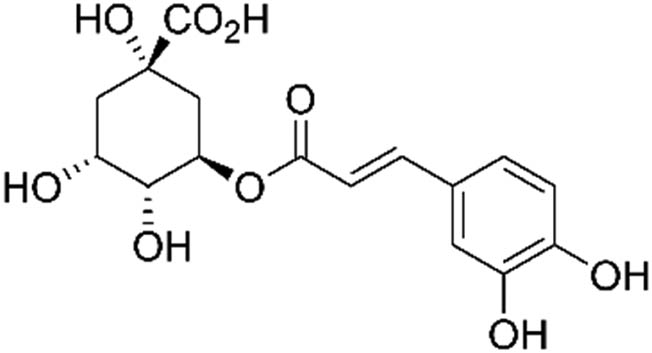 | Chlorogenic acid | |||||
| Flavonoids | ||||||
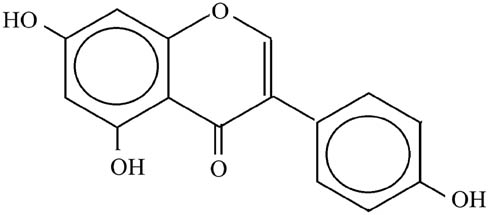 | Naringenin | |||||
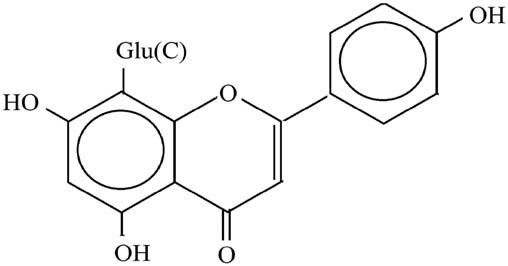 | Vitexin | |||||
 | R1 | R2 | ||||
| Apigenin | –H | –H | ||||
| Kaempferol | –OH | –H | ||||
| Quercetin | –OH | –OH | ||||
| Luteolin | –H | –OH | ||||
| Catechin | –OH | –H | ||||
| Rutin | o-gluk-ramn | –OH | ||||
3.4 Antioxidant potential analysis by an electrochemical assay
The electrochemical activity of the extracts was determined using SWV. Electrochemical measurements showing the content of redox compounds in the extracts demonstrated the presence of two signals on voltamperograms (Figure 1). In the PSL leaf extract, they were located at +0.325 ± 0.000 and +0.967 ± 0.010 V, while for PPL, these signals were slightly shifted toward the negative potential, which was +0.285 ± 0.000 and +0.955 ± 0.000 V, respectively. The dominant signal was the first one registered in both cases, located in the +0.3 V region (Figure 2).

Comparison of chromatograms of phenolic acids for P. serotina and P. padus (a), comparision of chromatograms of flavonoids for P. serotina and P. padus (b). (a) Comparison of chromatograms of phenolic acids for P. serotina (black line) and P. padus (blue line) leaves: 1 – gallic acid, 2 – 2,5-dihydroxobenzoic acid, 3 – 4-dihydroxobenzoic acid, 4 – caffeic acid, 5 – syringic acid, 6 – p-coumaric acid, 7 – ferulic acid, 8 – chlorogenic acid, 9 – sinapic acid, 10 – t-cinnamic acid, 11 – vanillic acid. (b) Comparison of chromatograms of flavonoids for P. serotina (black line) and P. padus (blue line) leaves: 1 – quercetin, 2 – naringenin, 3 – rutin, 4 – catechin.
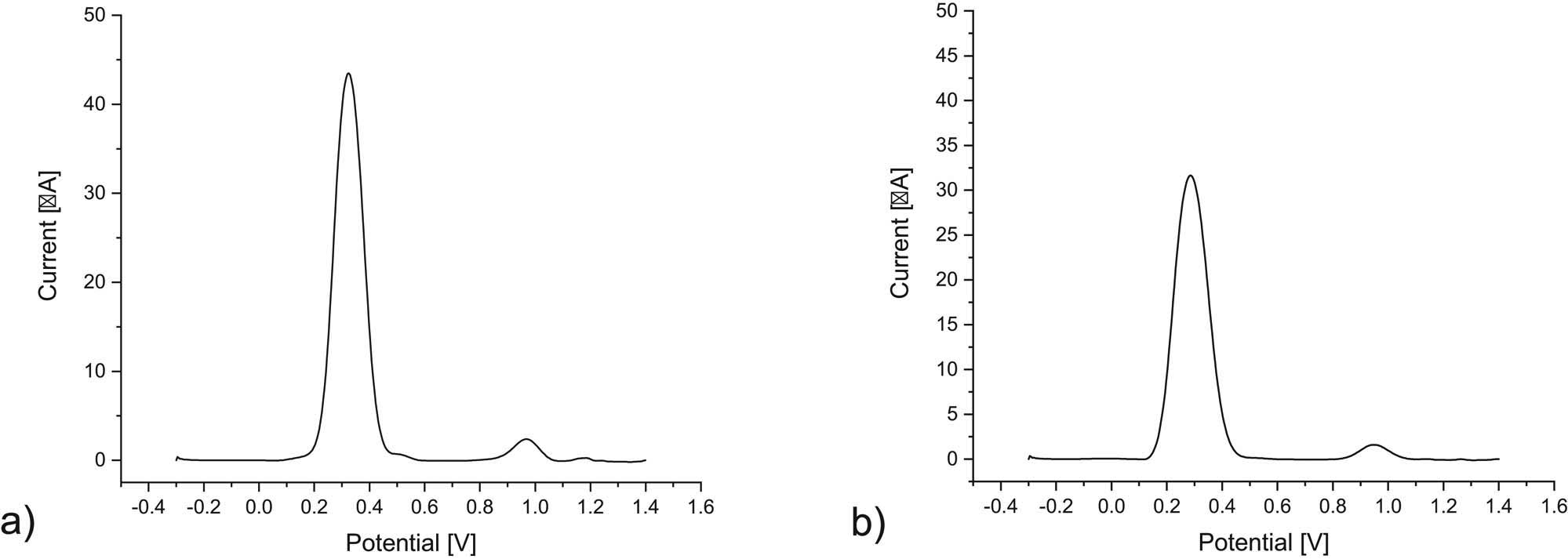
SWV signals for P. padus (a) and P. serotina (b) leaf extracts.
Table 4 summarizes electrochemical parameters determined for the analyzed extracts. The extract of PPL leaves exhibited higher electrochemical activity, expressed as the total area of redox signals, and the EI determined on its basis. The total signal area was 4.451 ± 0.117 V × µA, while EI reached the value of 142.417 ± 3.737. These values for PSL leaf extract were 3.602 ± 0.439 V × µA and 115.267 ± 14.043, respectively.
P. padus and P. serotina leaf extracts with FRAP, DPPH, ABTS radicals and total polyphenol content
| Sample/activity | PSL | PPL |
|---|---|---|
| TPC (mg GAE/g dw) | 21.54a ± 3.34 | 37.39b ± 3.81 |
| DPPH (mg TE/1 g dw) | 5.43a ± 0.07 | 6.62b ± 0.06 |
| ABTS (mg TE/g dw) | 8.55a ± 0.08 | 9.65b ± 0.09 |
| FRAP (µM FeSO4/1 g dw) | 179.24a ± 3.66 | 233.20b ± 5.97 |
Abbreviation: as in Table 1.
3.5 Antimicrobial activity
The influence of ground PSL and PPL leaves against indicator microorganisms of both Gram-positive and Gram-negative bacteria, as well as molds and fungi, was analyzed (Table 5).
The electrochemical parameters determined for extracts from P. padus and P. serotina leaves
| SWV parameters | ||
|---|---|---|
| Sample | PSL | PPL |
| Peak potential Ep [V] | 0.325 ± 0.000 | 0.285 ± 0.000 |
| 0.967 ± 0.010 | 0.950 ± 0.000 | |
| Peak current I [µA] | 27.102 ± 0.871 | 29.065 ± 1.081 |
| 1.267 ± 0.087 | 1.419 ± 0.225 | |
| Peak area EP × I [V × µA] | 3.469 ± 0.425 | 4.280 ± 0.089 |
| 0.134 ± 0.014 | 0.171 ± 0.027 | |
| Total peak current I [µA] | 28.379a ± 0.957 | 30.484b ± 1.306 |
| Total peak area [V × µA] | 3.602a ± 0.439 | 4.451b ± 0.117 |
| EI [V × µA/1 g dw] | 115.267a ± 14.043 | 142.417b ± 3.737 |
Abbreviation: as in Table 1.
The highest antimicrobial activity was demonstrated for PSL leaves against Enterococcus faecium (ATCC 27270) (24 mm) and PPL leaves against Listeria monocytogenes (ATCC 19115) (24 mm). The lowest activity of PSL leaf extract was demonstrated for bacteria from the Gram-negative group Acinetobacter baumannii (ATCC 19606), and it was 8 mm. The extract also showed low activity against fungi, similarly as PPL leaf extract.
4 Discussion
Less known plants or under-utilized species have recently been the subject of great research interest due to the presence of compounds exhibiting beneficial health properties. There are studies available in the literature, which, like in the current work, have indicated the antioxidant potential of P. padus and P. serotina leaves, but also of fruits, bark, and flowers [1,2,3,4,5,6,7]. As in the present study, other authors have pointed out polyphenols as compounds that affect antioxidant potential. Current studies, however, do not indicate differences in the content of specific biologically active compounds in P. padus and P. serotina leaves, and most importantly, the work to date did not include both spectroscopic and electrochemical studies, allowing the assessment of antioxidant activity. The use of electrochemical methods to assess the antioxidant potential is new in the field of bird cherry research. The aim of this study was also to compare selected phytochemicals as well as to investigate the antioxidant and antimicrobial activity of bird cherry leaves, because there is very little research on the subject in the literature. Antimicrobial activity studies have been deepened to include previously unknown strains of gram-positive and gram-negative bacteria as well as fungi. The main phenolic acid is chlorogenic acid, whose content in PPL was determined in earlier studies at the level of 1.39–1.94% dw [8]. Chlorogenic acid was also present in P. padus fruits at the level of 10.48 ± 0.28 mg/100 g fw [1]. Its presence in the fruits of P. serotina was also confirmed by ref. [7]. Other authors determined the content of individual polyphenols in one Prunus variety. These leaves were not compared. Quercetin was determined in P. serotina [7] but also in P. padus fruits (11.86 ± 2.36 mg/100 g fw) [1], indicating its importance in total antioxidant potential. Other studies demonstrated that rutin was primarily responsible for the properties of P. serotina leaves [17] and fruits of P. padus (2.67 ± 1.02 mg/100 g fw) [1]. It has been repeatedly suggested in the literature that polyphenol content determines the antioxidant properties, whose mechanism of action can be multidirectional. Polyphenols can inhibit the formation of free radicals; they can scavenge them and increase the catalytic activity of endogenous enzymes involved in free radical neutralization. Studies on bird cherry and the compounds it contains can be found in the literature. However, there is no information on the effect of bird cherry on reducing the degree of oxidative damage caused by the OH˙ radical using an electrochemical DNA biosensor. The electrochemical method shows a significant advantage over other methods enabling the determination of 8-oxoguanine level, because it allows direct testing of DNA sample, without the need for its hydrolysis, which is necessary for other highly sensitive methods [18]. The performed voltammetric measurement allowed determining the degree of damage based on the observed changes in the signals of DNA bases. Such changes in the guanine signal level are commonly considered in this type of analysis, or less frequently the appearance of nitrogen base-derived signals, including 8-oxodG [19]. The OH˙ hydroxyl radical is one of the most reactive forms of ROS, which can be generated by the Fenton reaction from H2O2 in the presence of transition metal cations such as Fe2+. Natural plant sources are also sought for in the context of the bactericidal and bacteriostatic activities since the overuse of antibiotics can have adverse effects. It has been demonstrated that many substances present in rhizomes, fruits, leaves, or bark can exert a biocidal effect [20]. The current study assessed the influence of leaf compounds of P. serotina against indicator microorganisms of both Gram-positive and Gram-negative bacteria, as well as molds and fungi (Table 6). The highest antimicrobial activity was demonstrated for P. serotina (PSL) leaves against Enterococcus faecium (ATCC 27270) (24 mm). Kumarasamy et al. (2004) [5] also evaluated the activity of P. padus seed dichloromethane extracts against Enterococcus faecalis and showed weak growth inhibition of these bacterial strains as well as Staphylococcus hominis. In the same study, the highest antibacterial activity was demonstrated for methanol extract from P. padus seeds against Staphylococcus aureus (ATCC 25923) (1.0 × 10⁻⁴ mg/mL). In addition, the extracts also showed the activity against methicillin-resistant bacterial strains Staphylococcus aureus (ATCC 25923), Staphylococcus hominis, and Proteus mirabilis [5]. The tested water extracts from PPL showed the highest activity against Listeria monocytogenes (ATCC 19115) (24 mm) and the lowest against fungi. Another study evaluated the antimicrobial effect using methanol extracts from the leaves and branches of P. padus. Both leaf and branch extract showed antimicrobial activity against most Gram-positive bacteria tested; however, only the branch extract exhibited any activity against Gram-negative bacteria. The extract from P. padus branches was most active against Kocuria rhizophila (MIC = 125 µg/mL) [6]. The lowest activity of P. serotina leaf extract (PSL) was demonstrated for bacteria from the Acinetobacter baumannii (ATCC 19606) Gram-negative group, and it was 8 mm. Low bird cherry activity has been shown against fungi. The antioxidant properties of bird cherry leaves depend on the content of biologically active compounds, and their measurement may be different depending on the methods used (spectroscopic, electrochemical). The variation in the result of activity is most likely due to the affinity of the extracted compounds for the reagents in the given methods and specificity of action. Not only the composition and the total content of individual compounds, but above all the mutual proportions, where, as the literature indicates, individual compounds may exhibit synergistic or antagonistic effects, which is important for both antioxidant and antimicrobial activities. Therefore, it is necessary to test each raw material, because predicting activity for most raw materials is difficult or impossible. It has been shown that P. padus can be an attractive raw material with antioxidant and antimicrobial properties that can be used on a much wider scale in food technology than its current application.
Micorbiological activity of P. padus and P. serotina leaves extract
| Indicator microorganisms | PSL | PPL |
|---|---|---|
| Growth inhibition zone (mm) | ||
| Gram-negative bacteria | ||
| Klebsiella pneumoniae (ATCC 31488) | 18 ± 30 | 19 ± 30 |
| Salmonella enteritidis (ATCC 13076) | 16 ± 30 | 14 ± 20 |
| Pseudomonas aeruginosa (ATCC 27853) | 15 ± 20 | 17 ± 30 |
| Acinetobacter baumannii (ATCC 19606) | 8 ± 10 | 15 ± 30 |
| Gram-positive bacteria | ||
| Enterococcus faecium (ATCC 27270) | 24 ± 40 | 22 ± 30 |
| Staphylococcus aureus (ATCC 25923) | 20 ± 30 | 15 ± 30 |
| Lactobacillus fermentum (ATCC 14932) | 18 ± 30 | 17 ± 30 |
| Clostridium butyricum (ATCC 860) | 19 ± 30 | 16 ± 30 |
| Listeria monocytogenes (ATCC 19115) | 23 ± 40 | 24 ± 40 |
| Bacillus coagulans (GBI-30, 6086) | 17 ± 30 | 19 ± 30 |
| Fungi | ||
| Candida utillis (ATCC 9950) | 8 ± 10 | 7 ± 10 |
| Aspergillus sp. | 5 ± 10 | 3 ± 10 |
| Fusarium sp. | 3 ± 00 | 4 ± 10 |
Abbreviation: PPL, water extract from Prunus padus L. leaves, PSL, water extract from Prunus serotina L. leaves.
5 Conclusions
In recent years, there has been a very high interest in plant-derived products and their health-promoting properties. Bird cherry (P. padus and P. serotina) is a new raw material that can gain significance not only as an innovation in the development of functional food. It is common in many parts of the world and does not require special cultivation conditions. It can be used to design innovative dietary supplements or functional foods. Food should not only provide basic nutrients but should also be considered in terms of health benefits that can be obtained from it. Bird cherry leaves are a good source of polyphenolic compounds with high antioxidant activity. Polyphenols showed a protecting effect on cell structures against damage caused by free radicals, which contribute to faster aging of the body. Current scientific research results confirm the beneficial properties of both P. serotina and P. padus extracts. It has been demonstrated that bird cherry leaf extracts containing polyphenolic compounds have antioxidant and antibacterial properties. Thus, P. padus and P. serotina preparations can be a valuable raw material used in the food, pharmaceutical, and cosmetics industries as a source of bioactive compounds with multidirectional antioxidant activity.
Acknowledgments
The publication was co-financed within the framework of the Ministry of Science and Higher Education program as “Regional Initiative Excellence in years 2019–2020,” project number 005/RID/2018/19.
Conflict of interest: Authors declare no conflict of interest.
References
[1] Donno D, Mellano MG, De Biaggi M, Riondato I, Rakotoniaina EN, Beccaro GL. New findings in Prunus padus L. Fruits as a source of natural compounds: Characterization of metabolite profiles and preliminary evaluation of antioxidant activity. Molecules. 2018;23(4):725. 10.3390/molecules23040725.Suche in Google Scholar PubMed PubMed Central
[2] Mikulic-Petkovsek M, Stampar F, Veberic R, Sircelj H. Wild Prunus fruit species as a rich source of bioactive compounds. J Food Sci. 2016;81:C1928–37.10.1111/1750-3841.13398Suche in Google Scholar PubMed
[3] Drochioiu G, Arsene C, Murariu M, Oniscu C. Analysis of cyanogens with resorcinol and picrate. Food Chem Toxicol. 2008;46:3540–5.10.1016/j.fct.2008.09.005Suche in Google Scholar PubMed
[4] Santos Pimenta LP, Schilthuizen M, Verpoorte R, Choi YH. Quantitative analysis of amygdalin and prunasin in Prunus serotina Ehrh. using 1H-NMR spectroscopy. Phytochem Anal. 2014;25:122–6.10.1002/pca.2476Suche in Google Scholar PubMed
[5] Kumarasamy Y, Cox PJ, Jaspars M, Nahar L, Sarker SD. Comparative studies on biological activities of Prunus padus and P. spinosa. Fitoterapia. 2004;75:77–80.10.1016/j.fitote.2003.08.011Suche in Google Scholar PubMed
[6] Hyun TK, Kim HC, Kim JS. In vitro screening for antioxidant, antimicrobial, and antidiabetic properties of some Korean native plants on Mt. Halla, Jeju Island. Indian J Pharm Sci. 2015;77:668–74.10.4103/0250-474X.174984Suche in Google Scholar PubMed PubMed Central
[7] Luna-Vázquez FJ, Ibarra-Alvarado C, Rojas-Molina A, Rojas-Molina JI, Yahia EM, Rivera-Pastrana DM, et al. Nutraceutical value of black cherry prunus serotina ehrh. Fruits: antioxidant and antihypertensive properties. Molecules. 2013;18:14597–612.10.3390/molecules181214597Suche in Google Scholar PubMed PubMed Central
[8] Olszewska MA, Kwapisz A. Metabolite profiling and antioxidant activity of Prunus padus L. flowers and leaves. Nat Prod Res. 2011;25:1115–31.10.1080/14786410903230359Suche in Google Scholar PubMed
[9] Choi JH, Cha DS, Jeon H. Anti-inflammatory and anti-nociceptive properties of Prunus padus. J Ethnopharmacol. 2012;144:379–86.10.1016/j.jep.2012.09.023Suche in Google Scholar PubMed
[10] Stuper-Szablewska K, Kurasiak-Popowska D, Nawracała J, Perkowski J. Response of non-enzymatic antioxidative mechanisms to stress caused by infection with Fusarium fungi and chemical protection in different wheat genotypes. Chem Ecol. 2017;33:949–62.10.1080/02757540.2017.1381689Suche in Google Scholar
[11] Kulczyński B, Kobus-Cisowska J, Kmiecik D, Gramza-Michałowska A, Golczak D, Korczak J. Antiradical capacity and polyphenol composition of asparagus spears varieties cultivated under different sunlight conditions. Acta Sci Pol Technol Aliment. 2016;15:267–79.10.17306/J.AFS.2016.3.26Suche in Google Scholar PubMed
[12] Kobus-Cisowska J, Szulc P, Szczepaniak O, Dziedziński M, Szymanowska D, Szymandera-Buszka K, et al. Variability of Hordeum vulgare L. cultivars in yield, antioxidant potential, and cholinesterase inhibitory activity. Sustainability. 2020;12:1938.10.3390/su12051938Suche in Google Scholar
[13] O’Sullivan AM, O’Callaghan YC, O’Connor TP, O’Brien NM. Comparison of the antioxidant activity of commercial honeys, before and after in vitro digestion. Pol J Food Nutr Sci. 2013;63:167–71.10.2478/v10222-012-0080-6Suche in Google Scholar
[14] Ligaj M, Tichoniuk M, Filipiak M. Detection of bar gene encoding phosphinothricin herbicide resistance in plants by electrochemical biosensor. Bioelectrochemistry. 2008;74:32–37.10.1016/j.bioelechem.2008.03.003Suche in Google Scholar PubMed
[15] Press WH, Flannery BP, Teukolsky SA, Vetterling WT. Savitzky–Golay smoothing filters. In: Numerical recipes in Fortran 77: The art of scientific computing. Cambrigde, UK: Cambridge University Press; 1992.10.1063/1.4822961Suche in Google Scholar
[16] Szczepaniak OM, Ligaj M, Kobus-Cisowska J, Maciejewska P, Tichoniuk M, Szulc P. Application for novel electrochemical screening of antioxidant potential and phytochemicals in Cornus mas extracts. CYTA J Food. 2019;17:781–9.10.1080/19476337.2019.1653378Suche in Google Scholar
[17] Luna-Vázquez FJ, Ibarra-Alvarado C, Rojas-Molina A, Romo-Mancillas A, López-Vallejo FH, Solís-Gutiérrez M, et al. Role of nitric oxide and hydrogen sulfide in the vasodilator effect of ursolic acid and uvaol from black cherry prunus serotina fruits. Molecules. 2016;21(1):78. 10.3390/molecules21010078.Suche in Google Scholar PubMed PubMed Central
[18] Bruskov VI, Malakhova LV, Masalimov ZK, Chernikov AV. Heat-induced formation of reactive oxygen species and 8-oxoguanine, a biomarker of damage to DNA. Nucleic Acids Res. 2002;30:1354–63.10.1093/nar/30.6.1354Suche in Google Scholar PubMed PubMed Central
[19] Diculescu VC, Paquim AMC, Brett AMO. Electrochemical DNA sensors for detection of DNA damage. Sensors. 2005;5:377–93.10.3390/s5060377Suche in Google Scholar
[20] Kobus-Cisowska J, Szymanowska-Powałowska D, Szczepaniak O, Kmiecik D, Przeor M, Gramza-Michałowska A, et al. Composition and in vitro effects of cultivars of Humulus lupulus L. Hops on cholinesterase activity and microbial growth. Nutrients. 2019;11:1377.10.3390/nu11061377Suche in Google Scholar PubMed PubMed Central
© 2020 Aleksandra Telichowska et al., published by De Gruyter
This work is licensed under the Creative Commons Attribution 4.0 International License.
Artikel in diesem Heft
- Regular Articles
- Electrochemical antioxidant screening and evaluation based on guanine and chitosan immobilized MoS2 nanosheet modified glassy carbon electrode (guanine/CS/MoS2/GCE)
- Kinetic models of the extraction of vanillic acid from pumpkin seeds
- On the maximum ABC index of bipartite graphs without pendent vertices
- Estimation of the total antioxidant potential in the meat samples using thin-layer chromatography
- Molecular dynamics simulation of sI methane hydrate under compression and tension
- Spatial distribution and potential ecological risk assessment of some trace elements in sediments and grey mangrove (Avicennia marina) along the Arabian Gulf coast, Saudi Arabia
- Amino-functionalized graphene oxide for Cr(VI), Cu(II), Pb(II) and Cd(II) removal from industrial wastewater
- Chemical composition and in vitro activity of Origanum vulgare L., Satureja hortensis L., Thymus serpyllum L. and Thymus vulgaris L. essential oils towards oral isolates of Candida albicans and Candida glabrata
- Effect of excess Fluoride consumption on Urine-Serum Fluorides, Dental state and Thyroid Hormones among children in “Talab Sarai” Punjab Pakistan
- Design, Synthesis and Characterization of Novel Isoxazole Tagged Indole Hybrid Compounds
- Comparison of kinetic and enzymatic properties of intracellular phosphoserine aminotransferases from alkaliphilic and neutralophilic bacteria
- Green Organic Solvent-Free Oxidation of Alkylarenes with tert-Butyl Hydroperoxide Catalyzed by Water-Soluble Copper Complex
- Ducrosia ismaelis Asch. essential oil: chemical composition profile and anticancer, antimicrobial and antioxidant potential assessment
- DFT calculations as an efficient tool for prediction of Raman and infra-red spectra and activities of newly synthesized cathinones
- Influence of Chemical Osmosis on Solute Transport and Fluid Velocity in Clay Soils
- A New fatty acid and some triterpenoids from propolis of Nkambe (North-West Region, Cameroon) and evaluation of the antiradical scavenging activity of their extracts
- Antiplasmodial Activity of Stigmastane Steroids from Dryobalanops oblongifolia Stem Bark
- Rapid identification of direct-acting pancreatic protectants from Cyclocarya paliurus leaves tea by the method of serum pharmacochemistry combined with target cell extraction
- Immobilization of Pseudomonas aeruginosa static biomass on eggshell powder for on-line preconcentration and determination of Cr (VI)
- Assessment of methyl 2-({[(4,6-dimethoxypyrimidin-2-yl)carbamoyl] sulfamoyl}methyl)benzoate through biotic and abiotic degradation modes
- Stability of natural polyphenol fisetin in eye drops Stability of fisetin in eye drops
- Production of a bioflocculant by using activated sludge and its application in Pb(II) removal from aqueous solution
- Molecular Properties of Carbon Crystal Cubic Structures
- Synthesis and characterization of calcium carbonate whisker from yellow phosphorus slag
- Study on the interaction between catechin and cholesterol by the density functional theory
- Analysis of some pharmaceuticals in the presence of their synthetic impurities by applying hybrid micelle liquid chromatography
- Two mixed-ligand coordination polymers based on 2,5-thiophenedicarboxylic acid and flexible N-donor ligands: the protective effect on periodontitis via reducing the release of IL-1β and TNF-α
- Incorporation of silver stearate nanoparticles in methacrylate polymeric monoliths for hemeprotein isolation
- Development of ultrasound-assisted dispersive solid-phase microextraction based on mesoporous carbon coated with silica@iron oxide nanocomposite for preconcentration of Te and Tl in natural water systems
- N,N′-Bis[2-hydroxynaphthylidene]/[2-methoxybenzylidene]amino]oxamides and their divalent manganese complexes: Isolation, spectral characterization, morphology, antibacterial and cytotoxicity against leukemia cells
- Determination of the content of selected trace elements in Polish commercial fruit juices and health risk assessment
- Diorganotin(iv) benzyldithiocarbamate complexes: synthesis, characterization, and thermal and cytotoxicity study
- Keratin 17 is induced in prurigo nodularis lesions
- Anticancer, antioxidant, and acute toxicity studies of a Saudi polyherbal formulation, PHF5
- LaCoO3 perovskite-type catalysts in syngas conversion
- Comparative studies of two vegetal extracts from Stokesia laevis and Geranium pratense: polyphenol profile, cytotoxic effect and antiproliferative activity
- Fragmentation pattern of certain isatin–indole antiproliferative conjugates with application to identify their in vitro metabolic profiles in rat liver microsomes by liquid chromatography tandem mass spectrometry
- Investigation of polyphenol profile, antioxidant activity and hepatoprotective potential of Aconogonon alpinum (All.) Schur roots
- Lead discovery of a guanidinyl tryptophan derivative on amyloid cascade inhibition
- Physicochemical evaluation of the fruit pulp of Opuntia spp growing in the Mediterranean area under hard climate conditions
- Electronic structural properties of amino/hydroxyl functionalized imidazolium-based bromide ionic liquids
- New Schiff bases of 2-(quinolin-8-yloxy)acetohydrazide and their Cu(ii), and Zn(ii) metal complexes: their in vitro antimicrobial potentials and in silico physicochemical and pharmacokinetics properties
- Treatment of adhesions after Achilles tendon injury using focused ultrasound with targeted bFGF plasmid-loaded cationic microbubbles
- Synthesis of orotic acid derivatives and their effects on stem cell proliferation
- Chirality of β2-agonists. An overview of pharmacological activity, stereoselective analysis, and synthesis
- Fe3O4@urea/HITh-SO3H as an efficient and reusable catalyst for the solvent-free synthesis of 7-aryl-8H-benzo[h]indeno[1,2-b]quinoline-8-one and indeno[2′,1′:5,6]pyrido[2,3-d]pyrimidine derivatives
- Adsorption kinetic characteristics of molybdenum in yellow-brown soil in response to pH and phosphate
- Enhancement of thermal properties of bio-based microcapsules intended for textile applications
- Exploring the effect of khat (Catha edulis) chewing on the pharmacokinetics of the antiplatelet drug clopidogrel in rats using the newly developed LC-MS/MS technique
- A green strategy for obtaining anthraquinones from Rheum tanguticum by subcritical water
- Cadmium (Cd) chloride affects the nutrient uptake and Cd-resistant bacterium reduces the adsorption of Cd in muskmelon plants
- Removal of H2S by vermicompost biofilter and analysis on bacterial community
- Structural cytotoxicity relationship of 2-phenoxy(thiomethyl)pyridotriazolopyrimidines: Quantum chemical calculations and statistical analysis
- A self-breaking supramolecular plugging system as lost circulation material in oilfield
- Synthesis, characterization, and pharmacological evaluation of thiourea derivatives
- Application of drug–metal ion interaction principle in conductometric determination of imatinib, sorafenib, gefitinib and bosutinib
- Synthesis and characterization of a novel chitosan-grafted-polyorthoethylaniline biocomposite and utilization for dye removal from water
- Optimisation of urine sample preparation for shotgun proteomics
- DFT investigations on arylsulphonyl pyrazole derivatives as potential ligands of selected kinases
- Treatment of Parkinson’s disease using focused ultrasound with GDNF retrovirus-loaded microbubbles to open the blood–brain barrier
- New derivatives of a natural nordentatin
- Fluorescence biomarkers of malignant melanoma detectable in urine
- Study of the remediation effects of passivation materials on Pb-contaminated soil
- Saliva proteomic analysis reveals possible biomarkers of renal cell carcinoma
- Withania frutescens: Chemical characterization, analgesic, anti-inflammatory, and healing activities
- Design, synthesis and pharmacological profile of (−)-verbenone hydrazones
- Synthesis of magnesium carbonate hydrate from natural talc
- Stability-indicating HPLC-DAD assay for simultaneous quantification of hydrocortisone 21 acetate, dexamethasone, and fluocinolone acetonide in cosmetics
- A novel lactose biosensor based on electrochemically synthesized 3,4-ethylenedioxythiophene/thiophene (EDOT/Th) copolymer
- Citrullus colocynthis (L.) Schrad: Chemical characterization, scavenging and cytotoxic activities
- Development and validation of a high performance liquid chromatography/diode array detection method for estrogen determination: Application to residual analysis in meat products
- PCSK9 concentrations in different stages of subclinical atherosclerosis and their relationship with inflammation
- Development of trace analysis for alkyl methanesulfonates in the delgocitinib drug substance using GC-FID and liquid–liquid extraction with ionic liquid
- Electrochemical evaluation of the antioxidant capacity of natural compounds on glassy carbon electrode modified with guanine-, polythionine-, and nitrogen-doped graphene
- A Dy(iii)–organic framework as a fluorescent probe for highly selective detection of picric acid and treatment activity on human lung cancer cells
- A Zn(ii)–organic cage with semirigid ligand for solvent-free cyanosilylation and inhibitory effect on ovarian cancer cell migration and invasion ability via regulating mi-RNA16 expression
- Polyphenol content and antioxidant activities of Prunus padus L. and Prunus serotina L. leaves: Electrochemical and spectrophotometric approach and their antimicrobial properties
- The combined use of GC, PDSC and FT-IR techniques to characterize fat extracted from commercial complete dry pet food for adult cats
- MALDI-TOF MS profiling in the discovery and identification of salivary proteomic patterns of temporomandibular joint disorders
- Concentrations of dioxins, furans and dioxin-like PCBs in natural animal feed additives
- Structure and some physicochemical and functional properties of water treated under ammonia with low-temperature low-pressure glow plasma of low frequency
- Mesoscale nanoparticles encapsulated with emodin for targeting antifibrosis in animal models
- Amine-functionalized magnetic activated carbon as an adsorbent for preconcentration and determination of acidic drugs in environmental water samples using HPLC-DAD
- Antioxidant activity as a response to cadmium pollution in three durum wheat genotypes differing in salt-tolerance
- A promising naphthoquinone [8-hydroxy-2-(2-thienylcarbonyl)naphtho[2,3-b]thiophene-4,9-dione] exerts anti-colorectal cancer activity through ferroptosis and inhibition of MAPK signaling pathway based on RNA sequencing
- Synthesis and efficacy of herbicidal ionic liquids with chlorsulfuron as the anion
- Effect of isovalent substitution on the crystal structure and properties of two-slab indates BaLa2−xSmxIn2O7
- Synthesis, spectral and thermo-kinetics explorations of Schiff-base derived metal complexes
- An improved reduction method for phase stability testing in the single-phase region
- Comparative analysis of chemical composition of some commercially important fishes with an emphasis on various Malaysian diets
- Development of a solventless stir bar sorptive extraction/thermal desorption large volume injection capillary gas chromatographic-mass spectrometric method for ultra-trace determination of pyrethroids pesticides in river and tap water samples
- A turbidity sensor development based on NL-PI observers: Experimental application to the control of a Sinaloa’s River Spirulina maxima cultivation
- Deep desulfurization of sintering flue gas in iron and steel works based on low-temperature oxidation
- Investigations of metallic elements and phenolics in Chinese medicinal plants
- Influence of site-classification approach on geochemical background values
- Effects of ageing on the surface characteristics and Cu(ii) adsorption behaviour of rice husk biochar in soil
- Adsorption and sugarcane-bagasse-derived activated carbon-based mitigation of 1-[2-(2-chloroethoxy)phenyl]sulfonyl-3-(4-methoxy-6-methyl-1,3,5-triazin-2-yl) urea-contaminated soils
- Antimicrobial and antifungal activities of bifunctional cooper(ii) complexes with non-steroidal anti-inflammatory drugs, flufenamic, mefenamic and tolfenamic acids and 1,10-phenanthroline
- Application of selenium and silicon to alleviate short-term drought stress in French marigold (Tagetes patula L.) as a model plant species
- Screening and analysis of xanthine oxidase inhibitors in jute leaves and their protective effects against hydrogen peroxide-induced oxidative stress in cells
- Synthesis and physicochemical studies of a series of mixed-ligand transition metal complexes and their molecular docking investigations against Coronavirus main protease
- A study of in vitro metabolism and cytotoxicity of mephedrone and methoxetamine in human and pig liver models using GC/MS and LC/MS analyses
- A new phenyl alkyl ester and a new combretin triterpene derivative from Combretum fragrans F. Hoffm (Combretaceae) and antiproliferative activity
- Erratum
- Erratum to: A one-step incubation ELISA kit for rapid determination of dibutyl phthalate in water, beverage and liquor
- Review Articles
- Sinoporphyrin sodium, a novel sensitizer for photodynamic and sonodynamic therapy
- Natural products isolated from Casimiroa
- Plant description, phytochemical constituents and bioactivities of Syzygium genus: A review
- Evaluation of elastomeric heat shielding materials as insulators for solid propellant rocket motors: A short review
- Special Issue on Applied Biochemistry and Biotechnology 2019
- An overview of Monascus fermentation processes for monacolin K production
- Study on online soft sensor method of total sugar content in chlorotetracycline fermentation tank
- Studies on the Anti-Gouty Arthritis and Anti-hyperuricemia Properties of Astilbin in Animal Models
- Effects of organic fertilizer on water use, photosynthetic characteristics, and fruit quality of pear jujube in northern Shaanxi
- Characteristics of the root exudate release system of typical plants in plateau lakeside wetland under phosphorus stress conditions
- Characterization of soil water by the means of hydrogen and oxygen isotope ratio at dry-wet season under different soil layers in the dry-hot valley of Jinsha River
- Composition and diurnal variation of floral scent emission in Rosa rugosa Thunb. and Tulipa gesneriana L.
- Preparation of a novel ginkgolide B niosomal composite drug
- The degradation, biodegradability and toxicity evaluation of sulfamethazine antibiotics by gamma radiation
- Special issue on Monitoring, Risk Assessment and Sustainable Management for the Exposure to Environmental Toxins
- Insight into the cadmium and zinc binding potential of humic acids derived from composts by EEM spectra combined with PARAFAC analysis
- Source apportionment of soil contamination based on multivariate receptor and robust geostatistics in a typical rural–urban area, Wuhan city, middle China
- Special Issue on 13th JCC 2018
- The Role of H2C2O4 and Na2CO3 as Precipitating Agents on The Physichochemical Properties and Photocatalytic Activity of Bismuth Oxide
- Preparation of magnetite-silica–cetyltrimethylammonium for phenol removal based on adsolubilization
- Topical Issue on Agriculture
- Size-dependent growth kinetics of struvite crystals in wastewater with calcium ions
- The effect of silica-calcite sedimentary rock contained in the chicken broiler diet on the overall quality of chicken muscles
- Physicochemical properties of selected herbicidal products containing nicosulfuron as an active ingredient
- Lycopene in tomatoes and tomato products
- Fluorescence in the assessment of the share of a key component in the mixing of feed
- Sulfur application alleviates chromium stress in maize and wheat
- Effectiveness of removal of sulphur compounds from the air after 3 years of biofiltration with a mixture of compost soil, peat, coconut fibre and oak bark
- Special Issue on the 4th Green Chemistry 2018
- Study and fire test of banana fibre reinforced composites with flame retardance properties
- Special Issue on the International conference CosCI 2018
- Disintegration, In vitro Dissolution, and Drug Release Kinetics Profiles of k-Carrageenan-based Nutraceutical Hard-shell Capsules Containing Salicylamide
- Synthesis of amorphous aluminosilicate from impure Indonesian kaolin
- Special Issue on the International Conf on Science, Applied Science, Teaching and Education 2019
- Functionalization of Congo red dye as a light harvester on solar cell
- The effect of nitrite food preservatives added to se’i meat on the expression of wild-type p53 protein
- Biocompatibility and osteoconductivity of scaffold porous composite collagen–hydroxyapatite based coral for bone regeneration
- Special Issue on the Joint Science Congress of Materials and Polymers (ISCMP 2019)
- Effect of natural boron mineral use on the essential oil ratio and components of Musk Sage (Salvia sclarea L.)
- A theoretical and experimental study of the adsorptive removal of hexavalent chromium ions using graphene oxide as an adsorbent
- A study on the bacterial adhesion of Streptococcus mutans in various dental ceramics: In vitro study
- Corrosion study of copper in aqueous sulfuric acid solution in the presence of (2E,5E)-2,5-dibenzylidenecyclopentanone and (2E,5E)-bis[(4-dimethylamino)benzylidene]cyclopentanone: Experimental and theoretical study
- Special Issue on Chemistry Today for Tomorrow 2019
- Diabetes mellitus type 2: Exploratory data analysis based on clinical reading
- Multivariate analysis for the classification of copper–lead and copper–zinc glasses
- Special Issue on Advances in Chemistry and Polymers
- The spatial and temporal distribution of cationic and anionic radicals in early embryo implantation
- Special Issue on 3rd IC3PE 2020
- Magnetic iron oxide/clay nanocomposites for adsorption and catalytic oxidation in water treatment applications
- Special Issue on IC3PE 2018/2019 Conference
- Exergy analysis of conventional and hydrothermal liquefaction–esterification processes of microalgae for biodiesel production
- Advancing biodiesel production from microalgae Spirulina sp. by a simultaneous extraction–transesterification process using palm oil as a co-solvent of methanol
- Topical Issue on Applications of Mathematics in Chemistry
- Omega and the related counting polynomials of some chemical structures
- M-polynomial and topological indices of zigzag edge coronoid fused by starphene
Artikel in diesem Heft
- Regular Articles
- Electrochemical antioxidant screening and evaluation based on guanine and chitosan immobilized MoS2 nanosheet modified glassy carbon electrode (guanine/CS/MoS2/GCE)
- Kinetic models of the extraction of vanillic acid from pumpkin seeds
- On the maximum ABC index of bipartite graphs without pendent vertices
- Estimation of the total antioxidant potential in the meat samples using thin-layer chromatography
- Molecular dynamics simulation of sI methane hydrate under compression and tension
- Spatial distribution and potential ecological risk assessment of some trace elements in sediments and grey mangrove (Avicennia marina) along the Arabian Gulf coast, Saudi Arabia
- Amino-functionalized graphene oxide for Cr(VI), Cu(II), Pb(II) and Cd(II) removal from industrial wastewater
- Chemical composition and in vitro activity of Origanum vulgare L., Satureja hortensis L., Thymus serpyllum L. and Thymus vulgaris L. essential oils towards oral isolates of Candida albicans and Candida glabrata
- Effect of excess Fluoride consumption on Urine-Serum Fluorides, Dental state and Thyroid Hormones among children in “Talab Sarai” Punjab Pakistan
- Design, Synthesis and Characterization of Novel Isoxazole Tagged Indole Hybrid Compounds
- Comparison of kinetic and enzymatic properties of intracellular phosphoserine aminotransferases from alkaliphilic and neutralophilic bacteria
- Green Organic Solvent-Free Oxidation of Alkylarenes with tert-Butyl Hydroperoxide Catalyzed by Water-Soluble Copper Complex
- Ducrosia ismaelis Asch. essential oil: chemical composition profile and anticancer, antimicrobial and antioxidant potential assessment
- DFT calculations as an efficient tool for prediction of Raman and infra-red spectra and activities of newly synthesized cathinones
- Influence of Chemical Osmosis on Solute Transport and Fluid Velocity in Clay Soils
- A New fatty acid and some triterpenoids from propolis of Nkambe (North-West Region, Cameroon) and evaluation of the antiradical scavenging activity of their extracts
- Antiplasmodial Activity of Stigmastane Steroids from Dryobalanops oblongifolia Stem Bark
- Rapid identification of direct-acting pancreatic protectants from Cyclocarya paliurus leaves tea by the method of serum pharmacochemistry combined with target cell extraction
- Immobilization of Pseudomonas aeruginosa static biomass on eggshell powder for on-line preconcentration and determination of Cr (VI)
- Assessment of methyl 2-({[(4,6-dimethoxypyrimidin-2-yl)carbamoyl] sulfamoyl}methyl)benzoate through biotic and abiotic degradation modes
- Stability of natural polyphenol fisetin in eye drops Stability of fisetin in eye drops
- Production of a bioflocculant by using activated sludge and its application in Pb(II) removal from aqueous solution
- Molecular Properties of Carbon Crystal Cubic Structures
- Synthesis and characterization of calcium carbonate whisker from yellow phosphorus slag
- Study on the interaction between catechin and cholesterol by the density functional theory
- Analysis of some pharmaceuticals in the presence of their synthetic impurities by applying hybrid micelle liquid chromatography
- Two mixed-ligand coordination polymers based on 2,5-thiophenedicarboxylic acid and flexible N-donor ligands: the protective effect on periodontitis via reducing the release of IL-1β and TNF-α
- Incorporation of silver stearate nanoparticles in methacrylate polymeric monoliths for hemeprotein isolation
- Development of ultrasound-assisted dispersive solid-phase microextraction based on mesoporous carbon coated with silica@iron oxide nanocomposite for preconcentration of Te and Tl in natural water systems
- N,N′-Bis[2-hydroxynaphthylidene]/[2-methoxybenzylidene]amino]oxamides and their divalent manganese complexes: Isolation, spectral characterization, morphology, antibacterial and cytotoxicity against leukemia cells
- Determination of the content of selected trace elements in Polish commercial fruit juices and health risk assessment
- Diorganotin(iv) benzyldithiocarbamate complexes: synthesis, characterization, and thermal and cytotoxicity study
- Keratin 17 is induced in prurigo nodularis lesions
- Anticancer, antioxidant, and acute toxicity studies of a Saudi polyherbal formulation, PHF5
- LaCoO3 perovskite-type catalysts in syngas conversion
- Comparative studies of two vegetal extracts from Stokesia laevis and Geranium pratense: polyphenol profile, cytotoxic effect and antiproliferative activity
- Fragmentation pattern of certain isatin–indole antiproliferative conjugates with application to identify their in vitro metabolic profiles in rat liver microsomes by liquid chromatography tandem mass spectrometry
- Investigation of polyphenol profile, antioxidant activity and hepatoprotective potential of Aconogonon alpinum (All.) Schur roots
- Lead discovery of a guanidinyl tryptophan derivative on amyloid cascade inhibition
- Physicochemical evaluation of the fruit pulp of Opuntia spp growing in the Mediterranean area under hard climate conditions
- Electronic structural properties of amino/hydroxyl functionalized imidazolium-based bromide ionic liquids
- New Schiff bases of 2-(quinolin-8-yloxy)acetohydrazide and their Cu(ii), and Zn(ii) metal complexes: their in vitro antimicrobial potentials and in silico physicochemical and pharmacokinetics properties
- Treatment of adhesions after Achilles tendon injury using focused ultrasound with targeted bFGF plasmid-loaded cationic microbubbles
- Synthesis of orotic acid derivatives and their effects on stem cell proliferation
- Chirality of β2-agonists. An overview of pharmacological activity, stereoselective analysis, and synthesis
- Fe3O4@urea/HITh-SO3H as an efficient and reusable catalyst for the solvent-free synthesis of 7-aryl-8H-benzo[h]indeno[1,2-b]quinoline-8-one and indeno[2′,1′:5,6]pyrido[2,3-d]pyrimidine derivatives
- Adsorption kinetic characteristics of molybdenum in yellow-brown soil in response to pH and phosphate
- Enhancement of thermal properties of bio-based microcapsules intended for textile applications
- Exploring the effect of khat (Catha edulis) chewing on the pharmacokinetics of the antiplatelet drug clopidogrel in rats using the newly developed LC-MS/MS technique
- A green strategy for obtaining anthraquinones from Rheum tanguticum by subcritical water
- Cadmium (Cd) chloride affects the nutrient uptake and Cd-resistant bacterium reduces the adsorption of Cd in muskmelon plants
- Removal of H2S by vermicompost biofilter and analysis on bacterial community
- Structural cytotoxicity relationship of 2-phenoxy(thiomethyl)pyridotriazolopyrimidines: Quantum chemical calculations and statistical analysis
- A self-breaking supramolecular plugging system as lost circulation material in oilfield
- Synthesis, characterization, and pharmacological evaluation of thiourea derivatives
- Application of drug–metal ion interaction principle in conductometric determination of imatinib, sorafenib, gefitinib and bosutinib
- Synthesis and characterization of a novel chitosan-grafted-polyorthoethylaniline biocomposite and utilization for dye removal from water
- Optimisation of urine sample preparation for shotgun proteomics
- DFT investigations on arylsulphonyl pyrazole derivatives as potential ligands of selected kinases
- Treatment of Parkinson’s disease using focused ultrasound with GDNF retrovirus-loaded microbubbles to open the blood–brain barrier
- New derivatives of a natural nordentatin
- Fluorescence biomarkers of malignant melanoma detectable in urine
- Study of the remediation effects of passivation materials on Pb-contaminated soil
- Saliva proteomic analysis reveals possible biomarkers of renal cell carcinoma
- Withania frutescens: Chemical characterization, analgesic, anti-inflammatory, and healing activities
- Design, synthesis and pharmacological profile of (−)-verbenone hydrazones
- Synthesis of magnesium carbonate hydrate from natural talc
- Stability-indicating HPLC-DAD assay for simultaneous quantification of hydrocortisone 21 acetate, dexamethasone, and fluocinolone acetonide in cosmetics
- A novel lactose biosensor based on electrochemically synthesized 3,4-ethylenedioxythiophene/thiophene (EDOT/Th) copolymer
- Citrullus colocynthis (L.) Schrad: Chemical characterization, scavenging and cytotoxic activities
- Development and validation of a high performance liquid chromatography/diode array detection method for estrogen determination: Application to residual analysis in meat products
- PCSK9 concentrations in different stages of subclinical atherosclerosis and their relationship with inflammation
- Development of trace analysis for alkyl methanesulfonates in the delgocitinib drug substance using GC-FID and liquid–liquid extraction with ionic liquid
- Electrochemical evaluation of the antioxidant capacity of natural compounds on glassy carbon electrode modified with guanine-, polythionine-, and nitrogen-doped graphene
- A Dy(iii)–organic framework as a fluorescent probe for highly selective detection of picric acid and treatment activity on human lung cancer cells
- A Zn(ii)–organic cage with semirigid ligand for solvent-free cyanosilylation and inhibitory effect on ovarian cancer cell migration and invasion ability via regulating mi-RNA16 expression
- Polyphenol content and antioxidant activities of Prunus padus L. and Prunus serotina L. leaves: Electrochemical and spectrophotometric approach and their antimicrobial properties
- The combined use of GC, PDSC and FT-IR techniques to characterize fat extracted from commercial complete dry pet food for adult cats
- MALDI-TOF MS profiling in the discovery and identification of salivary proteomic patterns of temporomandibular joint disorders
- Concentrations of dioxins, furans and dioxin-like PCBs in natural animal feed additives
- Structure and some physicochemical and functional properties of water treated under ammonia with low-temperature low-pressure glow plasma of low frequency
- Mesoscale nanoparticles encapsulated with emodin for targeting antifibrosis in animal models
- Amine-functionalized magnetic activated carbon as an adsorbent for preconcentration and determination of acidic drugs in environmental water samples using HPLC-DAD
- Antioxidant activity as a response to cadmium pollution in three durum wheat genotypes differing in salt-tolerance
- A promising naphthoquinone [8-hydroxy-2-(2-thienylcarbonyl)naphtho[2,3-b]thiophene-4,9-dione] exerts anti-colorectal cancer activity through ferroptosis and inhibition of MAPK signaling pathway based on RNA sequencing
- Synthesis and efficacy of herbicidal ionic liquids with chlorsulfuron as the anion
- Effect of isovalent substitution on the crystal structure and properties of two-slab indates BaLa2−xSmxIn2O7
- Synthesis, spectral and thermo-kinetics explorations of Schiff-base derived metal complexes
- An improved reduction method for phase stability testing in the single-phase region
- Comparative analysis of chemical composition of some commercially important fishes with an emphasis on various Malaysian diets
- Development of a solventless stir bar sorptive extraction/thermal desorption large volume injection capillary gas chromatographic-mass spectrometric method for ultra-trace determination of pyrethroids pesticides in river and tap water samples
- A turbidity sensor development based on NL-PI observers: Experimental application to the control of a Sinaloa’s River Spirulina maxima cultivation
- Deep desulfurization of sintering flue gas in iron and steel works based on low-temperature oxidation
- Investigations of metallic elements and phenolics in Chinese medicinal plants
- Influence of site-classification approach on geochemical background values
- Effects of ageing on the surface characteristics and Cu(ii) adsorption behaviour of rice husk biochar in soil
- Adsorption and sugarcane-bagasse-derived activated carbon-based mitigation of 1-[2-(2-chloroethoxy)phenyl]sulfonyl-3-(4-methoxy-6-methyl-1,3,5-triazin-2-yl) urea-contaminated soils
- Antimicrobial and antifungal activities of bifunctional cooper(ii) complexes with non-steroidal anti-inflammatory drugs, flufenamic, mefenamic and tolfenamic acids and 1,10-phenanthroline
- Application of selenium and silicon to alleviate short-term drought stress in French marigold (Tagetes patula L.) as a model plant species
- Screening and analysis of xanthine oxidase inhibitors in jute leaves and their protective effects against hydrogen peroxide-induced oxidative stress in cells
- Synthesis and physicochemical studies of a series of mixed-ligand transition metal complexes and their molecular docking investigations against Coronavirus main protease
- A study of in vitro metabolism and cytotoxicity of mephedrone and methoxetamine in human and pig liver models using GC/MS and LC/MS analyses
- A new phenyl alkyl ester and a new combretin triterpene derivative from Combretum fragrans F. Hoffm (Combretaceae) and antiproliferative activity
- Erratum
- Erratum to: A one-step incubation ELISA kit for rapid determination of dibutyl phthalate in water, beverage and liquor
- Review Articles
- Sinoporphyrin sodium, a novel sensitizer for photodynamic and sonodynamic therapy
- Natural products isolated from Casimiroa
- Plant description, phytochemical constituents and bioactivities of Syzygium genus: A review
- Evaluation of elastomeric heat shielding materials as insulators for solid propellant rocket motors: A short review
- Special Issue on Applied Biochemistry and Biotechnology 2019
- An overview of Monascus fermentation processes for monacolin K production
- Study on online soft sensor method of total sugar content in chlorotetracycline fermentation tank
- Studies on the Anti-Gouty Arthritis and Anti-hyperuricemia Properties of Astilbin in Animal Models
- Effects of organic fertilizer on water use, photosynthetic characteristics, and fruit quality of pear jujube in northern Shaanxi
- Characteristics of the root exudate release system of typical plants in plateau lakeside wetland under phosphorus stress conditions
- Characterization of soil water by the means of hydrogen and oxygen isotope ratio at dry-wet season under different soil layers in the dry-hot valley of Jinsha River
- Composition and diurnal variation of floral scent emission in Rosa rugosa Thunb. and Tulipa gesneriana L.
- Preparation of a novel ginkgolide B niosomal composite drug
- The degradation, biodegradability and toxicity evaluation of sulfamethazine antibiotics by gamma radiation
- Special issue on Monitoring, Risk Assessment and Sustainable Management for the Exposure to Environmental Toxins
- Insight into the cadmium and zinc binding potential of humic acids derived from composts by EEM spectra combined with PARAFAC analysis
- Source apportionment of soil contamination based on multivariate receptor and robust geostatistics in a typical rural–urban area, Wuhan city, middle China
- Special Issue on 13th JCC 2018
- The Role of H2C2O4 and Na2CO3 as Precipitating Agents on The Physichochemical Properties and Photocatalytic Activity of Bismuth Oxide
- Preparation of magnetite-silica–cetyltrimethylammonium for phenol removal based on adsolubilization
- Topical Issue on Agriculture
- Size-dependent growth kinetics of struvite crystals in wastewater with calcium ions
- The effect of silica-calcite sedimentary rock contained in the chicken broiler diet on the overall quality of chicken muscles
- Physicochemical properties of selected herbicidal products containing nicosulfuron as an active ingredient
- Lycopene in tomatoes and tomato products
- Fluorescence in the assessment of the share of a key component in the mixing of feed
- Sulfur application alleviates chromium stress in maize and wheat
- Effectiveness of removal of sulphur compounds from the air after 3 years of biofiltration with a mixture of compost soil, peat, coconut fibre and oak bark
- Special Issue on the 4th Green Chemistry 2018
- Study and fire test of banana fibre reinforced composites with flame retardance properties
- Special Issue on the International conference CosCI 2018
- Disintegration, In vitro Dissolution, and Drug Release Kinetics Profiles of k-Carrageenan-based Nutraceutical Hard-shell Capsules Containing Salicylamide
- Synthesis of amorphous aluminosilicate from impure Indonesian kaolin
- Special Issue on the International Conf on Science, Applied Science, Teaching and Education 2019
- Functionalization of Congo red dye as a light harvester on solar cell
- The effect of nitrite food preservatives added to se’i meat on the expression of wild-type p53 protein
- Biocompatibility and osteoconductivity of scaffold porous composite collagen–hydroxyapatite based coral for bone regeneration
- Special Issue on the Joint Science Congress of Materials and Polymers (ISCMP 2019)
- Effect of natural boron mineral use on the essential oil ratio and components of Musk Sage (Salvia sclarea L.)
- A theoretical and experimental study of the adsorptive removal of hexavalent chromium ions using graphene oxide as an adsorbent
- A study on the bacterial adhesion of Streptococcus mutans in various dental ceramics: In vitro study
- Corrosion study of copper in aqueous sulfuric acid solution in the presence of (2E,5E)-2,5-dibenzylidenecyclopentanone and (2E,5E)-bis[(4-dimethylamino)benzylidene]cyclopentanone: Experimental and theoretical study
- Special Issue on Chemistry Today for Tomorrow 2019
- Diabetes mellitus type 2: Exploratory data analysis based on clinical reading
- Multivariate analysis for the classification of copper–lead and copper–zinc glasses
- Special Issue on Advances in Chemistry and Polymers
- The spatial and temporal distribution of cationic and anionic radicals in early embryo implantation
- Special Issue on 3rd IC3PE 2020
- Magnetic iron oxide/clay nanocomposites for adsorption and catalytic oxidation in water treatment applications
- Special Issue on IC3PE 2018/2019 Conference
- Exergy analysis of conventional and hydrothermal liquefaction–esterification processes of microalgae for biodiesel production
- Advancing biodiesel production from microalgae Spirulina sp. by a simultaneous extraction–transesterification process using palm oil as a co-solvent of methanol
- Topical Issue on Applications of Mathematics in Chemistry
- Omega and the related counting polynomials of some chemical structures
- M-polynomial and topological indices of zigzag edge coronoid fused by starphene
