Review in green synthesis mechanisms, application, and future prospects for Garcinia mangostana L. (mangosteen)-derived nanoparticles
-
Yu Bin Chan
 ,
Xinn-Tze Chuah
,
Xinn-Tze Chuah

Abstract
The growing global demand for sustainable and cost-effective methods of nanomaterial production has driven the development of green synthesis techniques, offering a safer alternative to traditional, hazardous approaches. Among the numerous plants utilized for this purpose, Garcinia mangostana L. (mangosteen) stands out due to its high content of bioactive phytochemicals, such as α-mangostin, xanthones, and other secondary metabolites. These compounds serve as natural reducing, capping, and stabilizing agents in the synthesis of metal and metal oxide nanoparticles (NPs) such as silver, gold, and zinc oxide. In contrast to traditional approaches reliant on toxic chemicals and harsh circumstances, mangosteen extracts facilitate the production of NPs in moderate and sustainable conditions, offering a viable strategy for sustainable nanotechnology. This review article offers a thorough examination of the green synthesis processes utilizing extracts from mangosteen, going over the physicochemical characteristics of the resultant NPs and their numerous uses, such as antimicrobial and anticancer properties, antioxidant therapy, and environmental remediation. It is highlighted that NPs synthesized from mangosteen have the potential to solve environmental and health issues. However, to enable wider industrial and commercial applications, important issues including scalability, repeatability of NP properties, and long-term stability need to be addressed. In addition to providing insights into the creation of sustainable NPs, this study critically evaluates existing research and lays the groundwork for future developments in green nanotechnology.
1 Introduction
Nanotechnology has rapidly evolved as a transformative field with extensive applications across a broad spectrum of industries, including optics, electronics, energy storage, catalysis, biomedicine, and materials science [1,2,3]. Nanomaterials with at least one dimension smaller than 100 nm are at the core of nanotechnology advancements [4,5,6,7,8]. This nanoscale dimension imparts unique physicochemical properties that differ significantly from those of their bulk equivalents [9]. Their unique properties, including a high surface-area-to-volume ratio; quantum confinement effects; and remarkable mechanical, thermal, and electrical characteristics, have positioned nanomaterials as key drivers in the development of technologies for drug delivery, antibacterial treatments, biosensing, and environmental remediation [10,11,12,13,14,15,16].
Nanomaterial synthesis typically occurs through three main approaches: chemical, physical, and green synthesis [17,18]. Chemical and physical methods are often preferred for their ability to yield nanoparticles (NPs) with precise sizes, shapes, and controlled properties. However, these methods pose significant challenges, including high costs, technical difficulties, low material conversion rates, and the production of toxic by-products due to the use of hazardous chemicals [19,20,21,22,23]. Additionally, these methods often involve harsh reaction conditions such as elevated temperatures, extreme pH values, and high-pressure environments, making them less suitable for generating biocompatible and eco-friendly nanomaterials [22,23,24,25].
In response to the limitations of traditional methods, green synthesis has gained prominence as a viable alternative, utilizing biological resources such as plant extracts, microorganisms, and enzymes to synthesize NPs under mild conditions [4,5,6,13,25]. This approach is not only cost-effective [12,22] but also promotes sustainability by minimizing or eliminating the use of hazardous chemicals [26]. Among the various biological entities used in green synthesis, plant extracts have garnered particular attention due to their rich content of phytochemicals, as flavonoids, alkaloids, polyphenols, and terpenoids, which function as natural reducing, capping, and stabilizing agents [9,19,20,24,27]. These biomolecules not only facilitate the formation of NPs but also improve their biocompatibility and enhance their potential therapeutic applications [28].
Mangosteen, or Garcinia mangostana L., is one plant species that has shown a great deal of promise in green nanotechnology. Native to Southeast Asia [29,30,31,32,33], mangosteen is renowned for its rich array of bioactive compounds, including xanthones, flavonoids, and α-mangostin, which possess various pharmacological properties [34,35,36,37]. These phytochemicals enable the plant to mediate the green synthesis of metal and metal oxide NPs under mild conditions, providing a sustainable and eco-friendly method for nanomaterial production [38,39,40,41]. Significantly, NPs synthesized using mangosteen extracts have shown notable antimicrobial, cytotoxic, anticancer, and antioxidant properties, highlighting their potential applications in biomedicine and environmental remediation [37,40,42].
Despite the increasing interest in green synthesis and the well-documented bioactivity of mangosteen, comprehensive studies on the plant’s full potential in nanomaterial production remain limited. This review aims to address this gap by providing an in-depth analysis of the current state of research on the green synthesis of NPs using mangosteen extracts. The authors explore the diverse phytochemical profiles of various plant parts, including the seed, stem, leaf, bark, pericarp, and peel, and evaluate their role in mediating the formation of NPs. Additionally, the authors discuss the physicochemical properties of the synthesized NPs and their potential applications in antibacterial therapies, cancer treatment, and environmental pollution mitigation.
However, several challenges must be addressed to further advance the field of green nanotechnology. Key concerns include the scalability of green synthesis methods, the reproducibility of size and shape of NPs, and the long-term stability of the synthesized NPs. Additionally, a deeper understanding of the mechanisms by which phytochemicals mediate NP synthesis is needed to optimize the process and enhance the functional properties of the resulting nanomaterials. This study attempts to promote more inventive and sustainable methods of NP synthesis by critically analyzing these issues and suggesting future research avenues, which may lead to a wider use of NPs in commercial and industrial applications.
2 Plant extracts mediated green-synthesized nanomaterials
Green synthesis of nanomaterials using biological entities is an emerging field, with plant extracts receiving significant attention due to their simplicity, scalability, and eco-friendliness [4,5,6,13,25]. In contrast to other biological sources such as microorganisms or algae, plant extracts provide a simpler and more dependable way to synthesize nanomaterials without requiring complicated cell culture upkeep or sterile conditions [12,21,43]. Plant extracts are therefore particularly well suited for large-scale synthesis, where the bioactive phytochemicals they contain are essential for making the synthesis process more effectively [12,20,44,45].
Phytochemicals, including flavonoids, alkaloids, terpenoids, and phenolic compounds, act as natural reducing, stabilizing, and capping agents during the synthesis of nanomaterials. These compounds facilitate the reduction of metal ions into NPs and aid in stabilizing the particles to prevent agglomeration [9,19,20,24,27]. The variety of phytochemicals present in plants not only allows for the production of NPs with controlled size and morphology but also eliminates the need for toxic chemicals commonly used in conventional synthesis methods [25]. Thus, plant-mediated synthesis a highly attractive and straightforward approach for creating nanomaterials with potential applications in agriculture, the food industry, and medicine [22,28].
Green synthesis utilizing plant materials is highly versatile, employing various plant parts such as flowers, leaves, stems, roots, and seeds [43,46,47], whether in their living or dried states [23,43]. Despite the broad range of phytochemicals available in plants [48,49], the full potential of these natural compounds in nanomaterial synthesis remains underexplored. The ability of these phytochemicals to produce NPs with specific properties tailored for targeted applications represents a promising avenue for future research. Numerous plant extracts have shown encouraging promise in the synthesis of green nanomaterials in recent research. For instance, extracts from Jamaican cherry leaves [50], papaya [44], soursop [19,51], pomegranate [52], and banana peels [53] have demonstrated significant effectiveness in synthesizing metallic NPs with varied applications. This review aims to provide a comprehensive overview of the green synthesis of silver (Ag), gold (Au), and zinc oxide (ZnO) NPs using aqueous extracts of Garcinia mangostana L. The underlying mechanisms involved in the synthesis process, the diverse applications of these NPs, and the future prospects for scaling up their production are explored in this review. This study also aims to demonstrate the potential of NPs produced from mangosteen in promoting sustainable nanotechnology and tackling urgent global issues by exploring the present status of research and highlighting important possibilities and difficulties.
3 Garcinia mangostana L. plant
G. mangostana L., commonly known as mangosteen, is a perennial evergreen species belonging to the Clusiaceae family. Native to Southeast Asia, particularly regions such as Malaysia, Indonesia, and Thailand [29,30,31,32,33], mangosteen is revered for its unique flavor and aromatic profile, earning it the moniker “Queen of Fruits” [29,33,34,54]. India is the world largest mangosteen producer, whereas Thailand is the second largest producer after Indonesia in Southeast Asia, with its export in 2020 being 292, 147 tons (409, 466 USD) [55]. Mangosteen is most widely and economically eaten in Southeast Asia countries [56]. Despite its high demand, the mangosteen tree exhibits slow growth due to its poorly developed, brownish-white taproot system, which hinders efficient nutrient and water uptake [33,35]. Additionally, the plant’s slow juvenile growth phase is characterized by low photosynthetic efficiency [33] and limited meristematic activity, resulting in a prolonged maturation period, with the first fruit typically appearing between 9 and 20 years [57].
A mature mangosteen tree can reach heights of 6–25 m. The leaves, with their oval shape and tapering tips, measure approximately 20–25 cm in length and 6–9 cm in width. The thick, cylindrical green petioles support the plant’s androgynous, solitary flowers, which are typically 1–2 cm long. The fruit has 83% pericarps, 15% pulp, and 2% seeds by weight. It is recognized for its distinct purplish-brown color, measures 6–8 cm in diameter, and contains a soft, white pulp with a slightly acidic taste [31,32,35,55,56].
The mangosteen pericarps are particularly well known for its nutrient-rich byproducts, including 83% carbohydrate, 6% fat, 3% protein, 2% ash, and 2% free sugars [55]. Thus, mangosteen fruit has been extensively studied for its wide array of bioactive compounds, which confer several potential pharmacological properties. These include anti-allergic, anticonvulsant, anti-leukemic, antitumor, antidiabetic, antiplasmodial, hepatoprotective, and immunomodulatory effects [29,30,31,35,36,37,54,57]. Additionally, mangosteen has shown promise in enhancing lymphatic system function [57] and in the management of hypertension and arthritis [34]. In Aizat et al.’s study, mangosteen peel powder has been widely used in animal feed supplementation as it was reported that xanthones are able to increase the chickens’ weight and reduce heat stress. It is also served as food shelf-life indicator as the anthocyanin extract from the mangosteen could detect the chicken nuggets spoilage through color indication. Additionally, the tannin content in the mangosteen extract is used as natural dye (brown) in the textile industry as it is environmentally friendly compared to synthetic dyes (ruthenium complexes). The mangosteen dark purple dye is also widely utilized in dye-sensitized solar cells (third-generation solar cell) creation as it is more effective in harvesting solar energy due to the presence of active carbonyl and hydroxyl groups in the anthocyanin compounds [34].
4 Phytochemical content in mangosteen
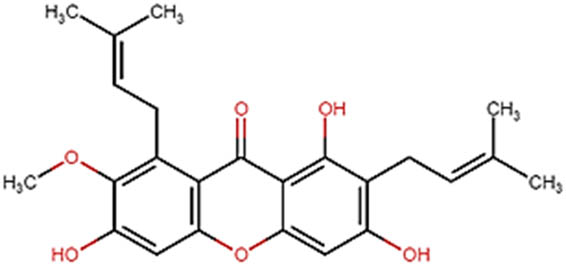
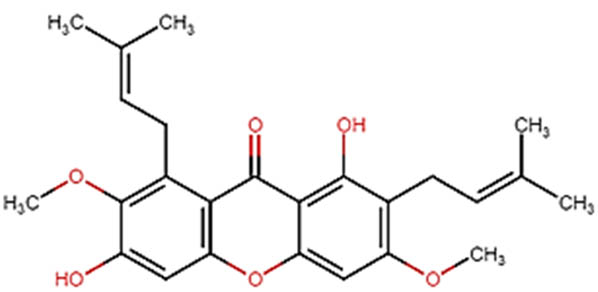
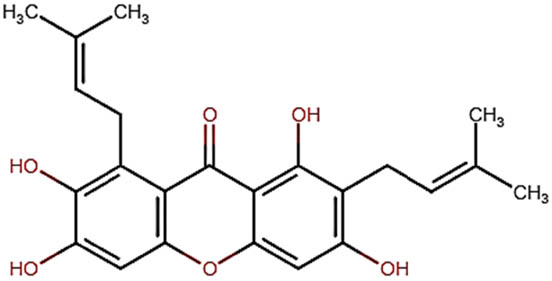
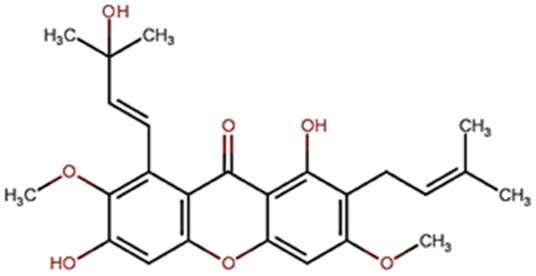
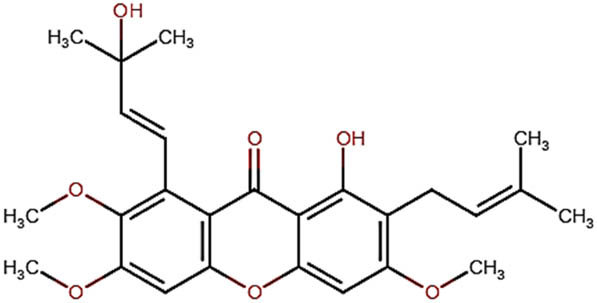
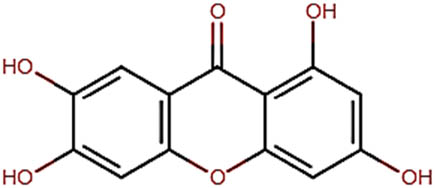
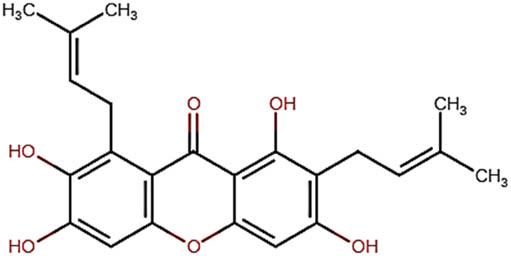
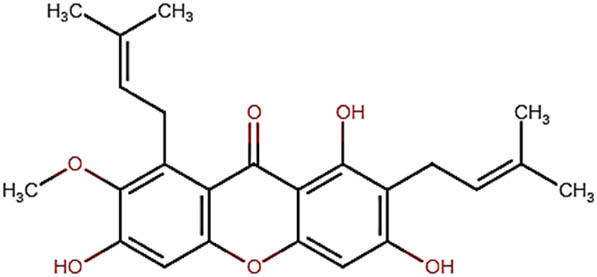
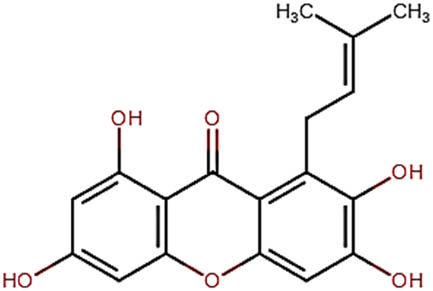
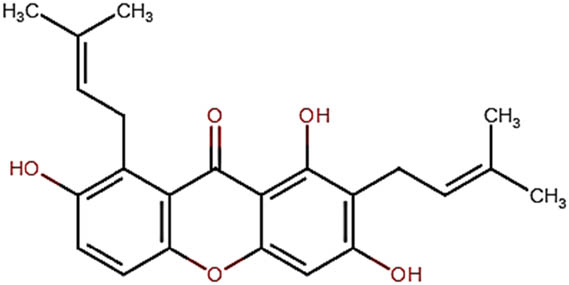
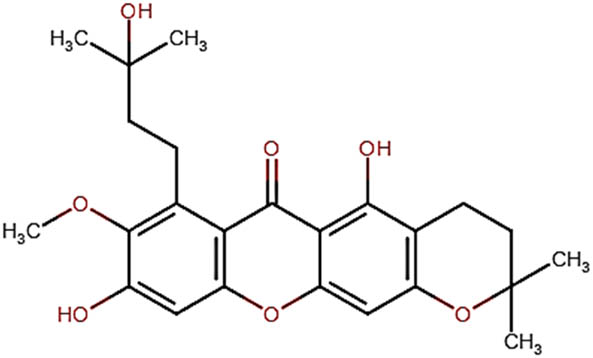
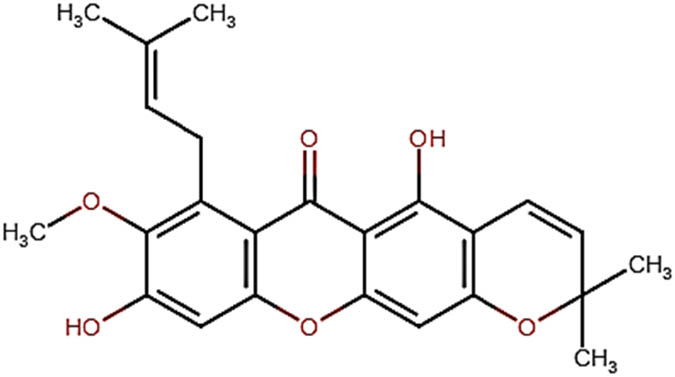
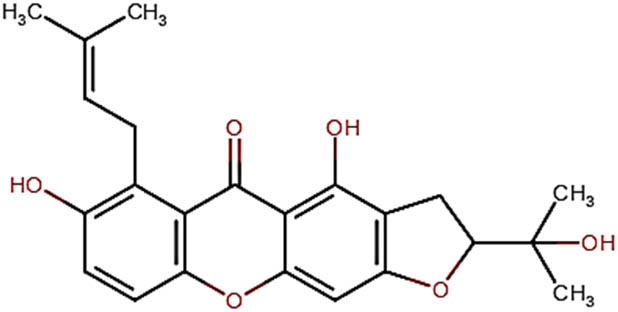
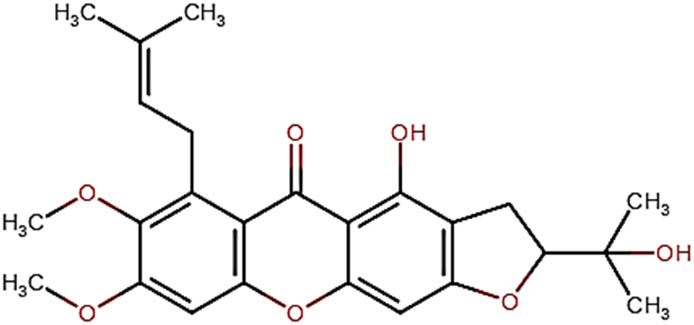
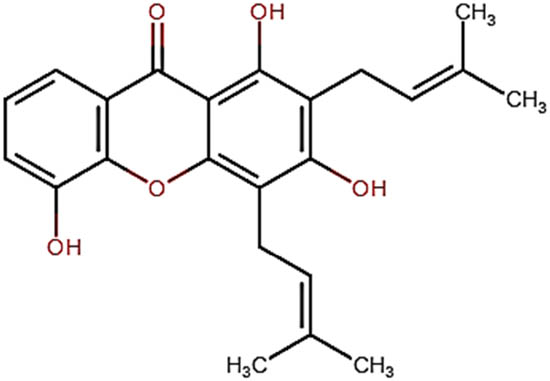
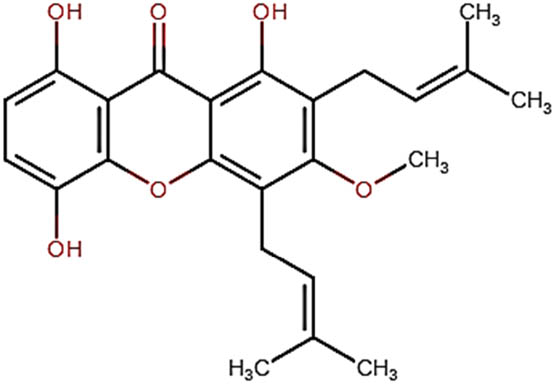
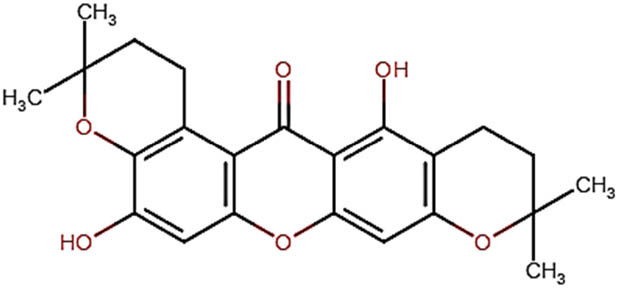
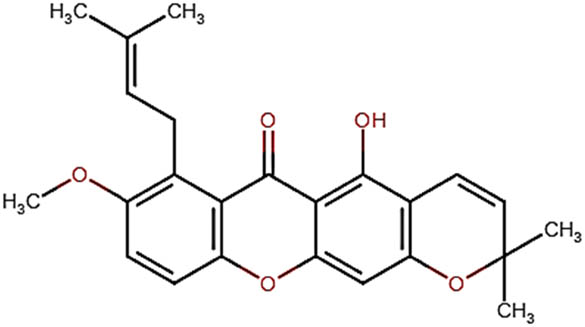
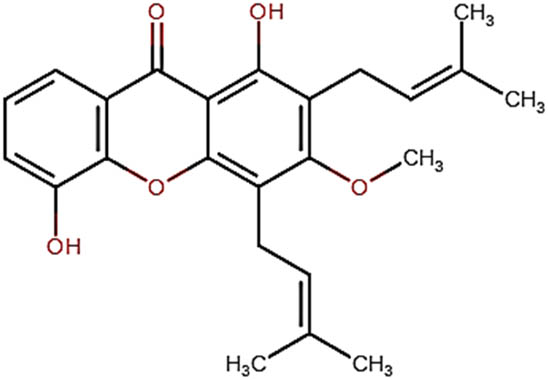
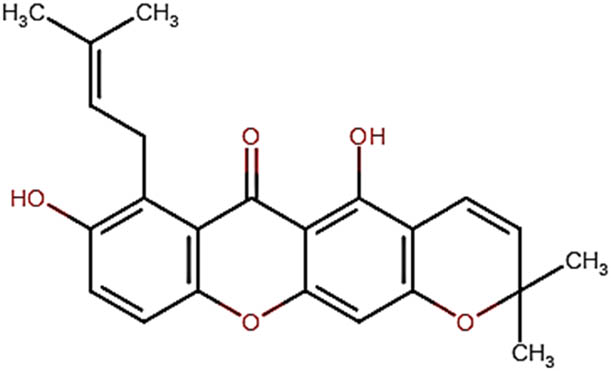
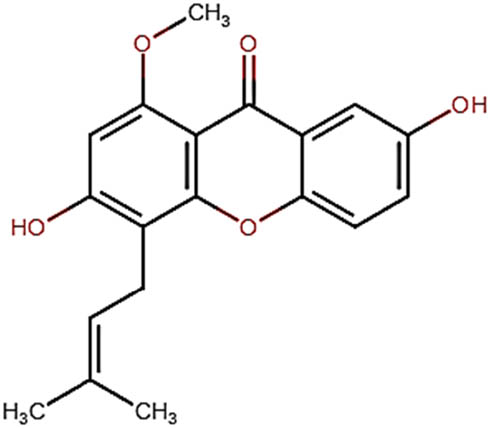
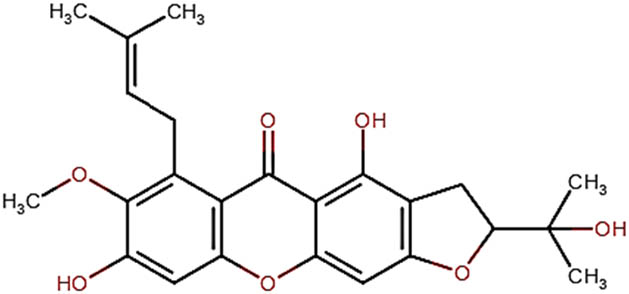
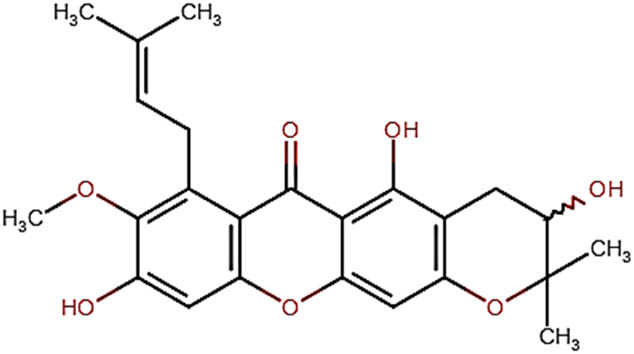
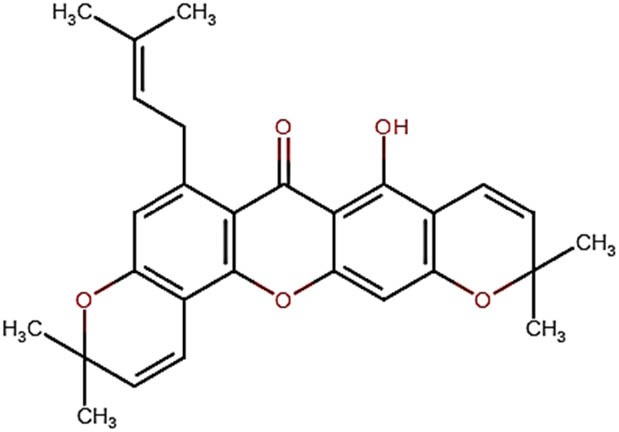
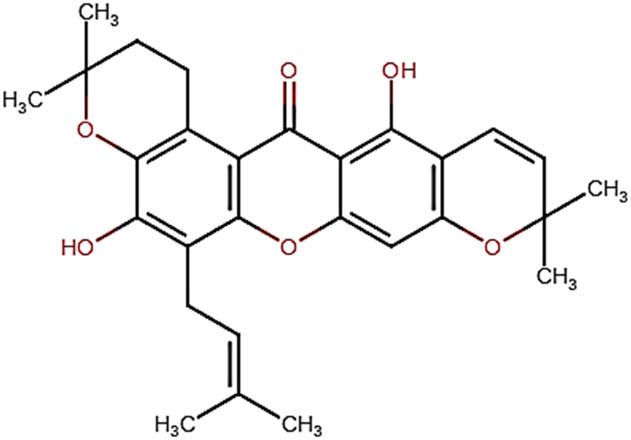
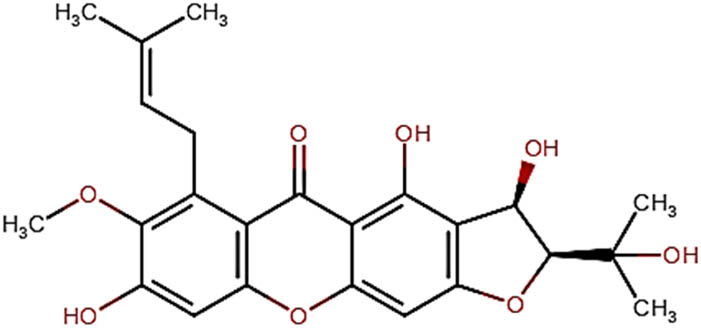
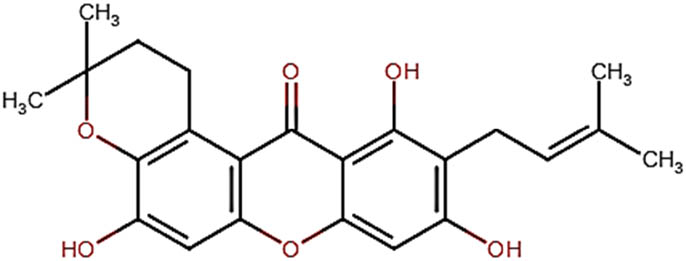
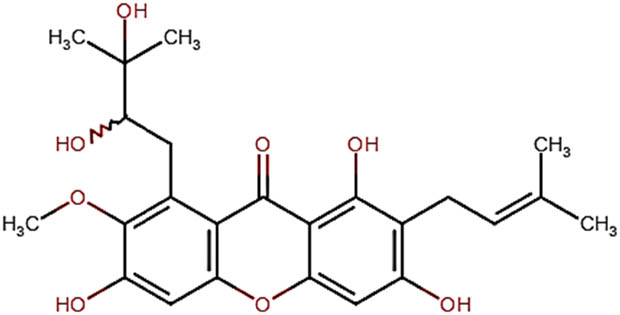
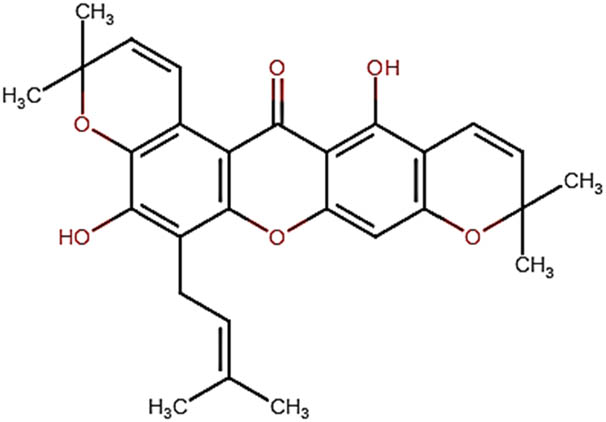
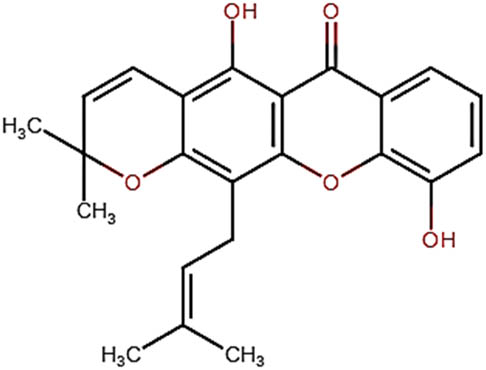
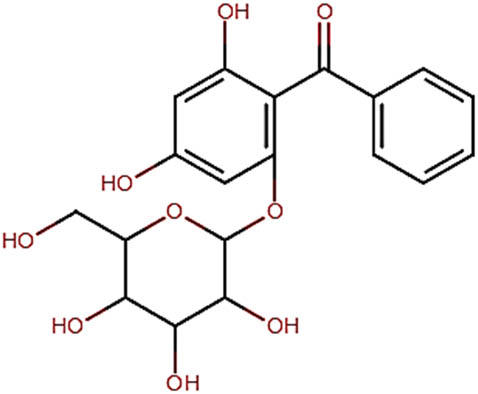
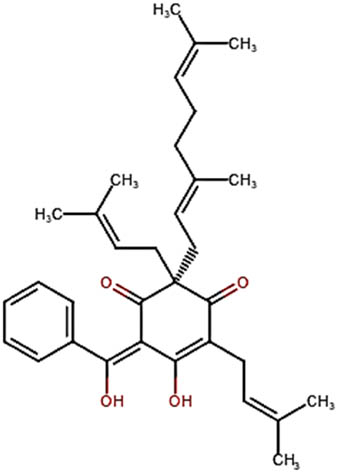
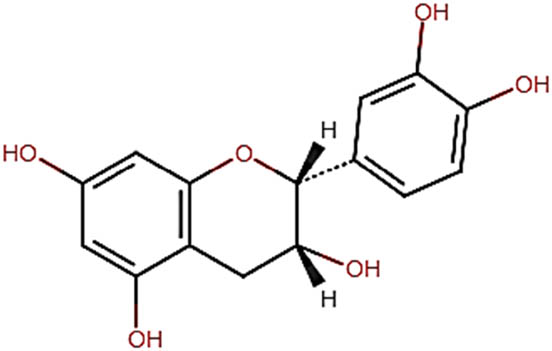
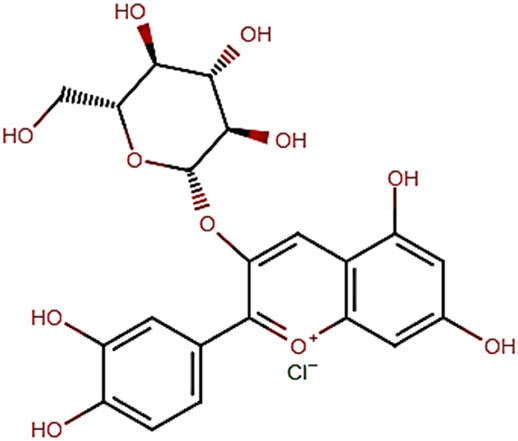
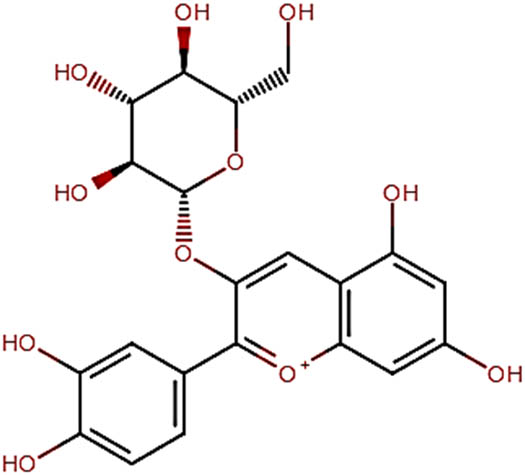
The mangosteen fruit is a rich source of various phytochemicals, including terpenes, xanthones, anthocyanins, flavonoids, polyphenols, and tannins, which collectively contribute to its medicinal properties [30,31,34,35,36,37]. Table 1 provides a detailed overview of the phytochemical composition of different parts of the mangosteen plant.
Phytochemical content in mangosteen in different parts of plant [58]
| Phytochemicals | Compounds | Structures | Plant parts |
|---|---|---|---|
| Xanthones | α-Mangostin |
 |
Pericarp, whole fruit, stem, aril, and seed |
| β-Mangostin |
 |
Pericarp, whole fruit, and stem | |
| γ-Mangostin |
 |
Pericarp and whole fruit | |
| (16E)-1,6-Dihydroxy-8-(3-hydroxy-3-methylbut-1-enyl)-3,7-dimethoxy-2-(3-methylbut-2-enyl)-xanthone |
 |
Heartwood | |
| (16E)-1,6-Dihydroxy-8-(3-hydroxy-3-methylbut-1-enyl)-3,6,7-trimethoxy-2-(3-methylbut-2-enyl)-xanthone |
 |
Heartwood | |
| 1,2-Dihydro-1,8,10-trihydroxy-2-(2-hydroxypropan-2-yl)-9-(3-methylbut-2-enyl)furo[3, 2-a]xanthen-11-one |
 |
Whole fruit | |
| 1 3,6,7-Tetrahydroxy xanthone |
 |
Heartwood | |
| 1,3,6,7-Tetrahydroxy-2,8-(3-methyl-2-butenyl) xanthone P1 |
 |
Pericarp | |
| 1,3,6-Trihydroxy-7-methoxy-2,8-(3-methyl-2-butenyl)xanthone P2 |
 |
Pericarp | |
| Xanthones | 1,3,8-Trihydroxy-4-methyl-2,7-diisoprenylxanthone |
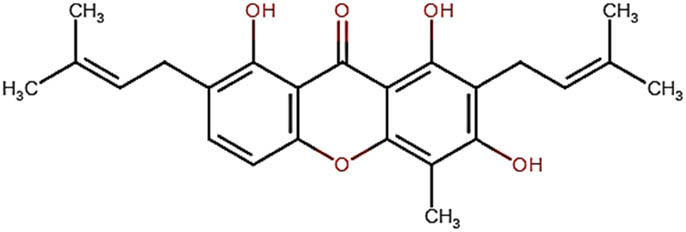 |
— |
| 1,3,7-Trihydroxy-2,8-di-(3-methylbut-2-enyl)-xanthone |
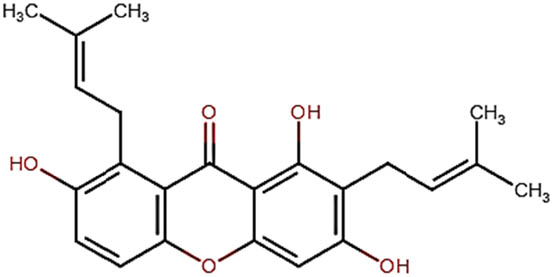 |
Whole fruit | |
| 1,3-Dihydroxy-2-(2-hydroxy-3-methylbut-3-enyl)-6,7-dimethoxy-8-(3-methylbut-2-enyl)-xanthone |
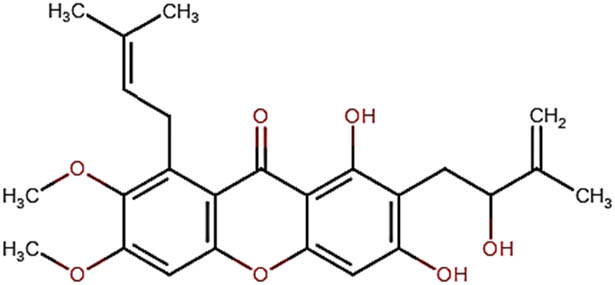 |
Heartwood | |
| 1,5-Dihydroxy-2-(3-methylbut-2-enyl)-3-methoxy-xanthone |
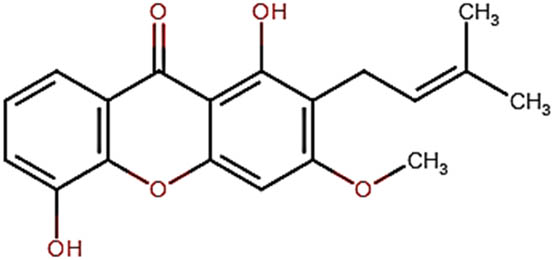 |
Pericarp | |
| 1,5-Dihydroxy-2-isopentyl-3-methoxy xanthone |
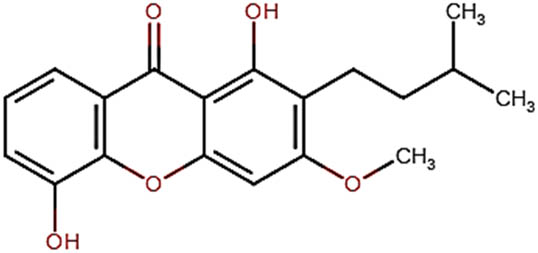 |
Pericarp | |
| 1,5,8-Trihydroxy-3-methoxy-2-(3-methylbut-2-enyl) xanthone |
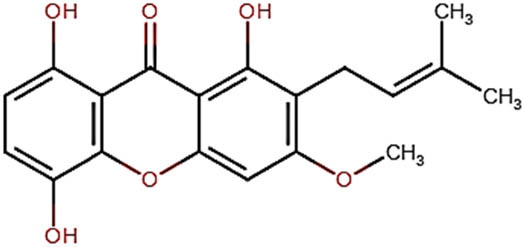 |
Leaf | |
| 1,6-Dihydroxy-2-(2-hydroxy-3-methylbut-3-enyl)-3,7-dimethoxy-8-(3-methylbut-2-enyl)-xanthone |
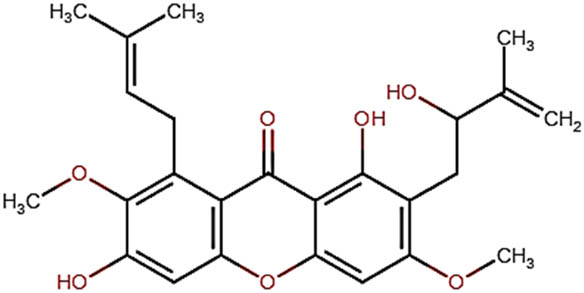 |
Heartwood | |
| 1,6-Dihydroxy-3-methoxy-2-(3-methyl-2-buthenyl)-xanthone |
 |
Leaf | |
| 1,6-Dihydroxy-3,7-dimethoxy-2-(3-methylbut-2-enyl)-8-(2-oxo-3-methylbut-3-enyl)-xanthone |
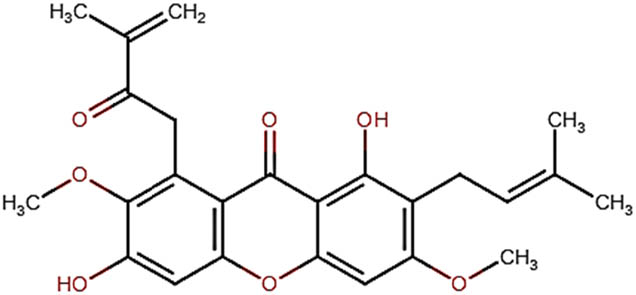 |
Heartwood | |
| Xanthones | 1,6-Dihydroxy-3, 7-dimethoxy-2-(3-methylbut-2-enyl)-xanthone |
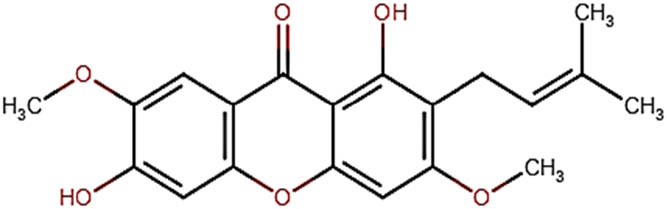 |
Heartwood and stem |
| 1,6-Dihydroxy-8-(2-hydroxy-3-methylbut-3-enyl)-3,7-dimethoxy-2-(3-methylbut-2-enyl)-xanthone |
 |
Heartwood | |
| 1,7-Dihydroxy-2-(3-methylbut-2-enyl)-3-methoxy-xanthone |
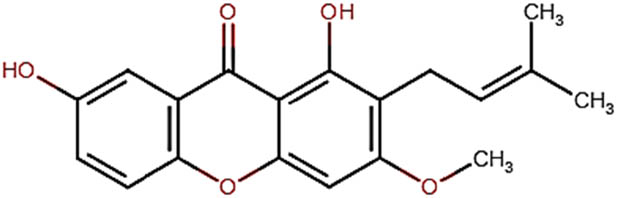 |
Pericarp | |
| 1,7-Dihydroxy-2-isopentyl-3-methoxy xanthone |
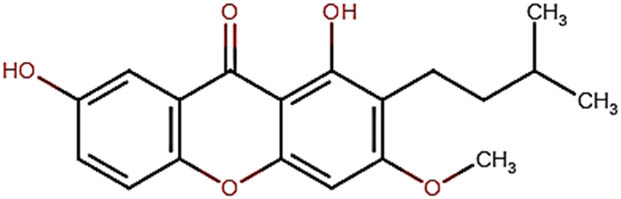 |
Pericarp | |
| 11-Hydroxy-1-isomangostin |
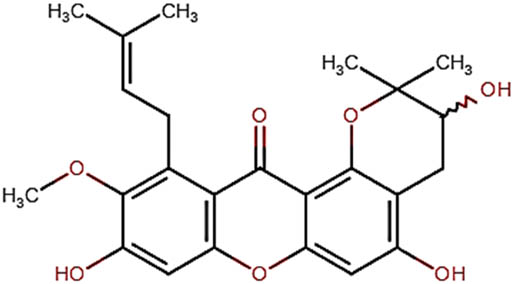 |
Whole fruit | |
| 1-Hydroxy-2-(2-hydroxy-3-methylbut-3-enyl)-3,6,7-trimethoxy-8-(3-methylbut-2-enyl)-xanthone |
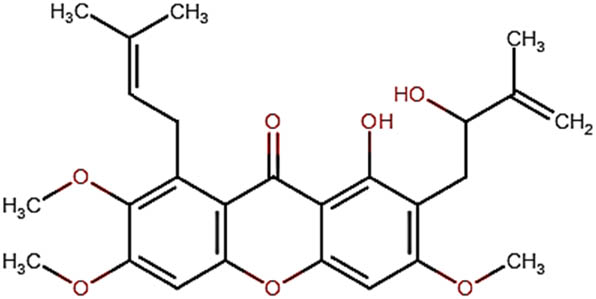 |
Heartwood | |
| 1-Hydroxy-8-(2-hydroxy-3-methylbut-3-enyl)-3 6,7-trimethoxy-2-(3-methylbut-2-enyl)-xanthone |
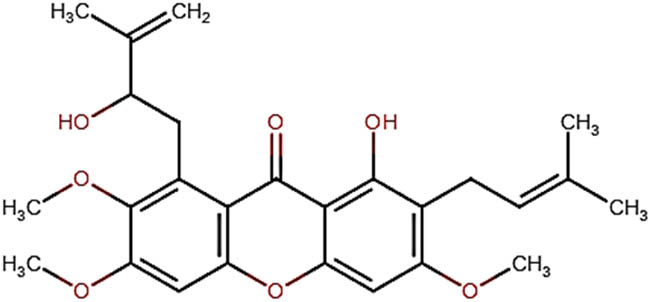 |
Heartwood | |
| 1-Isomangostin |
 |
Pericarp | |
| 1-Isomangostin hydrate |
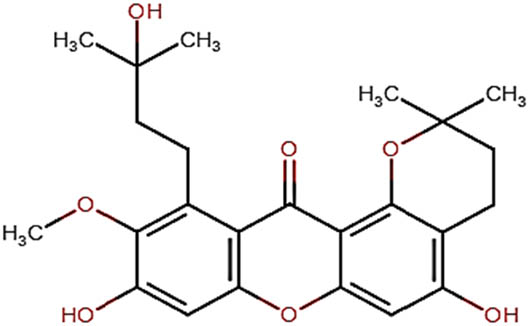 |
Pericarp | |
| Xanthones | 2-(γ, γ-Dimethylallyl)-1,7-dihydroxy-3-methoxyxanthone |
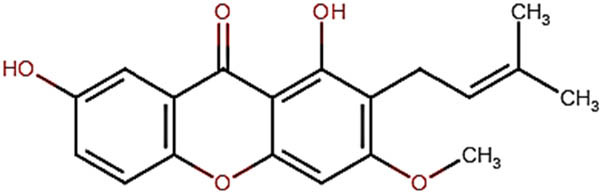 |
Pericarp and aril |
| 2,3,6,8-Tetrahydroxy-1-isoprenylxanthone |
 |
— | |
| 2,8-bis-(γ, γ-Dimethyallyl)-1,3,7-trihydroxyxanthone |
 |
Aril | |
| 3-Isomangostin |
 |
Pericarp | |
| 3-Isomangostin hydrate |
 |
Pericarp | |
| 5,9-Dihydroxy-8-methoxy-2,2-dimethyl-7-(3-methylbut-2-enyl)-2H, 6H-pyrano-[3,2,6]-xanthone-6-one |
 |
Fruit hull | |
| 6-Deoxy-7-demethylmangostin |
 |
Whole fruit | |
| 6-O-Methylmangostanin |
 |
— | |
| Xanthones | 8-Deoxygartanin |
 |
Pericarp and whole fruit |
| 8-Hydroxycudraxanthone |
 |
Pericarp | |
| BR-xanthone |
 |
Pericarp | |
| Calabaxanthone |
 |
Aril | |
| Cudraxanthone G |
 |
Pericarp | |
| Demethylcalabaxanthone |
 |
Whole fruit, aril, and seed | |
| Garcimangosone A |
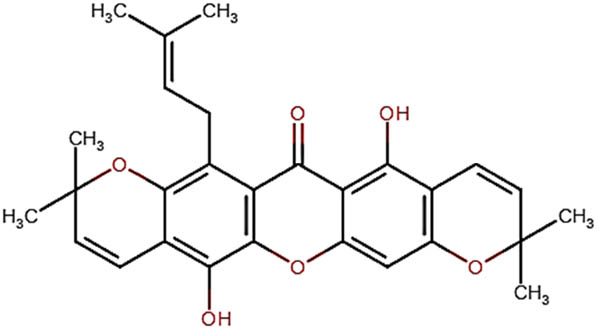 |
Fruit hull | |
| Xanthones | Garcimangosone B |
 |
Pericarp |
| Garcimangosone C |
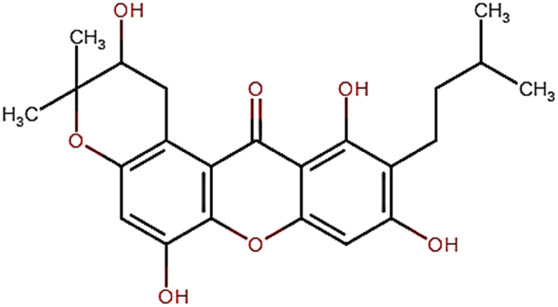 |
Pericarp | |
| Garciniafuran |
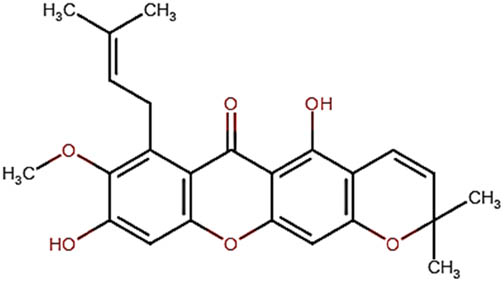 |
Heartwood | |
| Garcinone B |
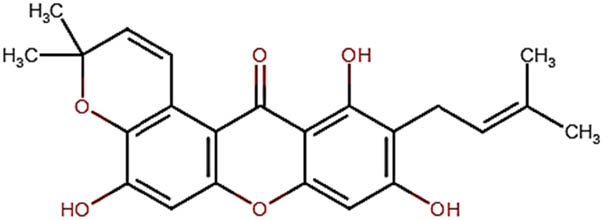 |
Pericarp and whole fruit | |
| Garcinone C |
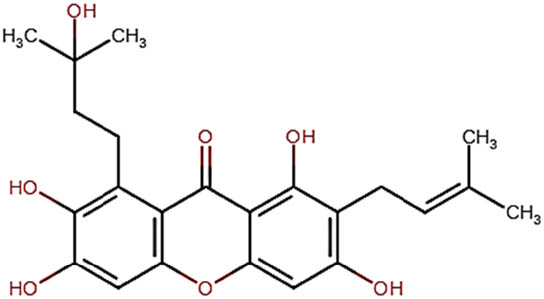 |
Whole fruit | |
| Garcinone D |
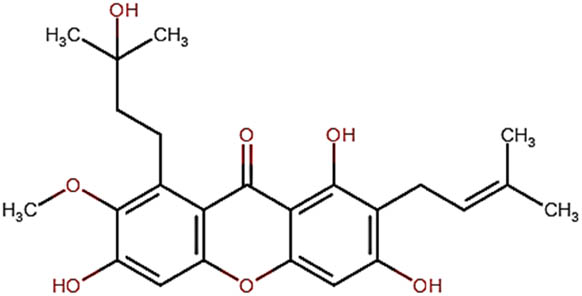 |
Pericarp, whole fruit, and stem | |
| Garcinone E |
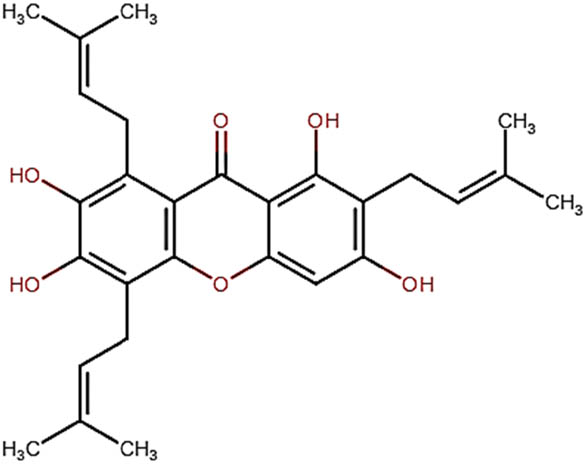 |
Pericarp and whole fruit | |
| Gartanin |
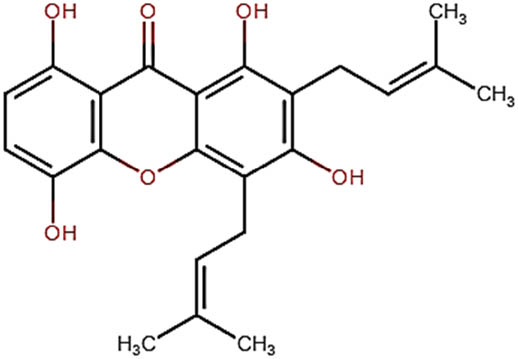 |
Pericarp and whole fruit | |
| Xanthones | Mangosharin |
 |
Stem |
| Mangostanin |
 |
Pericarp | |
| Mangostanol |
 |
Whole fruit and stem | |
| Mangostenol |
 |
Pericarp | |
| Mangostenone A |
 |
Pericarp | |
| Mangostenone B |
 |
Pericarp | |
| Mangostenone C |
 |
Whole fruit | |
| Xanthones | Mangostenone D |
 |
Whole fruit |
| Mangostenone E |
 |
Whole fruit | |
| Mangostinone |
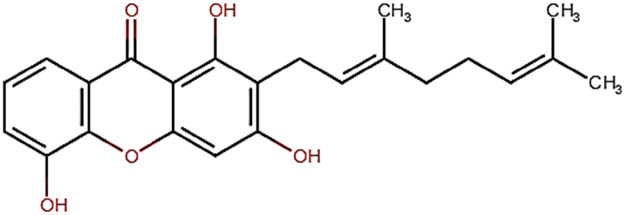 |
Pericarp and whole fruit | |
| Smeathxanthone A |
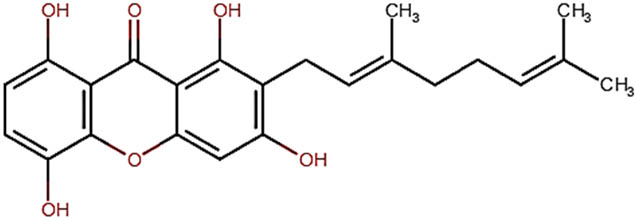 |
Pericarp | |
| Thwaites xanthone |
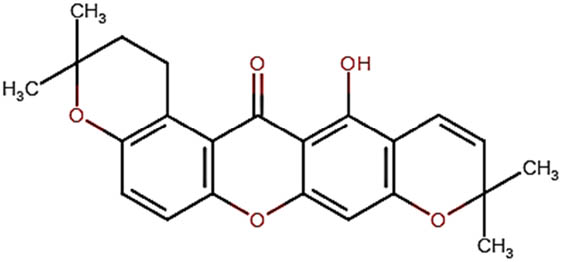 |
Whole fruit | |
| Tovophyllin A |
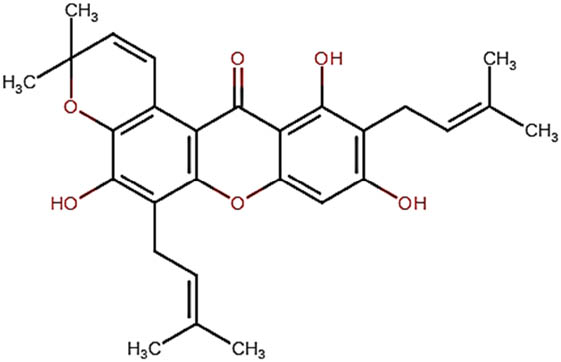 |
Pericarp | |
| Tovophyllin B |
 |
Pericarp | |
| Trapezifolixanthone |
 |
Pericarp | |
| Benzophenones | Garcimangosone D |
 |
Pericarp |
| Maclurin |
 |
Pericarp and heartwood | |
| Kolanone |
 |
Pericarp | |
| Flavonoid | Epicatechin |
 |
Pericarp |
| Anthocyanins | Chrysanthemin |
 |
Pericarp |
| Cyanidin-3-O-sophoroside |
 |
Pericarp | |
| Anthocyanins | Cyanidin-3-O-glucoside |
 |
— |
Different parts of the mangosteen, including its heartwood, bark, leaves, pericarp, and yellow gum (or yellow latex), contain xanthones (CH3H8O2). Both α- and γ-mangostin concentrations in yellow gum extracted from the exterior of the mangosteen pericarp were 382.2 and 144.9 mg/g wet basis, respectively. An estimated 200 distinct xanthone species may be found in nature, most of which are members of the Bonnetiaceae, Clusiaceae, and Podostemaceae families [55]. The biosynthesis of xanthones in mangosteen occurs through the shikimate pathway. The intermediates such as 2,4,6-trihydroxybenzophenone undergo cyclization to form the xanthone structure. This biosynthetic process can be influenced by environmental factors and optimized through biotechnological methods, such as using elicitors or applying stress conditions to enhance xanthone production in cultured cells [59]. The chemical xanthone is a potent bioactive substance with outstanding health advantages. It has a high level of viral resistance and functions as an antioxidant, antibacterial, anti-cancer, and anti-tumor chemical. These xanthones predominantly concentrated in the pericarp contributed in plant’s defense mechanisms and therapeutic potential [29,30,36,55,59]. According to studies, one kilogram of fresh mangosteen may yield two grams of pure xanthones. This is 15 times higher value than the price of fresh pericarp alone [55].
The majority of studies concentrate on the structure and extraction of xanthones from the heartwood, stem, seed, and hull of mangosteen [58]. The role of these phytochemicals in green synthesis has attracted significant attention, especially in the production of nanomaterials. It is hypothesized that the donor–acceptor mechanism will most likely be used to successfully biofabricate green NPs due to the interaction between the metal ions of the salt precursor and the oxygen atoms of the biofunctional groups (like hydroxyl) present in mangosteen extract. As a biomolecule model, the O–H groups in xanthones would give an electron to electrophile metal species, oxidizing the hydroxyl group and reducing electron-deficient metal ions to metal atoms [40]. Thus, phytochemicals are able to act as a sustainable and eco-friendly reducing agent alternative to conventional nanotechnology methods [43,60].
5 Green synthesis pathway
The green synthesis of nanomaterials using plant extracts, including those from mangosteen, can be effectively carried out at ambient temperatures by using either powdered plant material or aqueous extracts [43]. The process typically involves mixing the plant extract with a metal salt solution [2,5,43,61] or using less harmful, non-toxic reagents. This results in the formation of nanomaterials within a time frame ranging from minutes to hours [62].
The exact mechanisms through which phytochemicals facilitate nanomaterial synthesis are not completely understood, but a plausible model can be proposed as illustrated in Figure 1. In this model, hydroxyl groups from the phytochemicals act as electron donors, reducing metal ions to their metallic states. Following this reduction, metal atoms are oxidized to form electron-deficient metal ions. The green synthesis process generally comprises three main stages: nucleation, growth, and stabilization. During the nucleation phase, metal ions dissociate from their precursors when dissolved in the mangosteen extract. The phytochemical functional groups reduce these ions from their higher oxidation states to metallic forms. If metal oxide NPs are desired, a calcination step is introduced, where the increased surface reactivity of the nascent NPs facilitates their oxidation to metal oxides. In the growth phase, these metallic or metal oxide NPs aggregate, driven by interactions with the phytochemicals in the extract. Finally, in the stabilization phase, the phytochemicals cap and stabilize the NPs, preventing further aggregation and ensuring the desired size and shape. Additionally, Ostwald ripening – a process where smaller particles dissolve and redeposit onto larger ones – may contribute to the stabilization and uniformity of the NPs [39,40]. However, the aforementioned procedure is precisely the same when synthesizing metal oxide NPs in a green way by replacing calcination process with filtration and drying (room temperature or in oven) to obtain metal NPs [37,63,64].

Mechanisms for the formation of Ag, Au, and ZnO NPs involving bio-reduction and chelation processes utilizing mangosteen extract.
6 G. mangostana L. extract-assisted green synthesis of nanomaterials
The synthesis of Ag, Au, and ZnO NPs has predominantly been achieved thorough green methods using various parts of mangosteen extracts, with a literature review revealing that 60.71% of studies focused on Ag NPs, followed by Au NPs at 25.00% and ZnO NPs at 14.29%. Table 2 provides a summary of various nanomaterials synthesized using mangosteen extracts, including their morphologies and applications.
Summary of the different nanomaterials synthesized with mangosteen extract, highlighting their morphologies and applications
| Nanomaterials | Mangosteen extracts | Salt precursors | Shapes | Average sizes (nm) | Applications | Ref. |
|---|---|---|---|---|---|---|
| Ag | 0.15 g/mL stem extract | 1 mM 1AgNOs | Spherical | 30 | Antibacterial activity | [42] |
| 0.01 g/mL seed extract | 10 mM AgNOs | Spherical | 47–291 | Photocatalytic and fluorescence quenching activities | [65] | |
| 0.01 g/mL peel extract | 1 mM AgNOs | Spherical | 62–94 | Photocatalytic and fluorescence quenching activities | [65] | |
| 0.026 g/mL leaf extract | 4.71 mM AgNOs | Spherical | 25 | Antibacterial activity | [66] | |
| 0.025 g/mL leaf extract | 0.25–5.00 mM AgNOs | Spherical | 35 | Antibacterial activity | [67] | |
| Bark extract | 1 mM AgNOs | Spherical | 65 | Antibacterial and anti-larvicidal activities | [68] | |
| 0.25 g/mL bark extract | 1 mM AgNOs | Spherical | 12–15 | Lung cancer treatment activity | [69] | |
| 0.025–0.075 g/mL rind extract | 1 mM AgNOs | Spherical | 20–40 | Antibacterial and antifungal activities | [70] | |
| 0.025 g/mL rind extract | 1 mM AgNOs | Spherical | 30–50 | Antibacterial and antioxidant activities | [71] | |
| 0.03 g/mL rind extract | 1 mM AgNOs | Spherical | 23 | Antibacterial activity | [72] | |
| 0.001 g/mL rind extract | 50–1,000 mM AgNOs | — | — | Antibacterial activity | [73] | |
| 0.1 g/mL pericarp extract | AgNOs | Spherical | 69–90 | Mercuric ion sensing, catalytic, antioxidant, antibacterial, antifungal, and anticancer activities | [63] | |
| Methanolic pericarp extract | 10 mM AgNOs | Dumbbell | 13–31 | Cytotoxicity activity | [74] | |
| 0.005 g/mL pericarp extract | 1 mM AgNOs | Spherical | 15 | Antifungal activity | [75] | |
| Peel extract | 10 mM AgNOs | Spherical | 32 | Drug delivery for anticancer activity | [76] | |
| Peel extract | 0.1 mM AgNOs | Spherical or polygonal | 93 | Anti-listerial activity | [77] | |
| 0.03–0.11 g/mL peel extract | Ag rod | Spherical | 23–55 | Detection of Fe(iii) ions in aqueous solution | [64] | |
| Au | 0.025 g/mL peel extract | 0.1–10.0 mM 2HAuCl4 | Spherical | 15–100 | Antioxidant, antibacterial, anti-inflammatory, and wound healing activities | [37] |
| 0.015 g/mL rind extract | 1 mM HAuCl4 | Spherical | 20–40 | Antibacterial activity | [72] | |
| Methanolic pericarp extract | 10 mM HAuCl4 | Spherical | 15–44 | Cytotoxicity activity | [74] | |
| 0.03 g/mL rind extract | 1 mM HAuCl4 | Spherical | 25–60 | Antibacterial activity | [78] | |
| 0.0025–0.05 g/mL peel extract | 10 mM HAuCl4 | Spherical | 47 | — | [79] | |
| 1 g/mL peel extract | 1 mM HAuCl4 | Mostly spherical | 75–130 | Cotton dyeing activity | [80] | |
| 0.025 g/mL peel extract | 10 mM HAuCl4 | Mostly spherical | 32 | — | [81] | |
| ZnO | 0.08 g/mL pericarp extract | 4 g 3Zn(NO3)2·6H2O | Mostly spherical | 21 | Photocatalytic activity | [56] |
| 0.01 g/mL seed extract | 0.01 M 4Zn(CH3COOH)2 | Flower | 233–334 | Photocatalytic, fluorescence quenching, and photoluminescence activities | [82] | |
| 0.01 g/mL rind extract | 0.01 M Zn(CH3COOH)2 | Rod | 92–247 | Photocatalytic, fluorescence quenching, and photoluminescence activities | [82] | |
| 0.02–0.04 g/mL leaf extract | 4 g Zn(NO3)2·6H2O | Spherical | 14 | Antibacterial activity | [40] |
1AgNO3 = Silver nitrate, 2HAuCl4 = Tetrachloroauric(iii) acid, 3Zn(NO3)2·6H2O = Zinc nitrate hexahydrate, 4Zn(CH3COOH)2 = Zinc acetate.
6.1 Silver NPs
Ag NPs are predominantly synthesized using different parts of mangosteen extract. Ag NPs were initially utilized in Mesopotamia in the ninth century according to Michael Faraday’s first scientific document [83]. Ag has long been recognized for its antimicrobial properties, proving effective in both industrial and medicinal applications [48]. In many reports, Ag NPs are commonly utilized in drug delivery, fungicides, tumor suppressor, photocatalyst, semiconductor materials, and electronic devices [63,75]. Green synthesis of Ag NPs has been reported to be simpler and faster compared to microbial synthesis methods [43,48]. The process typically involves the clustering of colloidal Ag NPs followed by the reduction of Ag+ to metallic Ag [84]. Plant-synthesized Ag NPs are frequently prepared using silver nitrate. A brownish-yellow solution is formed, indicating the successful synthesis of Ag NPs after the addition of silver nitrate to the plant extract [43].
6.2 Gold NPs
Au NPs have attracted significant interest due to their unique size, shape, optical properties, biocompatibility, and surface characteristics [61,84]. Although Au NPs were used in Mesopotamia as early as the ninth century, Michael Faraday provided the first scientific description of their properties [83]. Reports suggest that Au NPs have potential applications in drug delivery systems, biosensors, tumor detection, and hyperthermia treatments [61,84]. In response to environmental concerns about traditional chemical synthesis methods, researchers are increasingly focusing on environmentally friendly approaches to synthesize Au NPs [48]. In green synthesis, chloroauric acid is commonly reduced to form Au NPs [43].
6.3 Zinc oxide NPs
The use of mangosteen plant extracts for the green synthesis of ZnO NPs is relatively uncommon. ZnO NPs can form various nanostructures, including nanowires, nanorods, nanotubes, nanobelts, and other intricate shapes [56,85]. Initially, ZnO NPs were employed in the rubber industry to enhance the performance of rubber composites by improving properties such as anti-aging, toughness, and strength [16]. Due to their unique physical and chemical properties, ZnO NPs are essential metal oxide NPs with applications in diverse fields, including drug delivery [13], solar cells, photocatalysis, photoluminescence, and sensor technologies [8,28,86]. The ability of ZnO NPs to remain highly active in intracellular environments is its primary advantage over other metal particles such as Ag and Au. Thus, by enzymatic oxidative stress, it can modify insulin resistance and further control lipid, protein, carbohydrate, and chronic inflammatory metabolisms [16].
7 Applications
This section explores the applications of nanomaterials synthesized through green methods using mangosteen extracts, highlighting their antimicrobial, cytotoxic, antioxidant, and environmental remediation properties, among other relevant activities.
7.1 Antimicrobial activity
The advent of antibiotics marked a groundbreaking shift in medicine during the twentieth century [87,88]. However, the overuse and abuse of these drugs have led to the rise of antibiotic-resistant bacteria [87,88,89,90], which poses a significant global health crisis in the twenty-first century [91]. According to the World Health Organization, millions of deaths each year are attributed to bacterial infections resistant to multiple antibiotics [88,92,93]. Even while attempts to create new antibiotics are still underway, the rate at which bacteria become resistant frequently outpaces the rate at which new therapies are discovered, underscoring the pressing need to investigate other antimicrobial strategies [87]. A possible remedy for this problem is provided by nanomaterials, especially those made utilizing environmentally friendly processes and plant extracts. Unlike traditional antibiotics, nanomaterials can inhibit bacterial growth through multiple mechanisms, including direct interaction with bacterial cell walls [94], the generation of reactive oxygen species (ROS), disruption of cellular components, and interference with essential biochemical processes [88]. These multifaceted modes of action reduce the likelihood of bacteria developing resistance, making nanomaterials a potent alternative to conventional antibiotics [90]. In general, the antimicrobial properties of the synthesized NPs are tested using disk diffusion method by measuring their zone of inhibition (ZOI) after overnight incubation in oven at 37°C [73]. In some studies, minimum inhibitory concentration (MIC) assay is also applied in determining the minimum concentration of synthesized NPs required to inhibit the growth of microbial after overnight incubation at 37°C. The 96-well plate microplate reader is used in reading the bacterial culture growth absorbance [63].
7.1.1 Antibacterial activity
Research has uncovered various mechanisms through which nanomaterials exert antibacterial effects. These mechanisms include disrupting bacterial cell walls and peptidoglycan layers, releasing toxic ions, altering membrane potential, generating ROS that cause oxidative damage, degrading DNA and proteins, and inhibiting ATP synthesis [95], as illustrated in Figure 2.
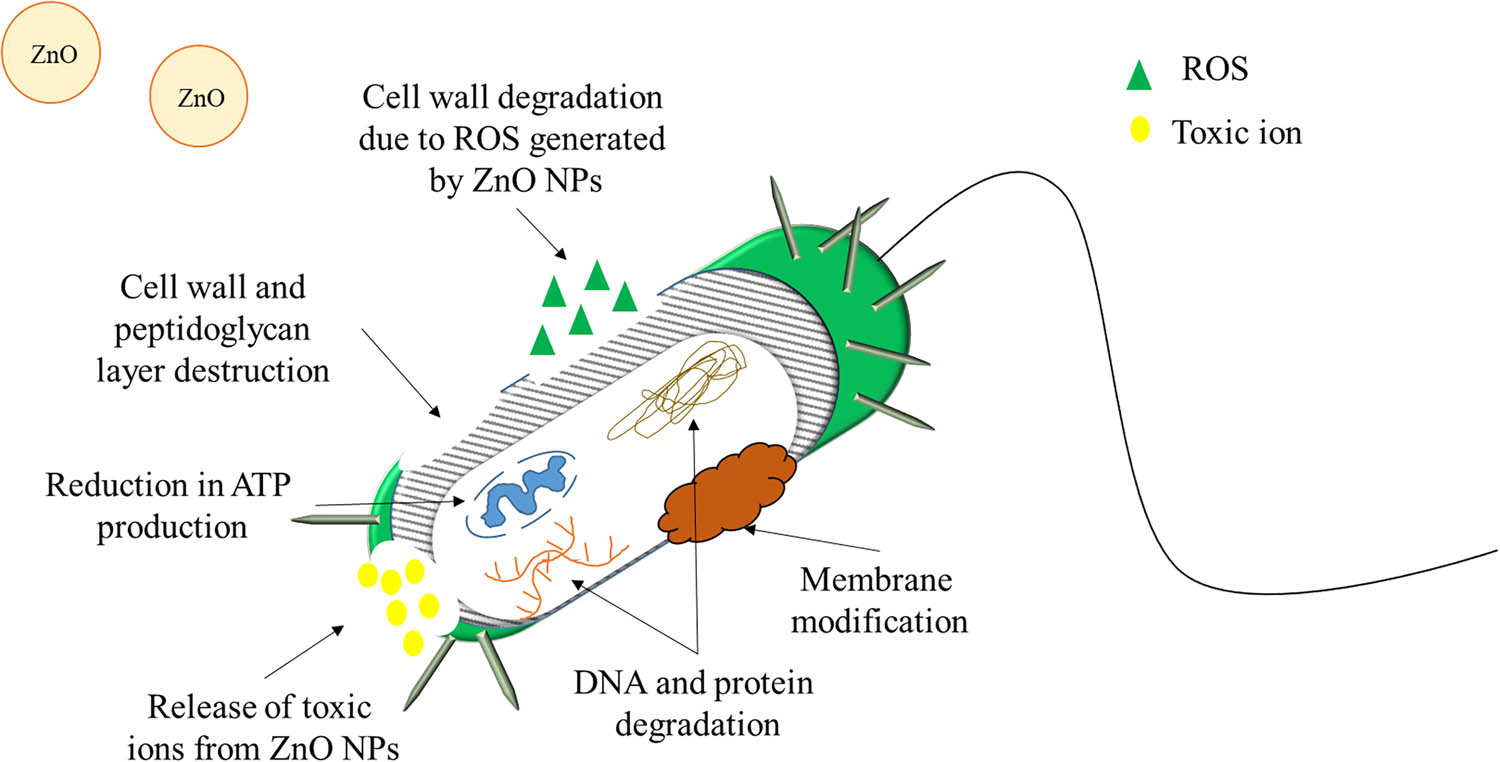
Formation of ROS, direct interaction between bacteria and their cell membrane, and the degradation of bacteria cell contents, such as DNA and protein, are some of the suggested antibacterial mechanisms.
The antibacterial efficacy of green-synthesized nanomaterials varies depending on the bacterial strain and the type of nanomaterial used. For instance, Jamila et al. demonstrated that Ag NPs synthesized from mangosteen pericarp extract were more effective against Gram-positive bacteria such as Staphylococcus aureus and Bacillus subtilis, showing inhibition zones of 12.0–18.0 mm. In contrast, Gram-negative bacteria such as Pseudomonas aeruginosa and Escherichia coli exhibited smaller inhibition zones of 6.0–11.0 mm. The MIC assays further supported these findings, with Ag NPs being more sensitive to Gram-positive bacteria (MIC: 62.50–125.00 µg/mL) compared to Gram-negative bacteria (MIC: 500.00–1000.00 µg/mL) [63]. Similarly, Chan et al. reported that ZnO NPs synthesized from mangosteen leaf extract were more effective against Gram-positive bacteria, with MIC values as low as 15.63 µg/mL for S. aureus and B. subtilis. Gram-negative bacteria such as E. coli and Klebsiella pneumoniae were less sensitive, with MIC values of 62.50 and 125.00 µg/mL, respectively [40].
However, contrasting results have been observed in other studies where green-synthesized Ag NPs and Au NPs showed greater efficacy against Gram-negative bacteria. Karthiga found that Ag NPs synthesized from mangosteen stem extract were more effective against E. coli compared to Gram-positive bacteria such as B. subtilis and Klebsiella planticola [42]. Similarly, Gupta et al. reported that Ag NPs synthesized from mangosteen leaf extract had a lower MIC for E. coli (0.38 µg/mL) than for S. aureus (0.92 µg/mL), despite a larger ZOI for S. aureus (28.0 mm) compared to E. coli (25.0 mm) [66]. Additionally, Karthiga et al.’s study observed that Ag NPs synthesized from mangosteen bark extract had better inhibition on E. coli compared to that on B. subtilis, S. aureus, Bacillus cereus, and K. pneumoniae [68]. Furthermore, Nishanthi et al. observed that Ag NPs synthesized from mangosteen rind extract had better inhibition against Gram-negative bacteria such as Klebsiella sp. (18.0 mm) and Pseudomonas sp. (15.0 mm) compared to Gram-positive bacteria such as Staphylococcus sp. (12.0 mm) and Bacillus sp. (14.0 mm) [72]. Madhavan et al. also reported similar findings, with Ag NPs showing more effective inhibition of Pseudomonas (15.0 mm) than that of Staphylococcus (13.0 mm) [73].
Interestingly, some studies have demonstrated that green-synthesized nanomaterials can surpass traditional antibiotics in efficacy. For example, Gupta et al. found that Ag NPs synthesized from mangosteen leaf extract exhibited lower MIC values and larger ZOI compared to standard antibiotics such as ciprofloxacin, amikacin, and penicillin [66]. Similarly, Veerasamy et al. reported that Ag NPs synthesized from mangosteen leaf extract were highly effective against multidrug-resistant pathogens such as E. coli and S. aureus, showing inhibition zones of 15.0 and 20.0 mm, respectively, compared to 20.0–36.0 mm and 25.0–40.0 mm for standard drugs [67].
These findings indicate that green-synthesized nanomaterials from mangosteen extracts demonstrate significant antibacterial potential, effective against both Gram-positive and Gram-negative bacteria. However, the level of effectiveness can vary based on the bacterial strain, the specific type of nanomaterial, and the synthesis method used. This variability underscores the importance of further research to refine these factors and enhance the clinical and environmental applications of these nanomaterials.
7.1.2 Antifungal activity
The widespread and excessive use of fungicides has led to significant environmental and health issues [96]. For instance, Candida species have developed high levels of resistance to several antifungals, including amphotericin B, clotrimazole, fluconazole, and itraconazole [97]. The rise of multi-drug-resistant Candida strains has driven researchers to seek alternative treatments to conventional antifungal agents [98]. Plant-derived antifungal agents have emerged as potential substitutes [97] due to their ability to biologically inhibit pathogenic fungi [96]. The NPs, with their nanoscale dimensions, can penetrate fungal cell membranes and disrupt fungal growth [70,75]. They can also target key cellular components such as ergosterol, triglycerides, and phospholipids, leading to membrane instability and cell damage [70]. Figure 3 illustrates the antifungal mechanisms of nanomaterials.
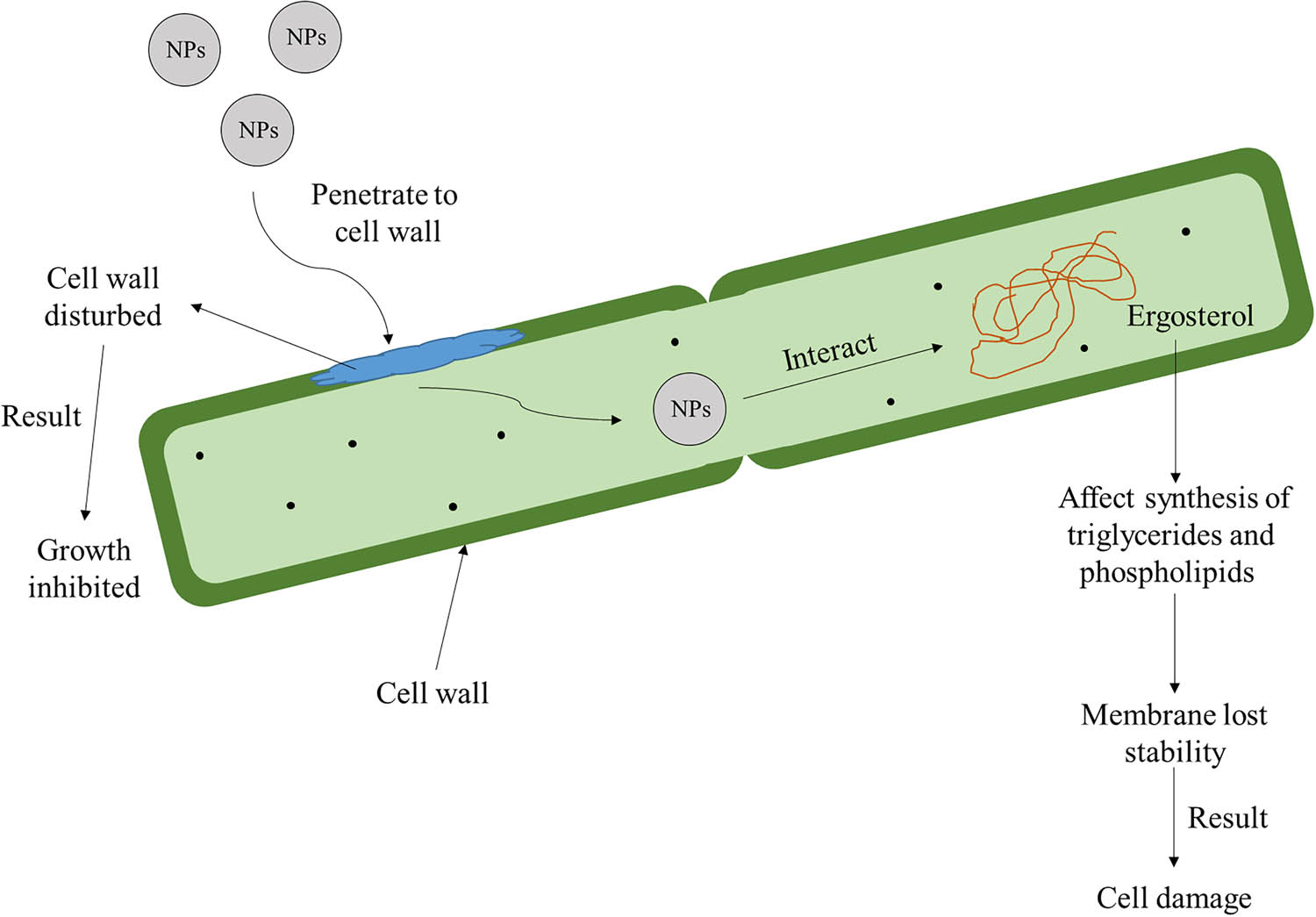
Proposed antifungal mechanism using nanomaterials, including the penetration of NPs into fungal resulting in ergosterol destruction and rupture of cell wall. The fungal growth is inhibited or resulted in even death after losing their membrane stability.
In a study conducted by Karthiga and Soranam, Ag NPs synthesized via a green method using mangosteen rind extract demonstrated a significant antifungal activity against Aspergillus niger, with a ZOI measuring 12.0 mm [70]. However, Jamila et al. found that Ag NPs synthesized from mangosteen pericarp extract were less effective compared to conventional antifungal agents such as fluconazole and amphotericin. Their study reported ZOI values of 8.0 to 9.0 mm for Ag NPs against fungi such as Aspergillus flavus, Trichophyton mentagrophytes, Candida albicans, and Candida krusei, with MIC of 500 µg/mL. In contrast, traditional fungicides showed ZOI values ranging from 19.0 to 25.0 mm [63]. Conversely, Le et al. reported that Ag NPs synthesized from mangosteen pericarp extract exhibited effective antifungal activity, successfully inhibiting the growth of Aspergillus niger, Aspergillus flavus, and Fusarium oxysporum [75].
7.2 Cytotoxicity activity
Cancer, characterized by the uncontrolled proliferation of malignant cells, remains one of the leading causes of death worldwide. Traditional treatments, including surgery, chemotherapy, and radiation, are effective but often come with high costs and significant side effects. As a result, there is a growing need for therapies that are non-toxic, cost-effective, and have minimal adverse effects. Nanomaterials, with their high biocompatibility, ease of surface functionalization, and unique interactions with biomolecules, offer promising alternatives for drug delivery, diagnosis, and treatment of cancer. Various nanomaterials, such as Ag NPs and Au NPs, have demonstrated anticancer properties. These properties are attributed to mechanisms such as chromosome aberration, DNA breakage, cell apoptosis, and disruption of membrane function, which lead to cellular leakage and death [45,86]. Figure 4 illustrates the anticancer mechanisms associated with nanomaterials. The cell viability is commonly tested using 3-(4,5-dimethylthiazol-2-yl)-5-(3-carboxymethoxyphenyl)-2-(4-sulfophemyl)-2H-tetrazolium (MTS) assay in the determination of synthesized NPs’ cytotoxicity effect by measuring the cell optical density using multimode microplate reader at 490 nm after incubation at 37°C [76].
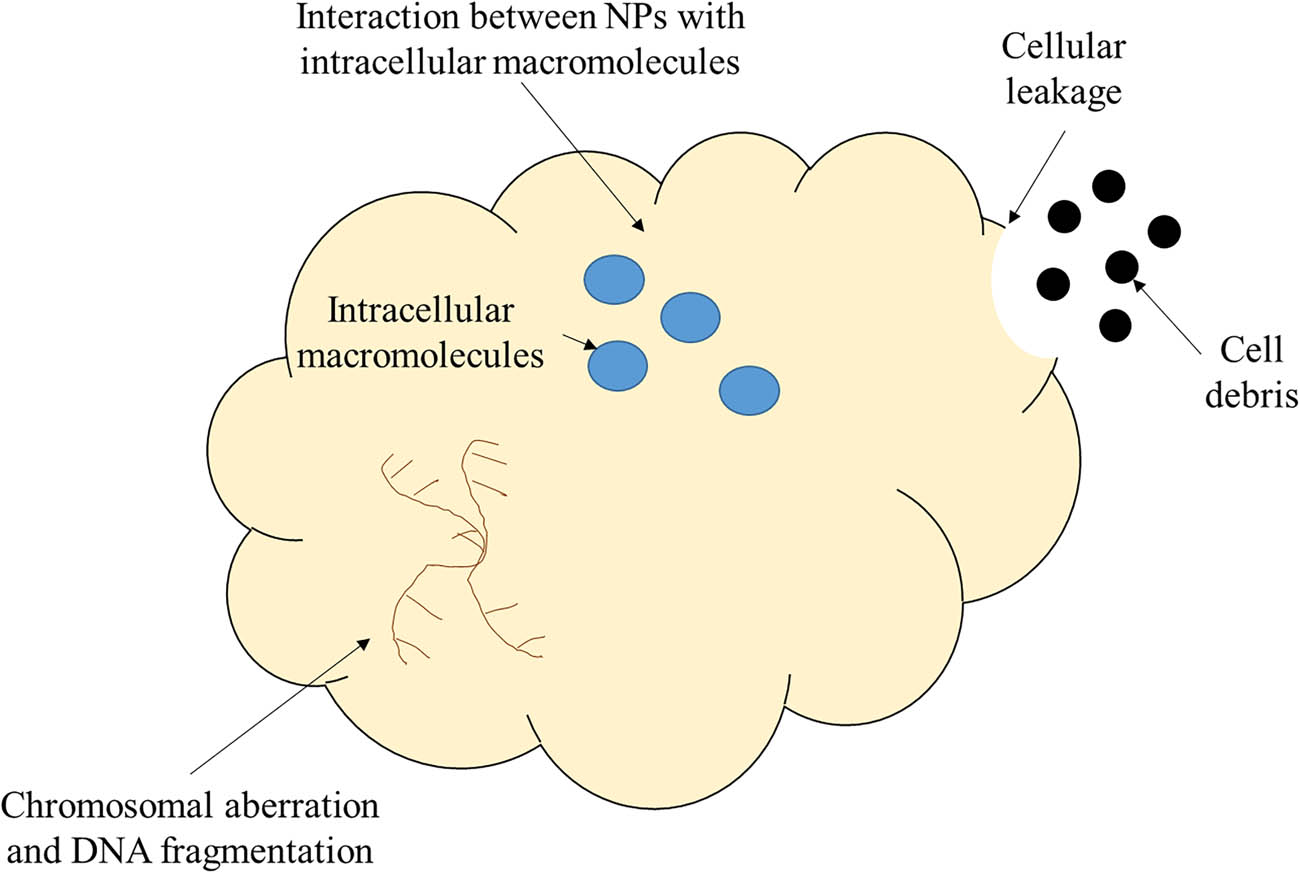
Proposed mechanism in cytotoxicity activity using nanomaterials by breaking the cell DNA, resulted in cellular leakage and cell death.
The A549 cancerous lung cells exhibited a lower survival rate when treated with Ag NPs synthesized from mangosteen bark extract compared to untreated cells (78.50% vs 81.85% survival) as reported in the study by Zhang and Xiao. Notably, applying low-intensity ultrasound further enhanced the effectiveness of the Ag NPs, reducing the survival rate of A549 cells to 28.70% [69]. Conversely, Jamila et al. found that Ag NPs synthesized from mangosteen pericarp extract showed less cytotoxicity, with an half maximal inhibitory concentration (IC50) value of 22.40 µg/mL against DU-145 cell lines, and a minimal impact on normal L-929 cells (1.00–2.00% cytotoxicity) [63]. In contrast, Park et al. reported differing results; Ag NPs from the same extract demonstrated 12.70% cytotoxicity in A549 cells at 37.50 µg/mL, while Au NPs exhibited only 23.50% cytotoxicity at 75.00 µg/mL. Ag NPs showed 63.00% cytotoxicity against NIH3T3 cells, whereas Au NPs resulted in 98.00% cell viability. This suggests that Au NPs might be a promising candidate for drug delivery and bioactive compound administration [74]. Additionally, Lee et al. observed that Ag NPs from mangosteen peel extract inhibited both HCT116 malignant and CCD112 normal colon cell lines in a dose-dependent manner, with IC50 values of 40.20 and 47.00 µg/mL, respectively. However, there was no significant difference in cytotoxicity between the two cell lines across most tested concentrations [76].
7.3 Antioxidant activity
Mangosteen extracts, rich in phenolic compounds, demonstrate a notable antioxidant activity due to their redox properties. These extracts act as reducing agents, hydrogen donors, and singlet oxygen quenchers [71]. The antioxidant activity of mangosteen extracts, particularly from the pericarp, is largely attributed to a variety of primary and secondary metabolites, including alkaloids, carbohydrates, flavonoids, glycosides, anthraquinone glycosides, saponins, phenolic compounds, phytosterols, and diterpenes. Additionally, the flavonoid and phenolic components in mangosteen extracts not only contribute to antioxidant properties but also play a crucial role in the successful green synthesis of nanomaterials [37,74], enhancing the antioxidant activity of the resulting materials [71].
Both 2,2-diphenyl-1-picrylhydrazyl radical (DPPH˙) and 2,2′-azino-bis(3-ethylbenzothiazoline-6-sulfonic acid radical (ABTS˙) scavenging activity assays are the popular antioxidant activity assays [99,100]. The DPPH˙ is a stable organic free radical [101,102] with the presence of delocalized spare electron on the whole molecule, which is able to keep the molecule from dimerization [103], accept an electron or hydrogen radical to produce a stable diamagnetic molecule [104], and give rise to deep purple color [101,103]. On the other hand, the ABTS˙ scavenging activity assay is based on the inhibition of the ABTS˙+ [105] without using any substrate. It has been used to measure the total antioxidant activity in pure samples, including body fluids and plant materials [106]. Figure 5 shows the reaction mechanism of DPPH and ABTS assays, respectively.
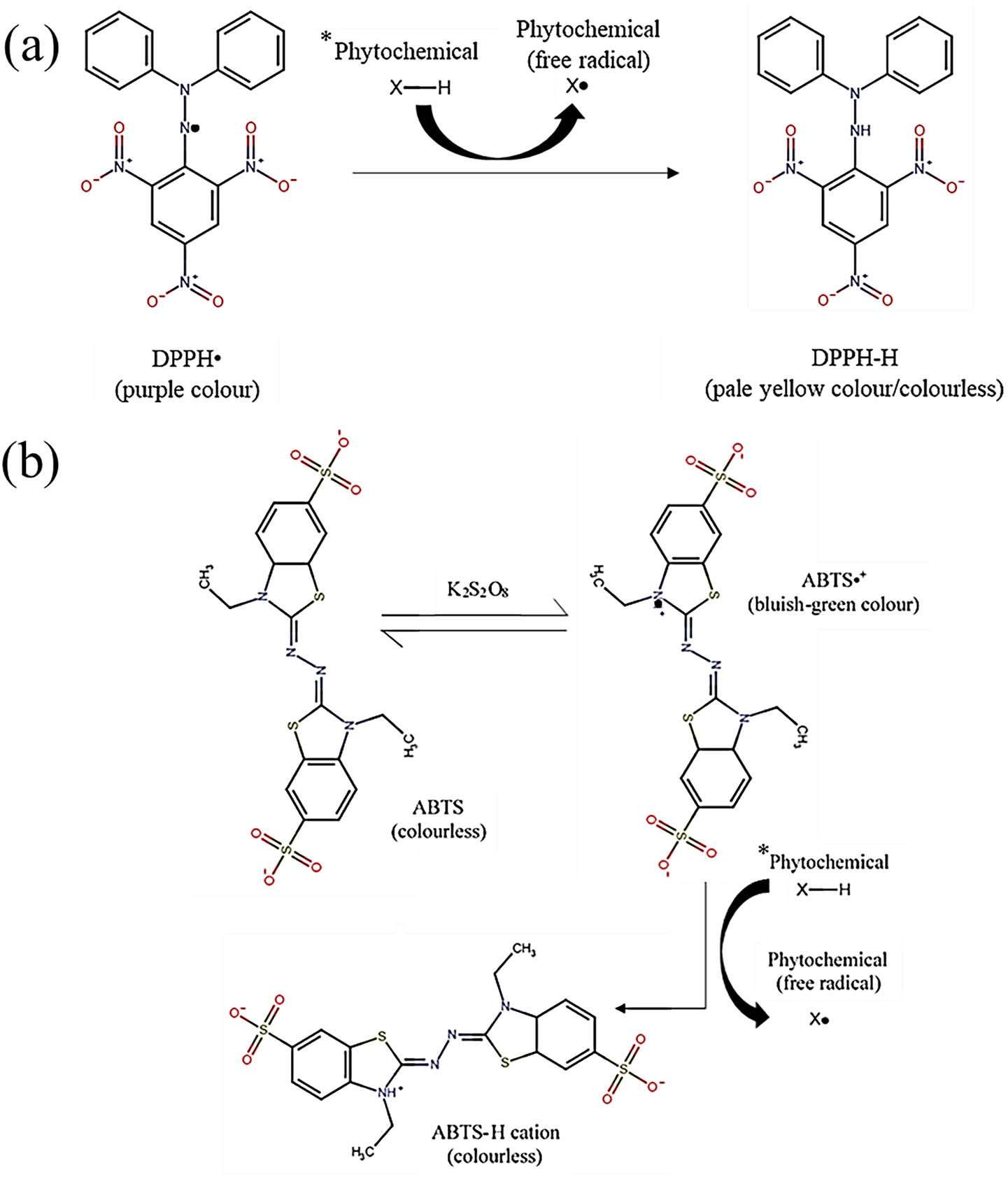
Reaction mechanism of (a) DPPH and (b) ABTS assays. “*” represents the phytochemicals on the nanomaterial surface. In (a), the purple solution DPPH˙ turned pale yellow or colorless after receiving proton from phytochemicals and oxidizing into DPPH-H. On the other hand, the colorless ABTS turned bluish-green in the presence of potassium persulfate (K2S2O8), which indicated the formation of ABTS˙+. In the presence of phytochemicals, ABTS˙+ oxidized into colorless ABTS-H cation.
In the study by Jamila et al., mangosteen pericarp extract and its green-synthesized Ag NPs demonstrated greater activity in DPPH˙ scavenging compared to ABTS˙ scavenging. This finding suggests that the ABTS˙ scavenging activity assay’s effectiveness is highly dependent on the number of hydroxyl groups in phenolic compounds, regardless of their positions [63]. Rajakannu et al. observed that Ag NPs synthesized using mangosteen rind extract exhibited higher DPPH˙ scavenging activity (46.00–88.00%) compared to the extract alone (22.00–71.00%), with both showing dose-dependent behavior [71]. Similarly, Jassim et al. found that increasing the content of mangosteen peel extract-mediated synthesized Au NPs was associated with enhanced antioxidant activity, ranging from 47.20 to 71.30% [37].
7.4 Environment remediation
Anthropogenic pollutants, including dyes, heavy metals, surfactants, solvents, and pesticides, persistently contaminate aquatic environments globally. Many of these pollutants are not biodegradable and can become mutagenic and carcinogenic through natural reductive anaerobic degradation processes. Consequently, researchers are exploring the use of nanomaterials as alternative solutions for environmental remediation. Nanomaterials offer advantages such as availability, non-toxicity, and both biological and chemical stabilities, making them a promising approach for addressing environmental contamination [19,24]. In experiment, dye or heavy metal is added to solution with synthesized NPs and allowed for light penetration to undergo photocatalytic degradation. The efficiency of the synthesized NPs in photodegrading pollutants is measured using ultraviolet–visible spectrophotometer [63,64,65].
7.4.1 Photocatalytic, fluorescence quenching, and photoluminescence activities
The continuous release of dye into the environment without proper treatment or conversion into less hazardous substances can severely impact ecosystems and living organisms [12]. To address this issue, the development of semiconductor-based photocatalytic processes offers an alternative method for reducing environmental pollution by breaking down organic contaminants into non-toxic compounds [2,24]. Photocatalytic activity primarily occurs on the surface of the catalyst. Thus, nanomaterials, with their high surface area, can exhibit enhanced photocatalytic performance compared to their bulk counterparts [24]. During photocatalytic reactions, electron-hole pairs are generated in the valence and conduction bands of nanomaterials. These pairs migrate to the surface of the semiconductor photocatalyst, where they facilitate the formation of ROS, including hydroxyl radicals, superoxide ion radicals, hydroperoxyl radicals, hydroxide ions, and oxygen radicals. These ROS then degrade the dye into less toxic substances, such as water, carbon dioxide, nitrogen dioxide, and nitrogen oxide [2,17,19]. The photocatalytic mechanism is illustrated in Figure 6.
![Figure 6
Formation of electron-hole pair in nanomaterials after irradiated by light as modified from Chan et al.’s study [41]. Electron in valance band (VB) is transferred to conduction band (CB) and left behind the formation of hole. Subsequently, oxidation and reduction that occurred at VB and CB happened simultaneously with hydroxide ions and oxygen to produce reactive radicals. Consequently, the reactive radicals react with organic pollutants (such as dye) degraded into less harmful products, such as carbon dioxide, water, and intermediate.](/document/doi/10.1515/ntrev-2025-0157/asset/graphic/j_ntrev-2025-0157_fig_006.jpg)
Formation of electron-hole pair in nanomaterials after irradiated by light as modified from Chan et al.’s study [41]. Electron in valance band (VB) is transferred to conduction band (CB) and left behind the formation of hole. Subsequently, oxidation and reduction that occurred at VB and CB happened simultaneously with hydroxide ions and oxygen to produce reactive radicals. Consequently, the reactive radicals react with organic pollutants (such as dye) degraded into less harmful products, such as carbon dioxide, water, and intermediate.
In the study by Jamila et al., it was observed that the green-synthesized Ag NPs using mangosteen pericarp extract significantly reduced the absorption maxima and decolorized the tested dyes within 5 min when sodium borohydride was added. In contrast, a lesser effect was noted with the mangosteen pericarp extract alone. The percentage reductions in dye concentrations using green-synthesized Ag NPs from mangosteen pericarp extract were as follows: 86.00–92.00% for Congo red, 79.00–85.00% for methylene blue (MB), 89.00–95.00% for malachite green (MG), 89.00–96.00% for methylene orange, 85.00–91.00% for p-nitrophenol, 88.00–93.00% for rhodamine B (RB), 80.00–87.00% for Bismarck brown Y, and 88.00–92.00% for sulfo-cyanine. [63]. The green-synthesized Ag NPs from mangosteen seed and peel extracts achieved a 95.00% degradation efficiency of MB at pH 2, with a half-life of 22 min under sunlight as reported in Perera et al.’s study [65]. Similarly, Kuruppu et al. demonstrated that ZnO NPs synthesized from mangosteen seed and rind extracts achieved 92.00 and 85.00% degradation efficiencies, respectively, with half-lives of 102 and 108 min for MB degradation at pH 4 [82]. Additionally, Aminuzzaman et al. reported that ZnO NPs derived from mangosteen pericarp extracts achieved a 99.00% removal efficiency of MG after 180 min of sunlight radiation, whereas only 13.70% degradation efficiency was observed in the dark over the same duration [56]. The polarity of the solvent, the nature of the fluorophore, the concentration, and the quencher molecule all affect the ability to quench fluorescence. In the Perera et al.’s research, the fluorescence intensity of RB gradually reduced with an increasing amount of sunlight-irradiated Ag NPs green-synthesized from mangosteen seed and mangosteen peel extracts [65]. Furthermore, in the Kuruppu et al.’s research, a reduction in RB fluorescence emission was observed when the concentration of green-synthesized ZnO NPs from mangosteen seed and mangosteen rind extracts increased [82]. The findings by both researchers demonstrated that the prepared nanomaterials’ fluorescence quenching was in both dynamic and static quenching because both processes were present simultaneously and were caused by the creation of chemical complexes or excited-state collisions [65,82].
Photoluminescence spectroscopy, a non-destructive technique valuable for assessing material quality by revealing intrinsic and extrinsic defects, was used by Kuruppu et al. to evaluate green-synthesized ZnO NPs from mangosteen seed and rind extracts. The spectra revealed a broad, intense peak in the visible range and a distinct peak in the UV region, indicating intrinsic defects within the ZnO material. The UV emission peak is attributed to near-band emission and free exciton recombination, while the broad visible peak is due to the recombination of photo-generated holes with single ionized charge states of specific defects. Therefore, the photoluminescence activity of green-synthesized ZnO NPs was both higher and more asymmetric than that of chemically synthesized ZnO NPs [82].
7.4.2 Heavy metal ion detection
Heavy metal pollution, caused primarily by anthropogenic activities, remains a significant environmental concern due to the toxicity of metals such as nickel, copper, iron, chromium, and mercury, even at low concentrations. Traditional methods for detecting heavy metals, although highly sensitive, are often costly, labor-intensive, skill-dependent, and not portable. In contrast, nanomaterials offer a more straightforward, cost-effective, and sensitive approach for detecting trace amounts of heavy metal ions through colorimetric sensing [60]. In the study by Jamila et al., green-synthesized Ag NPs derived from mangosteen pericarp extract were successfully used to detect mercuric ions through colorimetric sensing. The surface plasmon resonance band of these Ag NPs showed a significant decrease and a blue shift in absorbance when exposed to mercuric ion concentrations ranging from 1.00 to 50.00 µM in spiked water samples within 10–15 min, demonstrating their sensitivity and effectiveness in identifying heavy metal contaminants [63]. Similar observation was reported in Trang et al.’s study as slight blue shifting and decreasing of absorbance in UV-Vis absorption peak when mangosteen peel extract-derived Ag NPs were exposed to ferric ion concentrations ranging from 1.00 to 25.00 µM. In their study, the limit of detection and limit of quantitation of the synthesized Ag NPs were 0.532 and 1.77 µM, respectively [64].
7.5 Other applications
Au NPs synthesized from mangosteen peel extract were investigated for their potential in repairing hepatocellular damage in mice in Jassim et al.’s study. In their study, clinical observation from 24 h up to 14 days is conducted using adult albino mice by feeding them synthesized Au NPs. The study found that these green-synthesized Au NPs improved blood pharmacokinetics and vascular transport by creating congestion in blood vessels and inhibiting liver absorption. Additionally, a cream containing these Au NPs accelerated wound healing by enhancing the interaction between the nanomaterials and the cream ingredients, which penetrated the skin and improved tensile strength, collagen formation, and epithelial-layer repair after the mice dorsal fur is shaved and let the wound opened to cause acute inflammation [37]. In a separate study by Alkhuriji et al., Ag NPs synthesized from mangosteen peel extract demonstrated significant anti-inflammatory effects caused by oral injection of Listeria monocytogenes to the mice. These NPs reduced the expression levels of inflammatory genes (TNF-α mRNA and IL-1β mRNA) in female mice infected with L. monocytogenes. The treated mice exhibited expanded villi and a healthy intestine, in contrast to the untreated group. Furthermore, the Ag NP-treated group showed less lamina propria degeneration, indicating protective effects against intestinal damage [77].
Ag NPs synthesized from mangosteen bark extract demonstrated a lethal concentration for 50% of larvae (LC50) of 5.93 µM and were effective in inhibiting the growth of the fourth-instar Aedes aegypti larvae after 24 h by placing them in 100 mL of distilled water with synthesized Ag NPs reported in the Karthiga et al.’s study. The observed larvicidal effect is attributed to the Ag NPs’ ability to penetrate individual cells, disrupting molting and other physiological processes [68].
Sivakavinesan et al. investigated the use of mangosteen peel extract-mediated synthesized Au NPs for dyeing cotton wicks. They varied the Au ion concentration ranging from 10−2 to 10−6 M and observed that the Au NPs adsorbed onto the cotton wicks with high aggregation. At a concentration of 1 mM Au ion solution, the Au NPs were well dispersed and deposited on the cotton wick surfaces. In contrast, Au NPs synthesized from lower concentration Au ion solutions did not adhere to the cotton wick surfaces and did not affect the binding of nanomaterials to the surfaces [80].
8 Conclusion and future outlook
Plant extracts offer a straightforward, rapid, cost-effective, sustainable, and environmentally friendly approach to nanomaterial production. Among these, the mangosteen plant stands out due to its rich array of bioactive phytochemicals such as flavonoids, phenolics, and xanthones, which can act as effective stabilizers and reducing agents in nanomaterial synthesis. These green-synthesized NPs exhibit enhanced biocompatibility, reduced toxicity, and superior functionality compared to their chemically synthesized counterparts. The review study indicates that mangosteen-derived nanomaterials exhibit promising potential across various fields, although most applications are still confined to laboratory settings. The successful transition from laboratory-scale to broader applications could significantly enhance human life quality in areas such as medicine, agriculture, and environmental remediation. However, thorough research on the large-scale synthesis of nanomaterials from mangosteen extracts is lacking in the present literature study. Optimizing nanomaterial morphology, consistency, and yield during synthesis are the key challenges in green synthesis. Despite advancements in plant extract-mediated synthesis, mangosteen’s potential remains relatively unexplored compared to other plants. Addressing this gap through targeted research is essential to fully leverage mangosteen’s capabilities in green nanomaterial synthesis. Emphasizing large-scale production and exploring broader applications will be crucial.
By overcoming these challenges, future research should emphasize refining these synthesis processes for scalability and exploring more extensive applications for mangosteen-derived nanomaterials. By prioritizing studies on industrial-level production and assessing potential commercial applications, researchers can contribute to reducing reliance on traditional, resource-intensive synthesis methods. This advancement would mark a critical step toward sustainable and eco-friendly nanotechnology solutions, leveraging mangosteen’s unique properties to support greener innovations across various industries.
Acknowledgments
The authors would like to express their appreciation to Universiti Tunku Abdul Rahman (UTAR) for providing financial support via UTARRF [Grant Number IPSR/RMC/UTARRF/202-C2/M01].
-
Funding information: This work was supported by the Universiti Tunku Abdul Rahman (UTAR) through UTARRF [Grant Number IPSR/RMC/UTARRF/202-C2/M01].
-
Author contributions: Yu Bin Chan: conceptualization, formal analysis, investigation, resources, writing – original draft, and visualization; Mohammod Aminuzzaman: conceptualization, methodology, writing – review and editing, supervision, project administration, and funding acquisition; Xinn-Tze Chuah: conceptualization; Kefeng Li: conceptualization; Ling Shing Wong: conceptualization, writing – review and editing, and funding acquisition; Samar Kumar Guha: conceptualization and funding acquisition; Lai-Hock Tey: conceptualization, methodology, writing – review and editing, and supervision. All authors have accepted responsibility for the entire content of this manuscript and approved its submission.
-
Conflict of interest: The authors state no conflict of interest.
-
Data availability statement: The datasets generated and/or analyzed during the current study are available from the corresponding author on reasonable request.
References
[1] Balakrishnan G, Velavan R, Mujasam Batoo K, Raslan EH. Microstructure, optical and photocatalytic properties of MgO nanoparticles. Results Phys. 2020;16:103013–6. 10.1016/j.rinp.2020.103013.Suche in Google Scholar
[2] Hoseinpour V, Ghaemi N. Green synthesis of manganese nanoparticles: Applications and future perspective – a review. J Photochem Photobiol B Biol. 2018;189:234–43. 10.1016/j.jphotobiol.2018.10.022.Suche in Google Scholar PubMed
[3] Vladimirovna Zaitseva N, Alexandrovna Zemlyanova M. Toxicologic characteristics of nanodisperse manganese oxide: Physical-chemical properties, biological accumulation, and morphological-functional properties at various exposure types. In: Nduka JK, Rashed MN, editors. Heavy Metal Toxicity in Public Health. London, United Kingdom: InTechOpen; 2020.10.5772/intechopen.83499Suche in Google Scholar
[4] Abbes N, Bekri I, Cheng M, Sejri N, Cheikrouhou M, Xu J. Green synthesis and characterization of zinc oxide nanoparticles using mulberry fruit and their antioxidant activity. Mater Sci. 2021;28:144–50. 10.5755/j02.ms.28314.Suche in Google Scholar
[5] Ammulu MA, Vinay VK, Giduturi AK, Vemuri PK, Mangamuri U, Poda S. Phytoassisted synthesis of magnesium oxide nanoparticles from Pterocarpus marsupium Roxb. heartwood extract and its biomedical applications. J Genet Eng Biotechnol. 2021;19:21–38. 10.1186/s43141-021-00119-0.Suche in Google Scholar PubMed PubMed Central
[6] Hassan SE-D, Fouda A, Saied E, Farag MMS, Eid AM, Barghoth MG, et al. Rhizopus oryzae-mediated green synthesis of magnesium oxide nanoparticles (MgO-NPs): A promising tool for antimicrobial, mosquitocidal action, and tanning effluent treatment. J Fungi. 2021;7:372–96. 10.3390/jof7050372.Suche in Google Scholar PubMed PubMed Central
[7] Sajjad A, Bhatti SH, Ali Z, Jaffari GH, Khan NA, Rizvi ZF, et al. Photoinduced fabrication of zinc oxide nanoparticles: Transformation of morphological and biological response on light irradiance. ACS Omega. 2021;6:11783–93. 10.1021/acsomega.1c01512.Suche in Google Scholar PubMed PubMed Central
[8] Sana SS, Kumbhakar DV, Pasha A, Pawar SC, Grace AN, Singh RP, et al. Crotalaria verrucosa leaf extract mediated synthesis of zinc oxide nanoparticles: assessment of antimicrobial and anticancer activity. Molecules. 2020;25:4896–916. 10.3390/molecules25214896.Suche in Google Scholar PubMed PubMed Central
[9] Dawadi S, Gupta A, Khatri M, Budhathoki B, Lamichhane G, Parajuli N. Manganese dioxide nanoparticles: Synthesis, application and challenges. Bull Mater Sci. 2020;43:277–86. 10.1007/s12034-020-02247-8.Suche in Google Scholar
[10] Fredericks J, Senapati S, Wannemuehler MJ. Cytotoxic effects of manganese oxide nanoparticles in combination with microbial components on intestinal epithelial cells. F1000Research. 2020;9:975–89. 10.12688/f1000research.25238.1.Suche in Google Scholar
[11] Greene A, Hashemi J, Kang Y. Development of MnO2 hollow nanoparticles for potential drug delivery applications. Nanotechnology. 2020;32:025713–27. 10.1088/1361-6528/abb626.Suche in Google Scholar PubMed
[12] Khan SA, Shahid S, Shahid B, Fatima U, Abbasi SA. Green synthesis of MnO nanoparticles using Abutilon indicum leaf extract for biological, photocatalytic, and adsorption activities. Biomolecules. 2020;10:785–803. 10.3390/biom10050785.Suche in Google Scholar PubMed PubMed Central
[13] Rajendran NK, George BP, Houreld NN, Abrahamse H. Synthesis of zinc oxide nanoparticles using Rubus fairholmianus root extract and their activity against pathogenic bacteria. Molecules. 2021;26:3029–39. 10.3390/molecules26103029.Suche in Google Scholar PubMed PubMed Central
[14] Sobańska Z, Roszak J, Kowalczyk K, Stępnik M. Applications and biological activity of nanoparticles of manganese and manganese oxides in in vitro and in vivo models. Nanomaterials. 2021;11:1084–99. 10.3390/nano11051084.Suche in Google Scholar PubMed PubMed Central
[15] Wang H, Zhou Y, Sun Q, Zhou C, Hu S, Lenahan C, et al. Update on nanoparticle-based drug delivery system for anti-inflammatory treatment. Front Bioeng Biotechnol. 2021;9:1–9. 10.3389/fbioe.2021.630352.Suche in Google Scholar PubMed PubMed Central
[16] You W, Ahn JC, Boopathi V, Arunkumar L, Rupa EJ, Akter R, et al. Enhanced antiobesity efficacy of tryptophan using the nanoformulation of Dendropanax morbifera extract mediated with ZnO nanoparticle. Materials. 2021;14:824–38. 10.3390/ma14040824.Suche in Google Scholar PubMed PubMed Central
[17] Cuong HN, Pansambal S, Ghotekar S, Oza R, Hai NTT, Viet NM, et al. New frontiers in the plant extract mediated biosynthesis of copper oxide (CuO) nanoparticles and their potential applications: A review. Env Res. 2022;203:111858–81. 10.1016/j.envres.2021.111858.Suche in Google Scholar PubMed
[18] Salayová A, Bedlovičová Z, Daneu N, Baláž M, Bujňáková ZL, Balážová L, et al. Green synthesis of silver nanoparticles with antibacterial activity using various medicinal plant extracts: morphology and antibacterial efficacy. Nanomaterials. 2021;11:1005–24. 10.3390/nano11041005.Suche in Google Scholar PubMed PubMed Central
[19] Aminuzzaman M, Chong CY, Goh W-S, Phang Y-K, Tey L-H, Chee S-Y, et al. Biosynthesis of NiO Nanoparticles using soursop (Annona muricata L.) fruit peel green waste and their photocatalytic performance on crystal violet dye. J Clust Sci. 2021;32:949–58. 10.1007/s10876-020-01859-8.Suche in Google Scholar
[20] Khan A, Shabir D, Ahmad P, Khandaker MU, Faruque MRI, Din IU. Biosynthesis and antibacterial activity of MgO-NPs produced from Camellia-sinensis leaves extract. Mater Res Express. 2021;8:015402–11. 10.1088/2053-1591/abd421.Suche in Google Scholar
[21] Haneefa MM, Jayandran M, Balasubramanian V. Green synthesis characterization and antimicrobial activity evaluation of manganese oxide nanoparticles and comparative studies with salicylalchitosan functionalized nanoform. Asian J Pharm. 2017;11:65–74.Suche in Google Scholar
[22] Ogunyemi SO, Zhang M, Abdallah Y, Ahmed T, Qiu W, Ali MA, et al. The bio-synthesis of three metal oxide nanoparticles (ZnO, MnO2, and MgO) and their antibacterial activity against the bacterial leaf blight pathogen. Front Microbiol. 2020;11:1–14. 10.3389/fmicb.2020.588326.Suche in Google Scholar PubMed PubMed Central
[23] Prasanth R, Dinesh Kumar S, Jayalakshmi A, Singaravelu G, Govindaraju K, Ganesh Kumar V. Green synthesis of magnesium oxide nanoparticles and their antibacterial activity. Indian J Geo Mar Sci. 2019;48:1210–5.Suche in Google Scholar
[24] Aminuzzaman M, Ng PS, Goh W-S, Ogawa S, Watanabe A. Value-adding to dragon fruit (Hylocereus polyrhizus) peel biowaste: green synthesis of ZnO nanoparticles and their characterization. Inorg Nano-Metal Chem. 2019;49:401–11. 10.1080/24701556.2019.1661464.Suche in Google Scholar
[25] Sharma S, Yadav DK, Chawla K, Lai N, Lai C. Synthesis and characterization of CuO nanoparticles by Aloe barbadensis leaves. Quantum J Eng Sci Technol. 2021;2:1–9.Suche in Google Scholar
[26] Ingale AG, Chaudhari AN. Biogenic synthesis of nanoparticles and potential applications: An eco-friendly approach. J Nanomed Nanotechnol. 2013;4:165–71. 10.4172/2157-7439.1000165.Suche in Google Scholar
[27] Sharma D, Kanchi S, Bisetty K. Biogenic synthesis of nanoparticles: A review. Arab J Chem. 2019;12:3576–600. 10.1016/j.arabjc.2015.11.002.Suche in Google Scholar
[28] Naseer M, Aslam U, Khalid B, Chen B. Green route to synthesize zinc oxide nanoparticles using leaf extracts of Cassia fistula and Melia azadarach and their antibacterial potential. Sci Rep. 2020;10:9055–64. 10.1038/s41598-020-65949-3.Suche in Google Scholar PubMed PubMed Central
[29] Hiew CW, Lee LJ, Junus S, Tan YN, Chai TT, Ee KY. Optimization of microwave-assisted extraction and the effect of microencapsulation on mangosteen (Garcinia mangostana L.) rind extract. Food Sci Technol. 2021;42:1–10. 10.1590/fst.35521.Suche in Google Scholar
[30] Huang X, Zhou X, Dai Q, Qin Z. Antibacterial, antioxidation, UV-blocking, and biodegradable soy protein isolate food packaging film with mangosteen peel extract and ZnO nanoparticles. Nanomaterials. 2021;11:3337–52. 10.3390/nano11123337.Suche in Google Scholar PubMed PubMed Central
[31] Mohd Basri MS, Ren BLM, Talib RA, Zakaria R, Kamarudin SH. Novel mangosteen-leaves-based marker ink color lightness, viscosity, optimized composition, and microstructural analysis. Polymers. 2021;13:1581–98. 10.3390/polym13101581.Suche in Google Scholar PubMed PubMed Central
[32] Mulyono D, Irawati Y, Syah MJA. Identification morphological variability of six mangosteen (Garcinia mangostana L.) as a conservation strategy for local varieties. IOP Conf Ser Earth Env Sci. 2021;739:012076–82. 10.1088/1755-1315/739/1/012076.Suche in Google Scholar
[33] Syahputra MR, Setiado H, Siregar LAM, Damanik RI. Morphological characteristics of mangosteen plants (Garcinia mangostana L.) in Langkat District, North Sumatera, Indonesia. IOP Conf Ser Earth Env Sci. 2021;782:042056–62. 10.1088/1755-1315/782/4/042056.Suche in Google Scholar
[34] Aizat WM, Ahmad-Hashim FH, Syed Jaafar SN. Valorization of mangosteen, ‘the queen of fruits,’ and new advances in postharvest and in food and engineering applications: A review. J Adv Res. 2019;20:61–70. 10.1016/j.jare.2019.05.005.Suche in Google Scholar PubMed PubMed Central
[35] Andani R, Fajrina A, Asra R, Eriadi A. Antibacterial activity test of mangosteen plants (Garcinia mangostana L.): A review. Asian J Pharm Res Dev. 2021;9:164–71. 10.22270/ajprd.v9i1.927.Suche in Google Scholar
[36] Diniatik D, Anggraeni RS. Antibacterial (Staphylococcus aureus and Escherichia coli) and Antifungal (Saccharomyces cerevisiae) activity assay on nanoemulsion formulation of ethanol extract of mangosteen leaves (Garcinia mangostana L.) as fruit preservative. J Food Pharm Sci. 2021;9:351–65. 10.22146/jfps.1008.Suche in Google Scholar
[37] Jassim AMN, Shafy GM, Mohammed MT, Farhan SA, Noori OM. Antioxidant, anti-inflammatory and wound healing of biosynthetic gold nanoparticles using mangosteen (G. mangostona). Iraqi J Ind Res. 2021;8:59–74. 10.53523/ijoirVol8I2ID69.Suche in Google Scholar
[38] Chan YB, Selvanathan V, Tey L-H, Akhtaruzzaman M, Anur FH, Djearamane S, et al. Effect of calcination temperature on structural, morphological and optical properties of copper oxide nanostructures derived from Garcinia mangostana L. leaf extract. Nanomaterials. 2022;12:3589–607. 10.3390/nano12203589.Suche in Google Scholar PubMed PubMed Central
[39] Chan YB, Aminuzzaman M, Tey L-H, Win YF, Watanabe A, Djearamame S, et al. Impact of diverse parameters on the physicochemical characteristics of green-synthesized zinc oxide-copper oxide nanocomposites derived from an aqueous extract of Garcinia mangostana L. leaf. Materials. 2023;16:5421–39. 10.3390/ma16155421.Suche in Google Scholar PubMed PubMed Central
[40] Chan YB, Aminuzzaman M, Rahman MK, Win YF, Sultana S, Cheah S-Y, et al. Green synthesis of ZnO nanoparticles using the mangosteen (Garcinia mangostana L.) leaf extract: comparative preliminary in vitro antibacterial study. Green Process Synth. 2024;13:20230251–70. 10.1515/gps-2023-0251.Suche in Google Scholar
[41] Chan YB, Aminuzzaman M, Win YF, Djearamane S, Wong LS, Guha SK, et al. Garcinia mangostana L. leaf-extract-assisted green synthesis of CuO, ZnO and CuO-ZnO nanomaterials for the photocatalytic degradation of palm oil mill effluent (POME). Catalysts. 2024;14:486–503. 10.3390/catal14080486.Suche in Google Scholar
[42] Karthiga P. Preparation of silver nanoparticles by Garcinia mangostana stem extract and investigation of the antimicrobial properties. Biotechnol Res Innov. 2018;2:30–6. 10.1016/j.biori.2017.11.001.Suche in Google Scholar
[43] Vijayaraghavan K, Ashokkumar T. Plant-mediated biosynthesis of metallic nanoparticles: A review of literature, factors affecting synthesis, characterization techniques and applications. J Env Chem Eng. 2017;5:4866–83. 10.1016/j.jece.2017.09.026.Suche in Google Scholar
[44] Phang Y-K, Aminuzzaman M, Akhtaruzzaman M, Muhammad G, Ogawa S, Watanabe A, et al. Green synthesis and characterization of CuO nanoparticles derived from papaya peel extract for the photocatalytic degradation of palm oil mill effluent (POME). Sustainability. 2021;13:796–810. 10.3390/su13020796.Suche in Google Scholar
[45] Waris A, Din M, Ali A, Ali M, Afridi S, Baset A, et al. A comprehensive review of green synthesis of copper oxide nanoparticles and their diverse biomedical applications. Inorg Chem Commun. 2020;123:108369. 10.1016/j.inoche.2020.108369.Suche in Google Scholar
[46] Efenberger-Szmechtyk M, Nowak A, Czyzowska A. Plant extracts rich in polyphenols: Antibacterial agents and natural preservatives for meat and meat products. Crit Rev Food Sci Nutr. 2020;61:149–78. 10.1080/10408398.2020.1722060.Suche in Google Scholar PubMed
[47] Shammout MW, Awwad AM. A novel route for the synthesis of copper oxide nanoparticles using Bougainvillea plant flowers extract and antifungal activity evaluation. Int Sci Organ. 2021;7:71–8. 10.5281/zenodo.4042902.Suche in Google Scholar
[48] Akhtar MS, Panwar J, Yun YS. Biogenic synthesis of metallic nanoparticles by plant extracts. Sustain Chem Eng. 2013;1:591–602. 10.1021/sc300118u.Suche in Google Scholar
[49] Zhu Y. Relationship of total phenolic contents, DPPH activities and anti-lipid-oxidation capabilities of different bioactive beverages and phenolic antioxidants. LSU Master’s Theses. Louisiana State University and Agricultural and Mechanical College; 2014.Suche in Google Scholar
[50] Selvanathan V, Aminuzzaman M, Tey L-H, Razali SA, Althubeiti K, Alkhammash HI, et al. Muntingia calabura leaves mediated green synthesis of CuO nanorods: Exploiting phytochemicals for unique morphology. Materials. 2021;14:6379–90. 10.3390/ma14216379.Suche in Google Scholar PubMed PubMed Central
[51] Selvanathan V, Aminuzzaman M, Tan LX, Win YF, Cheah ESG, Heng MH, et al. Synthesis, characterization, and preliminary in vitro antibacterial evaluation of ZnO nanoparticles derived from soursop (Annona muricata L.) leaf extract as a green reducing agent. J Mater Res Technol. 2022;20:2931–41. 10.1016/j.jmrt.2022.08.028.Suche in Google Scholar
[52] Cheah S-Y, Tey L-H, Aminuzzaman M, Phang Y-K, Chan YB, Djearamane S, et al. Green synthesis and characterizations of chromium oxide nanoparticles (Cr2O3 NPs) derived from pomegranate husk and its α-amylase inhibitory and antioxidant properties. Nano Hybrids Compos. 2023;39:51–5. 10.4028/p-od359h.Suche in Google Scholar
[53] Sasidharan S, Tey L-H, Djearamane S, Rashid NKMA, Raajeswari P, Wong LS, et al. Development of novel biofilm using Musa acuminata (waste banana leaves) mediated biogenic zinc oxide nanoparticles reinforced with chitosan blend. J King Saud Univ - Sci. 2024;36:103080–90. 10.1016/j.jksus.2023.103080.Suche in Google Scholar
[54] de Jesus Matos Viégas I, Cordeiro RAM, de Almeida GM, Silva DAS, da Silva BC, Okumura RS, et al. Growth and visual symptoms of nutrients deficiency in mangosteens (Garcinia mangostana L.). Am J Plant Sci. 2018;9:1014–28. 10.4236/ajps.2018.95078.Suche in Google Scholar
[55] Yuvanatemiya V, Srean P, Klangbud WK, Venkatachalam K, Wongsa J, Parametthanuwat T, et al. A review of the influence of various extraction techniques and the biological effects of the xanthones from mangosteen (Garcinia mangostana L.) pericarps. Molecules. 2022;27:8775–93. 10.3390/molecules27248775.Suche in Google Scholar PubMed PubMed Central
[56] Aminuzzaman M, Lim PY, Goh WS, Watanabe A. Green synthesis of zinc oxide nanoparticles using aqueous extract of Garcinia mangostana fruit pericarp and their photocatalytic activity. Bull Mater Sci. 2018;41:50–9. 10.1007/s12034-018-1568-4.Suche in Google Scholar
[57] Abdumutalovna MS, Urmanovna MD. Technology of in vitro propagation of mangosteen in the climatic conditions of Uzbekistan. Nat Volatiles Essent Oils. 2021;8:5610–7.Suche in Google Scholar
[58] Negi JS, Bisht VK, Singh P, Rawat MSM, Joshi GP. Naturally occurring xanthones: Chemistry and biology. J Appl Chem. 2013;2013:1–9. 10.1155/2013/621459.Suche in Google Scholar
[59] Obolskiy D, Pischel I, Siriwatanametanon N, Heinrich M. Garcinia mangostana L.: A phytochemical and pharmacological review. Phyther Res. 2009;23:1047–65. 10.1002/ptr.2730.Suche in Google Scholar PubMed
[60] Singh J, Dutta T, Kim KH, Rawat M, Samddar P, Kumar P. ‘Green’ synthesis of metals and their oxide nanoparticles: applications for environmental remediation. J Nanobiotechnology. 2018;16:84–107. 10.1186/s12951-018-0408-4.Suche in Google Scholar PubMed PubMed Central
[61] Shah M, Fawcett D, Sharma S, Tripathy SK, Poinern GEJ. Green synthesis of metallic nanoparticles via biological entities. Materials. 2015;8:7278–308. 10.3390/ma8115377.Suche in Google Scholar PubMed PubMed Central
[62] Kumar V, Singh K, Panwar S, Mehta SK. Green synthesis of manganese oxide nanoparticles for the electrochemical sensing of p-nitrophenol. Int Nano Lett. 2017;7:123–31. 10.1007/s40089-017-0205-3.Suche in Google Scholar
[63] Jamila N, Khan N, Bibi N, Waqas M, Khan SN, Atlas A, et al. Hg(II) sensing, catalytic, antioxidant, antimicrobial, and anticancer potential of Garcinia mangostana and α-mangostin mediated silver nanoparticles. Chemosphere. 2021;272:12974–90. 10.1016/j.chemosphere.2021.129794.Suche in Google Scholar PubMed
[64] Trang NLN, Hoang VT, Dinh NX, Tam LT, Le VP, Linh DT, et al. Novel eco-friendly synthesis of biosilver nanoparticles as a colorimetric probe for highly selective detection of Fe (III) ions in aqueous solution. J Nanomater. 2021;2021:1–17. 10.1155/2021/5527519.Suche in Google Scholar
[65] Perera KMKG, Kuruppu KASS, Chamara AMR, Thiripuranathar G. Characterization of spherical Ag nanoparticles synthesized from the agricultural wastes of Garcinia mangostana and Nephelium lappaceum and their applications as a photo catalyzer and fluorescence quencher. SN Appl Sci. 2020;2:1974–97. 10.1007/s42452-020-03640-y.Suche in Google Scholar
[66] Gupta N, Gupta C, Sharma S, Sharma RK, Bohidar HB. Comparative study of antibacterial activity of standard antibiotic with silver nanoparticles synthesized using Ocimum tenuiflorum and Garcinia mangostana leaves. Chem Biol Lett. 2015;2:41–4.Suche in Google Scholar
[67] Veerasamy R, Xin TZ, Gunasagaran S, Xiang TFW, Yang EFC, Jeyakumar N, et al. Biosynthesis of silver nanoparticles using mangosteen leaf extract and evaluation of their antimicrobial activities. J Saudi Chem Soc. 2011;15:113–20. 10.1016/j.jscs.2010.06.004.Suche in Google Scholar
[68] Karthiga P, Rajeshkumar S, Annadurai G. Mechanism of larvicidal activity of antimicrobial silver nanoparticles synthesized using Garcinia mangostana bark extract. J Clust Sci. 2018;29:1233–41. 10.1007/s10876-018-1441-z.Suche in Google Scholar
[69] Zhang X, Xiao C. Biofabrication of silver nanoparticles and their combined effect with low intensity ultrasound for treatment of lung cancer. J Photochem Photobiol B Biol. 2018;181:122–6. 10.1016/j.jphotobiol.2018.03.004.Suche in Google Scholar PubMed
[70] Karthiga P, Soranam R. Annadurai G. Alpha-mangostin, the major compound from Garcinia mangostana Linn. responsible for synthesis of Ag nanoparticles: Its characterization and evaluation studies. Res J Nanosci Nanotechnol. 2012;2:46–57. 10.3923/rjnn.2012.46.57.Suche in Google Scholar
[71] Rajakannu S, Shankar S, Perumal S, Subramanian S, Dhakshinamoorthy GP. Biosynthesis of silver nanoparticles using Garcinia mangostana fruit extract and their antibacterial, antioxidant activity. Int J Curr Microbiol Appl Sci. 2015;4:944–52.Suche in Google Scholar
[72] Nishanthi R, Malathi S, Paul SJ, Palani P. Green synthesis and characterization of bioinspired silver, gold and platinum nanoparticles and evaluation of their synergistic antibacterial activity after combining with different classes of antibiotics. Mater Sci Eng C. 2019;96:693–707. 10.1016/j.msec.2018.11.050.Suche in Google Scholar PubMed
[73] Madhavan M, Elsa RP, Francis A, Benny GM, Wilson A. Green synthesis of silver nanoparticles from fruit rind extract of Garcinia mangostana L. and evaluation of antibacterial properties. Plant Arch. 2021;21:279–83. 10.51470/PLANTARCHIVES.2021.v21.no2.043.Suche in Google Scholar
[74] Park JS, Ahn EY, Park Y. Asymmetric dumbbell-shaped silver nanoparticles and spherical gold nanoparticles green-synthesized by mangosteen (Garcinia mangostana) pericarp waste extracts. Int J Nanomed. 2017;12:6895–908. 10.2147/ijn.s140190.Suche in Google Scholar PubMed PubMed Central
[75] Le NTT, Thi TTH, Ching YC, Nguyen NH, Nguyen DYP, Truong QM, et al. Garcinia mangostana shell and Tradescantia spathacea leaf extract-mediated one-pot synthesis of silver nanoparticles with effective antifungal properties. Curr Nanosci. 2021;17:762–71. 10.2174/1573413716666201222111244.Suche in Google Scholar
[76] Lee KX, Shameli K, Mohamad SE, Yew YP, Isa EDM, Yap H-Y, et al. Bio-mediated synthesis and characterisation of silver nanocarrier, and its potent anticancer action. Nanomaterials. 2019;9:1423–41. 10.3390/nano9101423.Suche in Google Scholar PubMed PubMed Central
[77] Alkhuriji AF, Majrashi NA, Alomar S, El-Khadragy MF, Awad MA, Khatab AR, et al. The beneficial effect of eco-friendly green nanoparticles using Garcinia mangostana peel extract against pathogenicity of Listeria monocytogenes in female BALB/c mice. Animals. 2020;10:573–86. 10.3390/ani10040573.Suche in Google Scholar PubMed PubMed Central
[78] Nishanthi R, Palani P. Green synthesis of gold nanoparticles from the rind extract of Garcinia mangostana and its synergistic effect with antibiotics against human pathogenic bacteria. IEEE-NANO. 2013;2016:431–4. 10.1109/NANO.2016.7751498.Suche in Google Scholar
[79] Lee KX, Shameli K, Miyake M, Ahmad Khairudin NBB, Mohamad SEB, Hara H, et al. Gold nanoparticles biosynthesis: a simple route for control size using waste peel extract. IEEE Trans Nanotechnol. 2017;16:954–7. 10.1109/TNANO.2017.2728600.Suche in Google Scholar
[80] Sivakavinesan M, Vanaja M, Annadurai G. Dyeing of cotton fabric materials with biogenic gold nanoparticles. Sci Rep. 2021;11:13249–59. 10.1038/s41598-021-92662-6.Suche in Google Scholar PubMed PubMed Central
[81] Lee KX, Shameli K, Miyake M, Kuwano N, Ahmad Khairudin NBB, Mohamad SEB, et al. Green synthesis of gold nanoparticles using aqueous extract of Garcinia mangostana fruit peels. J Nanomater. 2016;2016:1–7. 10.1155/2016/8489094.Suche in Google Scholar
[82] Kuruppu K, Perera K, Chamara AMR, Thiripuranathar G. Flower shaped ZnO-NPs; phytofabrication, photocatalytic, fluorescence quenching, and photoluminescence activities. Nano Express. 2020;1:020020–37. 10.1088/2632-959X/aba862.Suche in Google Scholar
[83] Patra JK, Baek KH. Green nanobiotechnology: Factors affecting synthesis and characterization techniques. J Nanomater. 2014;2014:1–12. 10.1155/2014/417305.Suche in Google Scholar
[84] Kumar H, Bhardwaj K, Dhanjal DS, Nepovimova E, Șen F, Regassa H, et al. Fruit extract mediated green synthesis of metallic nanoparticles: A new avenue in pomology applications. Int J Mol Sci. 2020;21:8458–75. 10.3390/ijms21228458.Suche in Google Scholar PubMed PubMed Central
[85] Vaseem M, Umar A, Hahn YB. Umar A, Hahn YB, eds. ZnO nanoparticles: Growth, properties, and applications, in Metal oxide nanostructures and their applications. Vol. 5, American Scientific Publishers; 2010. p. 1–36.Suche in Google Scholar
[86] Jiang J, Pi J, Cai J. The advancing of zinc oxide nanoparticles for biomedical applications. Bioinorg Chem Appl. 2018;2018:1–19. 10.1155/2018/1062562.Suche in Google Scholar PubMed PubMed Central
[87] Shabatina T, Vernaya O, Shumilkin A, Semenov A, Melnikov M. Nanoparticles of bioactive metals/metal oxides and their nanocomposites with antibacterial drugs for biomedical applications. Materials. 2022;15:3602–21. 10.3390/ma15103602.Suche in Google Scholar PubMed PubMed Central
[88] Singh A, Gautam PK, Verma A, Singh V, Shivapriya PM, Shivalkar S, et al. Green synthesis of metallic nanoparticles as effective alternatives to treat antibiotics resistant bacterial infections: A review. Biotechnol Rep. 2020;25:e00427–37. 10.1016/j.btre.2020.e00427.Suche in Google Scholar PubMed PubMed Central
[89] Amaro F, Morón Á, Díaz S, Martín-González A, Gutiérrez JC. Metallic nanoparticles-friends or foes in the battle against antibiotic-resistant bacteria? Microorganisms. 2021;9:364–73. 10.3390/microorganisms9020364.Suche in Google Scholar PubMed PubMed Central
[90] Niño-Martínez N, Orozco MFS, Martínez-Castañón G-A, Méndez FT, Ruiz F. Molecular mechanisms of bacterial resistance to metal and metal oxide nanoparticles. Int J Mol Sci. 2019;20:2808–22. 10.3390/ijms20112808.Suche in Google Scholar PubMed PubMed Central
[91] Hoseinzadeh E, Makhdoumi P, Taha P, Hossini H, Pirsaheb M, Rastegar SO, et al. A review of available techniques for determination of nano-antimicrobials activity. Toxin Rev. 2016;36:18–32. 10.1080/15569543.2016.1237527.Suche in Google Scholar
[92] Gajic I, Kabic J, Kekic D, Jovicevic M, Milenkovic M, Culafic DM, et al. Antimicrobial susceptibility testing: A comprehensive review of currently used methods. Antibiotics. 2022;11:427–52. 10.3390/antibiotics11040427.Suche in Google Scholar PubMed PubMed Central
[93] Khameneh B, Iranshahy M, Soheili V, Bazzaz BSF. Review on plant antimicrobials: A mechanistic viewpoint. Antimicrob Resist Infect Control. 2019;8:18–45. 10.1186/s13756-019-0559-6.Suche in Google Scholar PubMed PubMed Central
[94] Wang L, Hu C, Shao L. The antimicrobial activity of nanoparticles: Present situation and prospects for the future. Int J Nanomed. 2017;12:1227–49. 10.2147/IJN.S121956.Suche in Google Scholar PubMed PubMed Central
[95] Nguyen VT, Vu VT, Nguyen TH, Nguyen TA, Tran VK, Nguyen-Tri P. Antibacterial activity of TiO2-and ZnO-decorated with silver nanoparticles. J Compos Sci. 2019;3:61–75. 10.3390/jcs3020061.Suche in Google Scholar
[96] Hernández-Ceja A, Loeza-Lara PD, Espinosa-García FJ, García-Rodríguez YM, Medina-Medrano JR, Gutiérrez-Hernández GF, et al. In vitro antifungal activity of plant extracts on pathogenic fungi of blueberry (Vaccinium sp.). Plants. 2021;10:852–63. 10.3390/plants10050852.Suche in Google Scholar PubMed PubMed Central
[97] Latti P, Ramanarayanan S, Prashant GM. Antifungal efficacy of spice extracts against Candida albicans: An in vitro study. Indian J Community Med. 2019;44:77–80. 10.4103/ijcm.IJCM_140_19.Suche in Google Scholar PubMed PubMed Central
[98] Mare AD, Ciurea CN, Man A, Mareș M, Toma F, Berța L, et al. In vitro antifungal activity of silver nanoparticles biosynthesized with beech bark extract. Plants. 2021;10:2153–67. 10.3390/plants10102153.Suche in Google Scholar PubMed PubMed Central
[99] Floegel A, Kim DO, Chung SJ, Koo SI, Chun OK. Comparison of ABTS/DPPH assays to measure antioxidant capacity in popular antioxidant-rich US foods. J Food Compos Anal. 2011;24:1043–8. 10.1016/j.jfca.2011.01.008.Suche in Google Scholar
[100] Ilyasov IR, Beloborodov VL, Selivanova IA, Terekhov RP. ABTS/PP decolorization assay of antioxidant capacity reaction pathways. Int J Mol Sci. 2020;21:1131–57. 10.3390/ijms21031131.Suche in Google Scholar PubMed PubMed Central
[101] Kiptiyah SY, Harmayani E, Santoso U. The effect of blanching and extraction method on total phenolic content, total flavonoid content and antioxidant activity of kencur (Kaempferia galanga. L) extract. IOP Conf Ser Earth Env Sci. 2021;709:012025. 10.1088/1755-1315/709/1/012025.Suche in Google Scholar
[102] Sasadara MMV, Wirawan IGP. Effect of extraction solvent on total phenolic content, total flavonoid content, and antioxidant activity of bulung sangu (Gracilaria sp.) seaweed. IOP Conf Ser Earth Env Sci. 2021;712:012005–13. 10.1088/1755-1315/712/1/012005.Suche in Google Scholar
[103] Kumara P, Sunil K, Arun Kumar B. Determination of DPPH free radical scavenging activity by RP-HPLC, rapid sensitive method for the screening of berry fruit juice freeze dried extract. Nat Prod Chem Res. 2018;6:100341–7. 10.4172/2329-6836.1000341.Suche in Google Scholar
[104] Ahmed F, Iqbal M. Antioxidant activity of Ricinus communis. Org Med Chem Int J. 2018;5:107–12. 10.19080/omcij.2018.05.555667.Suche in Google Scholar
[105] Craft BD, Kerrihard AL, Amarowicz R, Pegg RB. Phenol-based antioxidants and the in vitro methods used for their assessment. Compr Rev Food Sci Food Saf. 2012;11:148–73. 10.1111/j.1541-4337.2011.00173.x.Suche in Google Scholar
[106] Antolovich M, Prenzler PD, Patsalides E, McDonald S, Robards K. Methods for testing antioxidant activity. Analyst. 2002;127:183–98. 10.1039/b009171p.Suche in Google Scholar PubMed
© 2025 the author(s), published by De Gruyter
This work is licensed under the Creative Commons Attribution 4.0 International License.
Artikel in diesem Heft
- Research Articles
- MHD radiative mixed convective flow of a sodium alginate-based hybrid nanofluid over a convectively heated extending sheet with Joule heating
- Experimental study of mortar incorporating nano-magnetite on engineering performance and radiation shielding
- Multicriteria-based optimization and multi-variable non-linear regression analysis of concrete containing blends of nano date palm ash and eggshell powder as cementitious materials
- A promising Ag2S/poly-2-amino-1-mercaptobenzene open-top spherical core–shell nanocomposite for optoelectronic devices: A one-pot technique
- Biogenic synthesized selenium nanoparticles combined chitosan nanoparticles controlled lung cancer growth via ROS generation and mitochondrial damage pathway
- Fabrication of PDMS nano-mold by deposition casting method
- Stimulus-responsive gradient hydrogel micro-actuators fabricated by two-photon polymerization-based 4D printing
- Physical aspects of radiative Carreau nanofluid flow with motile microorganisms movement under yield stress via oblique penetrable wedge
- Effect of polar functional groups on the hydrophobicity of carbon nanotubes-bacterial cellulose nanocomposite
- Review in green synthesis mechanisms, application, and future prospects for Garcinia mangostana L. (mangosteen)-derived nanoparticles
- Entropy generation and heat transfer in nonlinear Buoyancy–driven Darcy–Forchheimer hybrid nanofluids with activation energy
- Green synthesis of silver nanoparticles using Ginkgo biloba seed extract: Evaluation of antioxidant, anticancer, antifungal, and antibacterial activities
- A numerical analysis of heat and mass transfer in water-based hybrid nanofluid flow containing copper and alumina nanoparticles over an extending sheet
- Investigating the behaviour of electro-magneto-hydrodynamic Carreau nanofluid flow with slip effects over a stretching cylinder
- Electrospun thermoplastic polyurethane/nano-Ag-coated clear aligners for the inhibition of Streptococcus mutans and oral biofilm
- Investigation of the optoelectronic properties of a novel polypyrrole-multi-well carbon nanotubes/titanium oxide/aluminum oxide/p-silicon heterojunction
- Novel photothermal magnetic Janus membranes suitable for solar water desalination
- Green synthesis of silver nanoparticles using Ageratum conyzoides for activated carbon compositing to prepare antimicrobial cotton fabric
- Activation energy and Coriolis force impact on three-dimensional dusty nanofluid flow containing gyrotactic microorganisms: Machine learning and numerical approach
- Machine learning analysis of thermo-bioconvection in a micropolar hybrid nanofluid-filled square cavity with oxytactic microorganisms
- Research and improvement of mechanical properties of cement nanocomposites for well cementing
- Thermal and stability analysis of silver–water nanofluid flow over unsteady stretching sheet under the influence of heat generation/absorption at the boundary
- Cobalt iron oxide-infused silicone nanocomposites: Magnetoactive materials for remote actuation and sensing
- Magnesium-reinforced PMMA composite scaffolds: Synthesis, characterization, and 3D printing via stereolithography
- Bayesian inference-based physics-informed neural network for performance study of hybrid nanofluids
- Numerical simulation of non-Newtonian hybrid nanofluid flow subject to a heterogeneous/homogeneous chemical reaction over a Riga surface
- Enhancing the superhydrophobicity, UV-resistance, and antifungal properties of natural wood surfaces via in situ formation of ZnO, TiO2, and SiO2 particles
- Synthesis and electrochemical characterization of iron oxide/poly(2-methylaniline) nanohybrids for supercapacitor application
- Impacts of double stratification on thermally radiative third-grade nanofluid flow on elongating cylinder with homogeneous/heterogeneous reactions by implementing machine learning approach
- Synthesis of Cu4O3 nanoparticles using pumpkin seed extract: Optimization, antimicrobial, and cytotoxicity studies
- Cationic charge influence on the magnetic response of the Fe3O4–[Me2+ 1−y Me3+ y (OH2)] y+(Co3 2−) y/2·mH2O hydrotalcite system
- Pressure sensing intelligent martial arts short soldier combat protection system based on conjugated polymer nanocomposite materials
- Magnetohydrodynamics heat transfer rate under inclined buoyancy force for nano and dusty fluids: Response surface optimization for the thermal transport
- Fly ash and nano-graphene enhanced stabilization of engine oil-contaminated soils
- Enhancing natural fiber-reinforced biopolymer composites with graphene nanoplatelets: Mechanical, morphological, and thermal properties
- Performance evaluation of dual-scale strengthened co-bonded single-lap joints using carbon nanotubes and Z-pins with ANN
- Computational works of blood flow with dust particles and partially ionized containing tiny particles on a moving wedge: Applications of nanotechnology
- Hybridization of biocomposites with oil palm cellulose nanofibrils/graphene nanoplatelets reinforcement in green epoxy: A study of physical, thermal, mechanical, and morphological properties
- Design and preparation of micro-nano dual-scale particle-reinforced Cu–Al–V alloy: Research on the aluminothermic reduction process
- Spectral quasi-linearization and response optimization on magnetohydrodynamic flow via stenosed artery with hybrid and ternary solid nanoparticles: Support vector machine learning
- Ferrite/curcumin hybrid nanocomposite formulation: Physicochemical characterization, anticancer activity, and apoptotic and cell cycle analyses in skin cancer cells
- Enhanced therapeutic efficacy of Tamoxifen against breast cancer using extra virgin olive oil-based nanoemulsion delivery system
- A titanium oxide- and silver-based hybrid nanofluid flow between two Riga walls that converge and diverge through a machine-learning approach
- Enhancing convective heat transfer mechanisms through the rheological analysis of Casson nanofluid flow towards a stagnation point over an electro-magnetized surface
- Intrinsic self-sensing cementitious composites with hybrid nanofillers exhibiting excellent piezoresistivity
- Research on mechanical properties and sulfate erosion resistance of nano-reinforced coal gangue based geopolymer concrete
- Impact of surface and configurational features of chemically synthesized chains of Ni nanostars on the magnetization reversal process
- Porous sponge-like AsOI/poly(2-aminobenzene-1-thiol) nanocomposite photocathode for hydrogen production from artificial and natural seawater
- Multifaceted insights into WO3 nanoparticle-coupled antibiotics to modulate resistance in enteric pathogens of Houbara bustard birds
- Synthesis of sericin-coated silver nanoparticles and their applications for the anti-bacterial finishing of cotton fabric
- Enhancing chloride resistance of freeze–thaw affected concrete through innovative nanomaterial–polymer hybrid cementitious coating
- Development and performance evaluation of green aluminium metal matrix composites reinforced with graphene nanopowder and marble dust
- Morphological, physical, thermal, and mechanical properties of carbon nanotubes reinforced arrowroot starch composites
- Influence of the graphene oxide nanosheet on tensile behavior and failure characteristics of the cement composites after high-temperature treatment
- Central composite design modeling in optimizing heat transfer rate in the dissipative and reactive dynamics of viscoplastic nanomaterials deploying Joule and heat generation aspects
- Double diffusion of nano-enhanced phase change materials in connected porous channels: A hybrid ISPH-XGBoost approach
- Synergistic impacts of Thompson–Troian slip, Stefan blowing, and nonuniform heat generation on Casson nanofluid dynamics through a porous medium
- Optimization of abrasive water jet machining parameters for basalt fiber/SiO2 nanofiller reinforced composites
- Enhancing aesthetic durability of Zisha teapots via TiO2 nanoparticle surface modification: A study on self-cleaning, antimicrobial, and mechanical properties
- Nanocellulose solution based on iron(iii) sodium tartrate complexes
- Combating multidrug-resistant infections: Gold nanoparticles–chitosan–papain-integrated dual-action nanoplatform for enhanced antibacterial activity
- Novel royal jelly-mediated green synthesis of selenium nanoparticles and their multifunctional biological activities
- Direct bandgap transition for emission in GeSn nanowires
- Synthesis of ZnO nanoparticles with different morphologies using a microwave-based method and their antimicrobial activity
- Numerical investigation of convective heat and mass transfer in a trapezoidal cavity filled with ternary hybrid nanofluid and a central obstacle
- Halloysite nanotube enhanced polyurethane nanocomposites for advanced electroinsulating applications
- Low molar mass ionic liquid’s modified carbon nanotubes and its role in PVDF crystalline stress generation
- Green synthesis of polydopamine-functionalized silver nanoparticles conjugated with Ceftazidime: in silico and experimental approach for combating antibiotic-resistant bacteria and reducing toxicity
- Evaluating the influence of graphene nano powder inclusion on mechanical, vibrational and water absorption behaviour of ramie/abaca hybrid composites
- Dynamic-behavior of Casson-type hybrid nanofluids due to a stretching sheet under the coupled impacts of boundary slip and reaction-diffusion processes
- Influence of polyvinyl alcohol on the physicochemical and self-sensing properties of nano carbon black reinforced cement mortar
- Review Articles
- A comprehensive review on hybrid plasmonic waveguides: Structures, applications, challenges, and future perspectives
- Nanoparticles in low-temperature preservation of biological systems of animal origin
- Fluorescent sulfur quantum dots for environmental monitoring
- Nanoscience systematic review methodology standardization
- Nanotechnology revolutionizing osteosarcoma treatment: Advances in targeted kinase inhibitors
- AFM: An important enabling technology for 2D materials and devices
- Carbon and 2D nanomaterial smart hydrogels for therapeutic applications
- Principles, applications and future prospects in photodegradation systems
- Do gold nanoparticles consistently benefit crop plants under both non-stressed and abiotic stress conditions?
- An updated overview of nanoparticle-induced cardiovascular toxicity
- Arginine as a promising amino acid for functionalized nanosystems: Innovations, challenges, and future directions
- Advancements in the use of cancer nanovaccines: Comprehensive insights with focus on lung and colon cancer
- Membrane-based biomimetic delivery systems for glioblastoma multiforme therapy
- The drug delivery systems based on nanoparticles for spinal cord injury repair
- Green synthesis, biomedical effects, and future trends of Ag/ZnO bimetallic nanoparticles: An update
- Application of magnesium and its compounds in biomaterials for nerve injury repair
- Micro/nanomotors in biomedicine: Construction and applications
- Hydrothermal synthesis of biomass-derived CQDs: Advances and applications
- Research progress in 3D bioprinting of skin: Challenges and opportunities
- Review on bio-selenium nanoparticles: Synthesis, protocols, and applications in biomedical processes
- Gold nanocrystals and nanorods functionalized with protein and polymeric ligands for environmental, energy storage, and diagnostic applications: A review
- An in-depth analysis of rotational and non-rotational piezoelectric energy harvesting beams: A comprehensive review
- Advancements in perovskite/CIGS tandem solar cells: Material synergies, device configurations, and economic viability for sustainable energy
- Deep learning in-depth analysis of crystal graph convolutional neural networks: A new era in materials discovery and its applications
- Review of recent nano TiO2 film coating methods, assessment techniques, and key problems for scaleup
- Antioxidant quantum dots for spinal cord injuries: A review on advancing neuroprotection and regeneration in neurological disorders
- Rise of polycatecholamine ultrathin films: From synthesis to smart applications
- Advancing microencapsulation strategies for bioactive compounds: Enhancing stability, bioavailability, and controlled release in food applications
- Advances in the design and manipulation of self-assembling peptide and protein nanostructures for biomedical applications
- Photocatalytic pervious concrete systems: from classic photocatalysis to luminescent photocatalysis
- Corrigendum
- Corrigendum to “Synthesis and characterization of smart stimuli-responsive herbal drug-encapsulated nanoniosome particles for efficient treatment of breast cancer”
- Special Issue on Advanced Nanomaterials for Carbon Capture, Environment and Utilization for Energy Sustainability - Part III
- Efficiency optimization of quantum dot photovoltaic cell by solar thermophotovoltaic system
- Exploring the diverse nanomaterials employed in dental prosthesis and implant techniques: An overview
- Electrochemical investigation of bismuth-doped anode materials for low‑temperature solid oxide fuel cells with boosted voltage using a DC-DC voltage converter
- Synthesis of HfSe2 and CuHfSe2 crystalline materials using the chemical vapor transport method and their applications in supercapacitor energy storage devices
- Special Issue on Green Nanotechnology and Nano-materials for Environment Sustainability
- Influence of nano-silica and nano-ferrite particles on mechanical and durability of sustainable concrete: A review
- Surfaces and interfaces analysis on different carboxymethylation reaction time of anionic cellulose nanoparticles derived from oil palm biomass
- Processing and effective utilization of lignocellulosic biomass: Nanocellulose, nanolignin, and nanoxylan for wastewater treatment
- Retraction
- Retraction of “Aging assessment of silicone rubber materials under corona discharge accompanied by humidity and UV radiation”
Artikel in diesem Heft
- Research Articles
- MHD radiative mixed convective flow of a sodium alginate-based hybrid nanofluid over a convectively heated extending sheet with Joule heating
- Experimental study of mortar incorporating nano-magnetite on engineering performance and radiation shielding
- Multicriteria-based optimization and multi-variable non-linear regression analysis of concrete containing blends of nano date palm ash and eggshell powder as cementitious materials
- A promising Ag2S/poly-2-amino-1-mercaptobenzene open-top spherical core–shell nanocomposite for optoelectronic devices: A one-pot technique
- Biogenic synthesized selenium nanoparticles combined chitosan nanoparticles controlled lung cancer growth via ROS generation and mitochondrial damage pathway
- Fabrication of PDMS nano-mold by deposition casting method
- Stimulus-responsive gradient hydrogel micro-actuators fabricated by two-photon polymerization-based 4D printing
- Physical aspects of radiative Carreau nanofluid flow with motile microorganisms movement under yield stress via oblique penetrable wedge
- Effect of polar functional groups on the hydrophobicity of carbon nanotubes-bacterial cellulose nanocomposite
- Review in green synthesis mechanisms, application, and future prospects for Garcinia mangostana L. (mangosteen)-derived nanoparticles
- Entropy generation and heat transfer in nonlinear Buoyancy–driven Darcy–Forchheimer hybrid nanofluids with activation energy
- Green synthesis of silver nanoparticles using Ginkgo biloba seed extract: Evaluation of antioxidant, anticancer, antifungal, and antibacterial activities
- A numerical analysis of heat and mass transfer in water-based hybrid nanofluid flow containing copper and alumina nanoparticles over an extending sheet
- Investigating the behaviour of electro-magneto-hydrodynamic Carreau nanofluid flow with slip effects over a stretching cylinder
- Electrospun thermoplastic polyurethane/nano-Ag-coated clear aligners for the inhibition of Streptococcus mutans and oral biofilm
- Investigation of the optoelectronic properties of a novel polypyrrole-multi-well carbon nanotubes/titanium oxide/aluminum oxide/p-silicon heterojunction
- Novel photothermal magnetic Janus membranes suitable for solar water desalination
- Green synthesis of silver nanoparticles using Ageratum conyzoides for activated carbon compositing to prepare antimicrobial cotton fabric
- Activation energy and Coriolis force impact on three-dimensional dusty nanofluid flow containing gyrotactic microorganisms: Machine learning and numerical approach
- Machine learning analysis of thermo-bioconvection in a micropolar hybrid nanofluid-filled square cavity with oxytactic microorganisms
- Research and improvement of mechanical properties of cement nanocomposites for well cementing
- Thermal and stability analysis of silver–water nanofluid flow over unsteady stretching sheet under the influence of heat generation/absorption at the boundary
- Cobalt iron oxide-infused silicone nanocomposites: Magnetoactive materials for remote actuation and sensing
- Magnesium-reinforced PMMA composite scaffolds: Synthesis, characterization, and 3D printing via stereolithography
- Bayesian inference-based physics-informed neural network for performance study of hybrid nanofluids
- Numerical simulation of non-Newtonian hybrid nanofluid flow subject to a heterogeneous/homogeneous chemical reaction over a Riga surface
- Enhancing the superhydrophobicity, UV-resistance, and antifungal properties of natural wood surfaces via in situ formation of ZnO, TiO2, and SiO2 particles
- Synthesis and electrochemical characterization of iron oxide/poly(2-methylaniline) nanohybrids for supercapacitor application
- Impacts of double stratification on thermally radiative third-grade nanofluid flow on elongating cylinder with homogeneous/heterogeneous reactions by implementing machine learning approach
- Synthesis of Cu4O3 nanoparticles using pumpkin seed extract: Optimization, antimicrobial, and cytotoxicity studies
- Cationic charge influence on the magnetic response of the Fe3O4–[Me2+ 1−y Me3+ y (OH2)] y+(Co3 2−) y/2·mH2O hydrotalcite system
- Pressure sensing intelligent martial arts short soldier combat protection system based on conjugated polymer nanocomposite materials
- Magnetohydrodynamics heat transfer rate under inclined buoyancy force for nano and dusty fluids: Response surface optimization for the thermal transport
- Fly ash and nano-graphene enhanced stabilization of engine oil-contaminated soils
- Enhancing natural fiber-reinforced biopolymer composites with graphene nanoplatelets: Mechanical, morphological, and thermal properties
- Performance evaluation of dual-scale strengthened co-bonded single-lap joints using carbon nanotubes and Z-pins with ANN
- Computational works of blood flow with dust particles and partially ionized containing tiny particles on a moving wedge: Applications of nanotechnology
- Hybridization of biocomposites with oil palm cellulose nanofibrils/graphene nanoplatelets reinforcement in green epoxy: A study of physical, thermal, mechanical, and morphological properties
- Design and preparation of micro-nano dual-scale particle-reinforced Cu–Al–V alloy: Research on the aluminothermic reduction process
- Spectral quasi-linearization and response optimization on magnetohydrodynamic flow via stenosed artery with hybrid and ternary solid nanoparticles: Support vector machine learning
- Ferrite/curcumin hybrid nanocomposite formulation: Physicochemical characterization, anticancer activity, and apoptotic and cell cycle analyses in skin cancer cells
- Enhanced therapeutic efficacy of Tamoxifen against breast cancer using extra virgin olive oil-based nanoemulsion delivery system
- A titanium oxide- and silver-based hybrid nanofluid flow between two Riga walls that converge and diverge through a machine-learning approach
- Enhancing convective heat transfer mechanisms through the rheological analysis of Casson nanofluid flow towards a stagnation point over an electro-magnetized surface
- Intrinsic self-sensing cementitious composites with hybrid nanofillers exhibiting excellent piezoresistivity
- Research on mechanical properties and sulfate erosion resistance of nano-reinforced coal gangue based geopolymer concrete
- Impact of surface and configurational features of chemically synthesized chains of Ni nanostars on the magnetization reversal process
- Porous sponge-like AsOI/poly(2-aminobenzene-1-thiol) nanocomposite photocathode for hydrogen production from artificial and natural seawater
- Multifaceted insights into WO3 nanoparticle-coupled antibiotics to modulate resistance in enteric pathogens of Houbara bustard birds
- Synthesis of sericin-coated silver nanoparticles and their applications for the anti-bacterial finishing of cotton fabric
- Enhancing chloride resistance of freeze–thaw affected concrete through innovative nanomaterial–polymer hybrid cementitious coating
- Development and performance evaluation of green aluminium metal matrix composites reinforced with graphene nanopowder and marble dust
- Morphological, physical, thermal, and mechanical properties of carbon nanotubes reinforced arrowroot starch composites
- Influence of the graphene oxide nanosheet on tensile behavior and failure characteristics of the cement composites after high-temperature treatment
- Central composite design modeling in optimizing heat transfer rate in the dissipative and reactive dynamics of viscoplastic nanomaterials deploying Joule and heat generation aspects
- Double diffusion of nano-enhanced phase change materials in connected porous channels: A hybrid ISPH-XGBoost approach
- Synergistic impacts of Thompson–Troian slip, Stefan blowing, and nonuniform heat generation on Casson nanofluid dynamics through a porous medium
- Optimization of abrasive water jet machining parameters for basalt fiber/SiO2 nanofiller reinforced composites
- Enhancing aesthetic durability of Zisha teapots via TiO2 nanoparticle surface modification: A study on self-cleaning, antimicrobial, and mechanical properties
- Nanocellulose solution based on iron(iii) sodium tartrate complexes
- Combating multidrug-resistant infections: Gold nanoparticles–chitosan–papain-integrated dual-action nanoplatform for enhanced antibacterial activity
- Novel royal jelly-mediated green synthesis of selenium nanoparticles and their multifunctional biological activities
- Direct bandgap transition for emission in GeSn nanowires
- Synthesis of ZnO nanoparticles with different morphologies using a microwave-based method and their antimicrobial activity
- Numerical investigation of convective heat and mass transfer in a trapezoidal cavity filled with ternary hybrid nanofluid and a central obstacle
- Halloysite nanotube enhanced polyurethane nanocomposites for advanced electroinsulating applications
- Low molar mass ionic liquid’s modified carbon nanotubes and its role in PVDF crystalline stress generation
- Green synthesis of polydopamine-functionalized silver nanoparticles conjugated with Ceftazidime: in silico and experimental approach for combating antibiotic-resistant bacteria and reducing toxicity
- Evaluating the influence of graphene nano powder inclusion on mechanical, vibrational and water absorption behaviour of ramie/abaca hybrid composites
- Dynamic-behavior of Casson-type hybrid nanofluids due to a stretching sheet under the coupled impacts of boundary slip and reaction-diffusion processes
- Influence of polyvinyl alcohol on the physicochemical and self-sensing properties of nano carbon black reinforced cement mortar
- Review Articles
- A comprehensive review on hybrid plasmonic waveguides: Structures, applications, challenges, and future perspectives
- Nanoparticles in low-temperature preservation of biological systems of animal origin
- Fluorescent sulfur quantum dots for environmental monitoring
- Nanoscience systematic review methodology standardization
- Nanotechnology revolutionizing osteosarcoma treatment: Advances in targeted kinase inhibitors
- AFM: An important enabling technology for 2D materials and devices
- Carbon and 2D nanomaterial smart hydrogels for therapeutic applications
- Principles, applications and future prospects in photodegradation systems
- Do gold nanoparticles consistently benefit crop plants under both non-stressed and abiotic stress conditions?
- An updated overview of nanoparticle-induced cardiovascular toxicity
- Arginine as a promising amino acid for functionalized nanosystems: Innovations, challenges, and future directions
- Advancements in the use of cancer nanovaccines: Comprehensive insights with focus on lung and colon cancer
- Membrane-based biomimetic delivery systems for glioblastoma multiforme therapy
- The drug delivery systems based on nanoparticles for spinal cord injury repair
- Green synthesis, biomedical effects, and future trends of Ag/ZnO bimetallic nanoparticles: An update
- Application of magnesium and its compounds in biomaterials for nerve injury repair
- Micro/nanomotors in biomedicine: Construction and applications
- Hydrothermal synthesis of biomass-derived CQDs: Advances and applications
- Research progress in 3D bioprinting of skin: Challenges and opportunities
- Review on bio-selenium nanoparticles: Synthesis, protocols, and applications in biomedical processes
- Gold nanocrystals and nanorods functionalized with protein and polymeric ligands for environmental, energy storage, and diagnostic applications: A review
- An in-depth analysis of rotational and non-rotational piezoelectric energy harvesting beams: A comprehensive review
- Advancements in perovskite/CIGS tandem solar cells: Material synergies, device configurations, and economic viability for sustainable energy
- Deep learning in-depth analysis of crystal graph convolutional neural networks: A new era in materials discovery and its applications
- Review of recent nano TiO2 film coating methods, assessment techniques, and key problems for scaleup
- Antioxidant quantum dots for spinal cord injuries: A review on advancing neuroprotection and regeneration in neurological disorders
- Rise of polycatecholamine ultrathin films: From synthesis to smart applications
- Advancing microencapsulation strategies for bioactive compounds: Enhancing stability, bioavailability, and controlled release in food applications
- Advances in the design and manipulation of self-assembling peptide and protein nanostructures for biomedical applications
- Photocatalytic pervious concrete systems: from classic photocatalysis to luminescent photocatalysis
- Corrigendum
- Corrigendum to “Synthesis and characterization of smart stimuli-responsive herbal drug-encapsulated nanoniosome particles for efficient treatment of breast cancer”
- Special Issue on Advanced Nanomaterials for Carbon Capture, Environment and Utilization for Energy Sustainability - Part III
- Efficiency optimization of quantum dot photovoltaic cell by solar thermophotovoltaic system
- Exploring the diverse nanomaterials employed in dental prosthesis and implant techniques: An overview
- Electrochemical investigation of bismuth-doped anode materials for low‑temperature solid oxide fuel cells with boosted voltage using a DC-DC voltage converter
- Synthesis of HfSe2 and CuHfSe2 crystalline materials using the chemical vapor transport method and their applications in supercapacitor energy storage devices
- Special Issue on Green Nanotechnology and Nano-materials for Environment Sustainability
- Influence of nano-silica and nano-ferrite particles on mechanical and durability of sustainable concrete: A review
- Surfaces and interfaces analysis on different carboxymethylation reaction time of anionic cellulose nanoparticles derived from oil palm biomass
- Processing and effective utilization of lignocellulosic biomass: Nanocellulose, nanolignin, and nanoxylan for wastewater treatment
- Retraction
- Retraction of “Aging assessment of silicone rubber materials under corona discharge accompanied by humidity and UV radiation”
