Understanding the influence of delamination defects on the damage evolution behavior of carbon-fiber-reinforced polymers (CFRPs) is crucial to improve their engineering applications. This study examined the flexural damage behaviors of CFRP composites by using a combination of acoustic emission (AE) and X-ray micro-computed tomography (micro-CT). Four specimens with different delamination defects and 0.1 wt% cellulose nanofibers (CNFs) were subjected to three-point bending tests. AE was employed to monitor the loading process, and then, micro-CT was utilized to detect the internal damage. The results showed that for the specimens with preset delamination defects near the surface, CNF-reinforced specimen exhibited no obvious enhancement effect on bending strength, and its cumulative acoustic energy decreased by 28% compared with that of CFRP specimens. For the specimen with preset delamination damage in the middle position, CNFs had an obvious enhancement effect on mechanical behavior, and the cumulative acoustic energy decreased by 43%. No obvious kink band was observed in the CNF-reinforced specimens, and during crack propagation, causing cracking and delamination damage was difficult. The results of micro-CT are consistent with those of AE. The results combined the combination of AE and micro-CT reflect the superiority of the hybrid detection system.
Issue
Open Access
Volume 30, Issue 1
January 2023
Contents
- Regular Articles
-
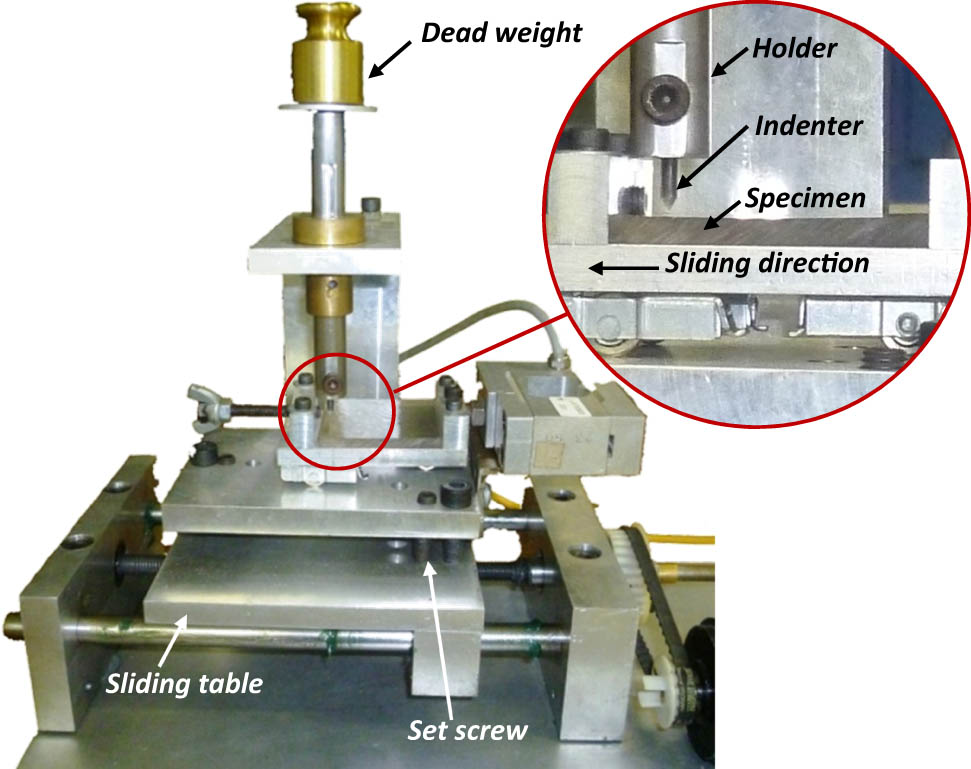
Open AccessDamage mechanisms of bismaleimide matrix composites under transverse loading via quasi-static indentationFebruary 16, 2023
-
Open AccessExperimental study on hydraulic fracture behavior of concrete with wedge-splitting testingMarch 3, 2023
-
March 10, 2023
-
April 13, 2023
-
April 13, 2023
-
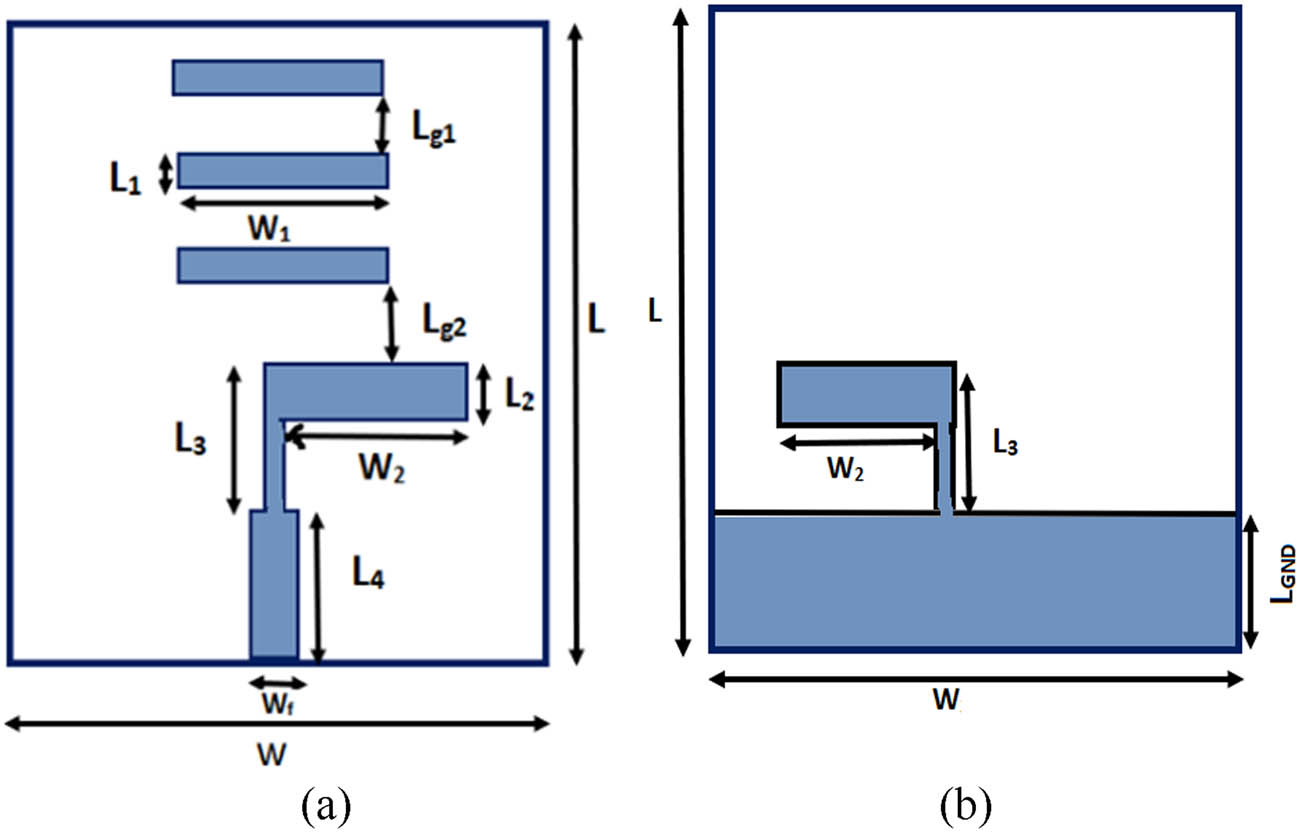
Open AccessA non-invasive method of glucose monitoring using FR4 material based microwave antenna sensorApril 13, 2023
-
Open AccessChloride ion transport and service life prediction of aeolian sand concrete under dry–wet cyclesApril 12, 2023
-
Open AccessMechanical and tribological properties of C/C–SiC ceramic composites with different preformsJune 8, 2023
-
June 9, 2023
-
July 4, 2023
-
July 5, 2023
-
August 14, 2023
-
August 28, 2023
-
Open AccessModeling and dynamic analysis of functionally graded porous spherical shell based on Chebyshev–Ritz approachSeptember 26, 2023
-
Open AccessFailure analysis of sandwich beams under three-point bending based on theoretical and numerical modelsOctober 4, 2023
-
October 19, 2023
-
Open AccessStudy on properties of recycled mixed polyester/nylon/spandex modified by hydrogenated petroleum resinOctober 26, 2023
-
November 11, 2023
-
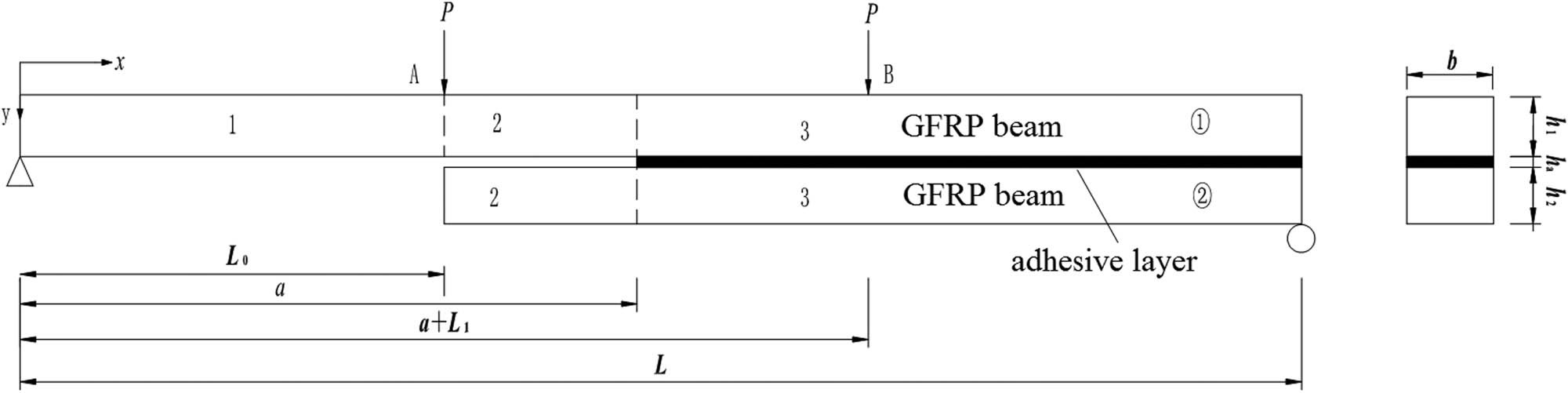
Open AccessFracture research of adhesive-bonded joints for GFRP laminates under mixed-mode loading conditionDecember 15, 2023
-
Open AccessInfluence of temperature and humidity coupling on rutting deformation of asphalt pavementDecember 22, 2023
- Review Articles
-
April 26, 2023
-
Open AccessDurability and microstructure study on concrete made with sewage sludge ash: A review (Part Ⅱ)June 12, 2023
-
June 20, 2023
-
Open AccessDurability and microstructure analysis of concrete made with volcanic ash: A review (Part II)July 24, 2023
- Communication
-
Open AccessCalculation of specific surface area for tight rock characterization through high-pressure mercury intrusionFebruary 27, 2023
- Special Issue: MDA 2022
-
Open AccessTailoring the optical and UV reflectivity of CFRP-epoxy composites: Approaches and selected resultsMarch 20, 2023
- Special Issue: CACMSE
-
July 24, 2023