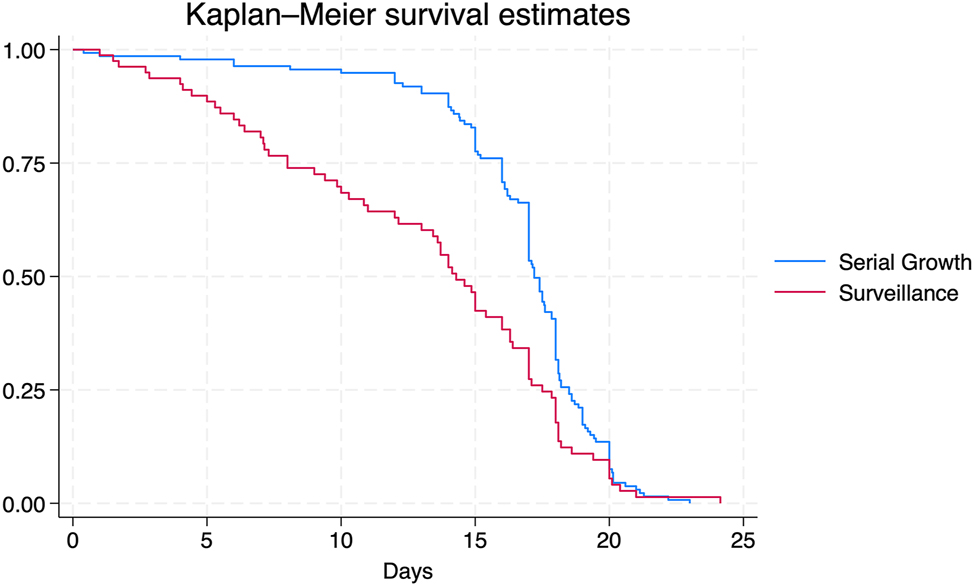
Objectives Antenatal testing is routinely recommended for high-risk pregnancies to reduce the risk of stillbirth, yet limited data guide counseling about likelihood of unscheduled iatrogenic delivery. We explored factors associated with clinical recommendations for unscheduled iatrogenic delivery prompted by antenatal testing and examined variables that influence obstetric outcomes. Methods In this retrospective cohort study, we identified singleton pregnancies undergoing serial testing in an academic system from January 2022-May 2023. Indications for testing, recommendations made at the final testing visit before delivery, and obstetric outcomes were obtained. Primary outcomes were unscheduled iatrogenic delivery <39 weeks and unscheduled iatrogenic delivery <37 weeks recommended at the final visit. Stepwise regression models assessed associations between demographics, testing indications, and outcomes. Results A total of 3,959 patients were included. 11.3 % (n=447) were recommended for delivery based on findings identified at their final testing visit. Of these, 352 patients (8.9 %) underwent unscheduled iatrogenic term delivery <39 weeks, and 156 (3.9 %) underwent unscheduled iatrogenic preterm delivery <37 weeks. After adjustment for confounders, chronic hypertension, hypertensive disorders of pregnancy, fetal growth restriction, and other fetal indications were associated with both primary outcomes. Only 40 % of delivery recommendations were triggered by an abnormal test (NST, mBPP, BPP); most were prompted by other clinical concerns identified during testing encounters. Conclusions Patients undergoing antenatal testing should be counseled about the meaningful likelihood of an unscheduled iatrogenic delivery recommendation. Because most recommendations arise from clinical issues unrelated to the testing results themselves, our findings may help clinicians guide shared decision-making around testing frequency and protocols.
Issue
Open Access
Ahead of Publication / Just Accepted
Contents
-
March 3, 2026
-
March 19, 2026
-
January 28, 2026
-
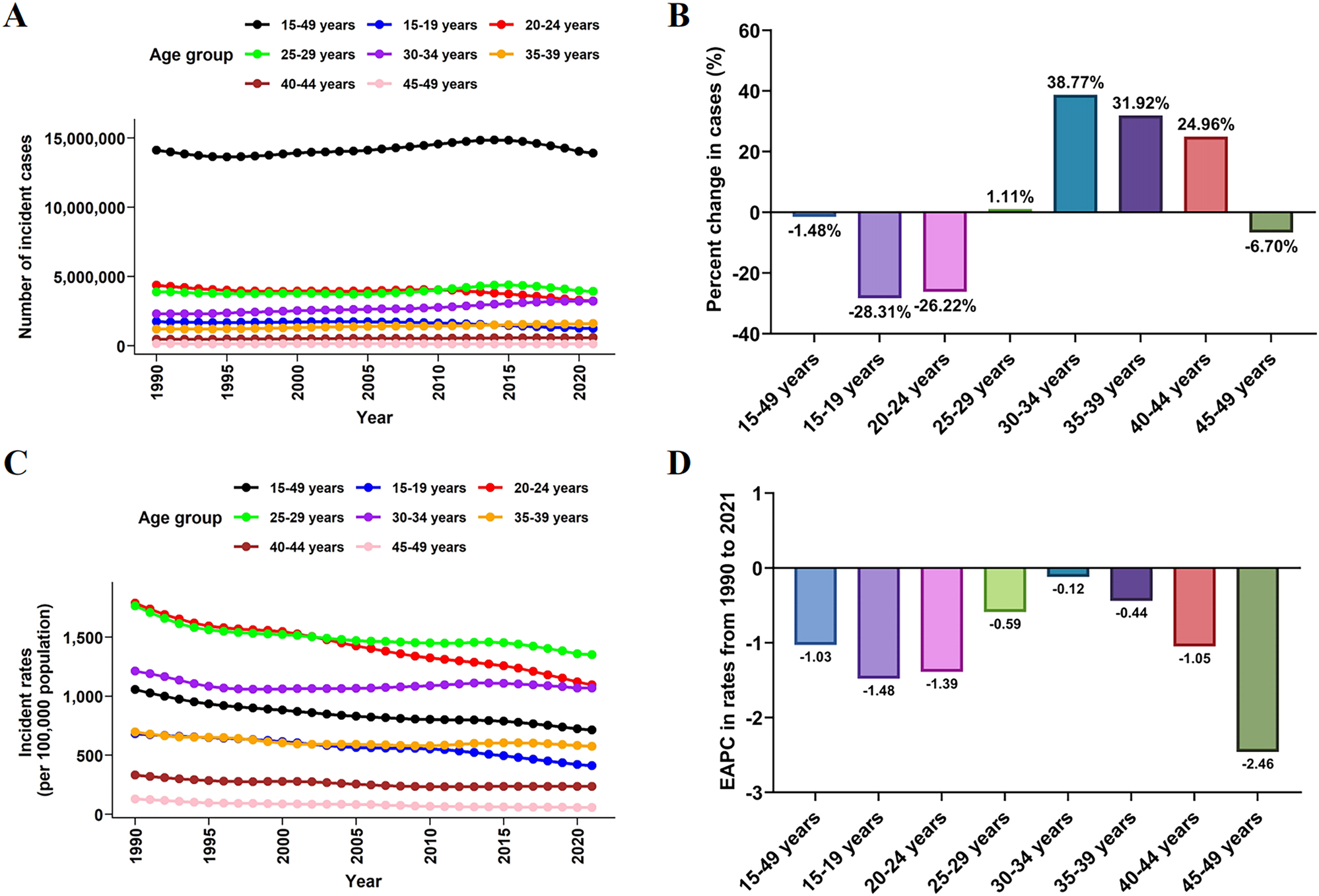
Open AccessMaternal hemorrhage among women aged 15–49: declining incidence but increasing global gapsFebruary 2, 2026
-
Open AccessDeclining but uneven: global evolution of maternal hemorrhage burden and its future trajectoryJanuary 28, 2026
-
December 3, 2025
-
November 21, 2025
-
February 26, 2026
-
March 6, 2026
-
August 22, 2025
-
February 19, 2026
-
February 25, 2026
-
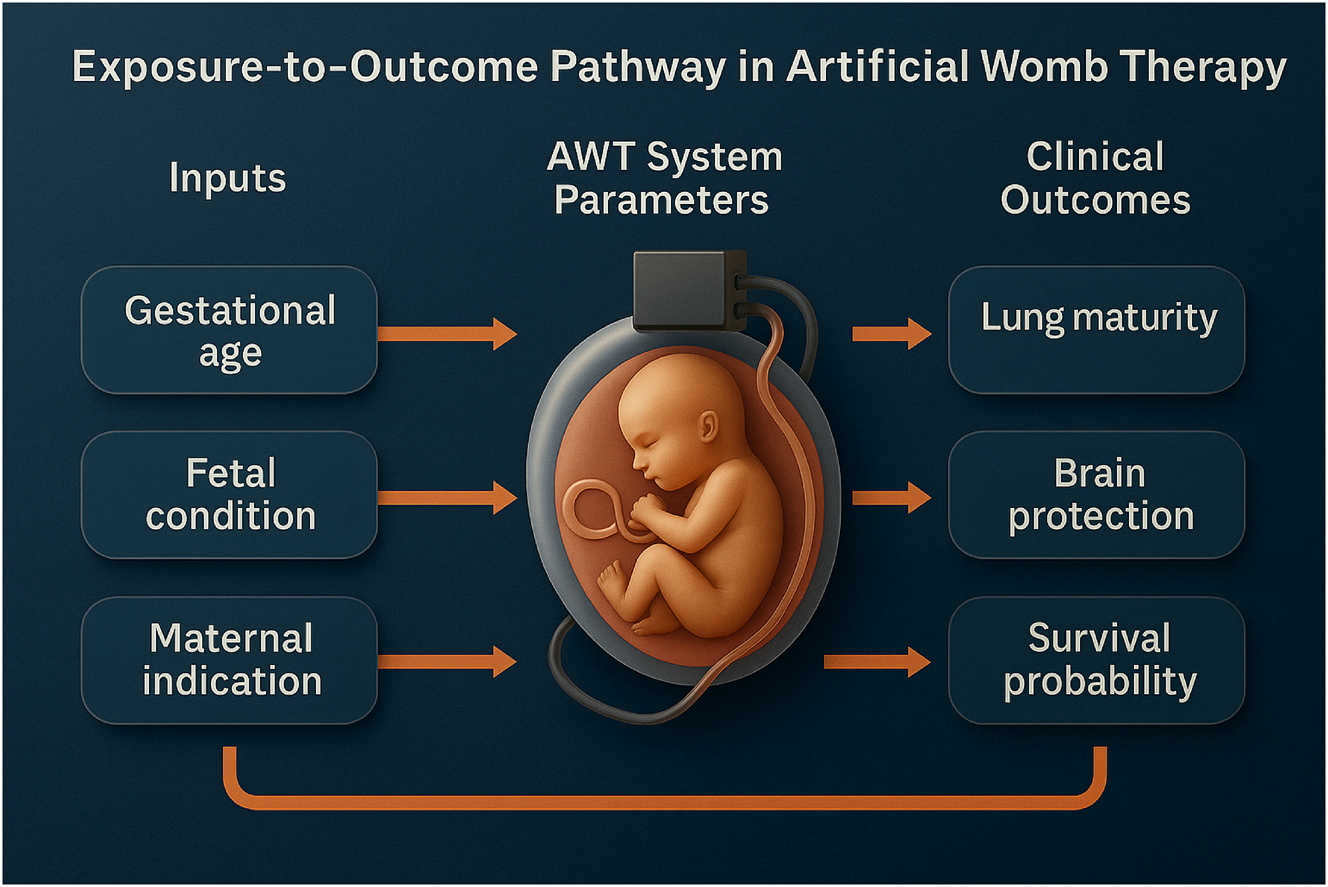
Open AccessArtificial wombs in perinatal medicine: a transformative frontier in neonatal care and bioethicsOctober 13, 2025
-
September 24, 2025
-
Open AccessMaternal and fetal outcomes in patients with Crohn’s disease: a population-based cohort studyFebruary 17, 2026
-
Open AccessFighting preterm birth with the scalpel: lessons from a decade of total cervical occlusionFebruary 16, 2026
-
August 26, 2025
-
March 6, 2026
-
Open AccessEx-utero intrapartum treatment of a breech fetus: a case report and review of the literatureFebruary 16, 2026