Effect of Temperature on the Structure and Filtration Performance of Polypropylene Melt-Blown Nonwovens
-
Si Cheng


Abstract
By applying the simultaneous corona-temperature treatment, the effect of electret temperature on the structure and filtration properties of melt-blown nonwovens was investigated. Fiber diameter, pore size, thickness, areal weight, porosity, crystallinity, filtration efficiency, and pressure drop were evaluated. The results demonstrated that some changes occurred in the structure of electret fabrics after treatment under different temperatures. In the range of 20°C~105°C, the filtration efficiency of melt-blown nonwovens has a relationship with the change in crystallinity, and the pressure drop increased because of the change in areal weight and porosity. This work may provide a reference for further improving filtration efficiency of melt-blown nonwovens.
1 Introduction
Emerging environmental problems, especially fine particle pollution (<2.5 μm, promulgated by the US Environmental Protection Agency) can cause great harm to human health such as to respiratory tract and extra pulmonary organs [1,2,3,4]. Currently, air filtration is one of the most direct and effective methods for resolving particulate pollutants, and the key is air filtration materials. There are many varieties of nonwoven filter materials, and the diversity of the production process makes it applicable to different fields [5]. Melt-blown nonwoven materials are widely used in air filtration because of their fine fibers, large surface area, high porosity, and good filtration characteristics [6,7,8].
At present, the research on how to improve the filtration performance of melt-blown nonwovens mainly focuses on two aspects. One is improved from the structure of nonwoven fabric [4, 9]. Deng et al. [3] successfully fabricated multi-scale micro/nanofibers membrane by one-step melt-blown technique. Soltani and Macosko [9] used the islands-in-the-sea approach to prepare nanofiber melt-blown nonwovens. However, these methods have some shortcomings such as having large filtration resistance and increasing energy consumption. The other is combined with electret technology. Electret technology is an electric field poling method that via a corona charging system with adjustable electric field provides charge to fabrics. Electret filters not only include the traditional dust trapping way (interception effect, inertance effect, diffusion effect, gravity effect) but also can absorb dust particles by electrostatic force (electrostatic effect) [10,11,12]. It has been broadly demonstrated that electret filter material with electrostatic charges added on fibers will improve particle collection efficiency without increasing the filtration resistance [13,14,15]. There are plenty of research for corona charging. Shu et al. [16] studied the electret technology of air filtration material and found that charging voltage, followed by charging speed and distance, are the main factors to affect the filtration efficiency. Brochocka et al. [17] used polypropylene (PP) admixed with additives with varying electrostatic potentials, and the results proved that electrostatic forces of nonwovens are strengthened. Chang et al. [18] developed a two-layer charged composite filter and found that it had a high figure of merit and a better holding capacity for PM2.5 (particle size < 2.5 μm). However, few studies have been done on combining corona charging with temperature. Zhang et al. [19] investigated the electromechanical performance of cellular PP electrets charged at a high temperature (≥100°C). Ji et al. [20] studied the charge storage and its stability of corona-charged PP nonwoven fabric treated with a high temperature (≥90°C), and the results showed that charge storage and its stability were improved. However, little attention was paid to the effect of electret temperature on structure and filtration performance of PP melt-blown nonwovens. According to Zhong-Bao J’s research, we assumed that charged at a high temperature (≥70°C), PP melt-blown nonwovens may increase their filtration efficiency.
Herein, in this report, we applied the method of simultaneous corona-temperature treatment, that is to say, applying external temperature treatment while polarizing. The simultaneous corona-temperature treatment first activates the dipole in the dielectric material at a high temperature (≥70°C). Under the action of the electric field force, the dipoles are aligned along the direction of the electric field, and the electric field is maintained until the dielectric material is cooled to a certain low temperature, so that the originally activated dipole inside dielectric material is frozen, and in addition, a complicated charging phenomenon may occur between the electrode and the dielectric material under the action of an applied electric field. The electret thus formed contains a space charge and a dipole charge [21].
The material has a specific melting point, and it requires a certain amount of energy to accelerate its chemical structure change and increase the quantity of formed dipole within the electrets. Considering the integrity of the fabric, we choose a temperature range of 70–110°C. Therefore, we chose corona charging fabric as the control group; the other groups were treated with the simultaneous corona temperature. Here the effect of electret temperature (the temperature applied during the electret process is called electret temperature) on structure and filtration performance was investigated. At this time, corona charging fabric was charged under indoor condition without external temperature, and for the convenience of discussion, we would mark the electret temperature of corona charging fabric as room temperature. The only difference between all samples was the difference in the electret temperature.
2 Materials and methods
2.1 Materials
The raw material used was modified PP with a melt index of 1500 g/min. On the same bases of the melt-blown process and electret process and changing electret temperature, ten kinds of sample were fabricated. The melt-blown PP electret fabrics were produced using the melt-blown installation in Zhejiang Zhaohui Filter Technology Co. Ltd. We chose corona charging fabric (room temperature) as the control group; the other groups were treated with the simultaneous corona temperatures of 70, 75, 80, 85, 90, 95, 100, 105, and 110°C. Indewlling time in the corona chamber was 5 seconds, and the winding speed was 26 Hz.
2.2 Methods
The electret samples were formed via a corona charging system with the adjustable electric field to provide charge to PP fabrics [22]. When corona poling was performed at room temperature, the corona system was not heated. For the convenience of discussion, we recorded the room temperature as 20°C. Schematic diagram of the corona charging system is shown in Figure 1.
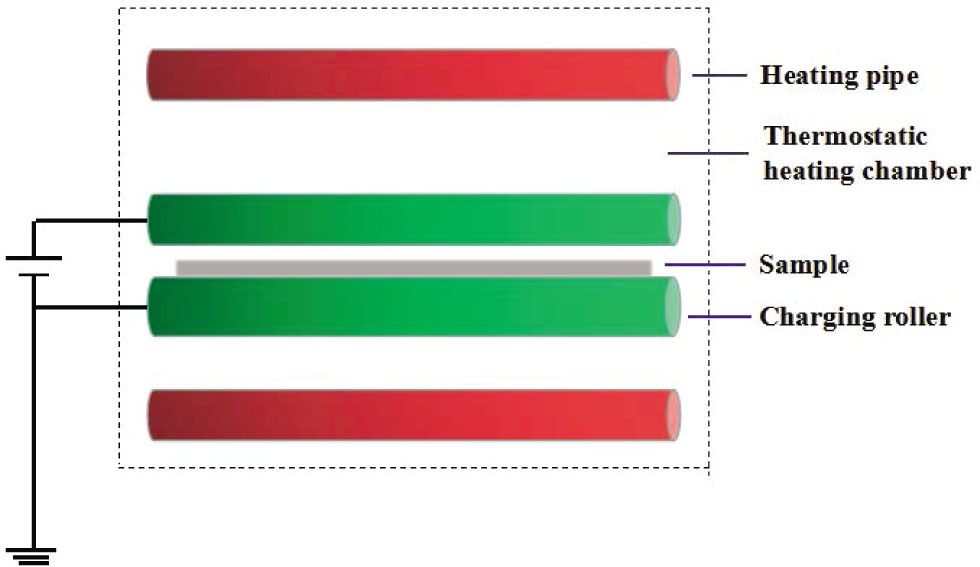
Schematic diagram of the corona charging system.
The surface morphology of samples was observed using a scanning electron microscope (JSM-5610LV, Japan). The fiber diameters were calculated using the software Image J by measuring 100 fibers using the scanning electron microscope (SEM) images.
The pore structure of samples was investigated using a capillary flow porometer (CFP-1100-AI, Porous Materials Inc., USA) based on the bubble point test.
The thickness of samples was investigated using digital fabric thickness gauge (YG(B)141D, China) according to the test standard: “GB T 24218.2-2009 Textile nonwoven fabric test method Part 2 thickness determination”. Ten measurements for each sample were carried out.
The area density is the mass per unit area. The areal density of samples was calculated according to equation (1):
where ρA is the areal density (g/m2) and m is the mass (g) measured by an electronic scale (ML503/02, USA). Ten measurements were taken.
The porosity of the fabric can be calculated by the mass-density method. The mass of the sample is divided by the density of the raw material to obtain the true volume of the fiber. The specific calculation formula is as follows [23]:
In equation (2), M is the average mass of the sample (g), ρ is the density of raw material (g/cm3), and Vd is the absolute volume (true volume) of the fiber in the fabric (cm3). In equation (3), l is the sample length (cm), S is the sample width (cm), d is the thickness (cm) of the sample measured at a specified pressure, and Vd is the bulk volume of fabric at nominal thickness (cm3). In equation (4), C is the porosity of the fabric.
Crystallization performance of the fabric was measured using X-ray diffractometer (ARL X'TRA, Switzerland) with the scanning angle 5°–55° and the scanning speed 2°/min, and the crystallinity was calculated using the software Jade.
The filtration efficiency and the pressure drop of the fabric were evaluated using a custom-design automatic filter tester. The measured fabric area was 100 cm2. The aerogel was sodium chloride with a particle size of 0.3 μm, and the measured filtration rate was 5.33 cm/s (flow rate was 32 L/min). Three measurements were taken for each sample.
3 Results and discussions
3.1 Fiber diameter of samples
Fiber diameter is one of the basic structural parameters of fiber-based air filter materials, and it will directly affect the pore size, porosity, and pore structure of the materials, which will affect the filtration efficiency and air resistance of the materials [24]. The SEM image and the fiber diameter distribution of the fabric charged at 20°C are respectively shown in Figures 2 and 3; we can find that the fiber is fine and the fiber diameter in the range of 1–2 μm accounts for 75%.
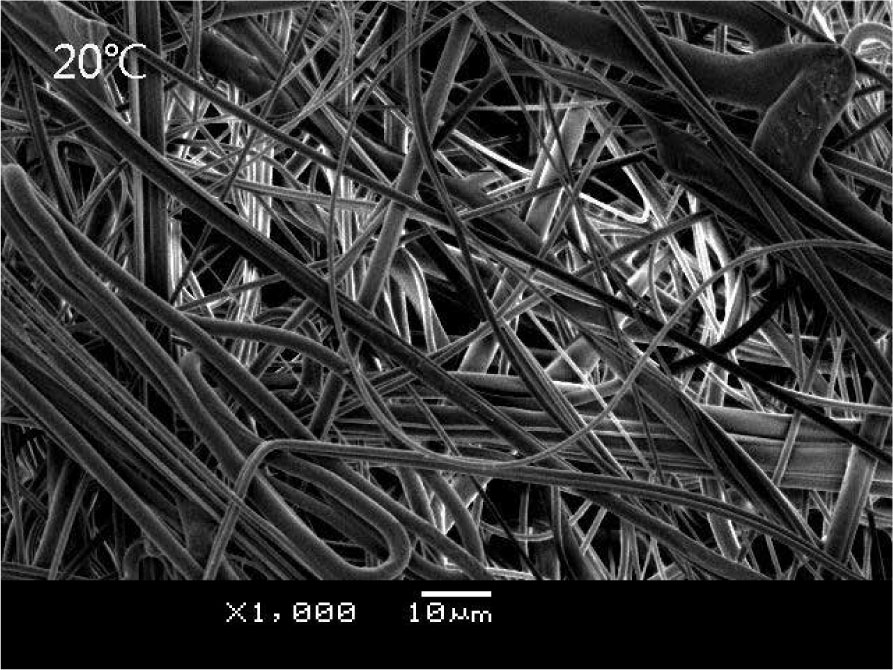
SEM of fabric charged at 20°C.
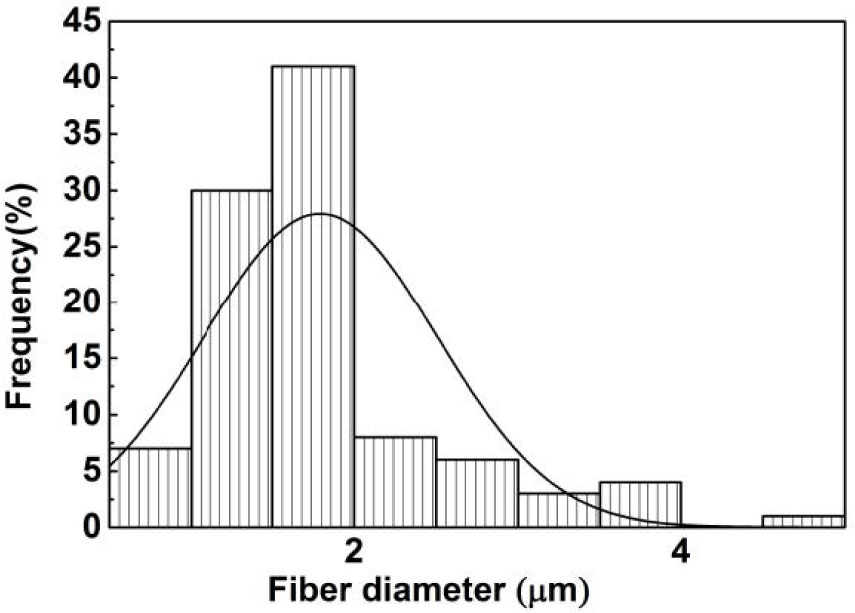
Fiber diameter distribution of fabric charged at 20°C.
It can be seen from Figure 2 that the fibers in the melt-blown nonwoven fabric charged at 20°C are disorderly arranged to form a three-dimensional network structure. When the external temperature is applied (Figure 4), the surface morphology of fabrics has a relatively serious phenomenon of melting and agglomeration, and the pore of the three-dimensional structure is blocked, which in some extent destroys the surface structure of fabrics.
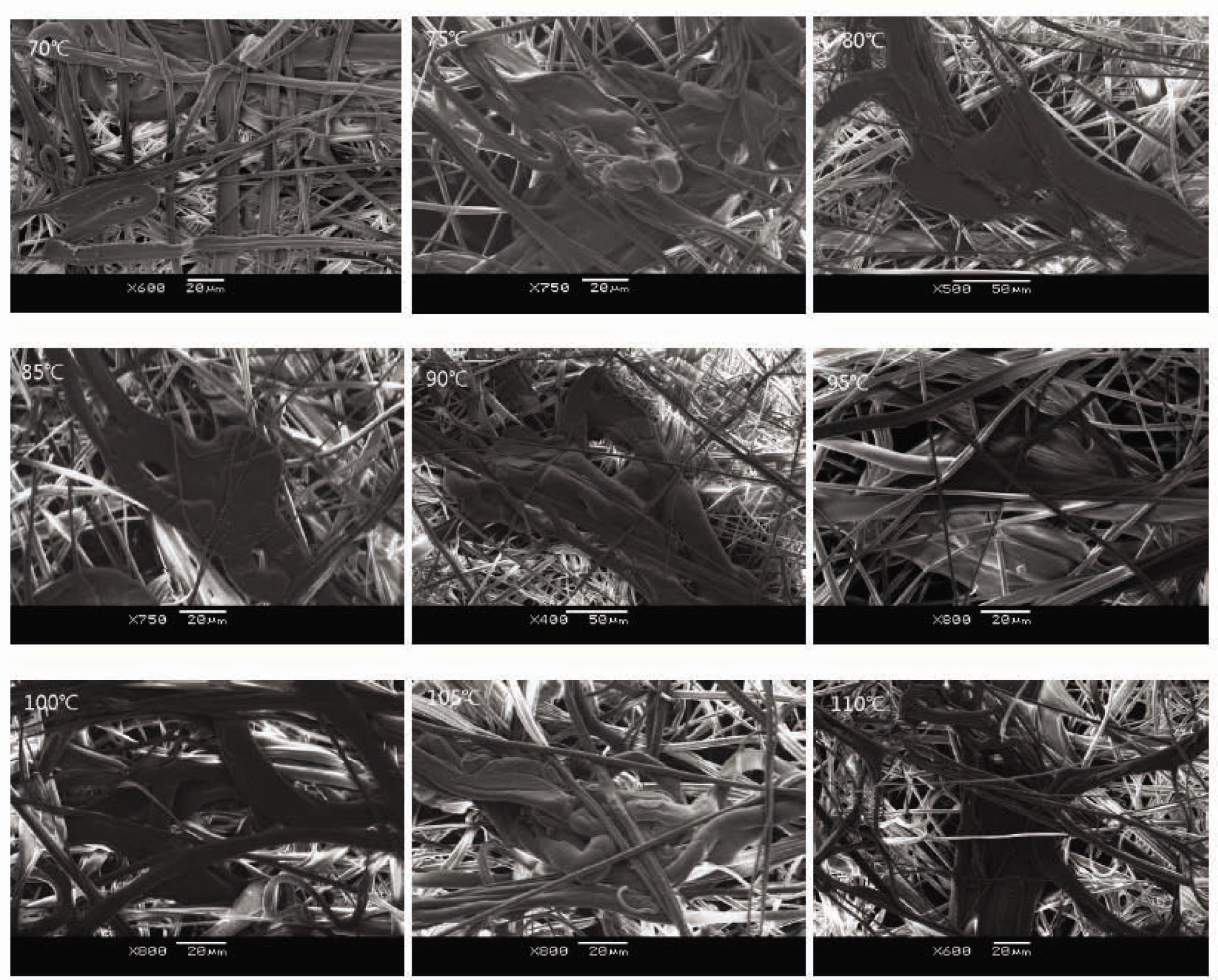
SEM images of fabric charged in the range of 70–110°C.
The average diameters are shown in Table 1. No visible change in the fiber diameter is found with the increase in the electret temperature. This was because the refinement of the fiber mainly occurs near the nozzle of the die during the production of the melt-blown nonwoven fabric.
The fiber diameters of all samples
| Electret temperature (°C) | 20 | 70 | 75 | 80 | 85 |
| Fiber diameter (mm) | 1.79±0.71 | 1.75±0.61 | 1.82±0.65 | 1.79±0.61 | 1.82±0.79 |
| Electret temperature (°C) | 90 | 95 | 100 | 105 | 110 |
| Fiber diameter (mm) | 1.87±0.72 | 1.96±0.95 | 1.62±0.64 | 1.64±0.79 | 2.03±0.98 |
3.2 Pore size and distribution of samples
Park et al. [25] studied the effect of different pore sizes and pore size distribution on fiber filtration performance. The results showed that air filtration materials with smaller pore size and uniform pore size distribution have better filtration efficiency. As shown in Figure 5, more than 95% of the pore size was mainly concentrated between 3 μm and 14 μm when the fabric was charged at 20°C.

Pore size and distribution of the sample charged at 20°C.
Figure 6 displays that temperature treatment broadens the range of the pore size distribution of the fabric from 3–14 μm to 3–17 μm. We can see that all samples have a finer fiber diameter (Table 1). Generally, finer fibers would form a finer pore size and more uniform pore size distribution; however, during the process of charging at a high temperature (≥70°C), the formed melt-blown nonwoven fabric was heated again and the finer fibers were more easily melted; there were many molten beads attached to the fiber (Figure 7), resulting in the pore size becoming slightly larger.
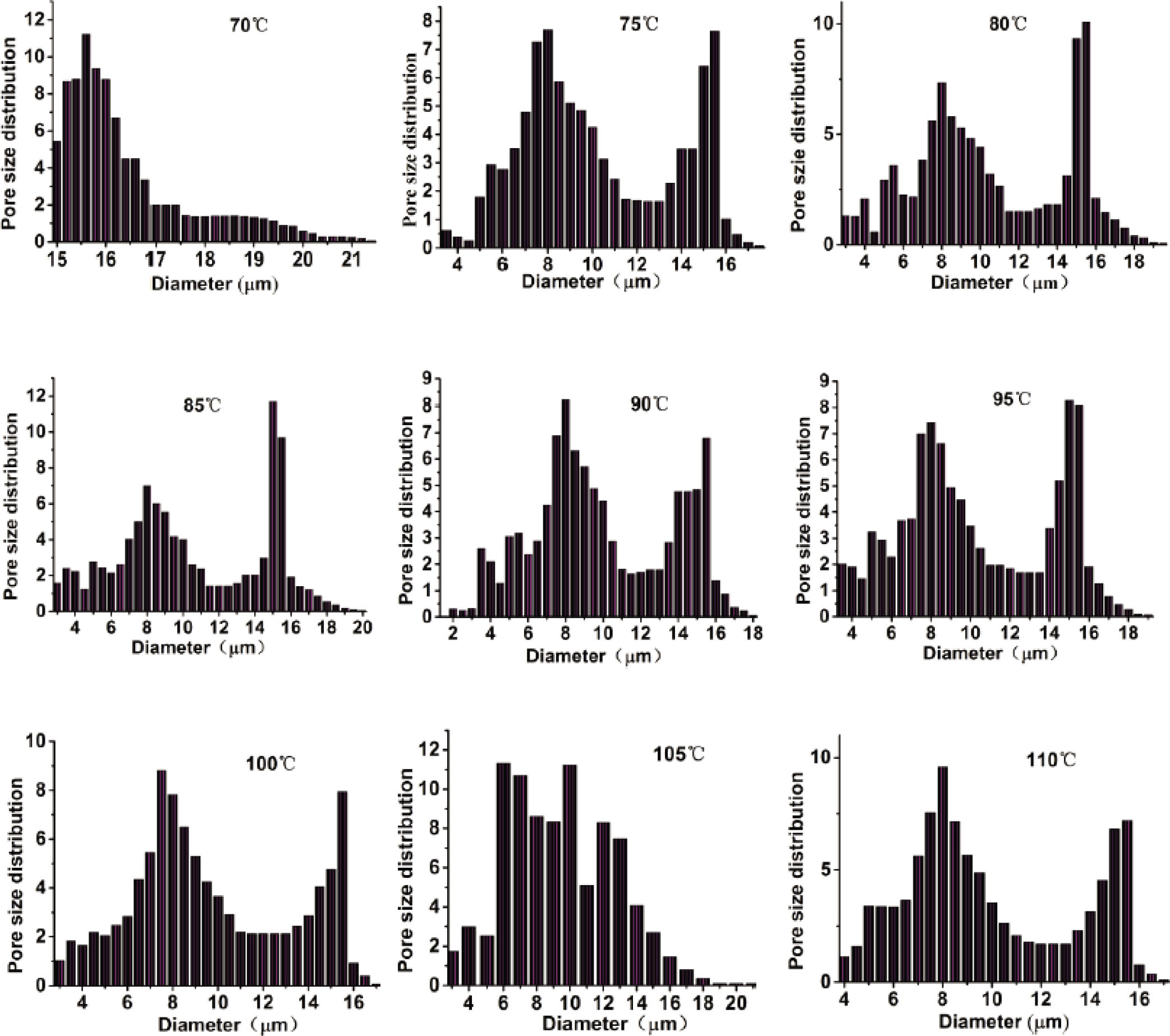
Pore size and distribution of samples charged in the range of 70–110°C.
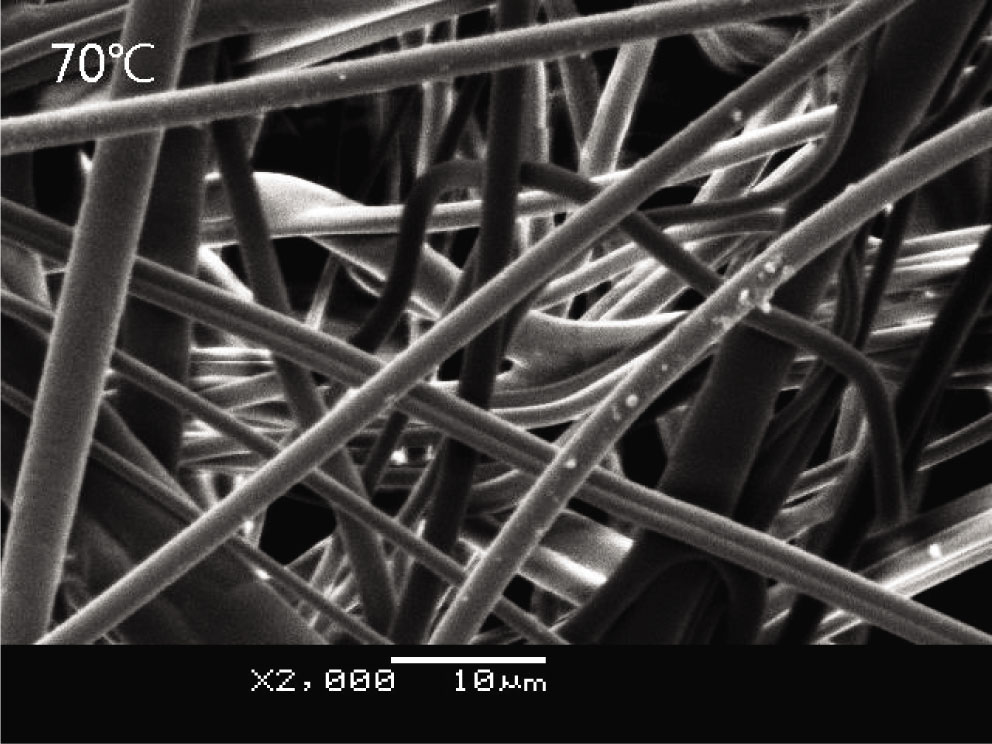
SEM of the sample charged at 70°C.
The mean pore diameters further confirmed the conclusion. All samples charged in the range of 70–110°C have a larger mean pore diameter than those charged at 20°C.
3.3 The thickness and areal weight of samples
As shown in Table 3, as the electret temperature increased, the thickness first increased and then decreased, but the variation was not large, between 0.2 and 0.24 mm.
The mean pore diameter of samples
| Electret temperature (°C) | 20 | 70 | 75 | 80 | 85 |
| Mean pore diameter (mm) | 8.437 | 16.047 | 9.16 | 9.901 | 9.982 |
| Electret temperature (°C) | 90 | 95 | 100 | 105 | 110 |
| Mean pore diameter (mm) | 9.312 | 9.639 | 9.040 | 9.089 | 9.078 |
Thickness of samples
| Temperature (°C) | 20 | 70 | 75 | 80 | 85 |
| Thickness (mm) | 0.20±0.01 | 0.24±0.01 | 0.23±0.01 | 0.23±0.01 | 0.23±0.01 |
| Temperature (°C) | 90 | 95 | 100 | 105 | 110 |
| Thickness (mm) | 0.23±0.01 | 0.23±0.01 | 0.22±0.02 | 0.22±0.01 | 0.20±0.01 |
As shown in Figure 8, the smallest areal weight of samples charged at 20°C was 18.31 g/m2; the areal weight of samples charged in the range of 70–95°C stayed at approximately 27 g/m2. The areal weight continued to increase when the temperature continued to rise. When the electret temperature was low (at 70°C), the fiber shrunk by heat, the width of the fabric became narrow, and the thickness and the areal weight increased. As the temperature continued to rise (>70°C), the shrinking fibers continued to melt and became fluid adhering to the fiber web, which became flat after cooling (Figure 4), so the thickness decreased while the areal weight continued to rise.
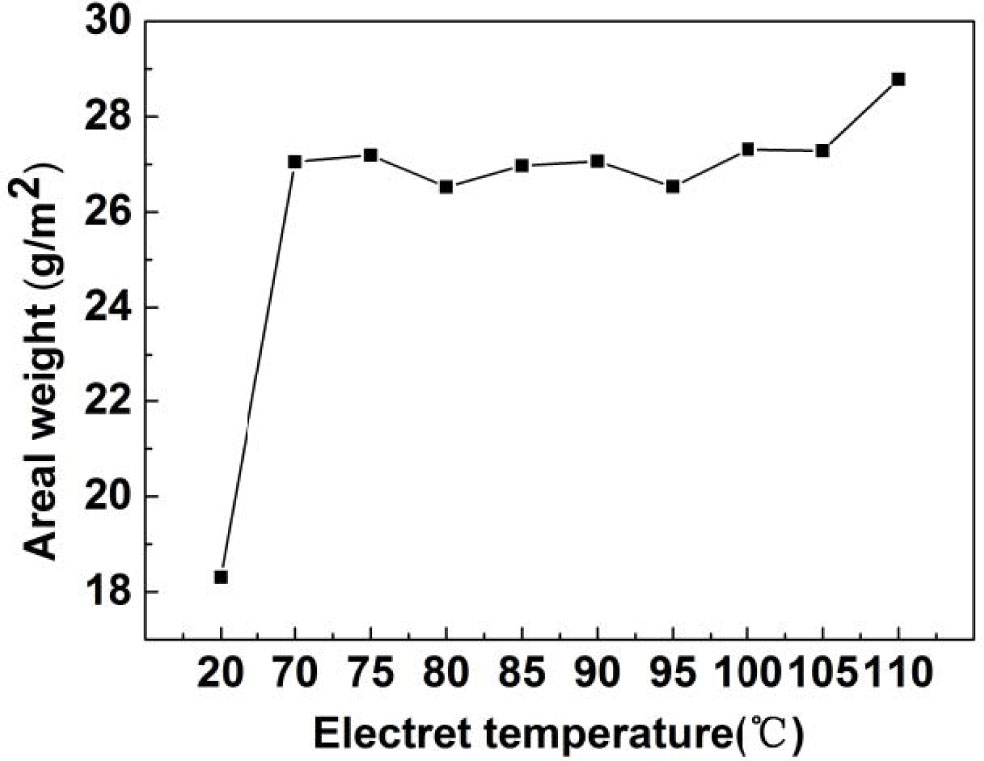
The areal weight of the fabric varied with the electret temperature.
3.4 The porosity of samples
The porosity of the fiber assembly refers to the ratio of the pore diameter inside the fiber filter material to the fiber body structure. The porosity of the fabric decreased with the increase in the electret temperature (Figure 9). The porosity at 20°C was the highest, reaching 89.94%; the porosity was relatively stable and stayed at approximately 87% when the electret temperature was in the range of 70–95°C. When the temperature continued to rise, the porosity dropped significantly. For the melt-blown filter material, under the premise of a certain pore size, the porosity will affect the amount of air per unit time, which will affect its pressure drop [26].
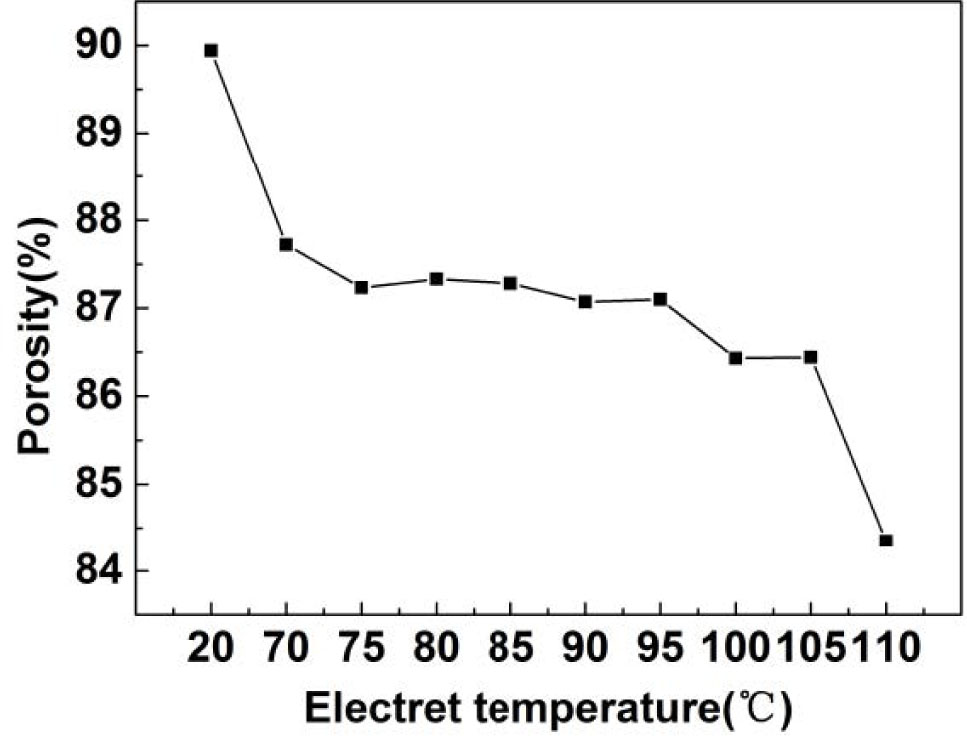
The porosity varied with the electret temperature.
The change in porosity further confirmed the conclusion, which is also the cause of variations in thickness and areal density with the electret temperature. As shown in Figure 4, when the temperature rises, the shrinking fibers continue to melt and adhere to the fiber web, which becomes solidified after cooling, and the hole around the melting fiber will be blocked. Thus, porosity decreased with increasing temperature.
3.5 The crystallinity of samples
The X-ray images of samples charged at 20–75°C and 100–110°C are shown in Figures 10 and 11, respectively. The fabric charged at 20°C exhibits four diffraction peaks, which appeared close to diffraction peaks of the 110, 040, 130 and 041 crystal planes of the PP α-crystals in the vicinity of 13.9°, 16.8°, 18.5°, and 22°, respectively [27], indicating the presence of the α-crystals; however, the weak intensity of the diffraction peak indicated that the α-crystals were less. At 70°C, the signal of the diffraction peak became strong, but its peak was not sharp. Starting from 75°C, the diffraction peak of the fabric became sharp, indicating that the α-crystals of the fiber were growing. When the temperature was between 100° and 110°C, the diffraction peak became sharper and the α-crystals growth in the fiber was perfect.
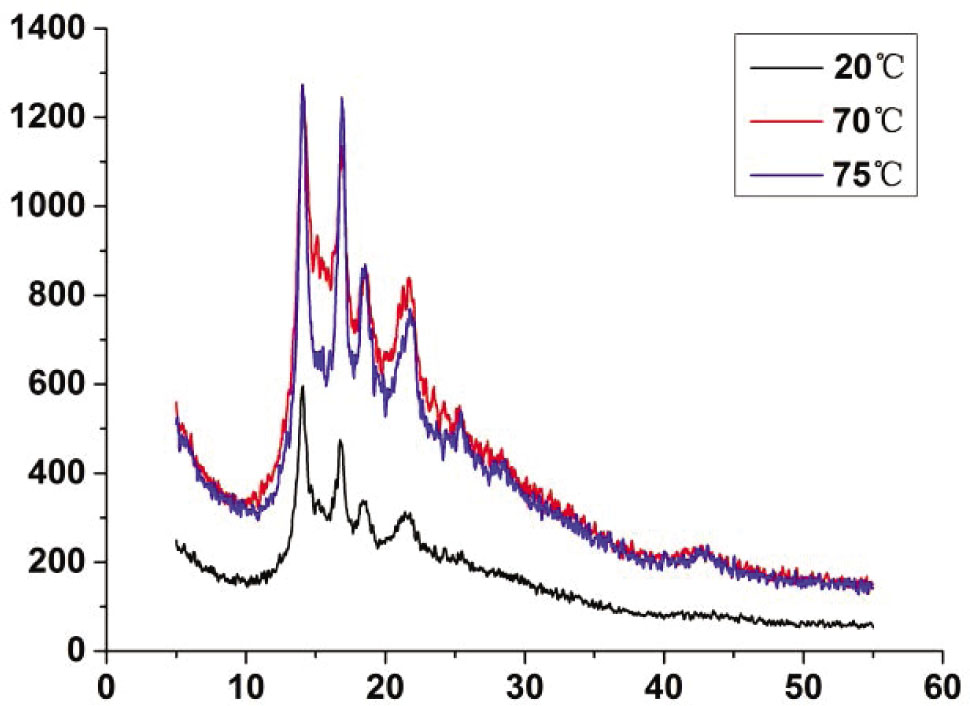
The X-ray image of the sample charged at 20, 70, and 75°C.
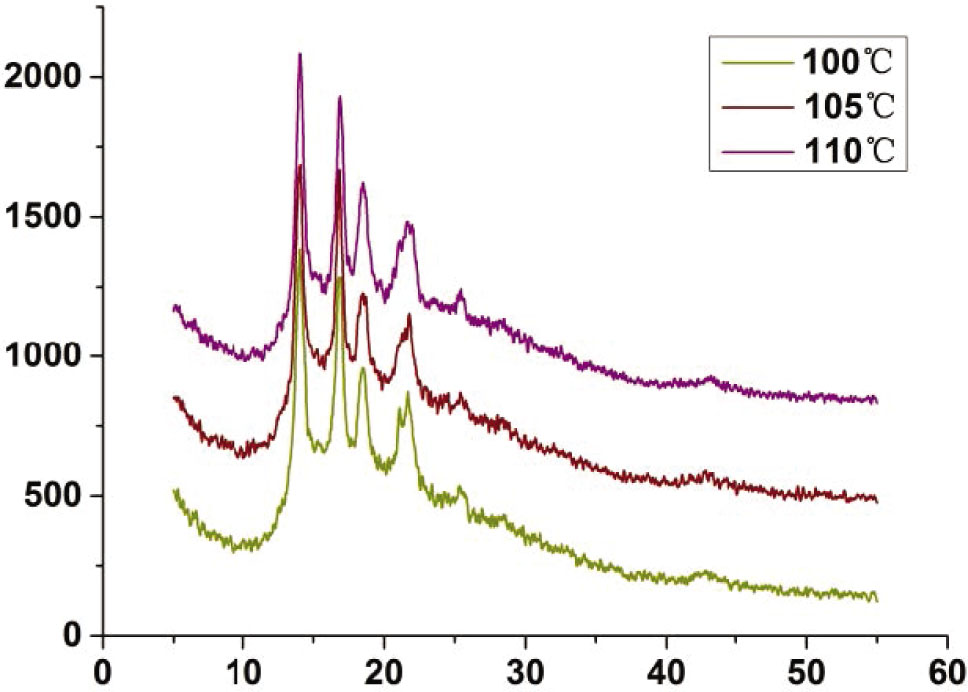
The X-ray image of the sample charged at 100, 105, and 110°C.
The X-ray patterns of samples are shown in Figure 12, and the corresponding crystallinity is given on the right. It can be observed that the lattice plane (110) appears at around 14.2°. This is in good agreement with the a-crystals. Therefore, we speculate that the fibers were predominately crystallized into a-crystals. The crystallinity is 20.56% for the sample charged at 20°C, while the crystallinity of the samples charged at 70, 75, 80, 85, 90, 95, 100, and 110°C are 28.67%, 41.12%, 43.05%, 45.09%, 43.78%, 36.67%, 47.23%, 48.86% and 51.48%, respectively. These results indicate that electret temperature treatment can improve crystallinity.
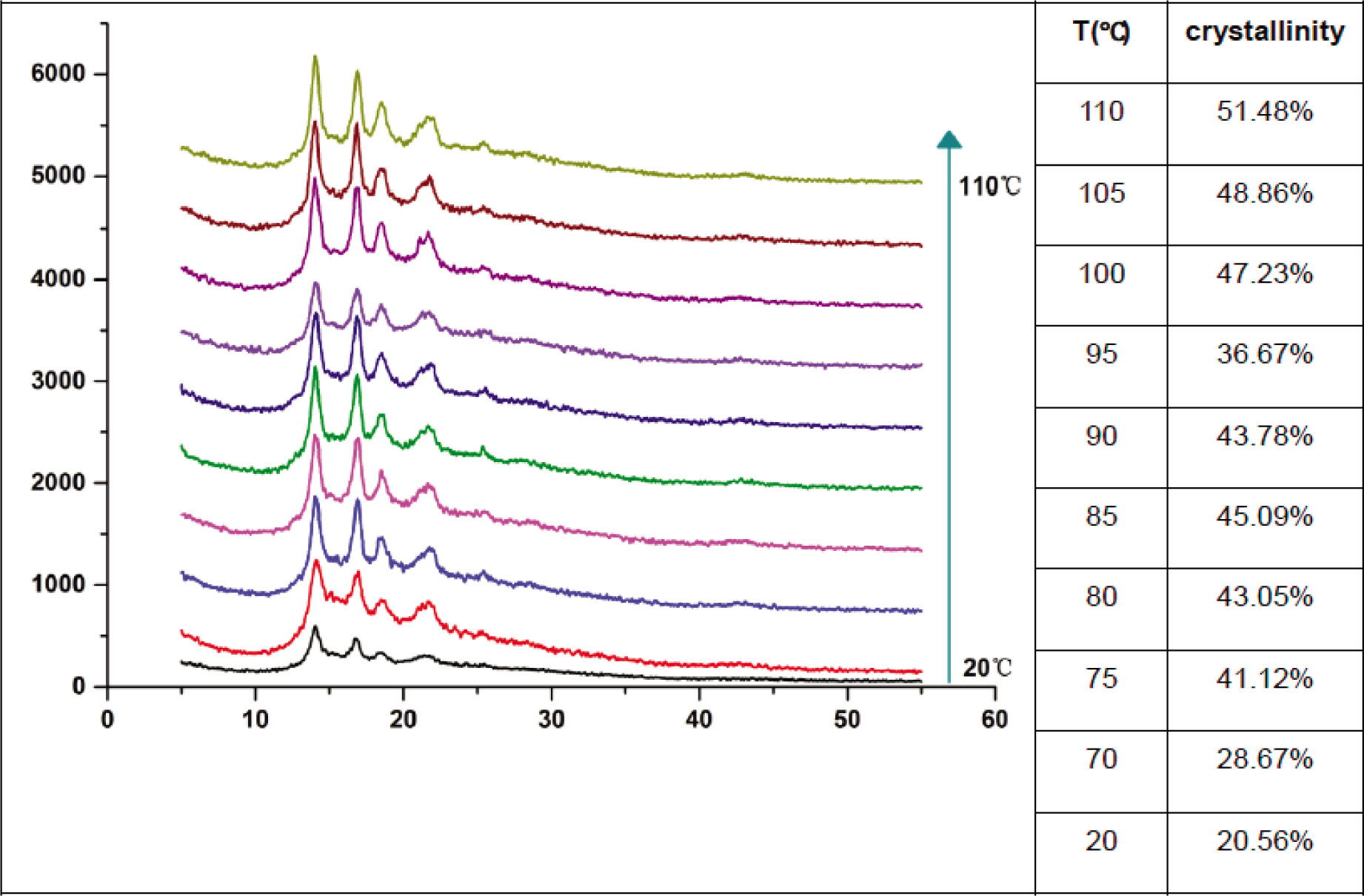
The X-ray image of all samples.
3.6 Filtration performance
3.6.1 Pressure drop
As shown in Figure 13, the pressure drop at 20°C was the lowest. With the increase in temperature, the filtration resistance stayed at approximately 38 Pa.
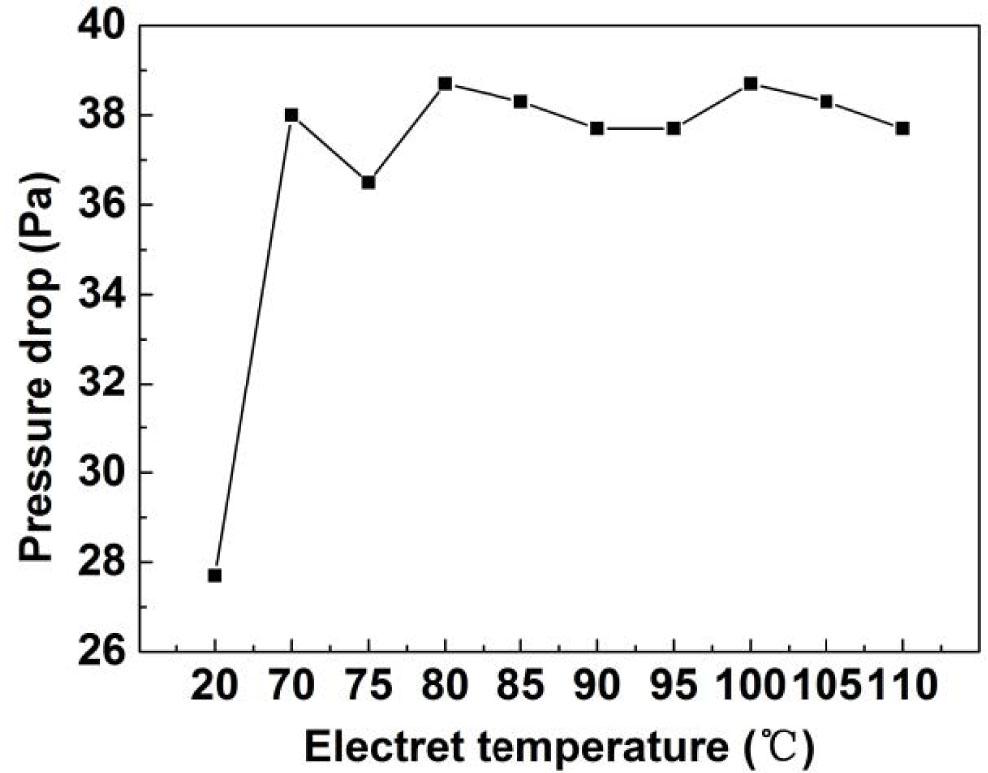
The pressure drop varied with the electret temperature.
From Figure 14, we can see that the trend of the fiber diameter varying with the electret temperature is opposite to the tendency of filtration resistance changing with the electret temperature, that is to say, the pressure drop increased (decreased) when the fiber diameter decreased (increased), and this phenomenon corresponds with the theory. We know that the areal density and porosity are two primary factors to affect the filtration resistance of melt-blown filter materials. The pressure drop would increase when the areal weight increased and the porosity decreased. From Figures 15 and 16, we can conclude that the increase in pressure drop is due to the increase in areal weight and the decrease in porosity.
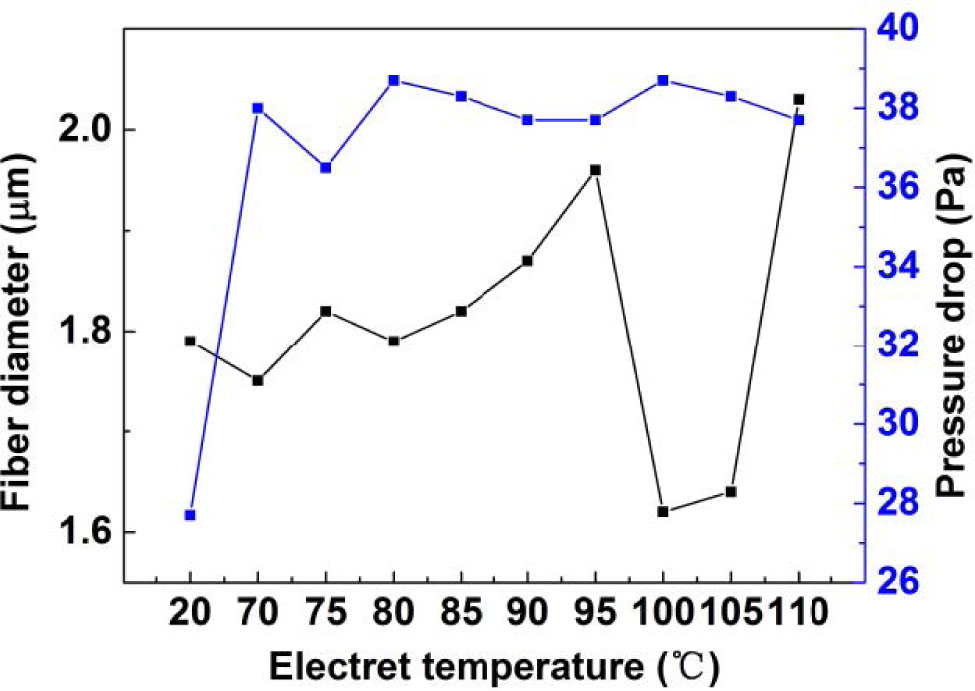
The fiber diameter and pressure drop varied with the electret temperature.
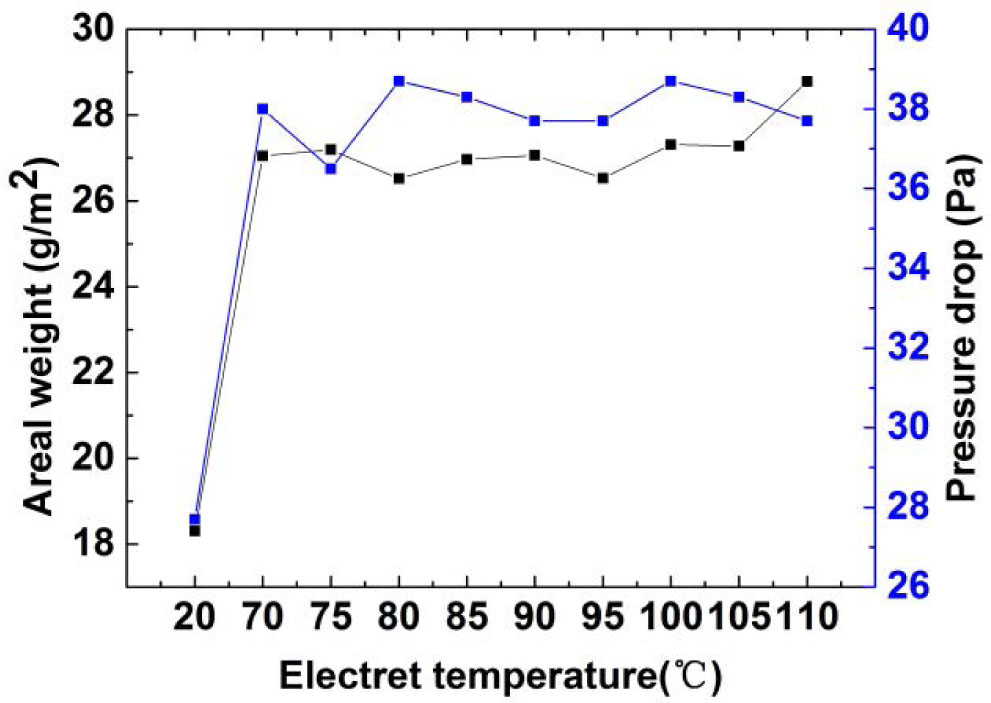
The areal weight and pressure drop varied with the electret temperature.
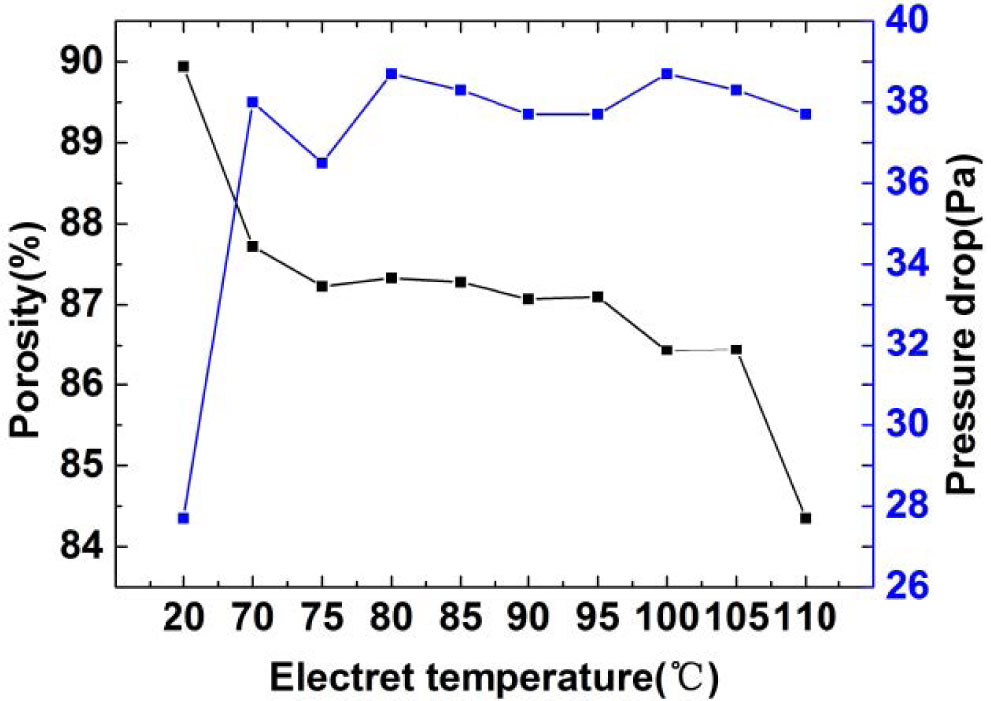
The porosity and pressure drop varied with the electret temperature.
3.6.2 Filtration efficiency
In Figure 17, with the increase in temperature, the filtration efficiency fluctuated up and down; the filtration efficiency kept above 96% when the temperature was in the range of 20–105°C and dropped significantly when the temperature continued to rise.
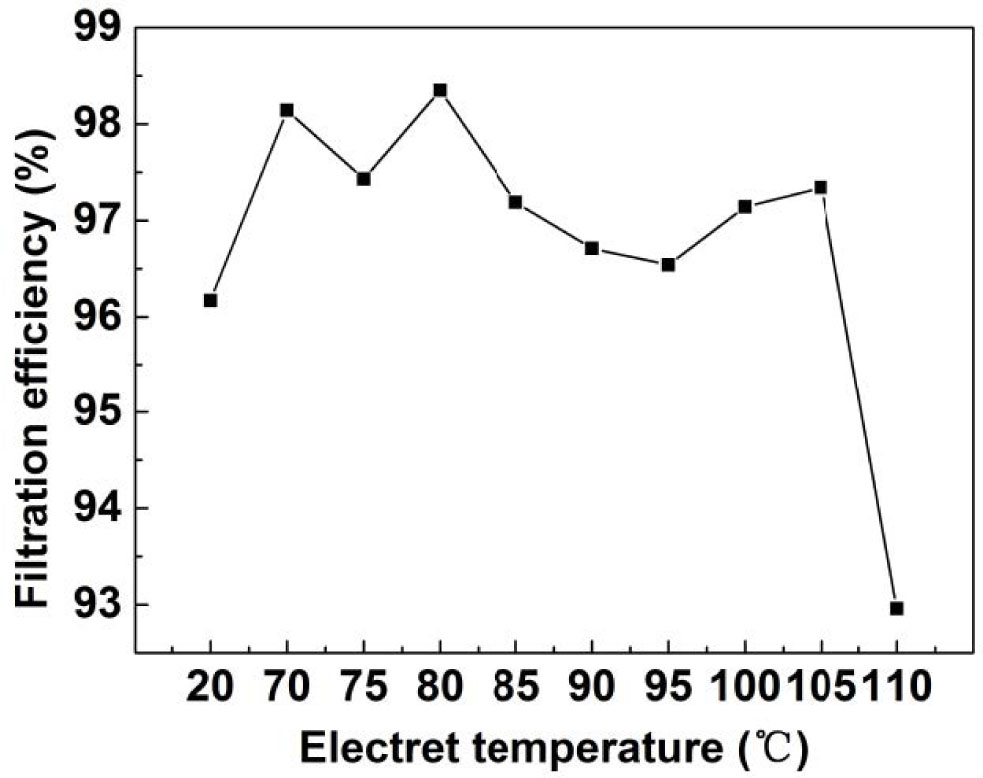
The filtration efficiency varied with the electret temperature.
In Figure 18, we can clearly see the change in fiber diameter and filtration efficiency with the electret temperature. The filtration efficiency increased (decreased) when the fiber diameter decreased (increased), which also corresponds with the theory. In general, the filtration efficiency will decrease with the decrease in thickness and surface density. In the range of 20–105°C, Figure 19 presents that the trend of thickness and filtration efficiency almost keeps consistent, except at 80 and 100°C, in which the thickness decreased but the filtration increased. Figure 20 displays that the trend of areal weight and filtration efficiency almost keeps consistent, except at 80°C. Combined with Figure 21, we find that at 20–85°C, the crystallinity increased, and the filtration efficiency fluctuated up and down. However, as shown in Table 4, we can find that the difference in filtration efficiency between the four samples (70, 75, 80, and 85°C) is very small. We can roughly think that at 20–85°C, the filtration efficiency increased with the increase in crystallinity. At 85–95°C, the areal weight remained relatively stable, the thickness decreased, the crystallinity decreased, and the filtration efficiency decreased. At 95–105°C, the areal weight remained relatively stable and the thickness decreased, but the crystallinity increased and the filtration efficiency increased. On this basis, we can conclude that in the range of 20~–105°C, the change in the filtration efficiency has a relationship with the change in the crystal structure caused by the electret temperature.
Crystallinity and filtration efficiency of samples
| Temperature (°C) | Crystallinity (%) | Efficiency (%) | Temperature (°C) | Crystallinity (%) | Efficiency (%) |
|---|---|---|---|---|---|
| 20 | 20.56 | 96.17 | 90 | 43.78 | 96.71 |
| 70 | 28.67 | 98.14 | 95 | 36.67 | 96.54 |
| 75 | 41.12 | 97.43 | 100 | 47.23 | 97.14 |
| 80 | 43.05 | 98.35 | 105 | 48.86 | 97.34 |
| 85 | 45.09 | 97.19 | 110 | 51.48 | 92.96 |

The fiber diameter and filtration efficiency varied with the electret temperature.
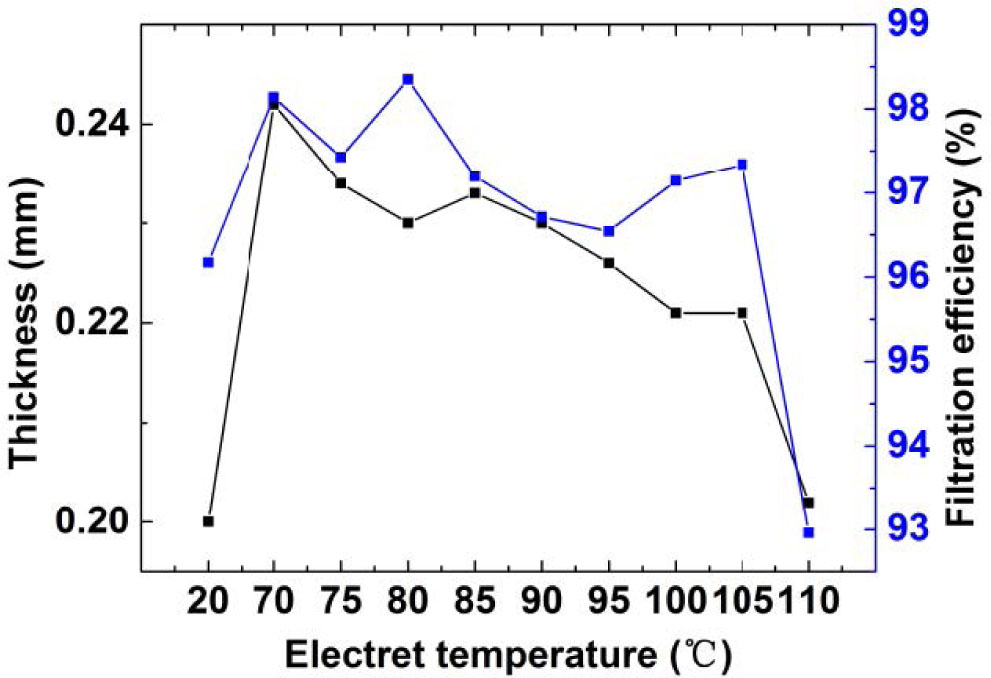
The thickness and filtration efficiency varied with the electret temperature.
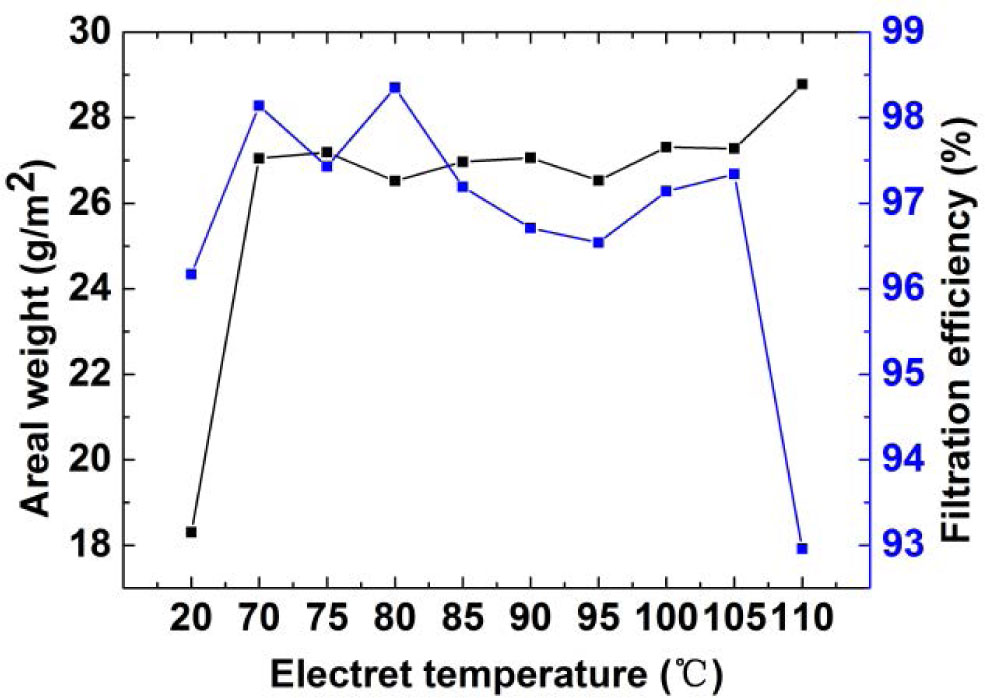
The areal weight and filtration efficiency varied with the electret temperature.
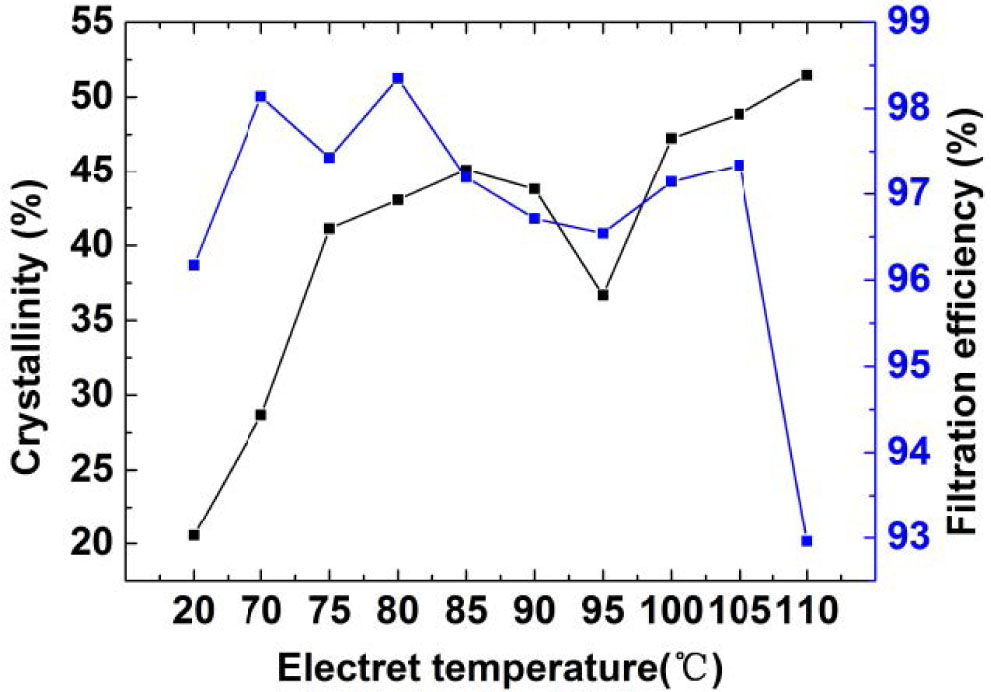
The crystallinity and filtration efficiency varied with the electret temperature.
3.6.3 Quality factor
Filtration efficiency and pressure drop are a pair of contradictions, so evaluating the filtration performance of air filtration materials requires comprehensive consideration of filtration efficiency and filtration resistance. Quality factor (QF) is a balance indicator for evaluating the filtration performance of materials. The specific calculation formula is as follows [28]:
In equation (5), h is the filtration efficiency (%) and Δp is the pressure drop (Pa).
It can be known from the above formula that the higher the filtration efficiency of the filter material or the lower the filtration resistance, the larger the QF value; the lower the efficiency or the greater the resistance, the smaller the QF value. In other words, the greater the QF, the better the filtration performance [29,30,31,32].
The QF varies with the electret temperature as shown in Figure 22. We can see that the QF generally tends to decrease with the increase in the electret temperature in the case of comprehensive consideration of filtration efficiency and filtration resistance. The QF of fabric charged at room temperature is the highest, the corresponding filtration efficiency is 96.17% and the pressure drop is 27.7 Pa. In the samples charged at 70°C–110°C, the QF of the sample treated at 80°C was the largest, the corresponding filtration efficiency was 98.35%, and the filtration resistance was 38.7 Pa. We find that the filtration performance of fabric charged at room temperature was the best in all samples.
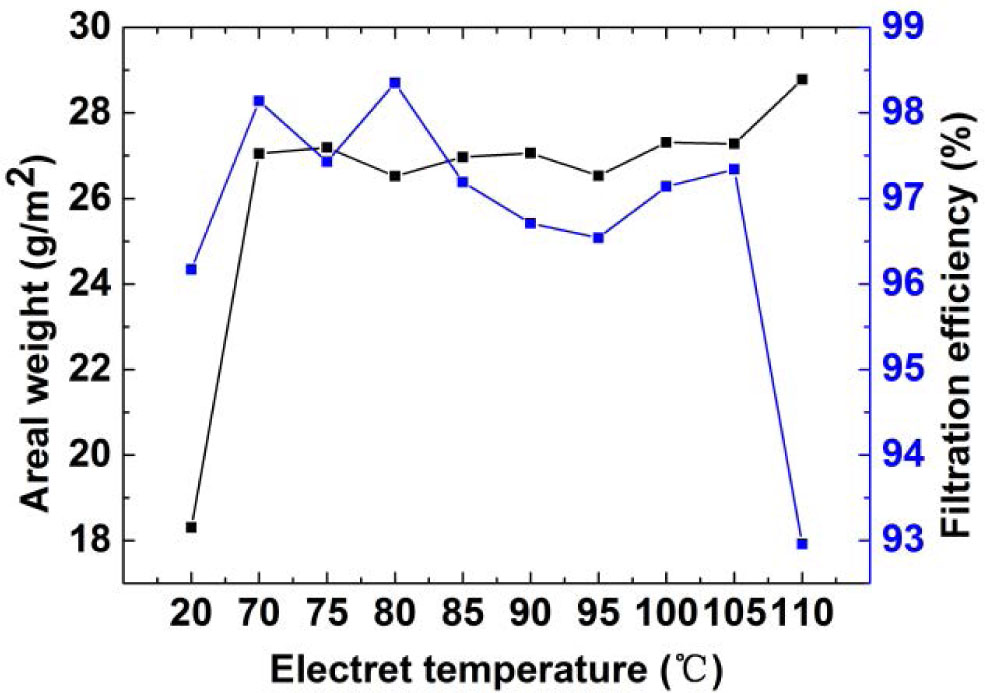
Quality factor varied with the electret temperature.
4 Conclusions
The results of research on the influences of electret temperature on the structure of melt-blown PP fabrics exhibited that the electret temperature has no significant effect on fiber diameter, but the range of pore size distribution was broadened and the mean pore diameter was slightly larger. With the electret temperature raised, the porosity decreased while the areal weight increased, and the thickness first increased then decreased, but the variation was not large. The electret temperature could increase the diffraction peak signal of samples, promote the growth of the alpha crystal, and improve the crystallinity of fabrics.
The results of research on the effect of electret temperature on the filtration performance of melt-blown PP fabrics indicated that the pressure drop raised and kept relatively stable because of the decrease in porosity and the increase in areal weight, and the filtration efficiency increased (decreased) with the increase (decrease) in crystallinity when charged in the range of 70–105°C. Based on a combined consideration of air filtration efficiency and pressure drop, the QF of melt-blown nonwoven fabric treated at the room temperature is the highest, and the filtration performance is the best.
Acknowledgment
The work is funded by the Joint Bilateral Industrial R&D of International Scientific and Technological Cooperation (Grant No.: 2017C54005), the National Natural Science Foundation of China (Grant No.: 51803182), the Fundamental Research Funds of Zhejiang Sci-Tech University, the Ministry of Education, Youth and Sports of the Czech Republic, the European Union – European Structural and Investment Funds in the frames of Operational Programme Research, and Development and Education – project Hybrid Materials for Hierarchical Structures (HyHi, Reg. No. CZ.02.1.01/0.0/0.0/16_019/0000843).
References
[1] Lin, S., Nejati, S., Boo, C., Hu, Y., Osuji, C. O., et al. (2014). Omniphobic membrane for robust membrane distillation. Environmental Science and Technology Letters, 1, 443–447.10.1021/ez500267pSuche in Google Scholar
[2] He, M., Ichinose, T., Kobayashi, M., Arashidani, K., Yoshida, S., et al. (2016). Differences in allergic inflammatory responses between urban PM2.5 and fine particle derived from desert-dust in murine lungs. Toxicology and Applied Pharmacology, 297, 41–55.10.1016/j.taap.2016.02.017Suche in Google Scholar
[3] Deng, N., Hec, H., Yana, J., Zhao, Y., Ticha, E. B., et al. (2019). One-step melt-blowing of multi-scale micro/nano fabric membrane for advanced air-filtration. Polymer, 165, 174–179.10.1016/j.polymer.2019.01.035Suche in Google Scholar
[4] Hamra, G. B., Guha, N., Cohen, A., Laden, F., Raaschou-Nielsen, O., et al. (2014). Outdoor particulate matter exposure and lung cancer: a systematic review and meta-analysis. Environmental Health Perspectives, 122, 906–911.10.1289/ehp/1408092Suche in Google Scholar
[5] Qinfei, K., Xiangyu, Q. (2004). Nonwovens [M]. Donghua University Press (Shanghai, PR China), p. 266.Suche in Google Scholar
[6] Kacprzyk, R. (2002). Non-conventional application of unwoven fabrics. Journal of Electrostatics, 56, 111–119.10.1016/S0304-3886(02)00072-4Suche in Google Scholar
[7] Tanthapanichakoon, W., Maneeintr, K., Charinpanitkul, T., Kanaoka, C. (2003). Estimation of collection efficiency enhancement factor for all electret fiber with dust load. Journal of Aerosol Science, 34, 1505–1522.10.1016/S0021-8502(03)00104-6Suche in Google Scholar
[8] Ji, J. H., Bae, G. N., Kang, S. H. (2003). Effect of particle loading on the collection performance of an electret cabin air filter for submicron aerosols. Journal of Aerosol Science, 34, 1493–1504.10.1016/S0021-8502(03)00103-4Suche in Google Scholar
[9] Soltani, I., Macosko, C. W. (2018). Influence of rheology and surface properties on morphology of nanofibers derived from islands-in-the-sea meltblown nonwovens. Polymer, 145, 21–30.10.1016/j.polymer.2018.04.051Suche in Google Scholar
[10] Uykun, N., Ergal, İ., Kurt, H., Gökçeören, A.T., Göcek, İ., et al. (2014). Electrospun antibacterial nanofibrous polyvinylpyrrolidone/cetyltrimethylammonium bromide membranes for biomedical applications. Journal of Bioactive and Compatible Polymers, 29(4), 382–397.10.1177/0883911514535153Suche in Google Scholar
[11] Weeraya, S. L., Wiwut, T. (2006). Correlation for the efficiency enhancement factor of a single electret fiber. Journal of Aerosol Science, 37(2), 228–240.10.1016/j.jaerosci.2005.05.001Suche in Google Scholar
[12] Megelski, S., Stephens, J. S., Chase, D. B., Rabolt, J. F. (2002). Micro-and nanostructured surface morphology on electrospun polymer fibers. Macromolecules, 35(22), 8456–8466.10.1021/ma020444aSuche in Google Scholar
[13] Tang, M., Thompson, D., Chen, S.-C., Liang, Y. Puia, D. Y. H. (2018). Evaluation of different discharging methods on HVAC electret filter media. Building and Environment, 141, 206–214.10.1016/j.buildenv.2018.05.048Suche in Google Scholar
[14] Thakur, R., Das, D., Das, A. (2013). Electret air filters. Separation and Purification Review, 42, 87–129.10.1080/15422119.2012.681094Suche in Google Scholar
[15] Chang, D. Q., Chen, S. C., Pui, D. (2016). Capture of sub-500 nm particles using residential electret HVAC filter media-experiments and modeling. Aerosol and Air Quality Research, 16, 3349–3357.10.4209/aaqr.2016.10.0437Suche in Google Scholar
[16] Shu, H., Xiangchao, C., Peng, L., Hui, G. (2017). Study on electret technology of air filtration material. Earth and Environmental Science, 100, 1–8.10.1088/1755-1315/100/1/012110Suche in Google Scholar
[17] Brochocka, A., Majchrzycka, K., Makowski, K. (2013). Modified melt-blown nonwovens for respiratory protective devices against nanoparticles. Fibres and Textiles in Eastern Europe, 100, 106–111Suche in Google Scholar
[18] Chang, D.-Q., Tien, C.-Y., Peng, C.-Y., Tang, M., Chen, S.-C. (2019). Development of composite filters with high efficiency, low pressure drop, and high holding capacity PM2.5 filtration. Separation and Purification Technology, 212, 699–708.10.1016/j.seppur.2018.11.068Suche in Google Scholar
[19] Zhang, J.-W., Lebrun, L., Guiffard, B., Belouadah, R., Guyomar, D., et al. (2011). Enhanced electromechanical performance of cellular polypropylene electrets charged at a high temperature. Journal of Physics D Applied Physics, 44, 41540310.1088/0022-3727/44/41/415403Suche in Google Scholar
[20] Ji, Z.-B., Xia, Z.-F., Shen, L.-L., An, Z. (2005). Charge storage and its stability in corona charged polypropylene non-woven fabrics used as air filters. Wuli Xuebao/Acta Physica Sinica, 54, 3799–3804.10.7498/aps.54.3799Suche in Google Scholar
[21] Guim J. (2015). Crystal phase control and correlation to filtering performance for melt-blown polypropylene electret nonwovens. Hangzhou Dianzi University (Hangzhou).Suche in Google Scholar
[22] Xiao, H., Song, Y., Chen, G. (2014). Correlation between charge decay and solvent effect for melt-blown polypropylene electret filter fabrics. Journal of Electrostatics, 72, 311–314.10.1016/j.elstat.2014.05.006Suche in Google Scholar
[23] Lei, L., Qi, D. (2017). Study on testing method for porosity of nonwoven fabric. Fiber Testing Garde, (05), 78–80.Suche in Google Scholar
[24] Kumar, P. S., Jayaraman, S., Singh, G. (2016). Polymer and composite nanofiber: electrospinning parameters and rheology properties. Rheology and Processing of Polymer Nanocomposites, 329–354.10.1002/9781118969809.ch9Suche in Google Scholar
[25] Mao, N., Russell, S. J. (2000). Directional permeability in homogeneous nonwoven structures part I: the relationship between directional permeability and fibre orientation. Journal of the Textile Institute, 91(2), 235–243.10.1080/00405000008659502Suche in Google Scholar
[26] Park, H. S., Park, Y. O. (2005). Filtration properties of electrospun ultrafine fiber webs. Korean Journal of Chemical Engineering, 22(1), 165–172.10.1007/BF02701480Suche in Google Scholar
[27] Huang, J. (2012). Preparation and properties of modified melt-blown polypropylene nonwovens. Donghua University (Shanghai).Suche in Google Scholar
[28] BS EN 1882-1-2009: High efficiency air filters (HEPA and ULPA).Suche in Google Scholar
[29] (2008). GBT 13554-2008 High efficiency air filter. China Standard Press (Beijing).Suche in Google Scholar
[30] Wang, Z., Pan, Z. (2015). Preparation of hierarchical structured nano-sized/porous poly (lactic acid) composite fibrous membranes for air filtration. Applied Surface Science, 356, 1168–1179.10.1016/j.apsusc.2015.08.211Suche in Google Scholar
[31] Spielman, L., Goren, S. L. (1968). Model for predicting pressure drop and filtration efficiency in fibrous media. Environmental Science and Technology, 2(4), 279–287.10.1021/es60016a003Suche in Google Scholar
[32] Shim, W. S., Lee, D. W. (2013). Quality variables of meltblown submicron filter materials. Indian Journal of Fibre and Textile Research, 38(2), 132–137.Suche in Google Scholar
© 2021 Si Cheng et al., published by Sciendo
This work is licensed under the Creative Commons Attribution 4.0 International License.
Artikel in diesem Heft
- Defect Detection of Printed Fabric Based on RGBAAM and Image Pyramid
- Hydrophilization of Polyester Textiles by Nonthermal Plasma
- Prediction of Sewing Thread Consumption for Over-Edge Stitches Class 500 Using Geometrical and Multi-Linear Regression Models
- Experimental Investigation of the Properties of Laminated Nonwovens Used for Packaging of Powders in Mineral Warmers
- An Approach to Estimate Dye Concentration of Domestic Washing Machine Wastewater
- Moisture and Thermal Transport Properties of Different Polyester Warp-Knitted Spacer Fabric for Protective Application
- Quick Detection of Aldehydes and Ketones in Automotive Textiles
- Identification of Miao Embroidery in Southeast Guizhou Province of China Based on Convolution Neural Network
- Effect of Temperature on the Structure and Filtration Performance of Polypropylene Melt-Blown Nonwovens
- Analysis of Mechanical Properties of Unidirectional Flax Roving and Sateen Weave Woven Fabric-Reinforced Composites
- Development of Mask Design Knowledge Base Based on Sensory Evaluation and Fuzzy Logic
- Preparation of Polypyrrole/Silver Conductive Polyester Fabric by UV Exposure
- A New Approach for Thermal Resistance Prediction of Different Composition Plain Socks in Wet State (Part 2)
- Analyzing Thermophysiological Comfort and Moisture Management Behavior of Cotton Denim Fabrics
- Comparison of the Effects of the Cationization of Raw, Bio- and Alkali-Scoured Cotton Knitted Fabric with Different Surface Charge Density
Artikel in diesem Heft
- Defect Detection of Printed Fabric Based on RGBAAM and Image Pyramid
- Hydrophilization of Polyester Textiles by Nonthermal Plasma
- Prediction of Sewing Thread Consumption for Over-Edge Stitches Class 500 Using Geometrical and Multi-Linear Regression Models
- Experimental Investigation of the Properties of Laminated Nonwovens Used for Packaging of Powders in Mineral Warmers
- An Approach to Estimate Dye Concentration of Domestic Washing Machine Wastewater
- Moisture and Thermal Transport Properties of Different Polyester Warp-Knitted Spacer Fabric for Protective Application
- Quick Detection of Aldehydes and Ketones in Automotive Textiles
- Identification of Miao Embroidery in Southeast Guizhou Province of China Based on Convolution Neural Network
- Effect of Temperature on the Structure and Filtration Performance of Polypropylene Melt-Blown Nonwovens
- Analysis of Mechanical Properties of Unidirectional Flax Roving and Sateen Weave Woven Fabric-Reinforced Composites
- Development of Mask Design Knowledge Base Based on Sensory Evaluation and Fuzzy Logic
- Preparation of Polypyrrole/Silver Conductive Polyester Fabric by UV Exposure
- A New Approach for Thermal Resistance Prediction of Different Composition Plain Socks in Wet State (Part 2)
- Analyzing Thermophysiological Comfort and Moisture Management Behavior of Cotton Denim Fabrics
- Comparison of the Effects of the Cationization of Raw, Bio- and Alkali-Scoured Cotton Knitted Fabric with Different Surface Charge Density
