Preparation and characterization of nanoparticles composed of methylated N-(4-N,N-dimethyl aminobenzyl) chitosan for oral delivery of cyclosporine A
-
Reza Mahjub
Reza Mahjub has studied in high schools related to exemptional talents and received his high school diploma in 2001. In the same year, he started his education in the field of Pharmacy in the Faculty of Pharmacy, Tehran University of Medical Sciences, Tehran, Iran. He received his PharmD degree in July 2008 and in the same year, he was accepted to be a PhD candidate in the field of Pharmaceutical Technology at the Faculty of Pharmacy, Tehran University of Medical Sciences. During his PhD has also conducted an undergraduate PharmD thesis in the area of peroral peptide delivery and nano drug delivery systems. He presented his PhD project on oral insulin delivery at cenetial FIP (2012 Amsterdam, The Netherlands). Beside his PhD research, he has worked in the Soha Pharmaceutical Company as the Manger of R & D and as involved in the formulation and development of novel solid dosage forms. He completed his PhD in 2012 and started a fellowship course on pharmaceutical nanotechnology in the Department of Pharmaceutical Technology, Leopold Franzens University of Innsbruck, Innbruck, Austria. During his fellowship course, he has studied the self nanoemulsifying peptide delivery system and also he has attended several courses on Caco-2 cell permeability studies in Leopold Franzens University of Innsbruck, Innsbruck, Austria. He become an Assistant Professor in the Department of Pharmaceutical Technology, School of Pharmacy, Hamedan University of Medical Sciences and was nominated as the visiting assistant professor in British Columbia University, Vancouver, Canada. He has published more than 20 scientific papers in international journals and is also a reviewer for
AAPS PharnSciTech and Drug Development and Industrial Pharmacy. He is the founder and chief advisor of the Pharmaceutical Incubation Center, Hamedan University of Medical Sciences which is involved in large scale manufacturing of solids and semisolids.Morteza Rafiee-Tehrani is an Iranian Pharmacist who received his Pharm.D from Tehran University of Medical Sciences and his PhD in Physical Industrial Pharmacy from the University of Michigan Ann Arbor, MI, USA in 1968 and 1976, respectively. He is certificated in Clinical Laboratories from the Ministry of Health in Iran and also in Clinical Chemistry from the Physician Research Laboratory, Michigan University, USA. He has also been a member of the WHO expert advisory board on the International Pharmacopeia and Pharmaceutical Preparations since 1985. In 1997, Dr. Rafiee-Tehrani became a Full Professor of the School of Pharmacy, Tehran University of Medical Sciences. From 1996 to 2002, he had also been a visiting professor of Leiden-Amsterdam Center for Drug Research, University of Leiden, The Netherlands. His research interests are development of sustained release (SR) and controlled release (CR) systems of oral tablets, evaluation of endotoxin removal by ultra filters from biological fluids and parentral medications, development of mucoadhesive/bioadhesive drug delivery systems, design of dosage forms for peroral peptide delivery and design of dosage forms for colon drug delivery systems as well as gene delivery and tumor targeting drug delivery. He has published more than 80 original research papers in international journals. Because of his considerable role in industrial pharmacy, he has received several awards such as Upjohns Pharmaceutical Scholarship (USA, 1974), the Kharazmi Award as a distinguished investigator (Iran, 1988 and 1991), the Avicenna Award as a distinguished investigator (Iran, 2001), and the Razi Award as a distinguished investigator (Iran, 2002).
Farid Abedin Dorkoosh received his high school diploma in the field of Experimental Science in 1988. In the same year, he started his pharmacy education in Tehran Azad University. He was honored to receive his Pharm.D certificate in 1995 as one of the best students in his year. He started to work in I.P.I.C (Iran Pharmaceutical Development and Investment Company) as a manager of the research department from 1995 for 15 months. He followed his military service as a hospital pharmacist in Army 501 Hospital for 2 years. After finishing his military service, he worked in Laleh Ekbatan Company, as a head of the cosmetic production unit. In April 1998, he started his PhD at Leiden/Amsterdam Center for Drug Research, Leiden University, Leiden, The Netherlands. Besides his PhD research in the department of pharmaceutical technology, he followed an introduction course on drug research in March 1999 and a post-graduate international course on laboratory animal science at the University of Utrecht in June 1999. He attended the ULIA summer school in Denmark in 1999. He also passed a course on gene therapy and gene delivery at the Medical Faculty of Leiden University in January 2001. He presented his PhD project in the area of peroral peptide drug delivery at the Millennial World Congress of Pharmaceutical Sciences in San Francisco (USA) in April 2000 and the Controlled Release Symposium (CRS) in Paris (France) in July 2000. He was also honored to receive the 2001 CRS/Capsugel graduate award for outstanding research in peroral peptide delivery dedicated by the Young Investigator Award Committee of the Controlled Release Society (CRS) in San Diego, USA in June 2001. He was also received the 2002 AAPS graduate award for his research on Caco-2 cells at PDD/PT Graduate Symposium in Toronto, Canada in November 2002. He has received his PhD from Leiden University in June 2002. To date, he has published more than 40 scientific papers related to nanothenology, peroral peptide delivery and industrial pharmacy. He became a faculty member as an Associate Professor in Department of Pharmaceutics, Tehran University of Medical Sciences, Tehran, Iran in September 2008.


Abstract
Cyclosporine is considered a highly lypophilic compound meaning low bioavailability through oral administration. In this study, cyclosporine was entrapped in a novel aromatic, quaternized derivative of chitosan (i.e. methylated N-(4-N,N-dimethyl aminobenzyl) chitosan) in order to improve solubility and bioavailability. Methylated N-(4,N,N-dimethyl aminobenzyl) chitosan was synthesized by the Schiff base reaction method. Polymeric nanoparticles containing cyclosporine was prepared and the physico-chemical properties of prepared nanoparticles were determined. The nanoparticles were studied morphologically using transmission electron microscopy (TEM). Finally, the release of cyclosporine from nanoparticles was studied in vitro using simulated intestinal fluid adjusted to pH of 6.8. For the preparation of nanoparticles, different formulations were studied and it was found that proper nanoparticles were prepared in equal concentration (1 mg/mL) of polymer and sodium tri-poly phosphate (TPP). The size, zeta potential, PdI, EE% and LE% of the prepared nanoparticles were reported as 173±36 nm, 23.1±4.18 mV, 0.243±0.05, 97.1±4.38% and 3.2±0.21%, respectively. The TEM images of nanoparticles revealed spherical to sub-spherical nanoparticles with no sign of agglomeration. This study suggests that preparations of nanoparticles composed of methylated N-(4,N,N-dimethyl aminobenzyl) chitosan can be a good candidate for improving the oral bioavailability of cyclosporine.
About the authors
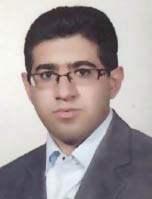
Reza Mahjub has studied in high schools related to exemptional talents and received his high school diploma in 2001. In the same year, he started his education in the field of Pharmacy in the Faculty of Pharmacy, Tehran University of Medical Sciences, Tehran, Iran. He received his PharmD degree in July 2008 and in the same year, he was accepted to be a PhD candidate in the field of Pharmaceutical Technology at the Faculty of Pharmacy, Tehran University of Medical Sciences. During his PhD has also conducted an undergraduate PharmD thesis in the area of peroral peptide delivery and nano drug delivery systems. He presented his PhD project on oral insulin delivery at cenetial FIP (2012 Amsterdam, The Netherlands). Beside his PhD research, he has worked in the Soha Pharmaceutical Company as the Manger of R & D and as involved in the formulation and development of novel solid dosage forms. He completed his PhD in 2012 and started a fellowship course on pharmaceutical nanotechnology in the Department of Pharmaceutical Technology, Leopold Franzens University of Innsbruck, Innbruck, Austria. During his fellowship course, he has studied the self nanoemulsifying peptide delivery system and also he has attended several courses on Caco-2 cell permeability studies in Leopold Franzens University of Innsbruck, Innsbruck, Austria. He become an Assistant Professor in the Department of Pharmaceutical Technology, School of Pharmacy, Hamedan University of Medical Sciences and was nominated as the visiting assistant professor in British Columbia University, Vancouver, Canada. He has published more than 20 scientific papers in international journals and is also a reviewer for AAPSPharnSciTech and Drug Development and Industrial Pharmacy. He is the founder and chief advisor of the Pharmaceutical Incubation Center, Hamedan University of Medical Sciences which is involved in large scale manufacturing of solids and semisolids.
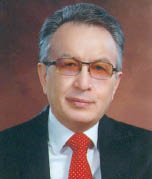
Morteza Rafiee-Tehrani is an Iranian Pharmacist who received his Pharm.D from Tehran University of Medical Sciences and his PhD in Physical Industrial Pharmacy from the University of Michigan Ann Arbor, MI, USA in 1968 and 1976, respectively. He is certificated in Clinical Laboratories from the Ministry of Health in Iran and also in Clinical Chemistry from the Physician Research Laboratory, Michigan University, USA. He has also been a member of the WHO expert advisory board on the International Pharmacopeia and Pharmaceutical Preparations since 1985. In 1997, Dr. Rafiee-Tehrani became a Full Professor of the School of Pharmacy, Tehran University of Medical Sciences. From 1996 to 2002, he had also been a visiting professor of Leiden-Amsterdam Center for Drug Research, University of Leiden, The Netherlands. His research interests are development of sustained release (SR) and controlled release (CR) systems of oral tablets, evaluation of endotoxin removal by ultra filters from biological fluids and parentral medications, development of mucoadhesive/bioadhesive drug delivery systems, design of dosage forms for peroral peptide delivery and design of dosage forms for colon drug delivery systems as well as gene delivery and tumor targeting drug delivery. He has published more than 80 original research papers in international journals. Because of his considerable role in industrial pharmacy, he has received several awards such as Upjohns Pharmaceutical Scholarship (USA, 1974), the Kharazmi Award as a distinguished investigator (Iran, 1988 and 1991), the Avicenna Award as a distinguished investigator (Iran, 2001), and the Razi Award as a distinguished investigator (Iran, 2002).

Farid Abedin Dorkoosh received his high school diploma in the field of Experimental Science in 1988. In the same year, he started his pharmacy education in Tehran Azad University. He was honored to receive his Pharm.D certificate in 1995 as one of the best students in his year. He started to work in I.P.I.C (Iran Pharmaceutical Development and Investment Company) as a manager of the research department from 1995 for 15 months. He followed his military service as a hospital pharmacist in Army 501 Hospital for 2 years. After finishing his military service, he worked in Laleh Ekbatan Company, as a head of the cosmetic production unit. In April 1998, he started his PhD at Leiden/Amsterdam Center for Drug Research, Leiden University, Leiden, The Netherlands. Besides his PhD research in the department of pharmaceutical technology, he followed an introduction course on drug research in March 1999 and a post-graduate international course on laboratory animal science at the University of Utrecht in June 1999. He attended the ULIA summer school in Denmark in 1999. He also passed a course on gene therapy and gene delivery at the Medical Faculty of Leiden University in January 2001. He presented his PhD project in the area of peroral peptide drug delivery at the Millennial World Congress of Pharmaceutical Sciences in San Francisco (USA) in April 2000 and the Controlled Release Symposium (CRS) in Paris (France) in July 2000. He was also honored to receive the 2001 CRS/Capsugel graduate award for outstanding research in peroral peptide delivery dedicated by the Young Investigator Award Committee of the Controlled Release Society (CRS) in San Diego, USA in June 2001. He was also received the 2002 AAPS graduate award for his research on Caco-2 cells at PDD/PT Graduate Symposium in Toronto, Canada in November 2002. He has received his PhD from Leiden University in June 2002. To date, he has published more than 40 scientific papers related to nanothenology, peroral peptide delivery and industrial pharmacy. He became a faculty member as an Associate Professor in Department of Pharmaceutics, Tehran University of Medical Sciences, Tehran, Iran in September 2008.
Acknowledgments
This study was made possible by financial supports from Deputy of Research and Technology, Tehran University of Medical Sciences. The authors should thank from Prof. Rassoul Dinarvand for his valuable comments.
Conflict of interest statement: The authors report no conflict of interest.
References
1. Pillai AA, Levitsky J. Overview of immunosuppression in liver transplantation. World J Gastroenterol 2009;15:4225–33.10.3748/wjg.15.4225Suche in Google Scholar PubMed PubMed Central
2. Chadban S. New-onset diabetes after transplantation – should it be a factor in choosing an immunosuppressant regimen for kidney transplant recipients? Nephrol Dial Transplant 2008;23:1816–8.10.1093/ndt/gfn052Suche in Google Scholar PubMed
3. Przepiorka D, Devine SM, Fay JW, Uberti JP, Wingard JR. Practical considerations in the use of tacrolimus for allogeneic marrow transplantation. Bone Marrow Transplant 1999;24: 1053–6.10.1038/sj.bmt.1702032Suche in Google Scholar PubMed
4. Hermans K, Van Den Plas D, Everaert A, Weyenberg W, Ludwig A. Full factorial design, physicochemical characterisation and biological assessment of cyclosporine A loaded cationic nanoparticles. Eur J Pharm Biopharm 2012;82:27–35.10.1016/j.ejpb.2012.05.003Suche in Google Scholar PubMed
5. Noble S, Markham A. Cyclosporin A review of the pharmacokinetic properties, clinical efficacy and tolerability of a microemulsion-based formulation (Neoral). Drugs 1995;50:924–41.10.2165/00003495-199550050-00009Suche in Google Scholar PubMed
6. Bobadilla NA, Gamba G. New insights into the pathophysiology of cyclosporine nephrotoxicity: a role of aldosterone. Am J Physiol-Renal Physiol 2007;293:F2–9.10.1152/ajprenal.00072.2007Suche in Google Scholar PubMed
7. Wijdicks EF. Neurotoxicity of immunosuppressive drugs. Liver Transpl 2001;7:937–42.10.1053/jlts.2001.27475Suche in Google Scholar PubMed
8. Ginsburg PM, Thuluvath PJ. Diarrhea in liver transplant recipients: etiology and management. Liver Transpl 2005;11:881–90.10.1002/lt.20500Suche in Google Scholar PubMed
9. Tedesco D, Haragsim L. Cyclosporine: a review. J Transplant 2012;2012:230386.10.1155/2012/230386Suche in Google Scholar PubMed PubMed Central
10. Roby KA, Shaw LM. Effects of cyclosporine and its metabolites in the isolated perfused rat kidney. J Am SocNephrol 1993;4:168–77.10.1681/ASN.V42168Suche in Google Scholar PubMed
11. Beauchesne PR, Chung NS, Wasan KM. Cyclosporine A: a review of current oral and intravenous delivery systems. Drug DevInd Pharm 2007;33:211–220.10.1080/03639040601155665Suche in Google Scholar
12. Italia JL, Bhardwaj V, Ravi Kumar MN. Disease, destination, dose and delivery aspects of ciclosporin: the state of the art. Drug Discov Today 2006;11:846–54.10.1016/j.drudis.2006.07.015Suche in Google Scholar
13. Ptachcinski RJ, Venkataramanan R, Burckart GJ. Clinical pharmacokinetics of cyclosporin. Clin Pharmacokinet 1986;11:107–32.10.2165/00003088-198611020-00002Suche in Google Scholar
14. Lindholm A, Henricsson S, Lind M, Dahlqvist R. Intraindividual variability in the relative systemic availability of cyclosporin after oral dosing. Eur. J. Clin. Pharmacol 1988;34:461–4.10.1007/BF01046702Suche in Google Scholar
15. Ismailos G, Reppas C, Dressman JB, Macheras P. Unusual solubility behavior of cyclosporine A in aqueous media. J. Pharm. Pharmacol 1991;43:287–9.10.1111/j.2042-7158.1991.tb06688.xSuche in Google Scholar
16. Tjai JF, Webber IR, Back DJ. Cyclosporin metabolism by the gastrointestinal mucosa. Br J Clin Pharmacol 1991;31:344–6.10.1111/j.1365-2125.1991.tb05540.xSuche in Google Scholar
17. Taylor NE, Mark AE, Vollat P, Brunne RM, Testa B, Van Gunteren WF. Solvent dependent conformationand hydrogen bonding capacity of cyclosporine A: evidence from partition coefficient and molecular dynamicsimulations. J Med Chem 1993;36:3753–64.10.1021/jm00076a002Suche in Google Scholar
18. Vadiei K, Perez-Soler R, Lopez-Berestein G, Luke DR. Pharmacokinetic and pharmacodynamic evaluation of liposomal cyclosporine. Int. J. Pharm 1989;57:125–31.10.1016/0378-5173(89)90300-1Suche in Google Scholar
19. Woodle MC. Sterically stabilized liposome therapeutics. Adv Drug Deliv Rev 1995;16:249–65.10.1016/0169-409X(95)00028-6Suche in Google Scholar
20. Zhang Q, Yie G, Li Y, Yang Q, Nagai T. Studies on the cyclosporin A loaded stearic acid nanoparticles. Int J Pharm 2000;200:153–9.10.1016/S0378-5173(00)00361-6Suche in Google Scholar
21. Guzman M, Molpeceres J, Garcia F, Aberturas MR, Rodriguez M. Formation and characterization of cyclosporine-loaded nanoparticles. J Pharm Sci 1993;82:498–502.10.1002/jps.2600820513Suche in Google Scholar PubMed
22. Ford J, Woolfe J, Florence AT. Nanospheres of cyclosoprin A: poor oral absorption in dogs. Int J Pharm 1999;183:3–6.10.1016/S0378-5173(99)00049-6Suche in Google Scholar
23. Calvo P, Sanchez A, Martinez J, Lopez MI, Calonge M, Pastor JC, et al. Polyester nanocapsules as new topical ocular delivery systems for Cyclosporin A. Pharm Res 1996;13:311–5.10.1023/A:1016015803611Suche in Google Scholar
24. De Campos AM, Sánchez A, Alonso MJ. Chitosan nanoparticles: a new vehicle for the improvement of the delivery of drugs to the ocular surface. Application to cyclosporin A. Int J Pharm 2001;224:159–68.10.1016/S0378-5173(01)00760-8Suche in Google Scholar
25. Mahjub R, Dorkoosh FA, Amini M, Khoshayand MR, Rafiee-Tehrani M. Preparation, statistical optimization, and in vitro characterization of insulinnanoparticles composed of quaternized aromatic derivatives of chitosan. AAPS PharmSciTech 2011;12:1407–19.10.1208/s12249-011-9716-9Suche in Google Scholar PubMed PubMed Central
26. Shahsavari S, Bagheri G, Mahjub R, Radmehr M, RafieeTehrani M, Dorkoosh FA. Application of artificial neural networks for optimization of preparation of insulin nanoparticles composed of quaternized aromatic derivatives of chitosan. Drug. Res 2014;64:151–8.10.1055/s-0033-1354372Suche in Google Scholar PubMed
27. Mahjub R, Radmehr M, Dorkoosh FA, Ostad SN, Rafiee-Tehrani M. Lyophilized insulin nanoparticles prepared from quaternized N-aryl derivatives of chitosan as a new strategy for oral delivery of insulin: in vitro, ex vivo and in vivo characterizations. Drug DevInd Pharm 2014;40:1645–59.10.3109/03639045.2013.841187Suche in Google Scholar PubMed
28. Sadeghi AM, Dorkoosh FA, Avadi MR, Saadat P, Rafiee-Tehrani M, Junginger HE. Preparation, characterization and antibacterial activities of chitosan, N-trimethyl chitosan (TMC) and N-diethylmethyl chitosan (DEMC)nanoparticles loaded with insulin using both the ionotropicgelationand polyelectrolyte complexation methods. Int J Pharm 2008;355:299–306.10.1016/j.ijpharm.2007.11.052Suche in Google Scholar PubMed
29. Mansourpour M, Mahjub R, Amini M, Ostad SN, Shamsa ES, RafieeTehrani M, et al. Development of acid-resistant alginate/trimethyl chitosan nanoparticles containing cationic β-cyclodextrin polymers for insulin oral delivery. AAPS PharmSciTech 2015;16:952-962.10.1208/s12249-014-0282-9Suche in Google Scholar PubMed PubMed Central
30. Guan P, Lu Y, Qi J, Niu M, Lian R, Hu F, Wu W. Enhanced oral bioavailability of cyclosporine A by liposomes containing a bile salt. Int J Nanomed 2011;6:965–74.10.2147/IJN.S19259Suche in Google Scholar PubMed PubMed Central
©2016 by De Gruyter
Artikel in diesem Heft
- Frontmatter
- In this issue
- What’s Up?
- What’s up in nanomedicine?
- Special section Radionanomedicine
- Guest Editorial
- Radionanomedicine
- Review
- Translational radionanomedicine: a clinical perspective
- Perspective
- A potentially versatile nano-platform
- Regular contributions
- Original Articles
- Preparation and characterization of nanoparticles composed of methylated N-(4-N,N-dimethyl aminobenzyl) chitosan for oral delivery of cyclosporine A
- Formulation of gentamicin as surface modified self-nanoemulsifying formulations (SNEFs) improves its anti-pneumococcal activity
Artikel in diesem Heft
- Frontmatter
- In this issue
- What’s Up?
- What’s up in nanomedicine?
- Special section Radionanomedicine
- Guest Editorial
- Radionanomedicine
- Review
- Translational radionanomedicine: a clinical perspective
- Perspective
- A potentially versatile nano-platform
- Regular contributions
- Original Articles
- Preparation and characterization of nanoparticles composed of methylated N-(4-N,N-dimethyl aminobenzyl) chitosan for oral delivery of cyclosporine A
- Formulation of gentamicin as surface modified self-nanoemulsifying formulations (SNEFs) improves its anti-pneumococcal activity
