Electrochemical Double Layer Capacitors and Hybrid Devices for Green Energy Applications
-
Y. Maletin
Yurii Maletin , PhD, DSc, Chief Scientist. Yurii has 25 year experience of research in the EDLC technology. In 2002–2008, Yurii headed the Physical Chemistry Department of the National Technical University of Ukraine “KPI”. Yurii published over 80 scientific papers and was a co-inventor of 25 patents. He has Master degree in Chemistry from Moscow M.V. Lomonosov State University, PhD in Inorganic Chemistry from the National Academy of Sciences of Ukraine, and DSc (Dr.habil.) in Physical Chemistry from Russian Academy of Science. Yurii is also a Fellow of the Royal Society of Chemistry, UK. ,
N. Stryzhakova
,
N. Stryzhakova
Dr. Natalia Stryzhakova , Laboratory Head. Natalia has over 20 year experience of research in EDLC technology. In 2002–2007 Natalia headed the Research Laboratory on EDLC devices at the National Technical University of Ukraine, Kiev. Natalia published over 60 scientific papers in referred journals; she was a co-inventor of over 15 patents. She has Master degree in Chemistry from T. Shevchenko National University of Kiev and PhD in Inorganic Chemistry from the National Academy of Science of Ukraine.Dr. Sergii Zelinsky , Leading Researcher. Sergii has a PhD degree in Physics from T. Shevchenko National University of Kiev. He has been working as a leading researcher in Yunasko since 2010. He has a basic knowledge of programming and numerical methods. His area of research interests is in the EDLC theory and technology with the use of various electrochemical and spectral methods. He also is a co-author of more then 20 scientific papers and two patents.Sergey Chernukhin , Leading Researcher. Sergey has over 40 year experience of research in the field of chemical power sources. He is a co-author of over 90 scientific papers and co-inventor of 15 patents. He has Master degree in Electrochemistry from the National Technical University of Ukraine “KPI”. Main areas of research interests are: chemical power sources, lithium-ion batteries, EDLC and electrochemical hybrid devices.Dr. Dmitriy Tretyakov , Leading Researcher. Dmitriy has 14 year experience of research in the field of chemical power sources. He is a co-author of 40 scientific papers. He has Master degree in Chemistry and PhD in Physical chemistry from T. Shevchenko National University of Kiev. Main areas of research interests are: chemical power sources, high power lithium-ion batteries, EDLC and electrochemical hybrid devices.Sergii Tychina , PhD Student. Sergii graduated from the National Technical University of Ukraine “KPI”, and now he is doing his PhD work in Physical Chemistry. His research focuses on increasing electrolyte ionic mobility inside the porous matrix of nanostructured activated carbons that are used as electrode materials in EDLC technology. Sergii also holds position of Project Manager at Yunasko LLC – a world-wide known developer of low internal resistance and high power EDLC devices. His main responsibility areas are production development and technology licensing.Dmitriy Drobny , PhD student. Dmitriy graduated from the National Technical University of Ukraine “KPI”. His research interests are in the area of energy storage and conversion, in particular, with the use of EDLC devices. He is an expert with broad experience in manufacturing the electrodes for EDLC devices in the Yunasko company. The lion's share of his research focuses on enhancing the EDLC performance.

Abstract
Electrochemical double layer capacitors (EDLCs) and hybrid devices (HDs) become more and more popular solutions in various green energy technologies, in particular, in hybrid transport and wind power stations. After many years of research in EDLC and in HD technology we have developed some approaches and methods aimed at improving the performance of those devices. The results for EDLCs with the lowest inner resistance and highest power density, as well the results for HDs with the largest energy density as compared with the best similar competing devices are presented.
About the authors
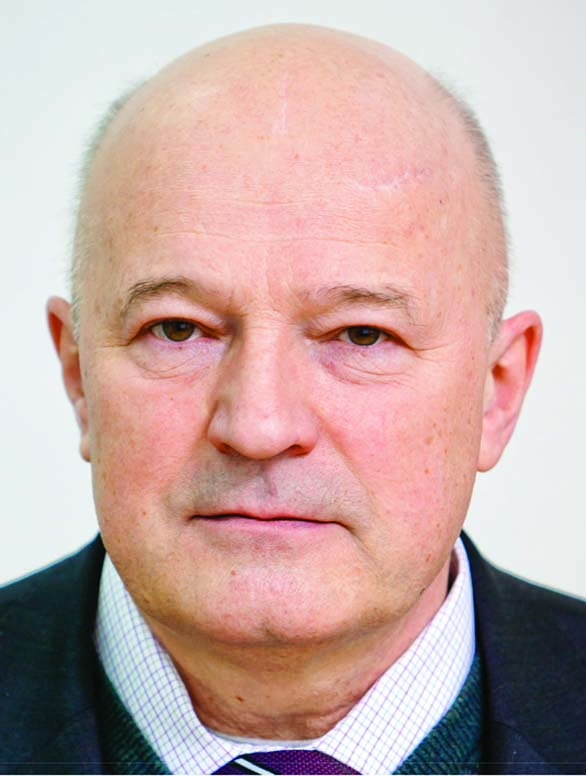
Yurii Maletin, PhD, DSc, Chief Scientist. Yurii has 25 year experience of research in the EDLC technology. In 2002–2008, Yurii headed the Physical Chemistry Department of the National Technical University of Ukraine “KPI”. Yurii published over 80 scientific papers and was a co-inventor of 25 patents. He has Master degree in Chemistry from Moscow M.V. Lomonosov State University, PhD in Inorganic Chemistry from the National Academy of Sciences of Ukraine, and DSc (Dr.habil.) in Physical Chemistry from Russian Academy of Science. Yurii is also a Fellow of the Royal Society of Chemistry, UK.
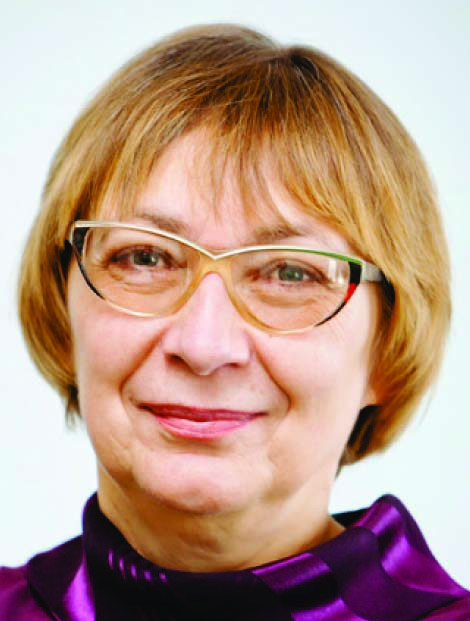
Dr. Natalia Stryzhakova, Laboratory Head. Natalia has over 20 year experience of research in EDLC technology. In 2002–2007 Natalia headed the Research Laboratory on EDLC devices at the National Technical University of Ukraine, Kiev. Natalia published over 60 scientific papers in referred journals; she was a co-inventor of over 15 patents. She has Master degree in Chemistry from T. Shevchenko National University of Kiev and PhD in Inorganic Chemistry from the National Academy of Science of Ukraine.
Dr. Sergii Zelinsky, Leading Researcher. Sergii has a PhD degree in Physics from T. Shevchenko National University of Kiev. He has been working as a leading researcher in Yunasko since 2010. He has a basic knowledge of programming and numerical methods. His area of research interests is in the EDLC theory and technology with the use of various electrochemical and spectral methods. He also is a co-author of more then 20 scientific papers and two patents.
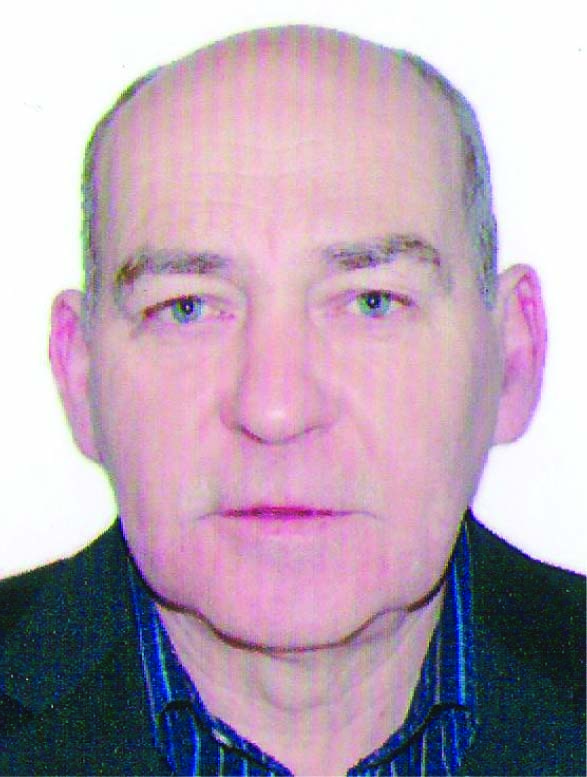
Sergey Chernukhin, Leading Researcher. Sergey has over 40 year experience of research in the field of chemical power sources. He is a co-author of over 90 scientific papers and co-inventor of 15 patents. He has Master degree in Electrochemistry from the National Technical University of Ukraine “KPI”. Main areas of research interests are: chemical power sources, lithium-ion batteries, EDLC and electrochemical hybrid devices.
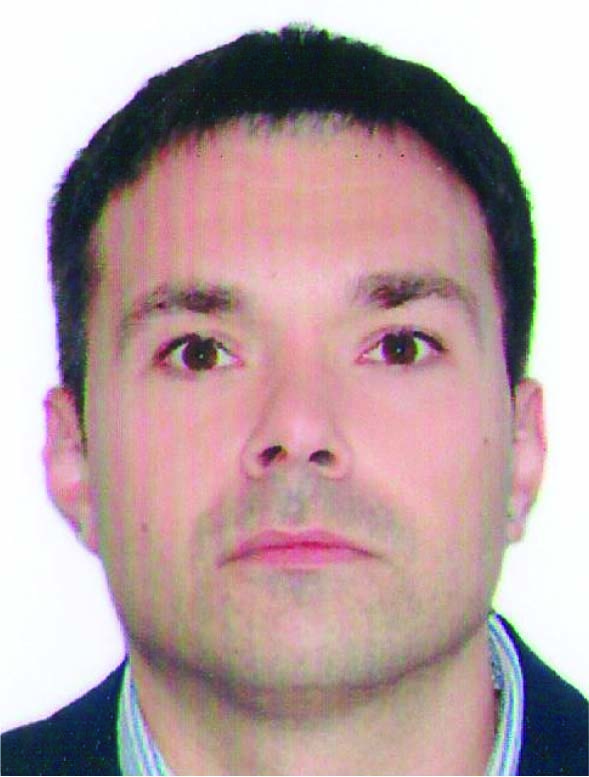
Dr. Dmitriy Tretyakov, Leading Researcher. Dmitriy has 14 year experience of research in the field of chemical power sources. He is a co-author of 40 scientific papers. He has Master degree in Chemistry and PhD in Physical chemistry from T. Shevchenko National University of Kiev. Main areas of research interests are: chemical power sources, high power lithium-ion batteries, EDLC and electrochemical hybrid devices.

Sergii Tychina, PhD Student. Sergii graduated from the National Technical University of Ukraine “KPI”, and now he is doing his PhD work in Physical Chemistry. His research focuses on increasing electrolyte ionic mobility inside the porous matrix of nanostructured activated carbons that are used as electrode materials in EDLC technology. Sergii also holds position of Project Manager at Yunasko LLC – a world-wide known developer of low internal resistance and high power EDLC devices. His main responsibility areas are production development and technology licensing.
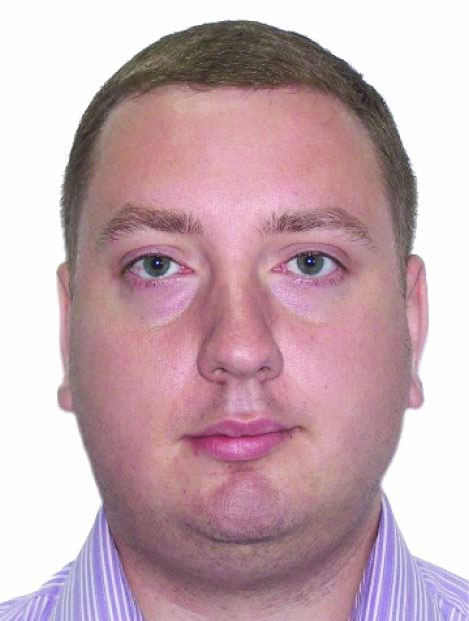
Dmitriy Drobny, PhD student. Dmitriy graduated from the National Technical University of Ukraine “KPI”. His research interests are in the area of energy storage and conversion, in particular, with the use of EDLC devices. He is an expert with broad experience in manufacturing the electrodes for EDLC devices in the Yunasko company. The lion's share of his research focuses on enhancing the EDLC performance.
©2014 by Walter de Gruyter Berlin/Munich/Boston
Articles in the same Issue
- Frontmatter
- In this issue
- Publisher's Note
- Short Reports
- Mini-Review
- Electrochemical Double Layer Capacitors and Hybrid Devices for Green Energy Applications
- Original Articles
- Energy Transport and Storage using Methanol as a Carrier
- Self-discharge Reactions in Energy Storage Devices Based on Polypyrrole-cellulose Composite Electrodes
- Expert View from Industry
- A Perspective on Energy Storage and Other Means to Integrate Increasing Shares of Renewable Electricity Generation
Articles in the same Issue
- Frontmatter
- In this issue
- Publisher's Note
- Short Reports
- Mini-Review
- Electrochemical Double Layer Capacitors and Hybrid Devices for Green Energy Applications
- Original Articles
- Energy Transport and Storage using Methanol as a Carrier
- Self-discharge Reactions in Energy Storage Devices Based on Polypyrrole-cellulose Composite Electrodes
- Expert View from Industry
- A Perspective on Energy Storage and Other Means to Integrate Increasing Shares of Renewable Electricity Generation
