A Perspective on Energy Storage and Other Means to Integrate Increasing Shares of Renewable Electricity Generation
-
Arndt Neuhaus
Neuhaus Arndt was born in Oberhausen in March 1966. From 1985 to 1993 he studied Chemistry and business administration at Philipps Univ. in Marburg and at Univ. of Bristol (UK). He received his degree in Chemistry in 1990, doctoral degree in natural sciences in 1992 and in business management in 1993. From 1993–1994 he spent his post-doc research period at the Univ. of California in Berkeley, USA. Following that stage he worked for McKinsey & Comp., sector basic materials industries and utility industry. In 2001 he started his career at RWE AG as Head of Group Corp. Development/Strategic Planning. In 2005 Arndt Neuhaus was appointed CFO of RWE Rhein Ruhr. 2008 to 2009 he was CFO of RWE Energy AG. 2009 to 2010 CEO RWE Rheinland Westfalen Netz AG. Since 2011 he is CEO of RWE Deutschland AG and in addition since 2014 he is CEO of RWE Retail. ,
Frank-Detlef Drake
,
Frank-Detlef Drake
Drake Frank-Detlef is a Vice President of RWE AG and responsible for Corporate Research and Development. He joined RWE in 2002 as a Vice President in RWE's power generation business. From 2005 until early 2008 Dr. Drake was a Managing Director in RWE's international gas business. From 1995 until 2002 Dr. Drake was a management consultant with McKinsey&Company in Düsseldorf, where he was elected Partner in 2001. He worked extensively in the energy and in the chemical industry, helping clients in strategic, operational and organisational issues. Dr. Drake earned his Ph.D. at the Universität Hannover and holds Master's degrees in Mechanical Engineering both from the Universität Hannover and from the Solar Energy Lab of the University of Wisconsin, Madison (USA).Hoffmann Gunnar studied mechanical engineering and computer science at the University of Freiberg, Germany. In his PhD he investigated concepts of Internet based device control. Mr. Hoffmann started his professional career at RWE Power within the department “Hard coal and gas fired power stations” in 2006. He concentrated on the further development and optimisation of business processes as well as operation management systems. Since the end of 2008 he is engaged at corporate research and development where he is dealing with conventional power plant technologies, decentralised energy supply and Smart Energy related issues. In that respect he is conducting profitability analyses and working out strategies for the purposeful usage of information technology. As part of an holistic system view, Mr. Hoffmann is evaluating promising solutions to integrate renewable energies. The determination of associated potential refers to a variety of technologies that are applied both in B2C and B2B markets.Schulte Friedrich has been working in the energy industry since 1992. He is currently responsible for the corporate Research & Development strategy, structuring of the project portfolio and technology assessment on RWE Group level. Mr. Schulte's previous range of functions includes the RWE Group wide coordination of RWE R&D and other managerial positions in energy grids, IT and telecommunication business. Besides that he held the position as executive director of RWE's Venture Capital business. Until 1992 he was responsible for the development of industrial communication systems at the German research facility “Fraunhofer Institute”. Mr. Schulte achieved his degree in electrical engineering at the University of Dortmund in 1986, where he worked scientifically at the faculty of communications engineering.

Abstract
The transition to a sustainable electricity supply from renewable energy sources (RES) imposes major technical and economic challenges upon market players and the legislator. In particular the rapid growth of volatile wind power and photovoltaic generation requires a high level of flexibility of the entire electricity system, therefore major investments in infrastructures are needed to maintain system stability. This raises the important question about the role that central large-scale energy storage and/or small-scale distributed storage (“energy storage at home”) are going to play in the energy transition. Economic analyses show that the importance of energy storage is going to be rather limited in the medium term. Especially competing options like intelligent grid extension and flexible operation of power plants are expected to remain favourable. Nonetheless additional storage capacities are required if the share of RES substantially exceeds 50% in the long term. Due to the fundamental significance of energy storages, R&D considers a broad variety of types each suitable for a specific class of application.
About the authors
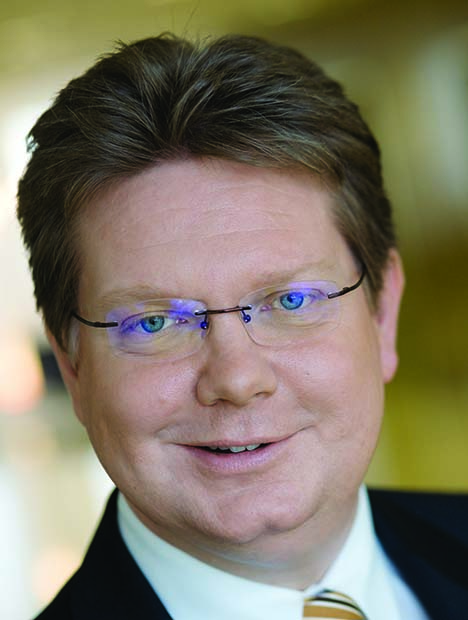
Neuhaus Arndt was born in Oberhausen in March 1966. From 1985 to 1993 he studied Chemistry and business administration at Philipps Univ. in Marburg and at Univ. of Bristol (UK). He received his degree in Chemistry in 1990, doctoral degree in natural sciences in 1992 and in business management in 1993. From 1993–1994 he spent his post-doc research period at the Univ. of California in Berkeley, USA. Following that stage he worked for McKinsey & Comp., sector basic materials industries and utility industry. In 2001 he started his career at RWE AG as Head of Group Corp. Development/Strategic Planning. In 2005 Arndt Neuhaus was appointed CFO of RWE Rhein Ruhr. 2008 to 2009 he was CFO of RWE Energy AG. 2009 to 2010 CEO RWE Rheinland Westfalen Netz AG. Since 2011 he is CEO of RWE Deutschland AG and in addition since 2014 he is CEO of RWE Retail.
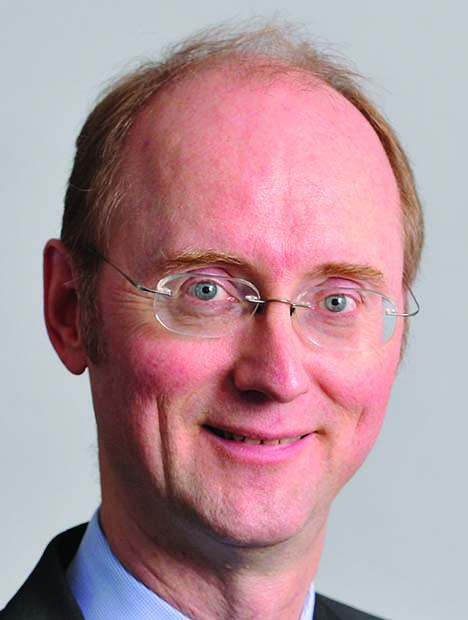
Drake Frank-Detlef is a Vice President of RWE AG and responsible for Corporate Research and Development. He joined RWE in 2002 as a Vice President in RWE's power generation business. From 2005 until early 2008 Dr. Drake was a Managing Director in RWE's international gas business. From 1995 until 2002 Dr. Drake was a management consultant with McKinsey&Company in Düsseldorf, where he was elected Partner in 2001. He worked extensively in the energy and in the chemical industry, helping clients in strategic, operational and organisational issues. Dr. Drake earned his Ph.D. at the Universität Hannover and holds Master's degrees in Mechanical Engineering both from the Universität Hannover and from the Solar Energy Lab of the University of Wisconsin, Madison (USA).
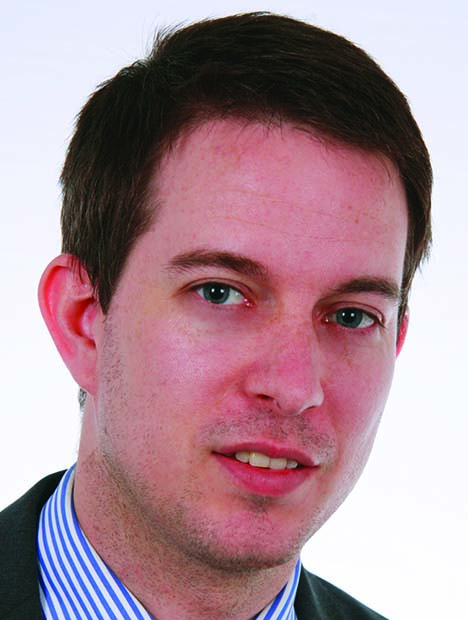
Hoffmann Gunnar studied mechanical engineering and computer science at the University of Freiberg, Germany. In his PhD he investigated concepts of Internet based device control. Mr. Hoffmann started his professional career at RWE Power within the department “Hard coal and gas fired power stations” in 2006. He concentrated on the further development and optimisation of business processes as well as operation management systems. Since the end of 2008 he is engaged at corporate research and development where he is dealing with conventional power plant technologies, decentralised energy supply and Smart Energy related issues. In that respect he is conducting profitability analyses and working out strategies for the purposeful usage of information technology. As part of an holistic system view, Mr. Hoffmann is evaluating promising solutions to integrate renewable energies. The determination of associated potential refers to a variety of technologies that are applied both in B2C and B2B markets.
Schulte Friedrich has been working in the energy industry since 1992. He is currently responsible for the corporate Research & Development strategy, structuring of the project portfolio and technology assessment on RWE Group level. Mr. Schulte's previous range of functions includes the RWE Group wide coordination of RWE R&D and other managerial positions in energy grids, IT and telecommunication business. Besides that he held the position as executive director of RWE's Venture Capital business. Until 1992 he was responsible for the development of industrial communication systems at the German research facility “Fraunhofer Institute”. Mr. Schulte achieved his degree in electrical engineering at the University of Dortmund in 1986, where he worked scientifically at the faculty of communications engineering.
©2014 by Walter de Gruyter Berlin/Munich/Boston
Articles in the same Issue
- Frontmatter
- In this issue
- Publisher's Note
- Short Reports
- Mini-Review
- Electrochemical Double Layer Capacitors and Hybrid Devices for Green Energy Applications
- Original Articles
- Energy Transport and Storage using Methanol as a Carrier
- Self-discharge Reactions in Energy Storage Devices Based on Polypyrrole-cellulose Composite Electrodes
- Expert View from Industry
- A Perspective on Energy Storage and Other Means to Integrate Increasing Shares of Renewable Electricity Generation
Articles in the same Issue
- Frontmatter
- In this issue
- Publisher's Note
- Short Reports
- Mini-Review
- Electrochemical Double Layer Capacitors and Hybrid Devices for Green Energy Applications
- Original Articles
- Energy Transport and Storage using Methanol as a Carrier
- Self-discharge Reactions in Energy Storage Devices Based on Polypyrrole-cellulose Composite Electrodes
- Expert View from Industry
- A Perspective on Energy Storage and Other Means to Integrate Increasing Shares of Renewable Electricity Generation
