Sodium alginate nanoparticles as a new transdermal vehicle of glucosamine sulfate for treatment of osteoarthritis
-
Asmaa S. El-Houssiny
Asmaa S. El-Houssiny obtained her BSc in Special Biophysics at the Faculty of Science, Cairo University, in 2007. She joined the National Research Center, Egypt, in 2008 and has been working there until now (2017). She earned an MSc in Molecular Biophysics at Cairo University in 2012. In 2017, she received her PhD in Molecular Biophysics at Cairo University, entitled “Preparation and characterization of biopolymeric nanoparticles as transdermal drug carriers for treatment of osteoarthritis on experimental animals”. Her research interests are in the fields of polymers, nanotechnology and drug delivery. She attended several conferences and workshops in Egypt. She had the chance to participate in training at the center of carbon and polymeric material in Poland, 2016. In 2017, she furthermore had the chance to participate in the 9th HOPE Meeting with Nobel Laureates in Tokyo, Japan. She published three international papers and applied for two patents at the Academy of Scientific Research and Technology, Egypt.
 ,
Azza A. Ward
,
Azza A. Ward
Azza A. Ward obtained her BSc degree from the Physics Department, Faculty of Science, at El Monoufia University, Egypt, in 1990. She joined the National Research Centre team in Egypt in 1991. She earned an MSc degree in Physics at the Faculty of Science at El Monoufia University in 1997. Her PhD degree was obtained in Physics at the Faculty of Science, Cairo University, through the DAAD Channel Program in Germany 1999–2002. She was granted the degree of Professor of Physics in 2015. She is interested in the fields of polymers, liquid crystal, experimental physics, power storage applications and dielectric spectroscopy. She shared in about eight in-house research projects and supervised two MSc and five PhD theses. She published nearly 52 national and international articles, with others running. She had the chance to attend several international conferences in Egypt and Germany and joined many workshops and scientific societies.
Dina M. Mostafa received her BSc degree in Pharmaceutical Sciences at the College of Pharmacy, Cairo University, in 1990. She has worked as a research scientist since 1990 until now (2017) at NRC, Egypt. She was granted the degree of Professor of Pharmaceutics in April 2016. She shared in about 10 in-house research projects and supervised 13 MSc and PhD theses. She cooperated in about eight patents, with one accepted in 2004. She published nearly 31 national and international articles, with others running. She shared in writing a book chapter with colleagues. She joined international conferences and scientific societies and reviewed articles for international journals.
Salwa L. Abd-El-Messieh studied at Ain Shams University where she obtained her BSc in Physics in 1984. In 1989, she received her MSc from Cairo University in Experimental Physics. She was granted a PhD degree from Cairo University in Experimental physics in 1994. Her research work began in 1984 up until now at the National Research Center, Egypt. She was granted the degree of Professor of Physics in April 2004. Her fields of research are experimental physics in general and electrical insulators and dielectric phenomena in particular. She has published nearly 80 national and international articles, with others running. She has engaged in a number of research projects and supervised eight MSc and PhD theses. She had the chance to attend several conferences and fellowships in Egypt, England, Germany, Poland, Washington and Italy.
Kamal N. Abdel-Nour studied at Cairo University where he obtained his BSc in “Physics and Chemistry” in 1962. In 1966, he was granted his MSc in “Absorption and scattering of microwave in media”. His PhD degree was obtained in 1970 from Cairo University and conducted in cooperation with Princeton University, USA. He was granted the degree of Professor of Physics in 1983. He has published 110 papers in national and international journals in the field of electrical properties and applications of microwaves in molecular physics. Under his supervision, several MSc (11) and PhD (9) degrees have been granted. He has engaged in a number of research projects and had the chance to attend several conferences and scholarships in USA, China, Spain, Poland, England, Iraq and Egypt.
Mirhane M. Darwish was granted her BSc in Biophysics at the Faculty of Science, Cairo University, in 2005. She was employed as Demonstrator of Biophysics at the Faculty of Science, Cairo University, in 2006. In 2009, she gained her MSc in Biophysics at Cairo University. She earned her PhD in Biophysics at Cairo University in 2012 entitled “Characterization and Optimization of alginate-chitosan nanoparticles as an insulin carrier”. She has worked as a lecturer of Biophysics at the Faculty of Science, Cairo University, from 2012 till now. She attended several conferences and workshops in Egypt. She published five international papers and supervised three MSc and two PhD theses. Her fields of research lie in biophysics, liposome, nanotechnology and drug delivery.
Wafaa A. Khalil was granted the degree of BSc in Physics at the Faculty of Science, Cairo University, in 1969. In 1974, she gained her MSc at the Faculty of Science, Cairo University. She was granted the PhD degree at Cairo University in 1980. Since 1994, she occupies the position of Professor of Biophysics at the Faculty of Science, Cairo University. She is part of one of the scientific groups that established the Biophysics Department at the Faculty of Science, Cairo University. She has supervised a large number of MSc (32) and PhD (27) theses in physics, biophysics and related fields. Her research interests are in the fields of health physics application of drug carriers and nanoparticles in medicine, nuclear medicine and radiotherapy. She is a member of several national scientific committees in Egypt.

Abstract
Glucosamine sulfate (GS) has been used orally for the treatment of osteoarthritis (OA). However, it may be susceptible to the liver first pass phenomenon, which greatly affects its bioavailability, in addition to its side effects on the gastrointestinal tract. Alginate nanoparticles (Alg NPs) were investigated as a new drug carrier for transdermal delivery of GS to improve its effectiveness and reduce side effects. GS-Alg NPs were characterized by encapsulation efficiency, NP yield, particle size and surface charge properties. The in vitro release studies of GS and the ex vivo permeability through rat skin were determined using a UV-Vis spectrophotometer. GS-Alg NPs are within the nanometer range of size. High negative surface charge values are obtained and indicate the high suspension stability of the prepared formulation. The in vitro release studies showed that GS is released from Alg NPs in a sustained and prolonged manner. The ex vivo permeability of GS through rat skin is enhanced significantly after encapsulation in the negatively charged Alg NPs. We successfully reported a highly stable nanoparticlulate system using Alg NPs that permits the encapsulation of GS for topical administration, overcoming the disadvantages of oral administration.
About the authors

Asmaa S. El-Houssiny obtained her BSc in Special Biophysics at the Faculty of Science, Cairo University, in 2007. She joined the National Research Center, Egypt, in 2008 and has been working there until now (2017). She earned an MSc in Molecular Biophysics at Cairo University in 2012. In 2017, she received her PhD in Molecular Biophysics at Cairo University, entitled “Preparation and characterization of biopolymeric nanoparticles as transdermal drug carriers for treatment of osteoarthritis on experimental animals”. Her research interests are in the fields of polymers, nanotechnology and drug delivery. She attended several conferences and workshops in Egypt. She had the chance to participate in training at the center of carbon and polymeric material in Poland, 2016. In 2017, she furthermore had the chance to participate in the 9th HOPE Meeting with Nobel Laureates in Tokyo, Japan. She published three international papers and applied for two patents at the Academy of Scientific Research and Technology, Egypt.
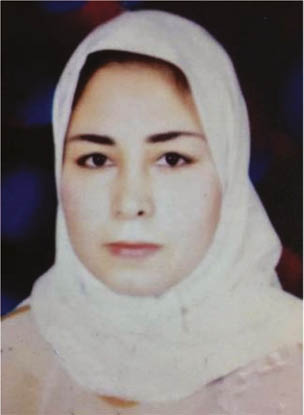
Azza A. Ward obtained her BSc degree from the Physics Department, Faculty of Science, at El Monoufia University, Egypt, in 1990. She joined the National Research Centre team in Egypt in 1991. She earned an MSc degree in Physics at the Faculty of Science at El Monoufia University in 1997. Her PhD degree was obtained in Physics at the Faculty of Science, Cairo University, through the DAAD Channel Program in Germany 1999–2002. She was granted the degree of Professor of Physics in 2015. She is interested in the fields of polymers, liquid crystal, experimental physics, power storage applications and dielectric spectroscopy. She shared in about eight in-house research projects and supervised two MSc and five PhD theses. She published nearly 52 national and international articles, with others running. She had the chance to attend several international conferences in Egypt and Germany and joined many workshops and scientific societies.
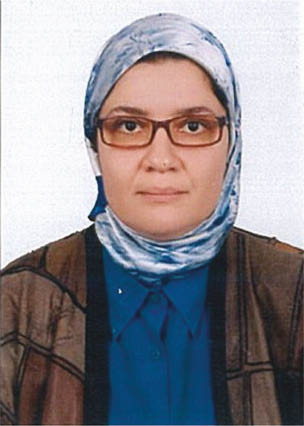
Dina M. Mostafa received her BSc degree in Pharmaceutical Sciences at the College of Pharmacy, Cairo University, in 1990. She has worked as a research scientist since 1990 until now (2017) at NRC, Egypt. She was granted the degree of Professor of Pharmaceutics in April 2016. She shared in about 10 in-house research projects and supervised 13 MSc and PhD theses. She cooperated in about eight patents, with one accepted in 2004. She published nearly 31 national and international articles, with others running. She shared in writing a book chapter with colleagues. She joined international conferences and scientific societies and reviewed articles for international journals.

Salwa L. Abd-El-Messieh studied at Ain Shams University where she obtained her BSc in Physics in 1984. In 1989, she received her MSc from Cairo University in Experimental Physics. She was granted a PhD degree from Cairo University in Experimental physics in 1994. Her research work began in 1984 up until now at the National Research Center, Egypt. She was granted the degree of Professor of Physics in April 2004. Her fields of research are experimental physics in general and electrical insulators and dielectric phenomena in particular. She has published nearly 80 national and international articles, with others running. She has engaged in a number of research projects and supervised eight MSc and PhD theses. She had the chance to attend several conferences and fellowships in Egypt, England, Germany, Poland, Washington and Italy.

Kamal N. Abdel-Nour studied at Cairo University where he obtained his BSc in “Physics and Chemistry” in 1962. In 1966, he was granted his MSc in “Absorption and scattering of microwave in media”. His PhD degree was obtained in 1970 from Cairo University and conducted in cooperation with Princeton University, USA. He was granted the degree of Professor of Physics in 1983. He has published 110 papers in national and international journals in the field of electrical properties and applications of microwaves in molecular physics. Under his supervision, several MSc (11) and PhD (9) degrees have been granted. He has engaged in a number of research projects and had the chance to attend several conferences and scholarships in USA, China, Spain, Poland, England, Iraq and Egypt.

Mirhane M. Darwish was granted her BSc in Biophysics at the Faculty of Science, Cairo University, in 2005. She was employed as Demonstrator of Biophysics at the Faculty of Science, Cairo University, in 2006. In 2009, she gained her MSc in Biophysics at Cairo University. She earned her PhD in Biophysics at Cairo University in 2012 entitled “Characterization and Optimization of alginate-chitosan nanoparticles as an insulin carrier”. She has worked as a lecturer of Biophysics at the Faculty of Science, Cairo University, from 2012 till now. She attended several conferences and workshops in Egypt. She published five international papers and supervised three MSc and two PhD theses. Her fields of research lie in biophysics, liposome, nanotechnology and drug delivery.
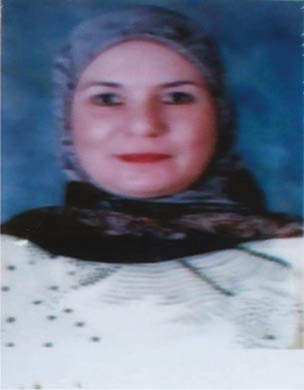
Wafaa A. Khalil was granted the degree of BSc in Physics at the Faculty of Science, Cairo University, in 1969. In 1974, she gained her MSc at the Faculty of Science, Cairo University. She was granted the PhD degree at Cairo University in 1980. Since 1994, she occupies the position of Professor of Biophysics at the Faculty of Science, Cairo University. She is part of one of the scientific groups that established the Biophysics Department at the Faculty of Science, Cairo University. She has supervised a large number of MSc (32) and PhD (27) theses in physics, biophysics and related fields. Her research interests are in the fields of health physics application of drug carriers and nanoparticles in medicine, nuclear medicine and radiotherapy. She is a member of several national scientific committees in Egypt.
Conflict of interest statement: Authors state no conflict of interest. All authors have read the journal’s publication ethics and publication malpractice statement available at the journal’s website and hereby confirm that they comply with all its parts applicable to the present scientific work.
References
1. Resnick D, Niwayama G. Degenerative disease of extraspinal locations. In: Resnick D, editor. Diagnosis of bone and joint disorders. USA: Saunders Publisher Ed 3 1995, 1263–371.Suche in Google Scholar
2. Bjordal JM, Ljunggren AE, Klovning A, Slordal L. Non-steroidal anti-inflammatory drugs, including cyclo-oxygenase-2 inhibitors, in osteoarthritis knee pain: meta-analysis of randomised placebo controlled trials. Br Med J 2004;329:1317–22.10.1136/bmj.38273.626655.63Suche in Google Scholar
3. Gerwin N, Hops C, Lucke A. Intra-articular drug delivery in osteoarthritis. Adv Drug Deliver Rev 2006;58:226–42.10.1016/j.addr.2006.01.018Suche in Google Scholar
4. Henrotin Y, Mobasheri A, Marty M. Is there any scientific evidence for the use of glucosamine in the management of human osteoarthritis? Arthritis Res Ther 2012;14:1–10.10.1186/ar3657Suche in Google Scholar
5. Bassleer C, Rovati L, Franchimont P. Stimulation of proteoglycan production by glucosamine sulfate in chondrocytes isolated from human osteoarthritic articular cartilage in vitro. Osteoarthr Cartil 1998;6:427–34.10.1053/joca.1998.0146Suche in Google Scholar PubMed
6. Setnikar I, Rovati LC. Absorption, distribution, metabolism and excretion of glucosamine sulfate. Arzneimittelforschung 2001;51:699–725.10.1055/s-0031-1300105Suche in Google Scholar PubMed
7. Lee CW, Li Z, Patel K, Olobo JO, Lee EJD, Goh LB. The transdermal profiles of MediflexTM glucosamine cream in mouse and man. Indonesia: National Congress of Indonesian Society of Rheumatology, 2005:1–9.Suche in Google Scholar
8. Prausnitz MR, Elias PM, Franz TJ, Schmuth M, Tsai J-C, Menon GK, et al. Skin barrier and transdermal drug delivery. Chapter 2012;124:2065–74.Suche in Google Scholar
9. Raut SV, Nemade LS, Desai MT, Bonde SD, Dongare SU. Chemical penetration enhancer for transdermal drug delivery systems. Int J Pharm Rev Res 2014;4:33–40.Suche in Google Scholar
10. Marimuthu M, Bennet D, Kim S. Self-assembled nanoparticles of PLGA-conjugated glucosamine as a sustained transdermal drug delivery vehicle. Polym J 2013;45:202–9.10.1038/pj.2012.103Suche in Google Scholar
11. Tian J, Wong KK, Ho CM, Lok CN, Yu WY, Che CM, et al. Topical delivery of silver nanoparticles promotes wound healing. Chem Med Chem 2007;2:129–36.10.1002/cmdc.200600171Suche in Google Scholar
12. Yurdasiper A, Sevgi F. An overview of modified release chitosan, alginate and eudragit RS Microparticles. J Chem Pharm Res 2010;2:704–21.Suche in Google Scholar
13. El-Houssiny AS, Ward AA, Mostafa DM, Abd-El-Messieh SL, Abdel-Nour KN, Darwish MM, et al. Drug–polymer interaction between glucosamine sulfate and alginate nanoparticles: FTIR, DSC and dielectric spectroscopy studies. Adv Nat Sci Nanosci Nanotechnol 2016;7:1–9.10.1088/2043-6262/7/2/025014Suche in Google Scholar
14. Govender T, Stolnik S, Garnett MG, Ilium L, Davis SS. PLGA nanoparticles prepared by nanoprecipitation: drug loading and release studies of a water soluble drug. J Cont Rel 1999;57:171–85.10.1016/S0168-3659(98)00116-3Suche in Google Scholar
15. Wu Y, Hussain M, Fssihi T. Development of a simple analytical methodology for determination of glucosamine release from modified release matrix tablets. J Pharm Biom Anal 2005;38:263–9.10.1016/j.jpba.2005.01.001Suche in Google Scholar PubMed
16. Costa P, Lobo JMS. Modelling and comparison of dissolution profiles. Eur J Pharm Sci 2001;13:123–33.10.1016/S0928-0987(01)00095-1Suche in Google Scholar
17. Gao Y, Zuo J, Bou-Chacra N, Pinto TJA, Clas SD, Walker RB, et al. In vitro release kinetics of antituberculosis drugs from nanoparticles assessed using a modified dissolution apparatus. BioMed Res Int 2013;2013:1–9.Suche in Google Scholar
18. Ueda M, Iwara A, Kreuter J. Influence of the preparation methods on the drying release behavior of loperamide-loaded nanoparticles. J Microencapsulation 1998;15:361–72.10.3109/02652049809006863Suche in Google Scholar
19. Peng D, Hung K, Liu Y, Lin S. Preparation of novel polymeric microspheres for controlled release of finasteride. Int J Pharm 2007;342:82–6.10.1016/j.ijpharm.2007.05.002Suche in Google Scholar PubMed
20. Gaumet M, Vargas A, Gurny R, Delie F. Nanoparticles for drug delivery: the need for precision in reporting particle size parameters. Eur J Pharm Biopharm 2008;69:1–9.10.1016/j.ejpb.2007.08.001Suche in Google Scholar PubMed
21. McClean S, Prosser E, Meehan E, O’Malley D, Clarke N, Ramtoola Z. Binding and uptake of biodegradable poly-lactide micro and nanoparticles in intestinal epithelia. Eur J Pharm Sci 1998;6:153–63.10.1016/S0928-0987(97)10007-0Suche in Google Scholar PubMed
22. Prabha S, Zhou W-Z, Panyam J, Labhasetwar V. Size dependency of nanoparticle-mediated gene transfection: studies with fractionated nanoparticles. Int J Pharm 2002;244:105–15.10.1016/S0378-5173(02)00315-0Suche in Google Scholar PubMed
23. Barry BW. Novel mechanisms and devices to enable successful transdermal drug delivery. Eur J Pharm Sci 2001;14:101–14.10.1016/S0928-0987(01)00167-1Suche in Google Scholar PubMed
24. Patila S, Sandberg A, Heckert E, Self W, Sea S. Protein adsorption and cellular uptake of cerium oxide nanoparticles as a function of zeta potential. Biomaterials 2007;28: 4600–7.10.1016/j.biomaterials.2007.07.029Suche in Google Scholar PubMed PubMed Central
25. Chen Ch, Tsai TH, Huang ZR, Fang JY. Effects of lipophilic emulsifiers on the oral administration of lovastatin from nanostructured lipid carriers: physicochemical characterization and pharmacokinetics. Eur J Pharm Biopharm 2010;74:474–82.10.1016/j.ejpb.2009.12.008Suche in Google Scholar PubMed
26. Yang SG, Chang JE, Shin B, Park S, Na K, Shim CK. 99mTchematoporphyrin linked albumin nanoparticles for lung cancer targeted photodynamic therapy and imaging. J Mater Chem 2010;20:9042–6.10.1039/c0jm01544jSuche in Google Scholar
27. Zeta Potential: An Introduction in 30 Minutes. https://caliscc.org/images/presentations/Morante_Zeta_Potential.pdf. Accessed on March 31, 2014.Suche in Google Scholar
28. Goh CH, Heng PWS, Chan LW. Alginates as a useful natural polymer for microencapsulation and therapeutic applications. Carbohyd Polym 2012;88:1–12.10.1016/j.carbpol.2011.11.012Suche in Google Scholar
29. Ahmad Z, Pandey R, Sharma S, Khuller GK. Pharmacokinetic and pharmacodynamic behaviour of antitubercular drugs encapsulated in alginate nanoparticles at two doses. Int J Antimicrobial Agents 2006;27:409–16.10.1016/j.ijantimicag.2005.12.009Suche in Google Scholar PubMed
30. Khan KA. The concept of dissolution efficiency. J Pharm Pharmacol 1975;27;48–9.10.1111/j.2042-7158.1975.tb09378.xSuche in Google Scholar PubMed
31. Mandal B. Preparation and physicochemical characterization of eudragit® RL100 nanosuspension with potential for ocular delivery of sulfacetamide. J Pharm Sci 2010;13:500–23.10.18433/J3SW2TSuche in Google Scholar
32. Dounighi NM, Eskandari R, Avadi MR, Zolfagharian H, Sadeghi AMM, Rezayat M. Preparation and in vitro characterization of chitosan nanoparticles containing Mesobuthus eupeus scorpion venom as an antigen delivery system. J Venom Anim Toxins Incl Trop Dis 2012;18:44–52.10.1590/S1678-91992012000100006Suche in Google Scholar
33. Sugita P, Ambarsari L, Sari YA, Nugraha Y. Ketoprofen encapsulation optimization with chitosan-alginate cross-linked with sodium tripolyphosphate and its realease mechanism determination using in vitro dissolution. Int J Res Rev Appl Sci 2013;14:141–9.Suche in Google Scholar
34. El-Houssiny AS, Ward AA, Mostafa DM, Abd-El-Messieh SL, Abdel-Nour KN, Darwish MM, et al. A newly developed transdermal treatment of osteoarthritis using gelatin nanoparticles. I. J Biological Pharmaceutical Res 2015;6:264–72.Suche in Google Scholar
35. Schroeder IZ, Franke P, Schaefer UF, Lehr CM. Delivery of ethinylestradiol from film forming polymeric solutions across human epidermis in vitro and in vivo in pigs. J Cont Rel 2007;118;196–203.10.1016/j.jconrel.2006.12.013Suche in Google Scholar PubMed
36. Morykwas MJ, Thornton JW, Bartlett RH. Zeta potential of synthetic and biological skin substitutes: effects on initial adherence. Plast Reconstr Surg 1987;79:732–9.10.1097/00006534-198705000-00009Suche in Google Scholar PubMed
37. Reis CP. Encapsulation of peptide drugs by using emulsification/internalgelation method. PhD Thesis, Faculty of Pharmacy, University of Coimbra, Portugal, 2007.Suche in Google Scholar
38. Damgé C, Reis CP, Maincent P. Nanoparticle strategies for the oral delivery of insulin. Exp Opin Drug Deliv 2008;5:45–68.10.1517/17425247.5.1.45Suche in Google Scholar PubMed
39. Win KY, Feng SS. Effects of particle size and surface coating on cellular uptake of polymeric nanoparticles for oral delivery of anticancer drugs. Biomaterials 2005;26:2713–22.10.1016/j.biomaterials.2004.07.050Suche in Google Scholar PubMed
40. Limbach LK, Li Y, Grass RN, Brunner TJ, Hintermann MA, Muller M. Oxide nanoparticle uptake in human lung fibroblasts: effects of particle size, agglomeration, and diffusion at low concentrations. Environ Sci Technol 2005;39:9370–6.10.1021/es051043oSuche in Google Scholar PubMed
41. Wolinsky JB, Grinstaff MW. Therapeutic and diagnostic applications of dendrimers for cancer treatment. Adv Drug Deliver Rev 2008;60:1037–55.10.1016/j.addr.2008.02.012Suche in Google Scholar
42. Kreuter J. Nanoparticulate systems for brain delivery of drugs. Adv Drug Deliver Rev 2001;47:65–81.10.1016/S0169-409X(00)00122-8Suche in Google Scholar
43. Sinico C, Manconi M, Peppi M, Lai F, Valenti D, Fadda AM. Liposomes as carriers for dermal delivery of tretinoin: in vitro evaluation of drug permeation and vesicle skin interaction. J Cont Rel 2005;103:123–36.10.1016/j.jconrel.2004.11.020Suche in Google Scholar
44. Cui Z, Mumper RJ. Chitosan-based nanoparticles for topical immunization. J Cont Rel 2001;75:409–19.10.1016/S0168-3659(01)00407-2Suche in Google Scholar
45. Lee O, Jeong SH, Shin WU, Lee G, Oh C, Son SW. Influence of surface charge of gold nanorods on skin penetration. Skin Research and Technology 2013;19:e390–6.10.1111/j.1600-0846.2012.00656.xSuche in Google Scholar PubMed
©2017 Walter de Gruyter GmbH, Berlin/Boston
Artikel in diesem Heft
- Frontmatter
- In this issue
- Review
- Endoscopic imaging using surface-enhanced Raman scattering
- Original Articles
- Sodium alginate nanoparticles as a new transdermal vehicle of glucosamine sulfate for treatment of osteoarthritis
- Tailor-made mucoadhesive lipid nanogel improves oromucosal antimycotic activity of encapsulated miconazole nitrate
- Disulfiram and disulfiram-loaded poly-[lactide-co-glycolic acid] nanoparticles modulate metastatic markers and proteasomal activity in hepatocarcinoma Hep3b cell line
Artikel in diesem Heft
- Frontmatter
- In this issue
- Review
- Endoscopic imaging using surface-enhanced Raman scattering
- Original Articles
- Sodium alginate nanoparticles as a new transdermal vehicle of glucosamine sulfate for treatment of osteoarthritis
- Tailor-made mucoadhesive lipid nanogel improves oromucosal antimycotic activity of encapsulated miconazole nitrate
- Disulfiram and disulfiram-loaded poly-[lactide-co-glycolic acid] nanoparticles modulate metastatic markers and proteasomal activity in hepatocarcinoma Hep3b cell line
