Greenness of official sample preparation standard methods
-

1. Introduction
Analytical chemistry plays a crucial role in evaluating the environmental condition of various systems. However, it can also contribute to environmental issues due to the utilization and production of harmful substances throughout the analytical process, as well as indirect effects stemming from high energy consumption. These contradictory aspects were brought to light by Paul Anastas shortly after the introduction of Green Chemistry, and the concept of Green Analytical Chemistry (GAC) emerged as a relevant field in both research and industry. In 2013, the 12 principles of GAC were formulated, emphasizing the significance of safeguarding the environment and human well-being when developing and utilizing analytical methods.
A chemical measurement procedure consists of multiple stages: sampling, sample preparation, analytical measurement, and data evaluation. During the sample preparation step, samples are frequently modified to ensure compatibility with the analytical instruments used, cleaned up from interfering matrix components, or, in other cases, analytes are enriched to meet the sensitivity needs of the analytical method. Traditional sample preparation methods can be energy-consuming and often require large quantities of toxic solvents and reagents. Consequently, the first principle of Green Analytical Chemistry (GAC) recommends using direct analytical techniques to avoid the sample preparation step. However, direct analysis is not always an option, and not always carry less environmental impact. Sample preparation has been and will be in the foreseeable future a crucial step in analytical process and efforts should be focused on promoting advancements in green technologies within the field. A detailed understanding of the environmental footprint of sample preparation within the chemical measurement continuum will be a major contributor to a sustainable analytical chemistry.
2. The IUPAC Project
There has been unprecedented growth in the sample preparation field. Several contemporary and mature sample preparation technologies fulfill the requirements for greening this critical step in analysis while maintaining (or even improving) the analytical features of the overall method. However, despite these advances, many official analytical methods still rely on traditional sample preparation procedures that use harmful solvents and generate large amounts of toxic laboratory waste, among others. The IUPAC project #2021-015-2-500 aims to evaluate the greenness of official standard methods for sample preparation, such as those provided by ISO, CEN, US EPA, AOAC, IFRA, ASTM, and Pharmacopoeia. The assessment includes methods used for analyzing regulated chemicals in various sectors such as the environment, agriculture, food, and pharmaceuticals. The final goal of the project is to propose greener alternatives that exhibit comparable or even superior overall method performance.
The concept of green sample preparation was initially formulated to evaluate the greenness of official sample preparation standard methods. Subsequently, a new quantitative metric tool was developed, dedicated to the quantification of the environmental impact of sample preparation methods. This green metric is currently used for the evaluation of official standard methods.
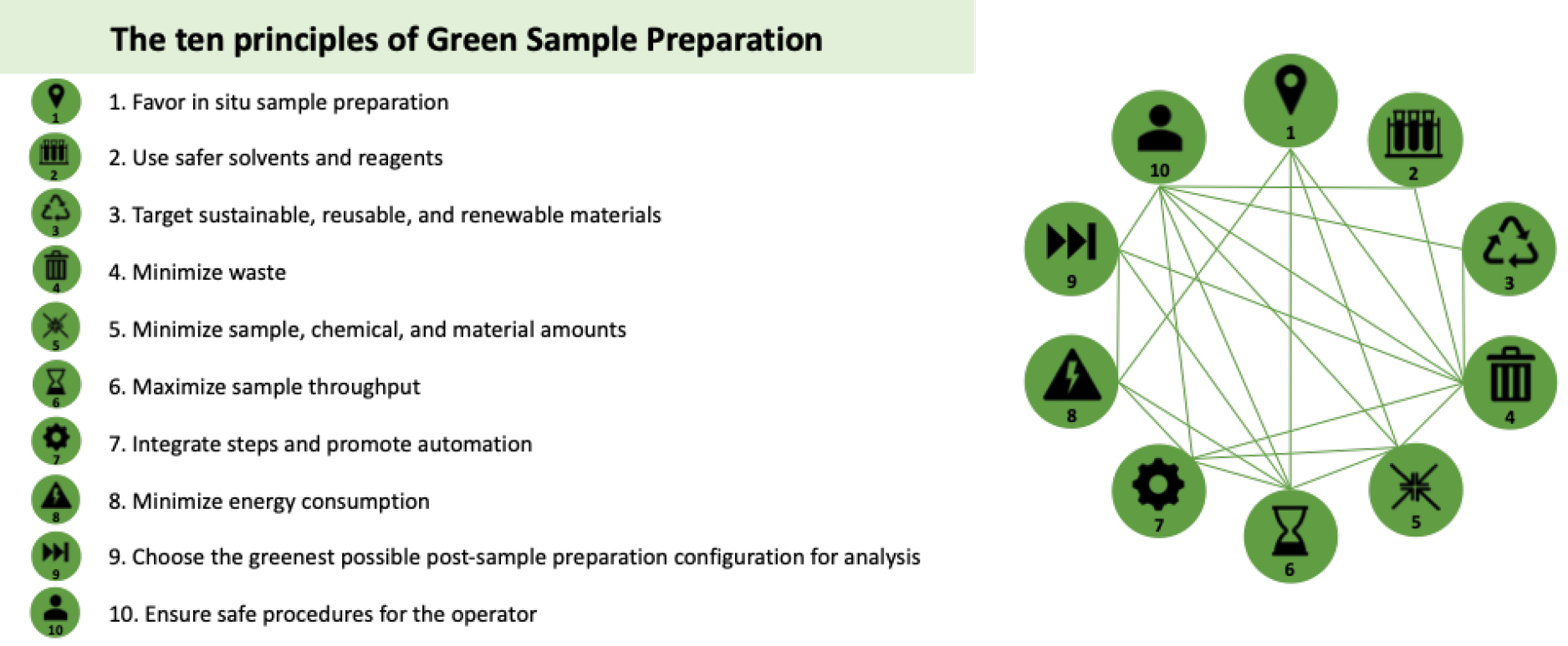
Fig. 1. The ten principles of GSP and their interconnections. Adapted from 10.1016/j.trac.2022.116530
The project currently includes members from academia, IUPAC/Analytical Chemistry Division, EuChemS/Division of Analytical Chemistry, private companies, and national standard bodies. To meet the final goal of developing a roadmap for greener alternative analytical methods, the next steps will involve the establishment of a permanent network of experts, instrument manufacturers, consumable suppliers, major routine laboratories, and key standardization bodies, all actively working on this topic. This network will foster a common understanding of the greenness of sample preparation and promote its practice. It will serve as a platform for discussions through events and publications, creating opportunities for in-depth conversations on official standard methods and their level of environmental friendliness. By bringing together stakeholders from various sectors, the network will enable collaborative efforts to drive the implementation of greener practices in the field of analytical chemistry.
3. The principles of Green Sample Preparation
In 2022, members of the IUPAC project #2021-015-2-500 introduced the concept of Green Sample Preparation (GSP) through the formulation of ten principles shown in Fig. 1 (DOI: 10.1016/j.trac.2022.116530). These principles were developed to comprehensively describe the underlying structure, properties, and mechanisms of GSP. The ten principles were not independent but formed an integrated system of design (Fig. 1), where improvements aligned with one principle could synergistically address the deficiencies associated with other interconnected principles. The aspects considered by GSP included the use of safe solvents/reagents, materials being reusable and originated from renewable/recycled sources, minimizing waste generation and energy demand, minimization of samples, chemicals, and materials, procedure simplification and automation, operator’s safety, and maximizing the number of prepared samples per unit time.
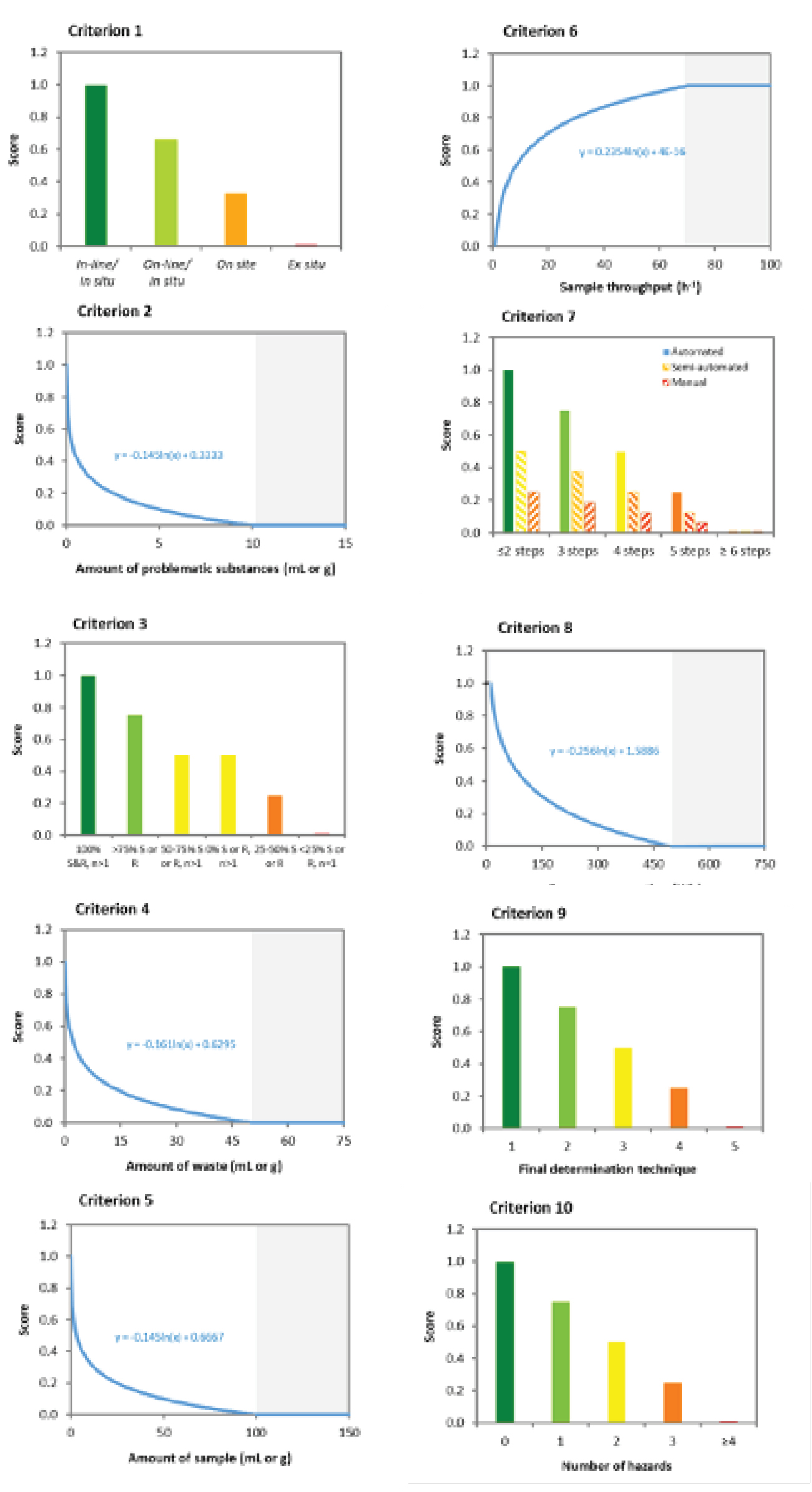
Fig. 2. Graphical representation of the functions applied for the assessment of the evaluated criteria.
The concept of GSP set goals that were common to GAC but also had several distinctive and innovative features. This is because GSP placed sample preparation in a central position and defined greenness based on the specific needs and requirements of the sample preparation step. By doing so, GSP emphasized the critical role of sample preparation in achieving environmentally friendly analytical methods. More than a year after its introduction, GSP has gained acceptance and is being implemented in a wide range of research and practical settings within the field.
4. AGREEprep the first Analytical Greenness Metric for Sample Preparation
The first metric tool for evaluating the analytical greenness of sample preparation methods was introduced in 2022 by members of the IUPAC project (DOI: 10.1016/j.trac.2022.116553). The green metric, termed AGREEprep, uses ten assessment steps related to the ten principles of GSP. These ten individual assessment steps take scores ranging from 0 to 1, with the extremes representing the worst and ultimate performance, respectively. These levels were selected by considering the experimental conditions used in a wide range of conventional and state-of-the-art sample preparation approaches previously reported in the literature (Fig. 2). Each criterion has a default weight to the overall score. Assessors may change the default weights and adjust them to their analytical goals, provided they justify these changes. The scores from each criterion are weighted and combined to yield the overall score ranging from 0 to 1, with 1 representing optimum performance or absence of a sample preparation step.
AGREEprep uses open-source software to calculate and display results. The software can be obtained from mostwiedzy.pl/AGREEprep; the code is available at git.pg.edu.pl/p174235/agreeprep. AGREEprep requests input data for each of the ten steps of assessment. After completion of the evaluation, it produces a round pictogram with a circle in the center that shows the overall score, surrounded by ten trapezoid bars corresponding to the ten criteria, each having a length equivalent to the assigned weight. The color of each element changes after evaluation, thus providing an easy way to identify the weak and strong points of the procedure and their contribution to the final score. A detailed tutorial was also published in 2022 that serves as an in-depth yet simple guide for new users that elucidates all aspects of the greenness assessment (DOI: 10.1016/j.sampre.2022.100025).
Compared to other published metrics, AGREEprep provides appropriate levels of accuracy and specificity for assessing the environmental impact of sample preparation methods, mainly because previously published metrics did not give sufficient attention to the sample preparation step. In addition to evaluating greenness, AGREEprep assessment can effectively identify the strong and weak aspects of methods, thereby facilitating the greening of sample preparation procedures.
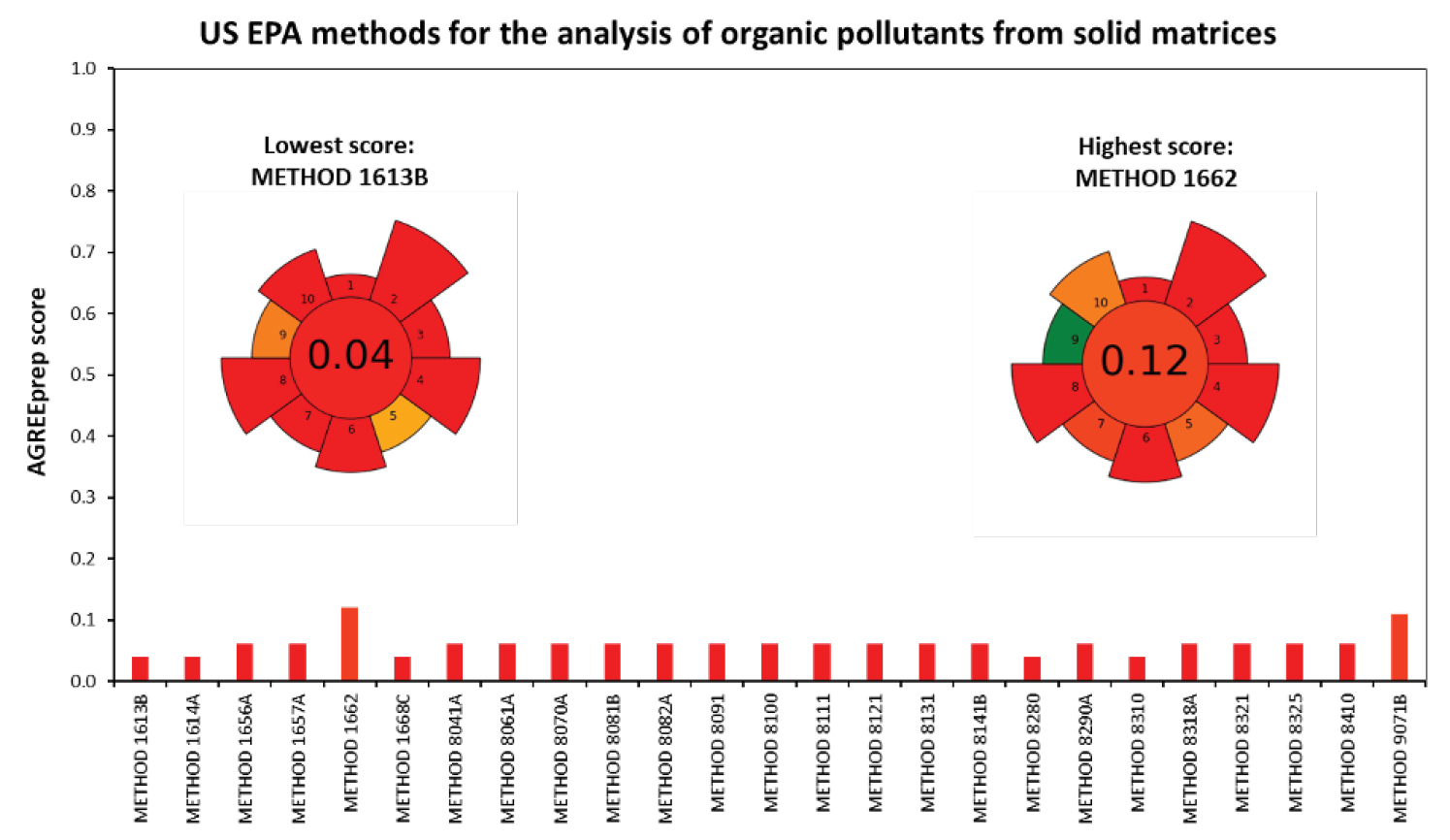
Fig. 3. AGREEprep scores of the evaluated US EPA methods for the analysis of organic pollutants from solid matrices
5. Initial results on the greenness of official sample preparation standard methods
The members of the IUPAC project are organized into four working groups: environmental/organics, food, inorganic, and biological applications. These groups are responsible for ongoing evaluations of official sample preparation standard methods. Over the past year, a considerable number of official standard methods dealing with environmental analysis of organic and inorganic compounds and food analyses have been evaluated using AGREEprep.
Twenty-five reference methods from the United States Environmental Protection Agency (US EPA), which rely on Soxhlet extraction for the analysis of solid samples like sediments and fish tissues, were initially evaluated. These methods covered a wide range of environmental applications for the determination of different persistent organic pollutants, such as pesticides, halogenated compounds, N-containing compounds, and endocrine disruptors, among others. However, in most cases, Soxhlet extraction was time-consuming and involved the use of significant amounts of solvents and energy for extended periods. Moreover, before and after Soxhlet extraction, samples were submitted to additional treatment processes such as drying, cleanup and evaporation, thus consuming extra amounts of reagents/solvents, energy, and time. As a result, the obtained AGREEprep scores for these selected US EPA methods (Fig. 3) exhibited very low levels of environmental greenness, with the final scores ranging from 0.04 to 0.12.
Furthermore, fifteen official methods from AOAC INTERNATIONAL, which focus on food analysis, have also been evaluated. They covered a wide range of applications, from food safety (such as the determination of target pesticides in pesticide formulations, pesticide residues in foods, and impurities in food additives) to food integrity with the determination of some of their representative active ingredients (e.g., caffeine in roasted coffee). The sample preparation step of the selected AOAC methods consisted of traditional sample preparation methods, i.e., Soxhlet extraction, maceration, or digestion with organic solvents. They revealed a significantly low level of environmental greenness, with final values ranging between 0.05 and 0.22 (Fig. 4). Generally, the methods examined employed relatively simple post-sample preparation measurement techniques, such as gravimetric or spectrophotometric analysis, having a minimal environmental impact. However, the simplicity of the determination step, combined with the complexity of the food matrix, imposed the use of highly selective sample preparation techniques. As a result, all the methods involved a large number of discrete steps and required manual execution with significant operator involvement. This made the sample preparation step extremely time-consuming, negatively impacting the greenness of the method but also the accuracy of the results. Moreover, the methods under evaluation involved multiple and long heating steps that were energy-consuming. Another critical aspect of the evaluated methods was the extensive use of reagents and materials that were highly toxic and posed significant health risks to the operators. Among the particularly hazardous substances used in the methods were asbestos, benzene, and mercury.
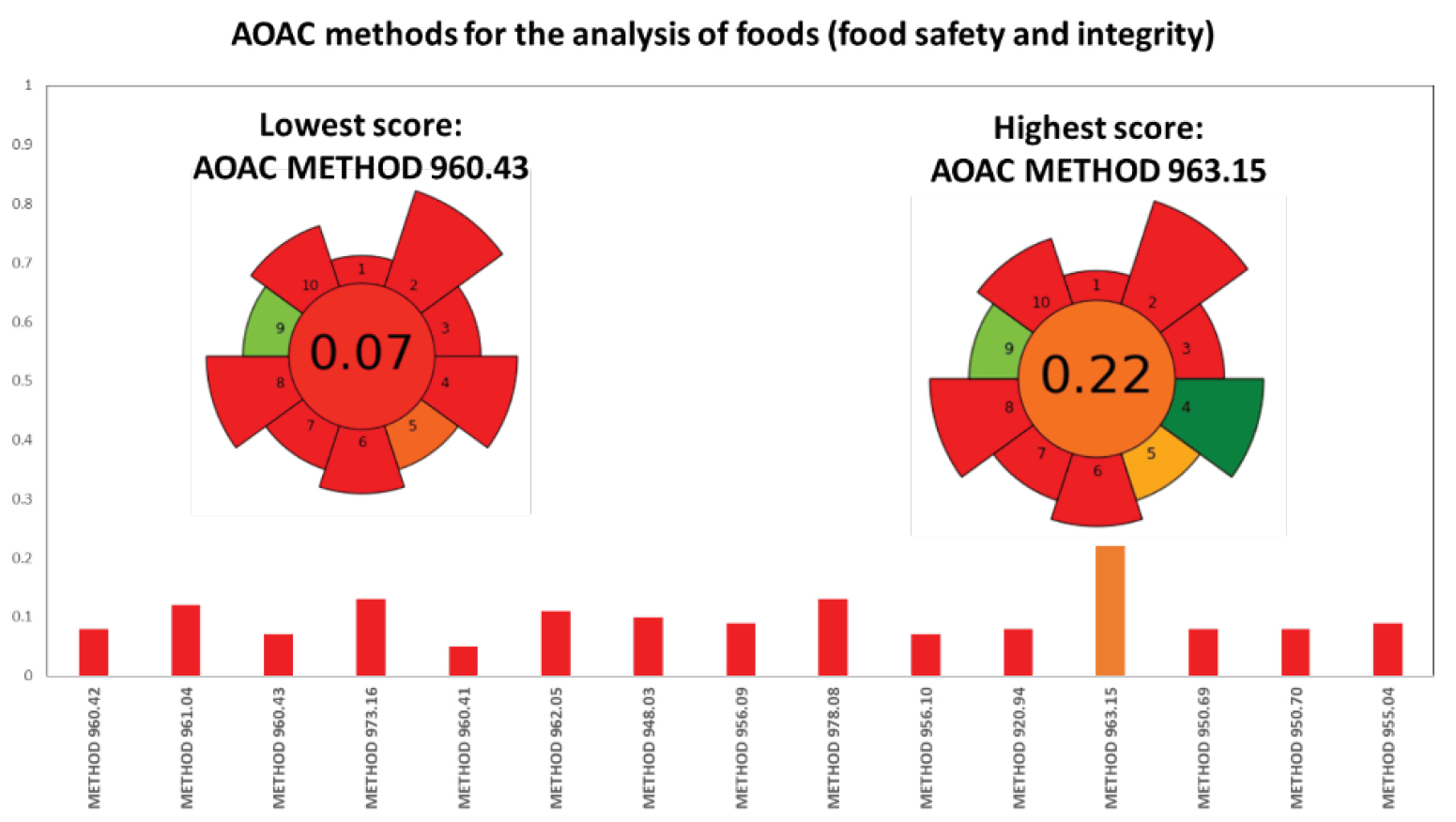
Fig. 4. AGREEprep score of the evaluated AOAC methods for the analysis of foods (food safety and integrity)
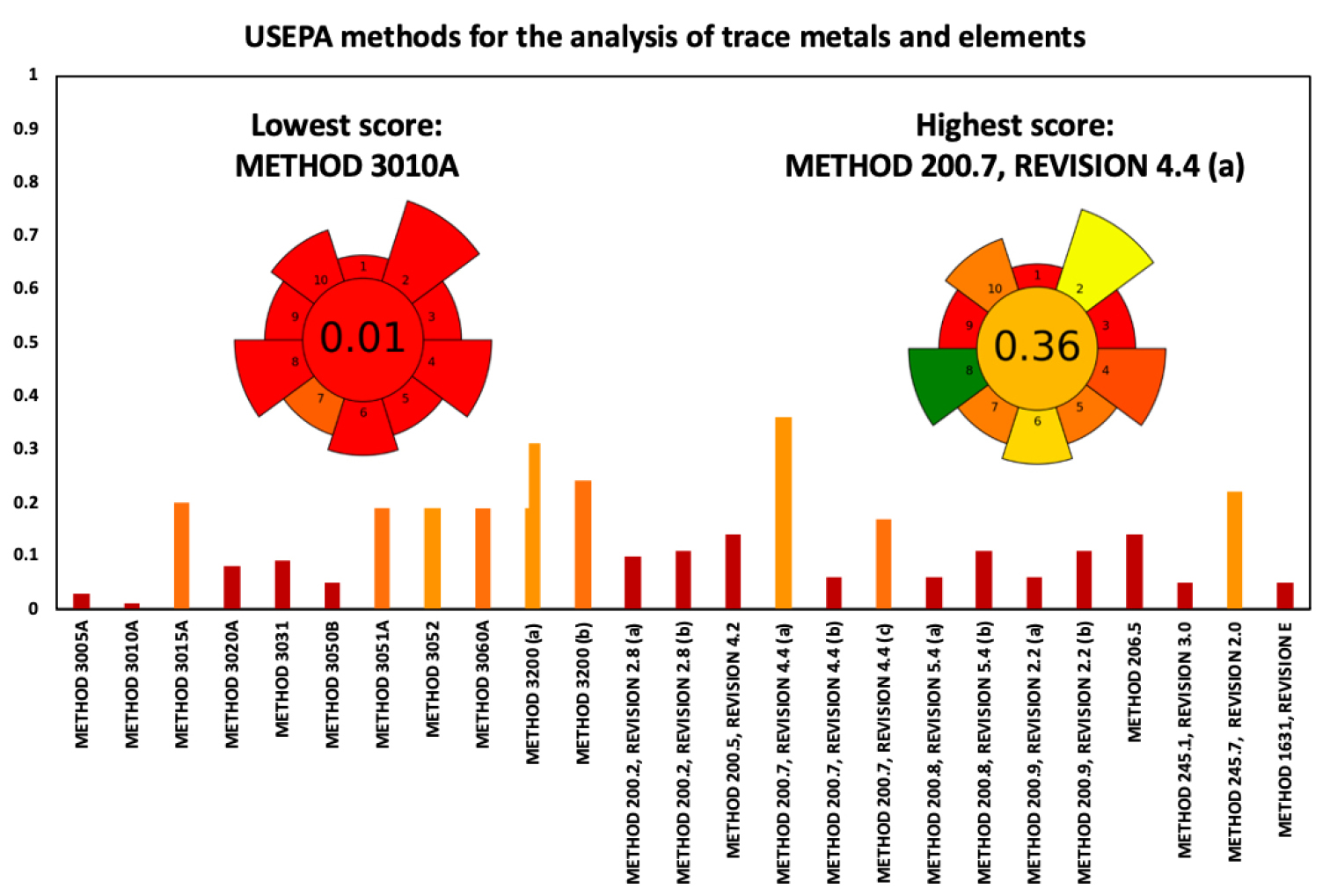
Fig. 5. AGREEprep score of the evaluated US EPA methods for the analysis of trace metals and elements.
Last, twenty-five USEPA methods dealing with the analysis of trace metals and elements in aqueous and solid samples were evaluated using AGREEprep. The sample preparation methods mainly involved acid digestion, although microwave-assisted extraction and solid-phase extraction were also considered. The assessment of greenness using AGREEprep resulted in scores ranging from 0.01 to 0.36. The most common drawback was the use of large amounts of mineral acids producing a total mass of waste above the critical value of 50 g (or mL) per sample. Additionally, the majority of the evaluated sample preparation methods were also coupled to energy-demanding analytical instrumentation, with only one method receiving a satisfactory score in this regard. Automation and simplicity of methods, as well as operator’s safety were also not genuine features of the methods evaluated. The summary of the evaluation results of selected USEPA methods is reported in Fig. 5.
6. Conclusions
The IUPAC project continues to evaluate the environmental impact of official sample preparation standard methods. It disseminates the need to rethink sample preparation and analysis when developing new official standard methods. The permanent network to be created will promote a common understanding of greenness degrees and collaborate towards greener and safer official sample preparation standard methods. Technical committees and working groups developing standardized analytical methods could use the outcome of this project to evaluate new proposals for methods. Ultimately new methods should obtain a “greenness” label as a metric of the footprint. Moreover, instrument manufacturers and suppliers of consumables can use the information from this project to develop dedicated tools/supplies for new green sample preparation methods, aligning with sustainable development. The current project will spread the practice of green sample preparation in the general analytical community (including research and routine analysts) and act as an important tier in the protection of the environment. Analytical chemists will also benefit from applying safer and less polluting sample preparation procedures. The application of environmentally benign analytical methods contributes to pollution abatement. It is equally important that greening of analytical methods is one of the social responsibilities of analysts that aligns with the Sustainable Development Goals (SDGs) of the United Nations 2030 Agenda..
https://iupac.org/project/2021-015-2-500
Corresponding author Elefteria Psillakis <epsillakis@tuc.gr> is from the Technical University of Crete, Greece, Alberto Chisvert is from the University of Valencia, Spain, Cecilia Cagliero is from the University of Turin, Italy, Sibel A. Ozkan is from Ankara University, Turkey, Marcela Segundo is from the University of Porto, Portugal; Zoltan Mester is from the National Research Council, Canada.Jan 2024
© 2024 IUPAC & De Gruyter
This work is licensed under the Creative Commons Attribution-NonCommercial-NoDerivatives 4.0 International License.
Articles in the same Issue
- Masthead - Full issue pdf
- Officer’s Column
- The Common Language of Chemistry
- Features
- Global Partnerships Provide a Path to Sustainability
- Current Hybrid Perspective towards Open Science Paradigm
- Reimagining the future of peer review
- Chemistry Digital Standards: Tools for an increasingly digital research culture
- IUPAC Wire
- Janusz Pawliszyn and Xin Yan were presented with the 2023 Awards in Analytical Chemistry
- Franzosini Award to Yongheum Jo
- ISC’s Unlocking Science series wins Digital Communications Award
- Richard Hartshorn elected CODATA Vice President
- The IUPAC Periodic Table Challenge Now Available in Nine Languages
- Polymer Competition
- The Top Ten Emerging Technologies in Chemistry – Call for Proposals For 2024
- Solvay International Award for Young Chemists—Call for applicants
- Recognising Excellence in Chemistry Education: CCE 2024 Awards Announcement
- Grand Prix de la Fondation de la Maison de la Chimie
- 2024-2025 IUPAC Officers and Boards Members
- Project Place
- Greenness of official sample preparation standard methods
- The Gender Gap in Chemistry – Building on the ISC Gender Gap Project
- Global Framework on Chemicals
- Personal Protective Equipment Disposal for the Future
- Making an imPACt
- Chemical data evaluation: general considerations and approaches for IUPAC projects and the chemistry community (IUPAC Technical Report)
- A brief guide to polymer characterization: structure (IUPAC Technical Report)
- Analytical chemistry of engineered nanomaterials: Part 2. analysis in complex samples (IUPAC Technical Report)
- IUPAC/CITAC Guide: Evaluation of risks of false decisions in conformity assessment of a substance or material with a mass balance constraint (IUPAC Technical Report)
- Conference Call
- Aerogels for Biomedical and Environmental Applications
- Solution Chemistry
- Connecting Chemical Worlds – IUPAC General Assembly and IUPAC World Chemistry Congress at The Hague
- Two IUPAC Poster Prize Certificates awarded at the 75th Annual Congress of the Slovak & Czech Chemical Societies
- Network of Inter-Asian Chemistry Educators – or just NICE
- Mark Your Calendar
Articles in the same Issue
- Masthead - Full issue pdf
- Officer’s Column
- The Common Language of Chemistry
- Features
- Global Partnerships Provide a Path to Sustainability
- Current Hybrid Perspective towards Open Science Paradigm
- Reimagining the future of peer review
- Chemistry Digital Standards: Tools for an increasingly digital research culture
- IUPAC Wire
- Janusz Pawliszyn and Xin Yan were presented with the 2023 Awards in Analytical Chemistry
- Franzosini Award to Yongheum Jo
- ISC’s Unlocking Science series wins Digital Communications Award
- Richard Hartshorn elected CODATA Vice President
- The IUPAC Periodic Table Challenge Now Available in Nine Languages
- Polymer Competition
- The Top Ten Emerging Technologies in Chemistry – Call for Proposals For 2024
- Solvay International Award for Young Chemists—Call for applicants
- Recognising Excellence in Chemistry Education: CCE 2024 Awards Announcement
- Grand Prix de la Fondation de la Maison de la Chimie
- 2024-2025 IUPAC Officers and Boards Members
- Project Place
- Greenness of official sample preparation standard methods
- The Gender Gap in Chemistry – Building on the ISC Gender Gap Project
- Global Framework on Chemicals
- Personal Protective Equipment Disposal for the Future
- Making an imPACt
- Chemical data evaluation: general considerations and approaches for IUPAC projects and the chemistry community (IUPAC Technical Report)
- A brief guide to polymer characterization: structure (IUPAC Technical Report)
- Analytical chemistry of engineered nanomaterials: Part 2. analysis in complex samples (IUPAC Technical Report)
- IUPAC/CITAC Guide: Evaluation of risks of false decisions in conformity assessment of a substance or material with a mass balance constraint (IUPAC Technical Report)
- Conference Call
- Aerogels for Biomedical and Environmental Applications
- Solution Chemistry
- Connecting Chemical Worlds – IUPAC General Assembly and IUPAC World Chemistry Congress at The Hague
- Two IUPAC Poster Prize Certificates awarded at the 75th Annual Congress of the Slovak & Czech Chemical Societies
- Network of Inter-Asian Chemistry Educators – or just NICE
- Mark Your Calendar
